 USD
 GBP
 CAD
 AUD

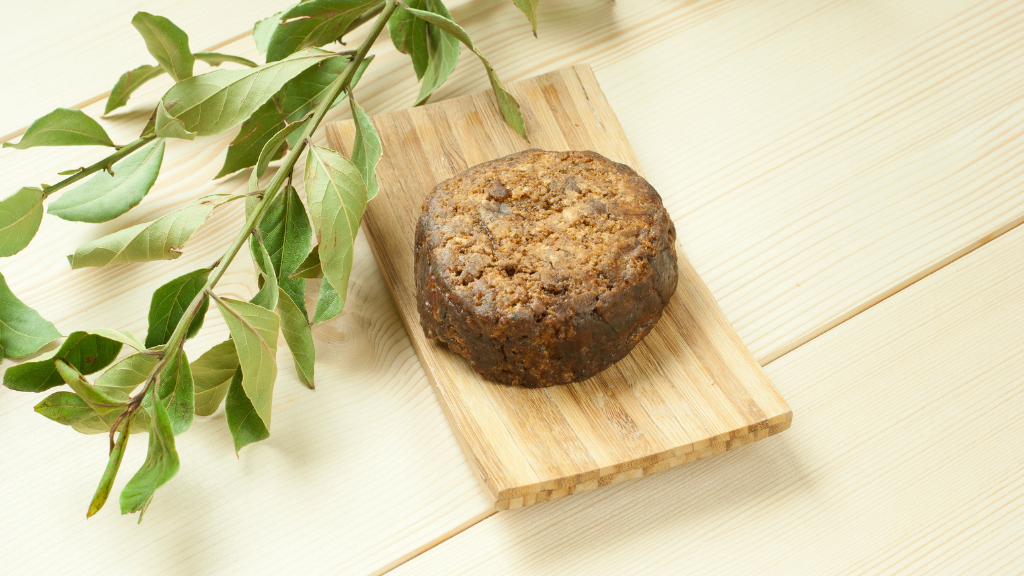
Does African black soap lighten skin? No. It’s a cleanser, not a skin lightener, though regular use may help old dark marks fade over time.
African black soap is a plant-ash soap from West Africa, traditionally made with plantain skin ash, cocoa pod ash, palm oils, and often shea butter. People mainly use it for:
- Deep cleansing without sulfates or synthetic detergents
- Gentle exfoliation from the ash in the soap
- Help with acne-prone skin, thanks to its cleansing and exfoliating action
- Calmer, less irritated skin for many users
- Dark spots that may look lighter over a few months of regular use
These are traditional uses and user experiences, not medical promises, and results vary. This guide is for anyone using black soap on their own skin. It’s also for business owners buying African black soap in bulk to resell, repackage, or use in their spa or salon.
Does African Black Soap Lighten Skin?
No, African black soap does not lighten or bleach your skin. It is a traditional cleanser made from plant ash and oils, and nothing in it changes the amount of pigment your skin makes. What it may do is help skin tone look more even, by clearing dead skin cells and helping old marks fade gradually.
Most people ask because they’ve seen a friend’s skin look brighter after a few weeks of using black soap. Others have seen bars on store shelves that promise lighter skin.
What people are really seeing
African black soap is a mild exfoliant. The ash in the soap lifts dull, dead skin cells from the surface, and fresh skin reflects light more evenly. That can make skin look brighter and smoother, but your skin tone itself stays the same.
The plantain skins in black soap also contain vitamin A, which supports normal skin cell turnover. With regular use over two to three months, some people find that leftover marks from acne, bug bites, or razor bumps look lighter. That is the old mark fading toward your normal skin tone.
Evening out skin tone vs skin bleaching
These two things often get mixed up:
- Evening out skin tone means helping dark marks fade back toward the skin around them. Your overall skin color does not change. This is what gentle exfoliation may help with.
- Skin bleaching or lightening means using an active ingredient to reduce the pigment in your skin overall. African black soap does not do this, and it is not designed to.
If a soap or cream promises to make your skin lighter, the lightening is coming from other added ingredients, not from the black soap itself. Always read the full ingredient list.
A safety note on skin lightening products
The U.S. Food and Drug Administration (FDA) has warned consumers not to use over-the-counter skin lightening products that contain mercury or hydroquinone. FDA testing has found some of these products with high levels of mercury, which can be absorbed through the skin and may harm the kidneys and nervous system. Hydroquinone has been linked to rashes, facial swelling, and skin discoloration that may be permanent.
If you’re worried about dark spots or uneven skin tone, talk with a dermatologist first. They can find the cause and suggest options that fit your skin. And if you sell skin care, never describe African black soap as a lightening or bleaching product. It isn’t one, and your customers deserve a straight answer.
What Is African Black Soap?
African black soap is a traditional cleanser made in West Africa from plant ash and oils. It has been made and used in communities across the region for generations. You can shop the full range of African black soap in bar, paste, and liquid form.
Where does African black soap come from?
African black soap comes mainly from Ghana and Nigeria. In the Yoruba language of Nigeria, it’s called Ose Dudu, which means “black soap.” In Ghana, it’s often called Alata Samina.
The soap has traditionally been made by women in West African communities, with recipes and methods passed down within families and villages. It’s a working craft with a long history. Plant materials like plantain skins and cocoa pods are sun-dried, then roasted to make ash. The ash is mixed with water and filtered, combined with oils and butters, and stirred by hand before the soap is left to cure.
What goes into it?
Recipes vary by region and maker, but most African black soap includes some mix of these ingredients:
- Plantain skin ash
- Cocoa pod ash
- Palm oil and palm kernel oil
- Coconut oil
- Shea butter
The ash does two jobs. It’s what turns the oils into soap, and it gives the bar its slightly gritty texture, which is where the gentle exfoliation comes from.
Black soap also keeps its glycerin. Glycerin is a humectant, which means it pulls moisture toward the skin. Many mass-market soaps have their glycerin removed during production. Black soap usually keeps it, which is one reason it can clean without leaving skin feeling stripped.
Some makers add other ingredients, such as honey, aloe vera, oatmeal, black seed oil, charcoal, or peppermint. Dudu-Osun, a well-known Nigerian black soap, adds honey, camwood (osun), aloe vera, lime juice, and fragrance to a shea butter and cocoa pod ash base.
The dark color comes from the roasted ash, not from dye. Traditionally made black soap is usually dark brown or grayish brown rather than jet black.
Paste, bar or liquid: which one to buy
African black soap comes in three main forms, and each one fits a different kind of customer.
- Raw paste: The closest to the traditional form. It’s soft, rich, and concentrated, so a small pinch goes a long way. Paste needs airtight storage. It’s the best pick if you want to dilute it yourself, add your own fragrance, or repackage it into smaller jars.
- Bar: The easiest form to use and to sell. Bars are familiar to customers, easy to price and display, and they keep well when stored dry.
- Liquid: The easiest for body wash and for spa or salon use. Liquid black soap pumps cleanly, so there’s no mess, and it’s simple to portion out for treatments.
Paste suits formulators and repackagers, bars suit pop-ups and retail shelves, and liquid suits spas, salons, and anyone who wants a ready-to-use body wash. Africa Imports stocks all three, from 8 oz paste tubs up to 5 gallon sizes, plus bars and liquid black soap in 8 oz and 16 oz bottles.
African Black Soap Benefits for Skin
African black soap brings together plant oils, butters, and antioxidant-rich ash in one bar. Research and long-standing traditional use suggest it may help in the ways below.
The most-cited study is a 2017 survey published in the Journal of Clinical and Aesthetic Dermatology. Researchers asked 100 black soap users at dermatology clinics in the Bronx, New York, about their experience. Overall, 91% said they were very satisfied or somewhat satisfied with black soap for their skin. This was a survey of how people felt rather than a controlled trial, and the researchers did not track side effects.
1. May help manage acne-prone skin
Black soap is a popular choice for acne-prone skin. Laboratory studies have found that black soap can remove some common skin bacteria, in some tests as well as or better than medicated soaps. The ash also gently exfoliates, which helps keep pores from clogging with dead skin.
Many people use it to help manage breakouts on the face, chest, and back. It is a cleanser, though, not an acne treatment. If your acne is painful, deep, or leaving scars, see a dermatologist.
2. May help dark spots fade over time
The plantain skins in black soap are a source of vitamin A, which supports skin cell turnover. Combined with gentle exfoliation, this may help old dark marks look lighter over two to three months of regular use. In the 2017 survey, about 85% of people who used black soap for dark spots said they were very or somewhat satisfied, though these results were self-reported.
Black soap does not lighten your overall skin tone, and it won’t stop new spots from forming. Sun exposure can darken marks again, so daily sunscreen matters.
3. May help balance oily skin
Finding a cleanser that cuts oil without leaving skin tight is hard, especially for oily or combination skin. Black soap removes excess oil, while the shea butter and coconut oil in many recipes add some moisture back. Because it’s made without sulfates, many people find it less harsh than foaming drugstore cleansers.
4. May calm itchy, irritated skin
The oils and butters in black soap may help soothe dry, itchy skin. Some people with eczema or psoriasis say it’s gentler on their skin than scented soaps. But black soap can also be drying, and the 2017 survey found lower satisfaction among people who used it for eczema. If you have a skin condition under treatment, check with your dermatologist first.
5. Gently exfoliates dead skin cells
The ash particles make black soap a mild physical exfoliant. Instead of using acids, it lifts dead cells as you massage the lather in, which can leave skin feeling smoother. This same action helps loosen blackheads by keeping pores clear of buildup.
6. Moisturizes without heavy residue
Shea butter, coconut oil, and cocoa pod ash give black soap a richer feel than many soaps, and the retained glycerin draws moisture toward the skin. These ingredients rinse off cleanly with water, so most people don’t feel a heavy film afterward.
7. May help reduce the look of fine lines
Cocoa pods and plantain skins contain antioxidants that help protect skin from everyday damage. Exfoliation can also make fine lines look softer by clearing the dull surface layer. Research on black soap and aging is limited, so think of this as a possible bonus rather than the main reason to buy it.
8. May help protect against everyday environmental stress
Your skin deals with sun, pollution, and product buildup every day. Black soap contains vitamins A and E, both antioxidants, which may help support skin against some of this daily stress. It is not a replacement for sunscreen.
9. May reduce razor bumps and ingrown hairs
Razor bumps are where users rate black soap highest. Washing with black soap before shaving softens hair, and the gentle exfoliation helps free hairs that are starting to curl back into the skin. In the 2017 survey, about 92% of people who used black soap for razor bumps were very or somewhat satisfied, the highest of any specific use.
10. May help with the look of stretch marks
Shea butter is often used to help skin feel softer and more elastic, and it’s a common ingredient in black soap. Clinical evidence for black soap and stretch marks is thin, so treat this as a traditional use rather than a proven benefit, and expect any change to be small.
11. Removes makeup
The oils and butters in black soap help break down makeup, while the soap lifts it away with the day’s dirt. Many people use it as a first or only cleanse at night. Keep it away from your eyes, and use a separate eye makeup remover for mascara.
African Black Soap Benefits for the Face
Your face needs a slightly different approach than the rest of your body. Facial skin is thinner and more reactive, and it dries out faster. That’s why people who use black soap daily on their body often use it less often on their face.
Follow these simple rules for facial use:
- Start with two or three times a week on your face, even if you use it every day on your body.
- Lather the soap in your hands first. Never rub the bar or paste straight onto your face, because the gritty texture can scratch.
- Massage the lather on your face for 30 to 60 seconds, then rinse.
- Apply moisturizer while your skin is still damp.
If you have dry, sensitive, or rosacea-prone skin, patch test first and build up even more slowly.
African black soap for acne and pimples
Black soap’s cleansing and gentle exfoliation are the main reasons it’s popular with people who have acne-prone skin. Many people use it to help manage breakouts as part of a simple routine: cleanse, moisturize, and wear sunscreen during the day.
Don’t combine black soap with chemical exfoliants like AHAs (glycolic or lactic acid), BHAs (salicylic acid), or retinoids at the start. Black soap already exfoliates, and stacking these can strip your skin, which often leads to more irritation, not fewer breakouts.
Some people see a few extra breakouts in the first two weeks as their skin adjusts. That can be normal. But stinging, burning, swelling, or a rash that spreads is a reaction, not your skin adjusting. Stop using it and see a healthcare professional.
African black soap for dark spots and uneven tone
Dark spots are one of the most common reasons people try black soap. Regular exfoliation and the vitamin A from plantain skins support skin cell turnover, which may help existing marks fade over time.
Black soap does not stop new dark spots from forming, and it won’t work fast. Sun exposure can darken marks again and undo your progress, so use sunscreen every day. If dark spots are new, spreading, or changing, have a dermatologist take a look.
How long African black soap takes to work
Results vary, and how consistently you use it matters more than how often. A realistic timeline for most people looks like this:
- After two weeks: Skin may feel cleaner and smoother. You might notice some dryness or a few breakouts as your skin adjusts.
- After one month: Skin texture often looks more even, and pores may look clearer.
- After three months: Old dark marks may look lighter. This is the point where most people can judge whether black soap is working for them.
Be wary of dramatic before-and-after photos online. Lighting, makeup, and filters can make a big difference, and real changes from a cleanser are usually gradual.
African Black Soap Benefits for the Body
Body skin is thicker than facial skin, so it usually handles black soap better. Many people use it every day as a body wash with no problems.
Popular body uses include:
- Breakouts on the back and chest
- Rough, bumpy skin on the upper arms (keratosis pilaris)
- Dry, rough elbows and knees
- Everyday body wash for oily or sweaty skin
It’s also a popular pre-shave wash for razor burn and ingrown hairs, as covered above. On your body, it’s fine to use a washcloth or glide the bar directly over your skin, which would be too harsh for your face.
Follow up with a body butter or oil to lock in moisture. Many people pair black soap with raw shea butter, applied while the skin is still damp.
Is African black soap safe for sensitive areas?
The skin in intimate areas is thin and easily irritated, and black soap is both alkaline and exfoliating. For most people, it’s best to keep black soap to external skin on the rest of the body and not use it there. If you have ongoing irritation, itching, or odor, talk with your doctor.
African Black Soap Benefits for Hair and Scalp
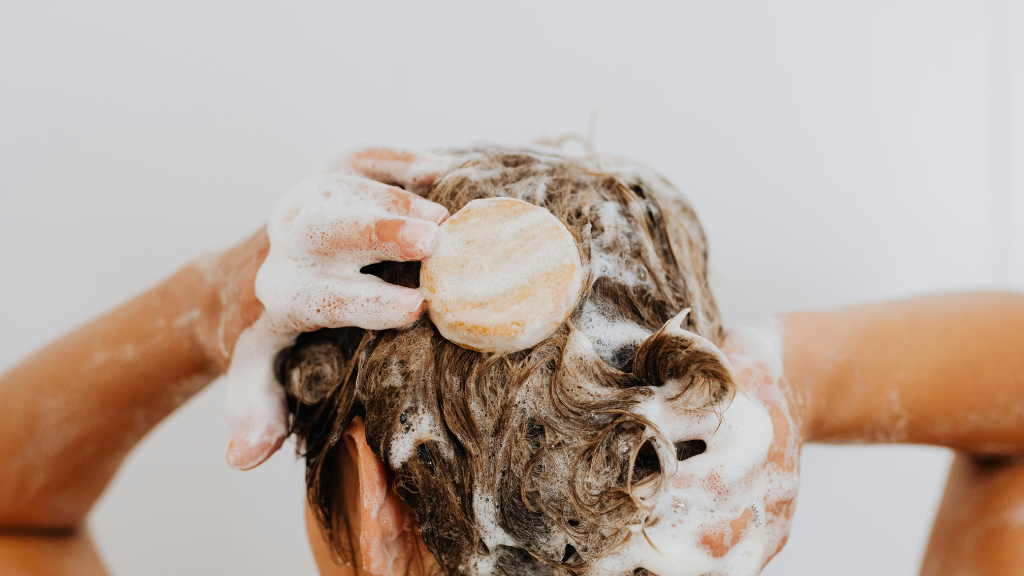
African black soap can also be used as a shampoo. Lather a small amount in your hands, work it through wet hair and scalp, then rinse well. It cleans without sulfates and leaves little residue, which is why it’s popular with people who wear locs, braids, and other protective styles.
Some people find it helps with a flaky, itchy scalp. But it doesn’t work for everyone. A Cleveland Clinic dermatologist notes some evidence that the yeast linked to dandruff can grow in cocoa butter and shea butter. So black soap may help some people’s flaking and make it worse for others. If your scalp gets itchier or flakier, stop using it as a shampoo.
Black soap can leave hair feeling dry on its own. Always follow with a conditioner or a light oil, especially on curly and coily hair.
How to Use African Black Soap Correctly
Using black soap the right way makes a big difference to how your skin reacts. Follow these steps:
- Break off a small piece of the bar, or scoop a pea-sized amount of paste.
- Lather it in wet hands or on a washcloth. For your face, always lather in your hands.
- Apply the lather in gentle circles for 30 to 60 seconds on your face, or 60 to 90 seconds on your body.
- Rinse fully with lukewarm water.
- Apply moisturizer while your skin is still damp.
Don’t leave your bar sitting in water after you use it. Black soap softens and breaks down fast when it stays wet. See the storage tips below to make it last longer.
What happens if you use African black soap every day
For most people, daily use is fine on the body but too much on the face, at least at first. Using it too often can over-exfoliate your skin.
Watch for these signs that you’re overdoing it:
- Skin feels tight right after washing
- Flaking or peeling
- Stinging when you apply moisturizer
- More breakouts than before
Start at two or three times a week on your face and build up slowly. Opinions differ here. Cleveland Clinic says daily use is safe as long as you follow with moisturizer and sunscreen, while others recommend a few times a week. Let your skin’s response set the pace.
Making a liquid or foaming wash from paste
Raw paste is concentrated, so many people dilute it into a liquid wash. To make a simple wash:
- Scoop a small amount of paste into a clean container.
- Add warm distilled water, a little at a time, and stir or shake until the paste dissolves.
- Start with roughly one part paste to three parts water, then adjust until you like the thickness.
- Pour it into a pump bottle. A foaming pump works well with a thinner mix.
Make small batches you’ll use within a week or two. Once you add water, the mix won’t keep as long as raw paste and can spoil. If you plan to sell a diluted liquid, don’t bottle homemade dilutions for customers until you’ve worked out preservation and testing. It’s easier to sell paste or buy ready-made liquid black soap for resale.
Side Effects and Who Should Be Careful
Most people tolerate African black soap well, but it isn’t right for everyone. Mild dryness or tingling in the first week or two is common as your skin adjusts.
Stop using black soap if you notice:
- Burning that doesn’t settle within a minute of rinsing
- A rash that spreads
- Swelling
- Cracked or broken skin
Check the ingredient list if you’re allergic to any of these common black soap ingredients: cocoa, coconut, palm, or shea.
The most common cause of bad reactions is mixing black soap with other strong products. Don’t use it in the same routine as chemical exfoliants, scrubs, or retinoids until you know how your skin handles it.
How to patch test:
- Lather a small amount and apply it to your inner forearm.
- Rinse after a minute or two.
- Wait 24 hours.
- If you see no redness, itching, or swelling, try it on a small area of your face before using it all over.
Check with a doctor before using black soap if you have eczema, psoriasis, or rosacea that’s under active treatment, or if you use prescription acne medication.
Is African Black Soap Safe for Babies?

In West Africa, black soap has traditionally been used on babies because it’s made without synthetic fragrances or dyes. But baby skin is delicate, and every baby is different. Patch test a tiny area first and wait 24 hours. Talk to your pediatrician before using it regularly, especially if your baby has sensitive skin or eczema.
How to Tell Real African Black Soap From a Fake
As black soap has grown more popular, so have imitations. Some are regular soaps colored black with dye. Use this checklist when you’re holding a bar:
- Color: Dark brown to grayish brown, often uneven across the bar. A jet black, completely even color is a warning sign.
- Texture: Soft, a little rough, and may crumble at the edges. A very smooth, hard bar is likely machine-made.
- Smell: Earthy and slightly smoky. A strong perfume smell usually means added fragrance.
- Feel: Slightly gritty when you rub it, from the ash.
- Label: Lists plant ash, or the plants it’s made from, such as plantain skins or leaves and cocoa pods, plus oils such as palm or palm kernel oil. If you see none of these, ask questions.
What to ask a supplier before a bulk order
If you’re buying black soap to resell, ask these questions before placing a large order:
- Can I see the full ingredient list?
- Where is this soap made?
- Is it raw, traditional black soap, or a black soap base blended with other ingredients?
- Does the color come from ash or from added dye?
- What is the normal shelf life, and how should I store it?
A good supplier will answer all five without hesitation. Our product pages list the ingredients for each black soap, and many also list the country where it’s made.
African Black Soap vs Other Soaps
This table compares traditional African black soap with four other soaps your customers may ask about.
|
African black soap |
Regular bar soap |
Dudu-Osun |
Charcoal soap |
Nubian Heritage African Black Soap |
|
|
How it cleans |
Soap made from plant ash and oils |
Standard soap base or synthetic detergents |
Black soap made with cocoa pod ash |
Standard soap base with activated charcoal |
Standard soap base with black soap added |
|
Key ingredients |
Plantain or cocoa pod ash, palm oils, often shea butter |
Varies, and glycerin is often removed |
Honey, shea butter, camwood, aloe, lime juice, cocoa pod ash |
Activated charcoal plus oils |
Shea butter, oatmeal, aloe, black soap base |
|
Where the color comes from |
Roasted plant ash |
Added colorants, if any |
Ash, plus camwood and other added ingredients |
Activated charcoal |
Added colorants listed on the label |
|
Texture |
Soft, uneven, slightly gritty |
Smooth and firm |
Firm bar |
Smooth, firm bar with fine grit |
Smooth, firm bar |
|
Best for |
Customers who want a traditional, unscented cleanser for oily or acne-prone skin |
Everyday handwashing and general use |
Customers who want a lightly scented, ready-made Nigerian black soap bar |
Oily skin and blackheads |
Customers who like a scented, moisturizing bar from a familiar brand |
Charcoal soap is a different product, even though both bars look dark. Knowing what charcoal soap does makes it easier to decide whether it belongs on your shelf next to black soap. If your customers love the Nubian Heritage name, you can stock Nubian Heritage soaps alongside traditional black soap and explain the difference at the shelf.
How to Store African Black Soap
African black soap is made without synthetic preservatives, so heat and moisture affect it more than regular soap. Follow these basics:
- Keep it somewhere cool and dry, between 50 and 75°F (10 to 24°C).
- Aim for humidity below 50%.
- Store paste in an airtight container with the lid closed tight.
- Keep bars on a draining soap dish, never in standing water.
- Stored well, black soap keeps for around two years. Our paste lists a normal shelf life of 24 months.
If your soap turns sticky, very soft, or smells off, it has likely taken on moisture. If you’re holding larger amounts of stock, there’s more to storing African black soap at scale, from display tips to regular inventory checks.
How to Sell African Black Soap in Your Business
African black soap is an easy skin care product to start selling. Customers already know the name, and it’s a consumable they use up and rebuy. It also fits almost every kind of small business, from a market table to a spa treatment room.
Which format to stock first
If you’re new to selling black soap, start with bars. They’re familiar to customers, easy to price, easy to display, and they keep well when stored dry.
Paste is where repackagers make their margin, because you can buy in large tubs and portion it into your own jars. It does need airtight containers and faster turnover, so it’s a better second step once you know your sales pace.
Liquid black soap works well for spas and salons, and it’s a good fit for gift sets and bundles.
A good starting point is one bar product and one liquid product. Sell through those first, learn what your customers ask for, then step up to gallon sizes when you’re confident in demand. When you’re ready, you can buy in bulk to bring your cost per unit down.
Repackaging paste for resale
Repackaging raw paste is one of the simplest ways to build your own black soap line. Africa Imports carries West African black soap paste in 8 oz and 16 oz tubs, and in 1 gallon and 5 gallon sizes for repackagers.
A few practical tips:
- Work in a clean, dry space, and wash and dry your tools and jars before you start.
- Use wide-mouth jars with tight lids. Wide jars are easier for customers to scoop from.
- Weigh each jar on a kitchen scale rather than eyeballing it, so every customer gets the same amount.
- Label each jar with the ingredients, simple directions, and the date you packed it.
To work out your numbers, check the net weight on your tub and divide by your jar size. For example, if a tub holds 128 ounces (8 pounds) of paste, that’s up to 32 jars at 4 oz or 16 jars at 8 oz, before any waste. Expect to lose a little to scooping and spills.
Keep your labels simple. Ingredients and directions are the safe route. Once you claim your soap treats a skin condition, like clearing acne or treating eczema, the labeling rules change. Your product can then be treated as a drug. Before you print labels, it’s worth checking the soap safety regulations that apply to small sellers.
Private label and branding ideas
You don’t need fancy packaging to sell black soap well. A plain kraft label with clear, ingredient-forward wording often sells better than big promises, because it matches what customers expect from a traditional soap. Name the ingredients, such as plantain ash, cocoa pod ash, and shea butter, instead of making claims.
Bundles are the easiest way to raise your order value. Pair black soap with a jar of shea butter or a body oil as a two-item set: one to cleanse, one to moisturize.
Add a soap dish to your bundles or sell one at checkout. Black soap breaks down quickly in standing water, and a customer whose bar turns to mush in a week is unlikely to reorder. A draining dish solves that problem and protects your repeat sales.
Who buys it and how to sell to them
Black soap appeals to all five types of customers we work with. The selling angle that tends to work for each:
- New entrepreneurs: Black soap is a low-cost, well-known first product. Start with bars and a simple sign that explains what it is.
- Side hustle sellers at fairs and pop-ups: Bundles and sample bars move product at a table. Let people touch and smell it.
- Spa and salon owners: Liquid black soap in bulk works for body treatments and facials, with retail bottles on the shelf for clients to take home.
- DIY formulators: Paste is a base for your own scented or enriched black soap products.
- Retailers: Cases of bars give you consistent stock and easy shelf space.
Because black soap gets used up, the first sale is the hard one. Once a customer finds it works for their skin, they tend to come back. Clear directions and a soap dish make that second sale much more likely.
What to tell your customers
Customers tend to ask the same three questions. These short, honest answers work at a market stall or in a product description:
- “Will it lighten my skin?” No. Black soap doesn’t change your skin tone. It cleans and gently exfoliates, which can help old marks fade over time.
- “Will it dry me out?” Only if you overuse it. Start a few times a week on your face and always moisturize afterward.
- “How long until I see a change?” Most people notice smoother skin in two to four weeks. Dark marks can take two to three months.
Keep a small sample bar out on your table or counter. The earthy smell and slightly rough feel are what convince most people they’re looking at the real thing.
FAQs About African Black Soap
What are the main benefits of African black soap?
The main benefits of African black soap are deep cleansing without sulfates, gentle exfoliation, and help with acne-prone skin. It may also calm irritated skin and help dark spots fade over a few months. Many people also use it for razor bumps, oily skin, makeup removal, and as a shampoo. Results vary from person to person.
Can I use African black soap every day?
Most people can use African black soap every day on their body. On the face, it’s best to start two or three times a week and build up slowly, since daily use can over-exfoliate and dry out facial skin. Always follow with moisturizer, and use sunscreen during the day.
How long does it take for African black soap to start working?
Most people notice smoother, cleaner-feeling skin within two to four weeks of regular use. Dark spots and old acne marks usually take two to three months to look lighter. Results vary, and using it consistently matters more than using it often.
Does African black soap lighten your skin?
No. African black soap does not lighten or bleach skin. It cleanses and gently exfoliates, which can make skin look brighter and help old dark marks fade toward your usual skin tone. If a product promises to lighten your skin, that effect comes from other added ingredients, so check the label carefully.
Is African black soap good for sensitive areas?
African black soap is not a good choice for intimate areas. The skin there is thin and easily irritated, and black soap is alkaline and exfoliating. Keep it to the rest of your body, and talk with your doctor if you have ongoing irritation, itching, or odor.
What are the disadvantages of African black soap?
African black soap can dry out skin if you use it too often, and some people get mild tingling or a few breakouts at first. It melts quickly if left wet, it can irritate when paired with chemical exfoliants, and people allergic to cocoa, coconut, palm, or shea should check the label first.
Why does my African black soap feel slimy or melt so fast?
Black soap is soft and keeps its glycerin, which pulls in moisture from the air and water around it. If your bar sits in a wet dish or a steamy bathroom, it softens and turns slimy. Keep it on a draining dish, and store paste in an airtight container between uses.
What is the difference between African black soap paste and bars?
Paste is the raw, soft, concentrated form of African black soap, and it’s easy to scoop, dilute, or repackage. Bars are firmer, easier to use and display, and keep well when stored dry. Both cleanse and exfoliate. Paste suits repackagers, while bars suit retail shelves and first-time buyers.
Is African black soap safe for babies?
African black soap has traditionally been used on babies in West Africa because it’s made without synthetic fragrances or dyes. Every baby’s skin is different, though. Patch test a small area first, wait 24 hours, and check with your pediatrician before regular use, especially if your baby has sensitive skin.
Does African black soap expire?
Yes. African black soap has no synthetic preservatives, so it doesn’t last forever. Stored somewhere cool and dry, it usually keeps for around two years. Throw it out if it develops mold, smells sour or unpleasant, or turns very sticky or brittle.
How can I tell if my African black soap is real?
Real African black soap is usually dark brown rather than jet black, with an uneven color, a soft and slightly crumbly texture, and an earthy, smoky smell. The ingredient list should include plant ash or the plants it’s made from, such as plantain or cocoa pods. A smooth, jet black, heavily perfumed bar is often an imitation.
Can I sell African black soap that I repackage myself?
Yes, many small businesses buy black soap paste in bulk and repackage it into smaller jars to sell. Work in a clean space, weigh each jar, and label it with ingredients, directions, and a packing date. Avoid claims about treating skin conditions on your label, as those can bring stricter rules.
HEALTH AND SAFETY DISCLAIMER
The information in this article is for general educational purposes only. Products sold by Africa Imports are not licensed for medical use and are not intended to diagnose, treat, cure, or prevent any disease. Individual results vary. If you have a skin condition, are pregnant, or are using prescription skin medication, speak with a healthcare professional before using African black soap.
Stock Up on Wholesale Black Soap and Support Schools in Africa
Over half of Africa Imports’ profits go to charitable work in Africa, funding schools, medical care, and skills training. That includes helping fund around five schools, mostly for orphaned children and kids from very poor families. Every wholesale order you place is part of that work.
When you’re ready to stock up, we carry African black soap as bars, raw paste, and liquid, with paste available in sizes from 8 oz tubs up to 5 gallons. Minimums are low, so you can start small, test what sells with your customers, and scale up as demand grows. We’ve been helping small businesses across the U.S. grow for over 25 years.
Shop wholesale African black soap and start your order today, or browse our full range of wholesale soaps.