 USD
 GBP
 CAD
 AUD

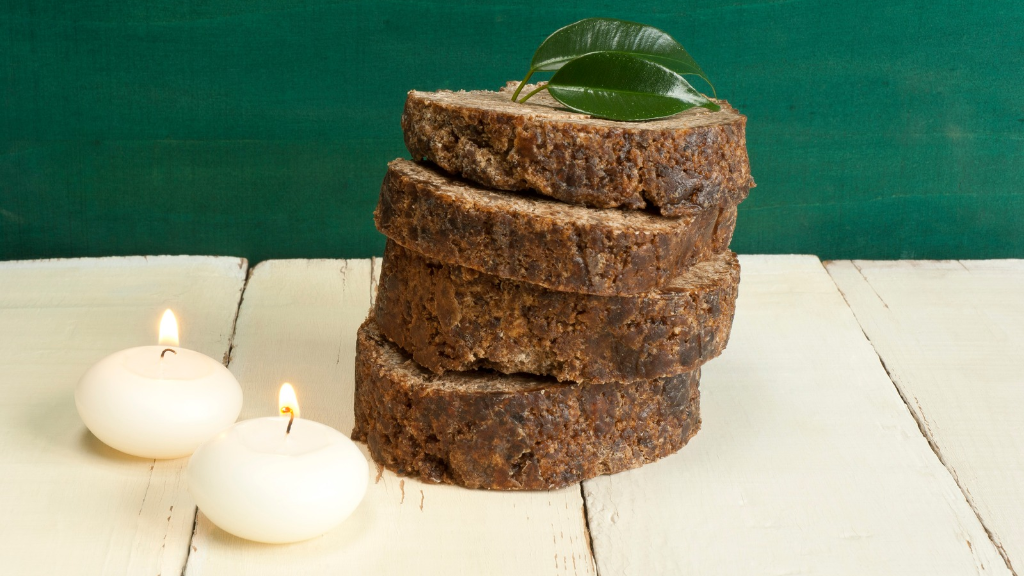
African black soap may help some people with mild breakouts and oily skin because it washes away oil and dead skin. But it is not an acne treatment, and the research behind it is limited. It's also alkaline, so it can dry or irritate skin. If you try it, start slowly, lather it in your hands, moisturize afterward, and stop if new breakouts keep coming.
This guide covers what the evidence says, who black soap may suit, how to use it on acne-prone skin, and the warning signs to watch for. If you sell skincare, you'll also find tips on how to talk about black soap with your own customers.
Is African Black Soap Good for Acne?
African Black Soap can help some people with mild acne. It cleans oil and dirt from the skin and gives a light exfoliation. It does not treat acne, and it won't clear painful, cystic or hormonal breakouts. For some people, it makes skin drier and breakouts worse.
There's very little research on black soap and acne. A 2014 review of popular over-the-counter remedies in the Journal of Drugs in Dermatology found no studies that confirmed or ruled out black soap's effect on skin conditions.
The study people quote most often is a 2017 survey published in the Journal of Clinical and Aesthetic Dermatology. Researchers asked 100 black soap users at dermatology clinics in the Bronx, New York, how they used it. Of the 23 people who used black soap for acne, 19 said they were very or somewhat satisfied.
That sounds strong, but it was a survey, not a clinical trial. People rated their own results, and the authors noted that users may judge a product kindly once they've paid for it.
So the honest answer is that black soap may help, it may not, and how you use it matters a lot.
What black soap can do:
- Wash away oil, sweat and dirt
- Give a light scrub from the ash particles
- Leave oily skin feeling less greasy
What black soap can't do:
- Treat hormonal, cystic or scarring acne
- Replace benzoyl peroxide, salicylic acid, retinoids or prescription treatment
- Remove acne scars
What Is in African Black Soap, and Why Do People Use It for Acne?
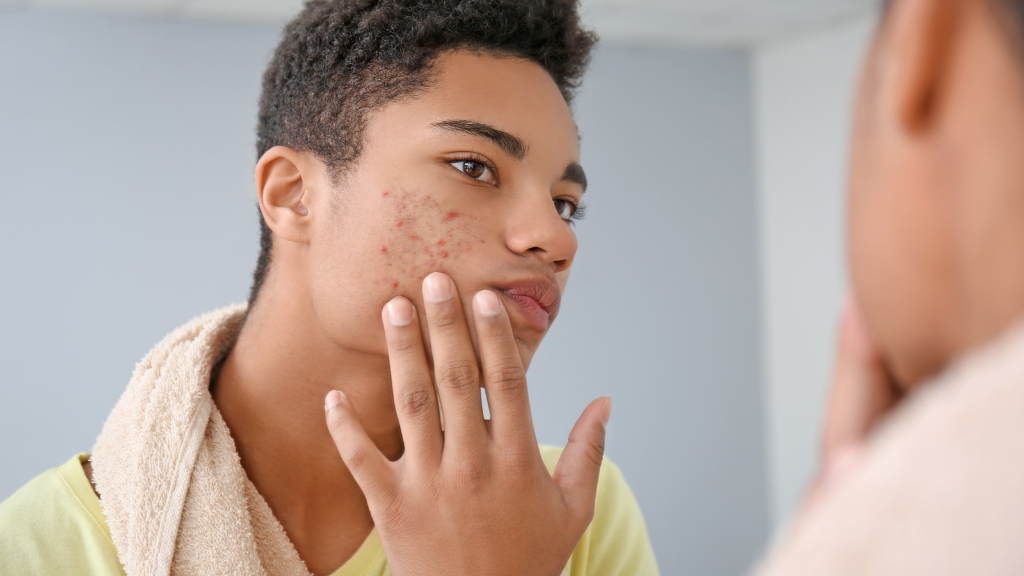
African black soap is a traditional soap from West Africa, made mainly in Ghana and Nigeria. In Yoruba it's called ose dudu, and in Ghana it's often known as alata samina. Families have used it for everyday washing of skin and hair for generations. Many people in the US first hear about it at home. In the 2017 survey, 40% of users said a family member introduced them to it.
Recipes vary by maker and region. Traditional black soap usually starts with ash from roasted plantain skins and cocoa pods, mixed with oils such as palm oil, palm kernel oil and coconut oil. Some makers add shea butter or cocoa butter. The ash gives the soap its dark color and slightly gritty feel.
That grit is a big part of why people reach for it on oily, breakout-prone skin. The soap lifts away oil, and the ash adds a light scrub. Raw African black soap is usually brown, soft and uneven in texture, not jet black and smooth.
Not every bar labeled "black soap" is the traditional kind. Some are regular soap or body wash with a little black soap added, plus fragrance and coloring. Before you buy, check the label:
- Look for plantain or cocoa pod ash near the top of the ingredient list
- Watch for "fragrance" or "parfum," which can bother acne-prone and sensitive skin
- Be cautious with a bar that is very smooth, firm, strongly scented and jet black
- Scan the full list for any oils you know your skin reacts to
Do Dermatologists Recommend African Black Soap?
Dermatologists tend to see black soap as an optional cleanser, not a first-choice acne treatment.
Cleveland Clinic dermatologist Alok Vij, MD, says black soap may work for some people who have breakouts. He also warns that for some people with acne, the scrubbing effect can make the condition flare up instead of getting better.
The UK's NICE acne guideline advises people with acne to wash twice a day with a non-alkaline cleanser. Black soap, like most true soap, is alkaline. Healthy skin is slightly acidic, so an alkaline wash can leave it tight and dry. This is also why the online claim that black soap works by "fixing acidic skin" has things backwards.
The American Academy of Dermatology (AAD) advises washing acne-prone skin gently with your fingertips, no more than twice a day, without scrubbing.
The takeaway: if your skin tolerates black soap, it can be one part of a simple routine. If you have more than mild acne, a board-certified dermatologist is the best place to start.
Who African Black Soap May Suit, and Who Should Skip It
Oily and combination skin
Oily skin is often the best fit. If you have combination skin, try black soap on your oilier areas, like the forehead, nose and chin, and use a milder cleanser on drier cheeks.
Blackheads and small bumps
Blackheads are pores clogged with oil and dead skin. Regular cleansing and light exfoliation may help keep pores clearer. Some people with oily skin also like charcoal soap, which is a firmer bar with no gritty ash.
Body acne on the chest and back
Skin on the chest and back is usually thicker and less reactive than facial skin. Many people find black soap easier to use there than on the face. Shower soon after workouts so sweat doesn't sit on your skin, and moisturize after washing.
When to skip it or check with a dermatologist first
- Painful, deep or cystic acne, or acne that leaves scars
- Eczema-prone or very dry skin
- You already use prescription acne treatment, a retinoid or an acid exfoliant
- You're allergic to cocoa, coconut, palm or shea
Is African Black Soap Good for Sensitive Skin?
It depends on the person and the product. Some people with sensitive skin use black soap with no trouble. Others get stinging, redness or hives.
To lower the risk:
- Choose a fragrance-free bar
- Patch test on your inner arm and wait 24 hours before using it on your face
- Start with once or twice a week
Some people find liquid black soap easier to use gently because there's no rough bar to rub on the skin. Liquid versions vary a lot, though. Some are ash-based, while others are body washes with added fragrance and color, so read the ingredient list first.
Stop using it if you get stinging that lasts, redness, hives or peeling.
How to Use African Black Soap for Acne
- Patch test first. Apply a little lather to your inner arm and wait 24 hours.
- Break off a small piece and lather it in wet hands. Don't rub the bar on your face. Raw bars can hold bits of ash and plant fiber that scratch.
- Apply the lather with your fingertips, moving gently. Don't scrub.
- Rinse well with lukewarm water. Leftover soap can dry your skin.
- Pat dry with a clean towel.
- Moisturize right away with a non-comedogenic moisturizer or a lightweight lotion.
Start with 2 to 3 times a week, as Cleveland Clinic suggests, and use a mild, non-alkaline cleanser on other days.
Can you use African black soap on your face every day?
Only once your skin has shown it can handle it. If you've gone a few weeks with no dryness, stinging or new breakouts, you can try using it more often. Don't wash your face more than twice a day, since overwashing can irritate acne-prone skin.
Can you use it with benzoyl peroxide, salicylic acid or retinoids?
Cleveland Clinic advises against combining black soap with chemical exfoliants. Keep it out of the same routine as salicylic acid, glycolic acid or retinoids, because stacking them raises the chance of irritation. If you use benzoyl peroxide or any prescription acne treatment, ask your dermatologist before adding black soap.
How long before you notice a difference?
There's no set timeline, and no one can promise results. The AAD notes that acne products take time to work, so judge black soap over several weeks, not days. Stop early if irritation shows up. Keep in mind that "before and after" photos online often involve other products, different lighting or more time than the post admits.
Can African Black Soap Make Acne Worse?
Yes, it can. Many people break out after starting black soap and wonder if their skin is "purging."
Is it purging or a breakout?
According to Banner Health dermatologist Rebecca Thiede, MD, purging happens with ingredients that speed up skin cell turnover, such as retinoids and AHA or BHA acids. Plain soap doesn't speed up cell turnover. So new pimples after starting black soap are more likely a reaction to dryness, irritation from the ash, fragrance, or oils that clog your pores. Don't push through it hoping it will clear.
Signs to stop
- Burning or stinging that lasts
- Redness that doesn't settle
- Peeling, or skin that feels tight and flaky
- New pimples that keep appearing after a couple of weeks
If you notice any of these, stop, go back to a mild cleanser, and see a dermatologist if your skin doesn't calm down.
Side Effects of African Black Soap
The most common side effects are:
- Dryness and tightness
- Stinging
- Irritation or tiny scratches from rough ash particles
- Allergic reactions to cocoa, coconut, palm or shea ingredients
- Clogged pores for some people, from some of the oils
- New dark marks on melanin-rich skin, since product irritation can trigger them
To lower your risk, use black soap less often, use a smaller amount, apply the lather only, rinse well, moisturize every time, and choose fragrance-free.
Can African Black Soap Help With Acne Scars and Dark Marks?
There's no evidence that black soap removes acne scars, and it doesn't lighten skin.
It helps to know the difference between the two. A scar changes the texture of your skin, leaving a pit or a raised bump. A dark mark is flat discoloration left after a pimple heals. Its medical name is post-inflammatory hyperpigmentation, and it's especially common on melanin-rich skin.
The AAD says most dark marks fade on their own once breakouts are under control, though deeper color can take a long time. To help them fade:
- Don't pick, squeeze or pop pimples
- Skip harsh scrubbing, because irritation can trigger new dark spots
- Wear sunscreen every day
- Ask a dermatologist about scars, since they usually need professional treatment
If you're choosing a soap for melanin-rich skin, a mild, fragrance-free option is a good place to start.
How to Fit Black Soap Into an Acne Routine
Keep it simple. A basic routine looks like this:
Morning: rinse or use a mild cleanser, apply a light moisturizer, then sunscreen.
Evening: black soap 2 to 3 nights a week, a mild non-alkaline cleanser on other nights, then moisturizer.
Add one new product at a time and give each one a few weeks before you judge it. That way, if your skin reacts, you'll know which product caused it.
FAQs
Does African black soap help with acne?
It may help some people with mild breakouts and oily skin by cleansing oil and dirt and lightly exfoliating. It isn't an acne treatment. The only study on it is a small 2017 survey in which users rated their own results, so the evidence is limited.
Is African black soap good for oily skin?
Oily skin is often the best match for black soap, because it cleans away excess oil. It can still dry your skin if you overuse it, so start with 2 to 3 times a week and moisturize afterward.
Can I use African black soap on my face every day?
Only once your skin has shown it tolerates the soap. Start with 2 to 3 times a week. If you have no dryness or new breakouts after a few weeks, you can try using it more often, but don't wash more than twice a day.
Why is my black soap giving me pimples?
Black soap isn't a retinoid or acid, so new pimples are unlikely to be purging. They're more likely caused by dryness, irritation from the ash, fragrance, or oils that clog your pores. Stop using it and switch back to a mild cleanser.
What soap is best for acne?
Look for a cleanser that is mild, non-abrasive, non-alkaline and fragrance-free. The NICE acne guideline advises a non-alkaline cleanser twice a day, and the AAD advises washing gently with your fingertips.
Which soap is best for hormonal acne?
No soap treats hormonal acne. Hormonal breakouts usually need medical treatment, so a board-certified dermatologist is the right person to ask.
Is raw African black soap better than commercial black soap for acne?
There's no research comparing them. Raw black soap usually has a shorter ingredient list and no added fragrance, which some people with sensitive skin prefer. Commercial bars may be smoother and less gritty. Read the label and choose based on how your skin reacts.
Disclaimer: African black soap is a cosmetic cleanser for external use only. It is not intended to diagnose, treat, cure or prevent acne or any other skin condition. Results vary from person to person. Patch test before first use, avoid the eye area, and stop using it if irritation occurs. Talk to a doctor or board-certified dermatologist about acne that is persistent, painful or scarring, or before changing a prescribed routine.
Small Business Tip: How to Talk About Black Soap for Acne With Your Customers
Your customers will ask, "Will this help my acne?" How you answer matters. Under FDA rules, a cleanser sold to treat acne is regulated as a drug. Stick to cosmetic language like "cleanses," "removes excess oil" or "traditionally used in West African skincare." Never say "treats acne" or "clears breakouts," on a label, a listing or a shelf card.
Put simple use tips where customers will see them: patch test first, lather in your hands, start with 2 to 3 times a week, and moisturize after every wash. Cut small sample pieces so customers can test the soap before they commit to a full bar. Pairing a bar with a lightweight lotion makes an easy bundle that matches how the soap should be used.
Look after your stock, too. A soft or moldy bar leads to returns and bad reviews, so it pays to store African black soap the right way. Honest claims and clear directions mean fewer returns and more repeat buyers.
Stock African Black Soap That Supports Children in Africa
Over half of Africa Imports' profits fund charitable work in Africa, including schools for orphaned children and kids from very poor families, medical care and skills training. When you're ready to stock up for your store, spa or pop-up, shop wholesale African black soap.