 USD
USD  GBP
GBP  CAD
CAD  AUD
AUD 
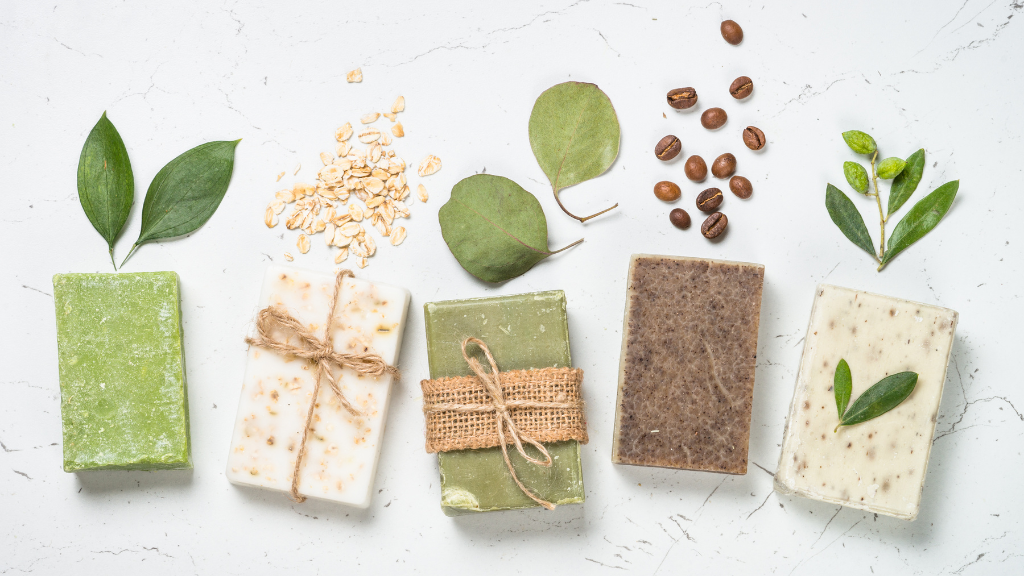
The best soap for natural skincare cleanses without stripping your skin, supports your skin barrier, and uses plant-based ingredients you can actually pronounce. For most people, that means African Black Soap for cleansing and acne-prone skin, shea butter soap for dry or sensitive skin, turmeric soap for an uneven complexion, and traditional handmade soaps like Madina and Sunaroma for daily use. If you're shopping for yourself or stocking products to sell in your own small business, this guide will walk you through what works and why.
What makes a soap "best" for natural skincare?
Natural soap is made with plant-based ingredients like oils, butters, herbs, and natural fragrances. It skips the synthetic detergents, parabens, sulfates, artificial dyes, and harsh fragrances that show up in most drugstore bars. Those ingredients clean your skin, but they often strip natural oils and leave skin tight, ashy, or irritated.
A good natural soap does three things at once. It cleans well, it keeps your skin's moisture barrier intact, and it adds something useful, whether that's a nourishing oil, an anti-inflammatory ingredient, or a gentle exfoliant. The soaps we cover below check all three boxes.
If you're building a skincare line or running a wholesale resale business, these are also the natural soaps that sell consistently. They have name recognition, repeat-buy potential, and a strong story behind them, which makes them easy to market.
African Black Soap: the best soap for natural skincare overall
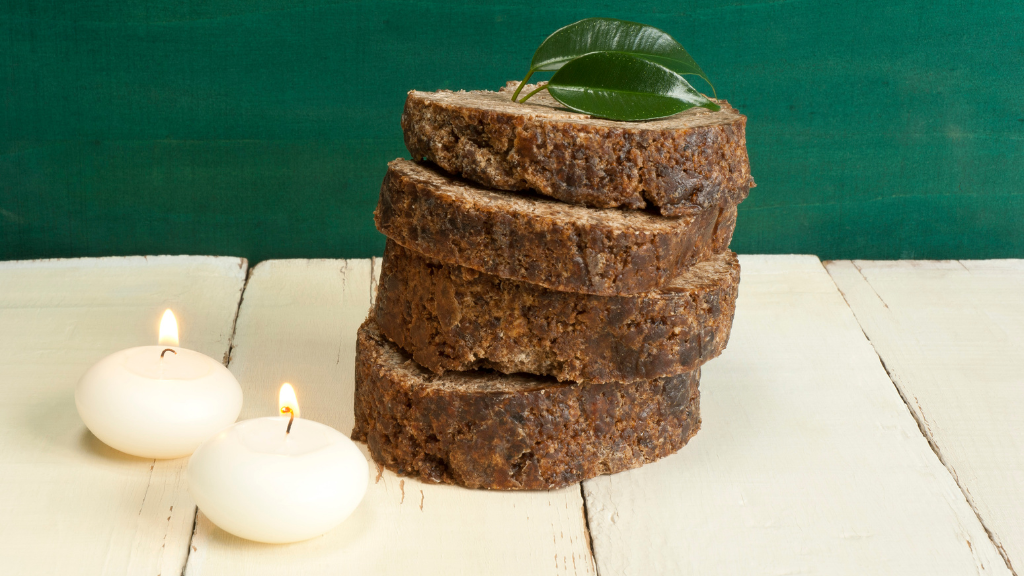
African Black Soap is the most well-known natural soap on the market, and for good reason. It's been used across West Africa for generations and has built a loyal following in the US natural beauty community over the last 20 years.
What African Black Soap is and where it comes from
Authentic African Black Soap is made primarily in Ghana and Nigeria from a short list of plant ingredients: dried plantain skins, cocoa pod ash, palm leaves, palm kernel oil, and shea butter. The plantain skins are sun-dried, then roasted in clay ovens until they turn dark. The roasted plantain skins are mixed with palm and palm kernel oil to form the soap base. Cocoa pod ash is added, which gives the soap its dark color and adds healing properties of its own.
Real African Black Soap is usually brown rather than fully black, with a slightly rough, crumbly texture and a natural, earthy smell. If you see a soap that's perfectly smooth and uniformly black, it's likely a commercial imitation rather than the real thing.
You may also see African Black Soap called Alata Samina, Anago Samina (both from the Twi language in northern Ghana), or Ose Dudu in Yoruba.
What black soap is good for
African Black Soap is popular because it works for a wide range of skin concerns at once. Here's what people commonly use it for:
- Daily cleansing: it removes dirt and oil without leaving skin tight or stripped, even on sensitive areas like the face and hands
- Acne-prone skin: the antibacterial properties of the plant ingredients may help reduce surface breakouts, and shea butter helps soothe inflamed spots
- Dark spots and hyperpigmentation: plantain skins are a natural source of vitamin A, which supports skin cell turnover. Over 2 to 3 months of consistent use, this may help fade post-acne marks and uneven tone
- Eczema-prone and dry skin: the shea butter and cocoa content adds moisture rather than removing it
- Razor bumps and post-shave irritation: gentle exfoliation from the rough texture helps prevent ingrown hairs
To be clear, African Black Soap is not a bleaching agent. It does not lighten your natural skin tone. What it may do is help even out discoloration over time, which is a very different thing.
Bar vs liquid black soap: which is right for you?
Most people start with bar soap because it's the traditional form and tends to last longer. The bar is also better if you want gentle exfoliation, since the texture itself does some of the work.
Liquid black soap and body washes are a newer format. They're easier to use daily, gentler on sensitive skin, and a better fit if you prefer a body wash routine. The active ingredients are the same as the bar, just dissolved in water with a few additions. Africa Imports carries both bar and liquid black soaps, so you can stock the format your customers prefer.
The best soaps for dark skin
Dark, melanin-rich skin has specific needs that lighter skin doesn't. It tends to be more prone to hyperpigmentation, post-inflammatory dark marks from acne or razor bumps, and dryness that shows up as ashiness. The best soap for dark skin keeps oils balanced, supports an even tone, and protects the skin barrier instead of breaking it down.
African Black Soap for hyperpigmentation and acne scars
For most people with melanin-rich skin, African Black Soap is the strongest natural option. The vitamin A in plantain skins supports skin cell turnover, which is the natural process of older skin cells shedding and being replaced. Over time, this may help fade post-inflammatory marks left behind by acne, razor bumps, or minor injuries.
Patience matters here. Expect 2 to 3 months of consistent, daily use before you see meaningful changes. And remember that black soap works with your natural skin tone, not against it. It does not lighten skin.
Shea butter soap for dry, melanin-rich skin
Shea butter is one of the most useful skincare ingredients for dark skin. It's rich in fatty acids and vitamins A and E, which help keep the skin barrier strong and lock in moisture. If your skin feels tight, ashy, or dull after washing, a shea-rich soap is usually a better fit than plain black soap.
You can buy shea butter soap as a standalone bar, or look for African Black Soap formulas that include extra shea butter. Both work well. Africa Imports stocks shea butter as a raw ingredient too, which is useful if you want to add it to your own homemade products or sell it alongside soap.
Turmeric soap for an even-toned complexion
Turmeric soap has gained a following in natural skincare for its anti-inflammatory properties. The active ingredient, curcumin, has been studied for its effects on skin redness, irritation, and uneven tone, and the turmeric soap benefits worth knowing go beyond a single bar. It's a popular pick for people whose skin looks dull or uneven, especially around the cheeks and forehead.
A patch test is essential before using turmeric soap. The yellow pigment can temporarily stain skin, and some people are sensitive to it. Use it once every other day at first and see how your skin responds before building up to daily use.
What to avoid in soaps for dark skin
Some products marketed for dark skin do more harm than good. Avoid these:
- Sulfates like SLS and SLES, which strip natural oils and leave dark skin feeling ashy
- Synthetic fragrances and dyes, which can trigger post-inflammatory hyperpigmentation in melanin-rich skin
- Skin lightening or hydroquinone products marketed as "brightening." These are not natural skincare. Many cause long-term damage and uneven patches
- Heavily drying alcohol-based bar soaps, which weaken the skin barrier
If a product promises to lighten or change your natural skin tone, walk away. The best soap for African American skin works with your tone, not against it.
Other natural soaps worth knowing about
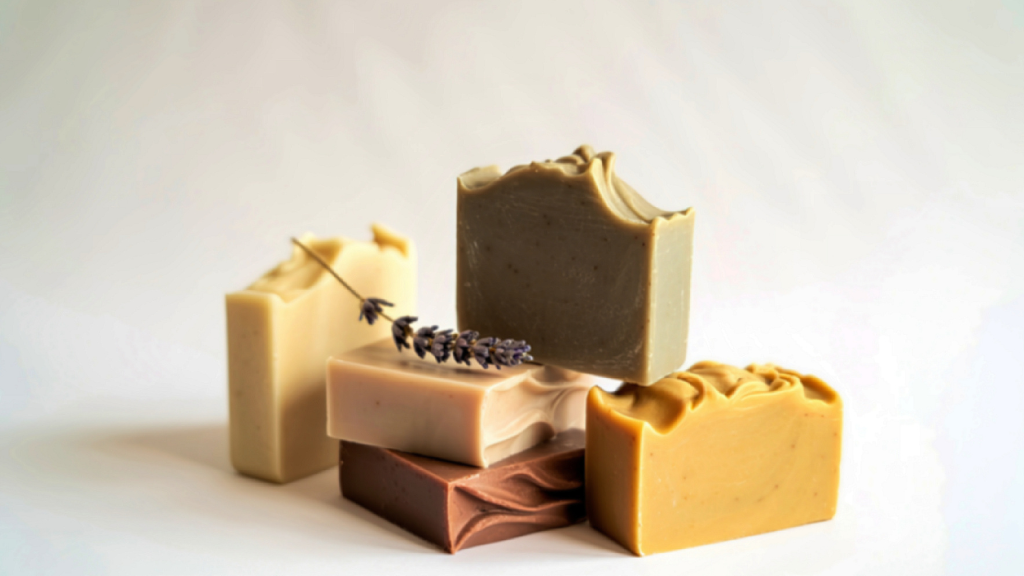
African Black Soap gets most of the attention, but it isn't the only natural soap on the market. Here are a few others worth knowing.
Madina soaps
Madina soaps are traditional African handmade soaps with herbal ingredients like neem, eucalyptus, and natural oils. Each variety targets a specific concern, from body odor to scalp care to dry skin. They're popular with customers who want a more targeted natural soap than a general black soap bar.
Sunaroma soaps
Sunaroma soaps are US-made natural soaps with shea butter and essential oils. They come in familiar shapes and scents, which makes them a good entry point for customers who are new to natural soap and want something that feels like a regular bar.
Dudu-Osun
Dudu-Osun is probably the most recognizable branded African Black Soap on the US market. Made by Tropical Naturals in Nigeria, it includes honey, shea butter, palm kernel oil, citrus, and aloe. It has strong customer loyalty in natural beauty communities and is often the first black soap people try.
Liquid black soap and body washes
For customers who find bar soap too rough or inconvenient, liquid black soap and body washes are the easier daily-use option. The core ingredients are the same as bar form, just dissolved in water for a smoother application.
How to use natural soap for the best results
Buying the right soap is only half the work. How you use it matters just as much.
For everyday cleansing
- Wet your skin with lukewarm water (hot water strips natural oils)
- Rub the bar between your hands or work it into a soft cloth to create lather. Don't apply the rough bar directly to your face, especially with a textured black soap
- Massage the lather onto your skin in gentle circles for 15 to 30 seconds
- Rinse fully. Leftover residue can be drying
- Pat dry with a soft towel and follow with a moisturizer like shea butter or a body lotion
For acne or hyperpigmentation
Start slow. Use the soap every other day at first to let your skin adjust. If your skin tolerates it well, build up to daily use over a week or two. Always follow with a moisturizer. Black soap can be drying on its own, and dry skin can actually make acne and dark spots worse.
If you have sensitive skin or known allergies to cocoa, coconut, or palm products, patch test on your inner arm for 24 hours before using the soap on your face.
For dry or eczema-prone skin
Choose a shea-rich formula, like Dudu-Osun or a dedicated shea butter bar. Use it once a day, ideally in the evening, and apply moisturizer to damp skin right after washing. This locks in hydration and gives your skin barrier the support it needs.
Soap shelf life and storage
Natural soaps absorb moisture from the air, which can lead to softening or mold over time. Keep your soap in a cool, dry place between 50 and 75°F, with humidity below 50%. Use a draining soap dish to keep the bar dry between uses.
If you're storing bulk soap for resale, keep it wrapped or sealed in containers until you're ready to label and ship. Poorly stored black soap can become brittle, too soft, or even moldy, and that's bad news for your customer reviews.
A note on natural soap and small business
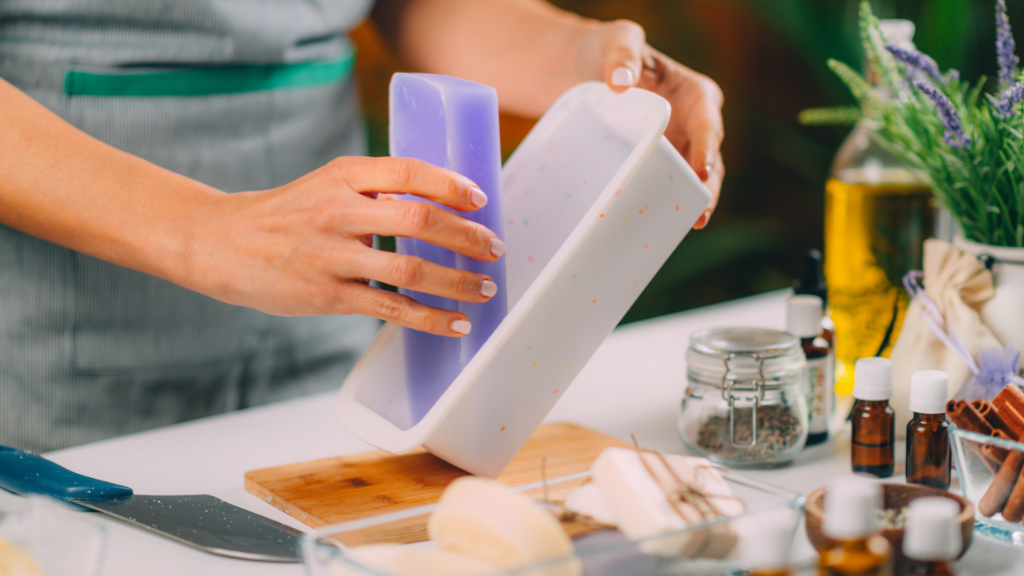
Natural soaps are one of the steadiest sellers for small skincare businesses. The reason is simple: clean ingredients, repeat-buy potential, and a clear story behind every bar.
If you're repackaging or private labelling, you can buy bulk soap from wholesale suppliers and rebrand it for your own spa, boutique, online shop, or pop-up. Africa Imports' wholesale prices typically leave room for retail margins of 50 to 70%, depending on your packaging and market.
Products that sell well together: pair an African Black Soap bar with a shea butter moisturizer and a carrier oil to create a full skincare set. Customers who buy one of these usually want all three, so bundling them at a small discount drives a higher average order value.
A quick compliance tip if you're selling. Don't make medical claims on your product labels. Saying your soap "moisturizes skin" is fine. Saying it "cures eczema" is not. That crosses into FDA drug territory and can get your business in real trouble. Stick to softer language like "may help support" or "traditionally used for."
Worth knowing: a large part of Africa Imports' profits go to charitable work in Africa, including funding schools, medical care, and skills training. When you buy wholesale soap from us, your order helps fund that work, and that's a story your own customers respond to.
Health and safety disclaimer
The information in this article is for educational purposes only and is not intended as medical advice, diagnosis, or treatment. Natural soaps discussed here are cosmetic products and are not intended to diagnose, treat, cure, or prevent any disease or skin condition. Individual results may vary. Always perform a patch test before using any new product on your skin. If you experience irritation or an allergic reaction, stop using the product and consult a healthcare professional.
FAQs about the best soap for natural skincare
Which soap is best for dark skin?
African Black Soap is the most popular natural soap for melanin-rich skin because it cleanses without stripping, supports the skin barrier, and may help fade hyperpigmentation over time. Shea butter soaps are also strong picks because they hydrate without clogging pores, which is useful if your skin tends to feel dry or ashy.
What is African Black Soap good for?
African Black Soap is used for acne-prone skin, hyperpigmentation, eczema-prone skin, razor bumps, and general daily cleansing. It's gentle enough for the face, body, and hands when used correctly. The shea butter and cocoa content adds moisture, while the plantain skins and palm kernel oil do the cleansing work.
Is African Black Soap good for sunburn?
Some people use African Black Soap or shea-based bars on sun-irritated skin because shea butter has soothing properties. That said, sunburn is a skin injury. The safer approach is to skip soap on the burned area until it heals, and use aloe or a calming moisturizer instead. Once the skin has fully healed, you can resume your normal soap routine.
Which soap is best for hormonal acne?
Hormonal acne is usually deeper than what a topical soap can address on its own. African Black Soap may help with surface-level breakouts and post-acne marks, but ongoing hormonal acne often needs a full skincare and lifestyle approach. Talk to a dermatologist if your breakouts are persistent, painful, or leaving scars.
Can African Black Soap really fade dark spots?
It may help fade dark spots over time because of the vitamin A in plantain skins, which supports skin cell turnover. Expect to see changes after 2 to 3 months of consistent daily use. Remember that black soap does not bleach or lighten your natural skin tone. What it can do is help even out discoloration left behind by acne, razor bumps, or sun damage.
Is black soap safe for sensitive skin?
For most people, yes, especially shea-rich formulas like Dudu-Osun. Patch test first by applying a small amount to your inner arm for 24 hours. If you have known allergies to cocoa, coconut, or palm products, check the ingredient list carefully before using any African Black Soap product.
How do I make dark skin look healthy and glowing?
A simple routine works best: cleanse with a natural soap suited to your skin type, moisturize daily with shea butter or a natural lotion, drink plenty of water, and protect your skin from sun damage. A healthy glow comes from well-hydrated, well-cared-for skin. It doesn't come from products that promise to lighten or transform your tone.
Where to buy wholesale natural soap
Africa Imports has been supplying natural soaps to US small businesses for over 25 years. We carry African Black Soap, Dudu-Osun, Madina, Sunaroma, Nubian Heritage soaps, shea butter soaps, and ready-made soap sets. Low minimum orders, fast US shipping, and dropshipping options make it easy whether you're just starting your business or scaling up your inventory.
A large part of our profits help fund schools, medical care, and skills training in Africa. When you buy from us, your business order supports real charitable work on the ground.
Shop our full range of wholesale natural soap to find what fits your customers.