 USD
USD  GBP
GBP  CAD
CAD  AUD
AUD 
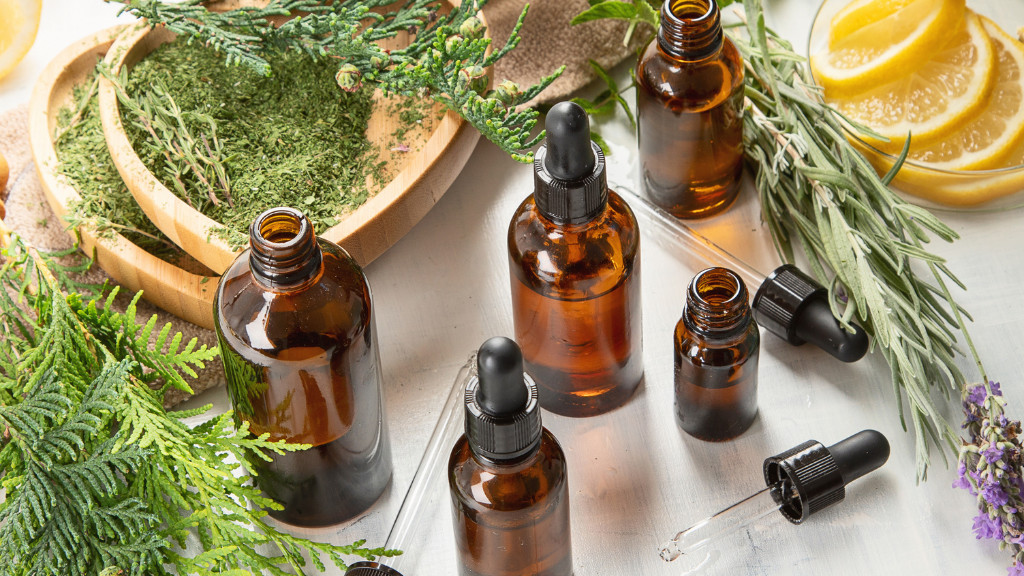
If you've ever used a citrus-scented candle, a brightening face serum, or a natural surface spray, there's a good chance lemon essential oil was behind that clean, sharp scent. It's one of the most widely used essential oils on the market, and for good reason. People reach for it for everything from aromatherapy and skin care to home cleaning and DIY product making.
This guide covers what lemon essential oil is, what the research says about its benefits, how to use it safely, and how small business owners can work it into their product lines. Africa Imports stocks lemon essential oil in 4 oz bottles at wholesale prices, so whether you're just starting out or scaling up, it's an accessible product to test and sell.
What Is Lemon Essential Oil?
Lemon essential oil is a concentrated oil extracted from the peel of fresh lemons. It's produced mainly through cold pressing, a process that pricks and rotates the peel to release the oil. Some producers use steam distillation instead, though cold pressing is the more common method for citrus oils.
The main active compound in lemon essential oil is limonene, a naturally occurring chemical that gives the oil most of its studied properties. The scent is bright, sharp, and citrusy.
One thing worth knowing: lemon essential oil is not the same as lemon juice or lemon extract. It's far more concentrated and is intended for external use only. These oils are most commonly used in aromatherapy and topical treatments when properly diluted with a carrier oil.
What Is Lemon Essential Oil Good For?
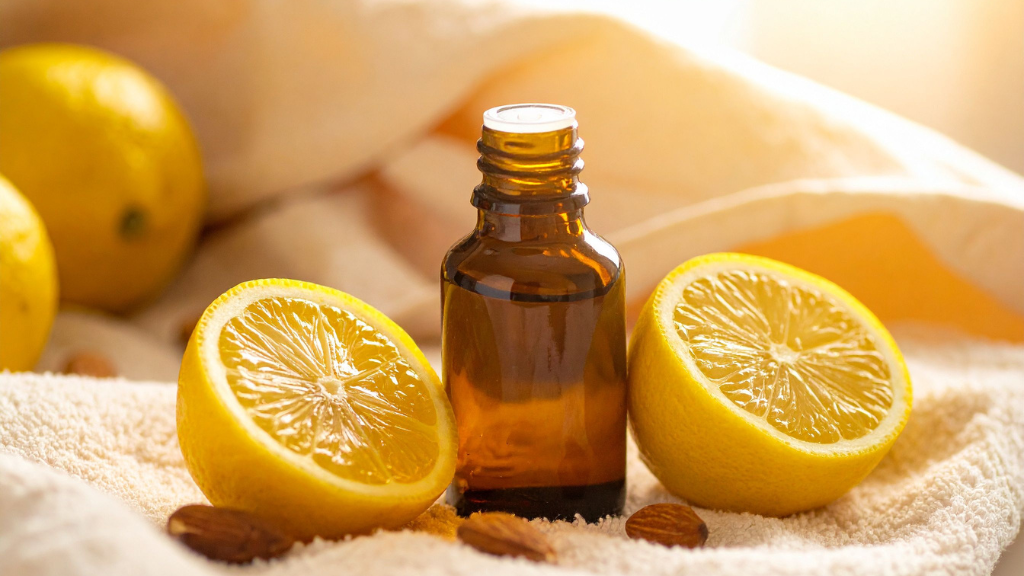
Lemon essential oil has several reported benefits backed by small studies and a long history of use in aromatherapy and natural skin care. The research is promising in a number of areas, though most studies are small and some have been conducted on animals rather than humans. Always follow the proper safety instructions before use, such as carrying out a patch test and never applying it to the skin undiluted.
Mood and Mental Wellbeing
One of the most popular uses for lemon essential oil is mood support. Many people diffuse it at home or at their workspace to feel more alert and uplifted.
A 2006 animal study found that mice who inhaled lemon oil vapor showed a reduction in stress-related behavior. A 2016 study looked at patients recovering from orthopedic surgery and found that lemon oil aromatherapy helped reduce feelings of anxiety during recovery. While these studies are limited in scope, they support what aromatherapy practitioners have long reported: lemon oil tends to lift the mood and clear the head.
Some people also keep it at their desk and inhale it directly from the bottle when they need a mental reset. It's not a treatment for anxiety or depression, but as a daily tool for focus and calm, many users find it useful.
Morning Sickness and Nausea
A 2014 study involving 100 pregnant women found that inhaling lemon oil aromatherapy led to a meaningful reduction in both the frequency and intensity of nausea and vomiting during pregnancy. This is one of the more widely cited studies on lemon oil and one of the reasons it's commonly recommended during the first trimester.
That said, pregnant women should always check with their healthcare provider before using any essential oil, including lemon. What works for one person may not be right for everyone, and guidance from a doctor is always the safer route.
Skin Health
Lemon essential oil has shown antibacterial properties in lab studies, with research demonstrating activity against common bacteria including Staphylococcus aureus and E. coli. These findings point to its potential value in skin care, particularly for people dealing with oily or acne-prone skin.
When properly diluted with a carrier oil, some people use lemon oil as part of a skin care routine to help keep skin looking clear. Its antioxidant properties also make it a popular addition to DIY serums and toners.
On hyperpigmentation: some people do use diluted lemon oil on uneven skin tone, and lemon's antioxidant content makes it an understandable choice. However, the clinical evidence is limited, and there's a meaningful catch. Lemon oil is a phototoxic oil, which means applying it to skin that's then exposed to sunlight can make hyperpigmentation worse rather than better. If you're using it on your face or any skin exposed to the sun, read the photosensitivity warning in the safety section first.
Always dilute before applying. Never use undiluted citrus oils on skin.
Immune Support and Antimicrobial Properties
Lab studies have shown that lemon essential oil has antimicrobial activity, which is one reason it's popular in natural cleaning products. People commonly add a few drops to homemade surface sprays as a way to freshen and clean countertops without synthetic chemicals.
Some research also points to anti-inflammatory potential. The limonene in lemon oil has been studied for its possible role in reducing inflammation, though most of that research has been done in animal or lab settings. Human studies are limited, and lemon oil should not be used in place of medical treatment for any inflammatory condition. On the PAA question of whether lemon oil helps with inflammation: the early research is interesting, but we're not there yet on strong clinical evidence for humans, so it’s important to use careful language with your customers.
Respiratory Comfort and Energy
The sharp, fresh scent of lemon oil makes it a go-to in diffusers when people want a natural pick-me-up. It's commonly used in the morning, during a workout, or when working through mental fatigue. Many people also reach for it when dealing with cold symptoms or congestion, using it in a diffuser to help the air feel fresher and easier to breathe.
One study, referenced by WebMD, found that an aromatherapy regimen that included lemon oil alongside other oils was associated with improved performance on cognitive tasks in people with Alzheimer's disease. This is early, limited research, and lemon oil is not a treatment for Alzheimer's or cognitive decline. But it adds to the body of evidence pointing to its usefulness as an aromatherapy oil for mental clarity and focus.
How to Use Lemon Essential Oil
This section is a quick reference for getting the most from lemon oil safely.
Aromatherapy: Add 3 to 5 drops to a diffuser filled with water. Use in a well-ventilated space and limit sessions to around 30 minutes. This is the easiest and safest way to use lemon oil, with no dilution needed.
Topical use: Always dilute lemon essential oil with a carrier oil before applying it to skin. A safe general ratio is 2 to 3 drops of lemon essential oil per teaspoon of carrier oil. Jojoba, sweet almond, and fractionated coconut oil all work well. Do a patch test on a small area of skin before applying more widely, and wait 24 hours to check for any reaction.
Household cleaning: A few drops added to a spray bottle of water and white vinegar makes a simple, natural surface cleaner. Useful on countertops and hard surfaces. Note that this is a general-purpose freshening spray, not a disinfectant.
What NOT to do:
Do not ingest lemon essential oil. Despite what you may read elsewhere, essential oils are not safe for internal use.
Do not apply undiluted to skin. Undiluted citrus oil can cause irritation or a chemical burn.
Do not apply to skin before going out in the sun. See the photosensitivity warning below.
Photosensitivity warning: Lemon oil is a phototoxic oil. When applied to skin that is then exposed to sunlight, it can cause redness, irritation, or burning, even in diluted form. Apply lemon oil only to areas of skin that will be covered, or avoid direct sun exposure for at least 12 hours after any topical application. This is one of the most important safety points for anyone using or selling lemon oil products.
Lemon Essential Oil for Your Business
This is where lemon essential oil really stands out for small business owners. It's one of the most familiar and universally liked scents out there, which makes it a strong seller across a wide range of product types.
Its bright, clean citrus scent works well in candles, soaps, body scrubs, facial toners, cleaning sprays, and reed diffuser blends. It blends well with lavender, eucalyptus, peppermint, tea tree, and other citrus oils like orange and grapefruit, giving you plenty of room to create signature scent combinations.
Some of the most popular product applications include lemon-scented soy candles, citrus body scrubs, natural surface cleaners, and diffuser blends. These are all product types with strong, consistent demand at markets, pop-up shops, and through online stores.
One note for formulators making topical products: because lemon oil is phototoxic, any skin-contact product that includes it should carry a label note advising customers not to use it before sun exposure. Candles, room sprays, and diffuser products are not affected by this concern, which is why they're a good starting point if you're new to working with lemon oil.
Africa Imports stocks lemon essential oil in 4 oz bottles at wholesale prices. It's a practical starting size for testing a new product line before scaling up. Every order placed with Africa Imports also helps fund schools, medical care, and skills training across Africa, so your business growth is doing some real good along the way.
SMALL BUSINESS TIP: If you're adding lemon essential oil to your product line for the first time, start with candles or room sprays. You get the full benefit of the bright citrus scent without any skin safety concerns to manage. When you're ready to move into body care, make sure your product labels note that customers should avoid sun exposure after applying.
Safety, Side Effects, and Who Should Be Careful
Lemon essential oil is safe for most people when used as directed, but there are a few things worth knowing before you start.
Photosensitivity is the most common concern. Skin that has had lemon oil applied to it can become red, irritated, or even blistered if exposed to sunlight. This applies even to diluted applications.
Lemon oil is for external use only. Do not ingest it.
People with sensitive skin should always patch test first and wait 24 hours before broader use.
Pregnant women should check with their healthcare provider before using any essential oil, including lemon.
Keep away from eyes and mucous membranes.
If you experience redness, irritation, or blistering after topical use, stop use immediately and wash the area with mild soap and water.
Frequently Asked Questions
What is lemon essential oil good for?
Lemon essential oil is most commonly used for aromatherapy, where it may help support mood, focus, and energy. When properly diluted, people also use it in skin care routines and DIY beauty products. It's widely used in natural cleaning sprays and is a popular ingredient in candles, soaps, and body scrubs.
Can I apply lemon essential oil directly to my skin?
No. Lemon essential oil must always be diluted with a carrier oil before applying to skin. Applying it undiluted can cause irritation or a chemical burn. A general dilution ratio is 2 to 3 drops per teaspoon of carrier oil.
Is lemon essential oil safe during pregnancy?
A 2014 study found that lemon oil aromatherapy helped reduce nausea in pregnant women. That said, pregnant women should always check with their doctor before using essential oils.
Does lemon oil help with hyperpigmentation?
Some people use diluted lemon oil on areas of uneven skin tone, but clinical evidence is limited. Because lemon oil increases photosensitivity, applying it to skin that's then exposed to sunlight can actually make hyperpigmentation worse. Speak with a dermatologist before using it this way.
Does lemon oil help with inflammation?
Lab and animal research suggest lemon oil may have some anti-inflammatory properties, linked in part to its limonene content. Human studies are limited, and lemon oil is not a substitute for medical treatment of any inflammatory condition.
Where can I buy lemon essential oil in bulk?
Africa Imports stocks lemon essential oil in 4 oz bottles at wholesale prices. It's a good starting point for small business owners looking to test it in a new product line before buying larger quantities.
What is eucalyptus lemon essential oil?
Eucalyptus lemon essential oil comes from a different plant than standard lemon essential oil. It has a lemon-like scent but its own set of properties. Africa Imports carries eucalyptus lemon essential oil separately, in 1 oz bottles.
Health and Safety Disclaimer:
The information in this article is for educational purposes only and is not intended as medical advice. Lemon essential oil is not a treatment or cure for any medical condition. Always consult a qualified healthcare professional before using essential oils, especially if you are pregnant, nursing, or have a medical condition. Essential oils are for external use only. Keep out of reach of children.