 USD
USD  GBP
GBP  CAD
CAD  AUD
AUD 
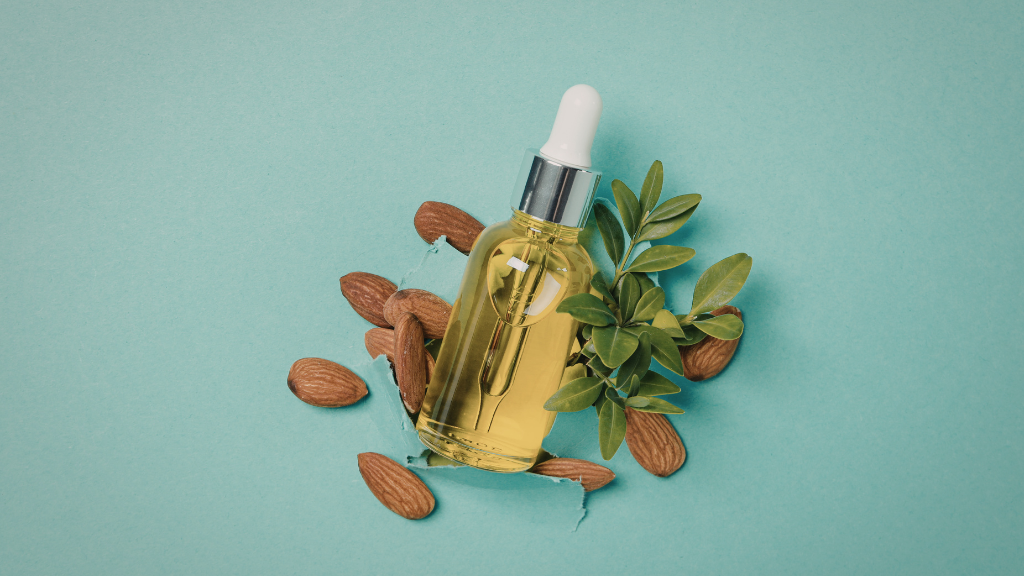
If you've been using argan oil in your hair routine, you're already onto one of the most popular carrier oils in natural haircare. But what does it actually do, and how do you get the most out of it? Argan oil comes from the kernels of the argan tree, native to southwestern Morocco, a region protected as a UNESCO Biosphere Reserve.
What Is Argan Oil?
Argan oil is cold-pressed from the kernels of the argan tree (Argania spinosa), native to southwestern Morocco. The argan tree grows in a region protected as a UNESCO Arganeraie Biosphere Reserve, and the trees themselves are long-lived and slow-growing. Traditionally, Moroccan women's cooperatives have extracted the kernels by hand and cold-pressed them to produce the oil, a process that has been passed down for generations.
The oil ranges from amber to golden in color and has a mild, slightly nutty scent. There are two types of argan oil: cosmetic grade, used in hair and skin care, and culinary grade, used in cooking. This article focuses on cosmetic grade.
When you're buying pure argan oil, the ingredient label should list one thing only: Argania spinosa kernel oil. The key nutrients in cosmetic argan oil include oleic acid (typically 43 to 49 percent of the fatty acid content), linoleic acid (around 29 to 36 percent), vitamin E (tocopherol), antioxidants, polyphenols, and squalene. These are what make it useful for conditioning hair and supporting skin health.
Argan Oil Benefits for Hair
This is what most people come looking for. Here's a clear breakdown of what argan oil can and can't do for your hair. Keep in mind that results vary by hair type and how you use it. None of these benefits are guaranteed, and the language used here reflects what research and dermatologists currently support.
Moisture and Frizz Control
The fatty acids in argan oil coat the hair shaft and can help lock in moisture. Many people find it smooths the hair cuticle, which reduces frizz and flyaways without leaving a greasy residue. It works on both wet and dry hair. As Cleveland Clinic dermatologist Shilpi Khetarpal, MD, explains, argan oil adds a lighter moisture that won't weigh hair down while also supporting the hair's overall condition.
Heat and Styling Protection
Argan oil forms a barrier around the hair shaft that can help protect against heat damage from blow-dryers and flat irons. A 2013 study published in the Journal of Cosmetics, Dermatological Sciences and Applications found that argan oil improved the quality of hair that had been intensely colored or dyed. It's worth applying a few drops before heat styling as part of your regular routine.
Shine and Elasticity
The vitamin E and antioxidants in argan oil may help improve hair's elasticity over time, which can reduce breakage. It also adds visible shine without silicone-based ingredients. Applied to dry, styled hair, it works well as a finishing touch to smooth the surface of the hair.
Scalp Support
Argan oil's anti-inflammatory properties may help calm a dry, itchy scalp for some people. That said, it's not the right choice for everyone. Cleveland Clinic's Dr. Khetarpal advises caution for people with oily hair, as overusing oil on the scalp can contribute to seborrheic dermatitis (commonly known as dandruff) by encouraging an overgrowth of yeast on the scalp. If you have oily hair or a history of dandruff, use argan oil on the lengths and ends only, and keep it away from the scalp.
May Support Hair Health Over Time
Regular use of argan oil may help reduce breakage by conditioning and strengthening the hair shaft. Less breakage over time supports length retention, which is particularly relevant for people with natural and textured hair who are focused on growth.
One important note: there is currently limited clinical evidence that argan oil directly stimulates hair follicles or causes new growth. Some sources suggest that antioxidants in argan oil may create better conditions for healthy hair, but this has not been proven in strong clinical studies. If you see argan oil promoted as a hair growth treatment, approach that claim with caution. What it does well is condition, protect, and reduce the kind of breakage that makes it harder to retain length.
Argan Oil Benefits for Skin
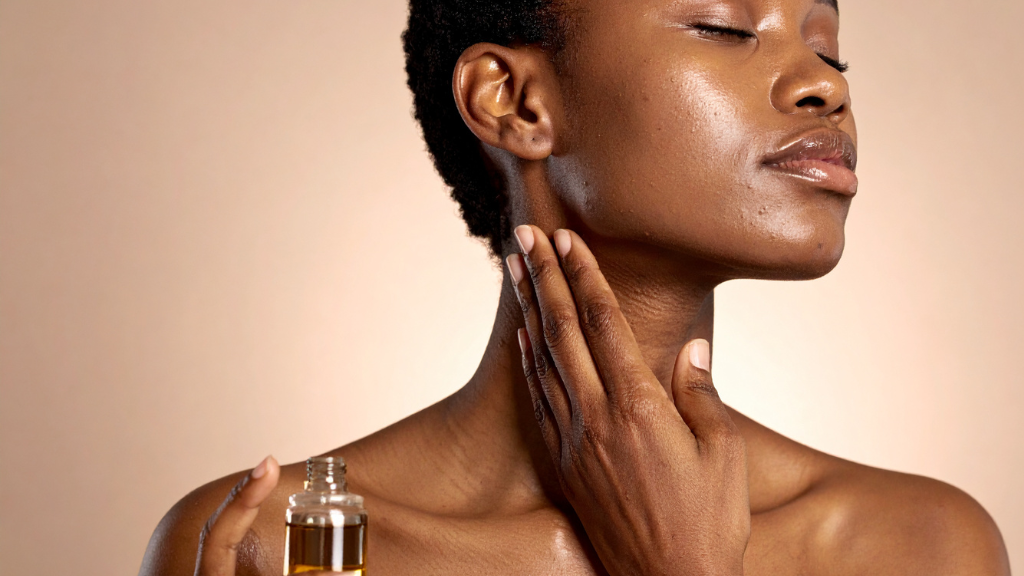
Argan oil is just as useful for skin as it is for hair. It absorbs easily and is suitable for most skin types, making it a practical option for facial moisturizing, body care, and more.
It may help with dry, sensitive skin conditions such as eczema and psoriasis, though anyone dealing with these conditions should patch test first and consult a dermatologist. Its anti-inflammatory properties can help calm irritated skin, and research shows it can support the skin's natural moisture barrier and improve overall texture. It works on the face, body, cuticles, and as an after-sun treatment.
One thing to keep in mind: argan oil won't significantly affect acne scars or stretch marks. Cleveland Clinic's Dr. Khetarpal makes this point clearly. It's a good moisturizer, but it isn't a scar treatment.
Reminder: always patch test before applying argan oil to a large area of skin, and consult a dermatologist if you have an existing skin condition.
How to Use Argan Oil on Your Hair
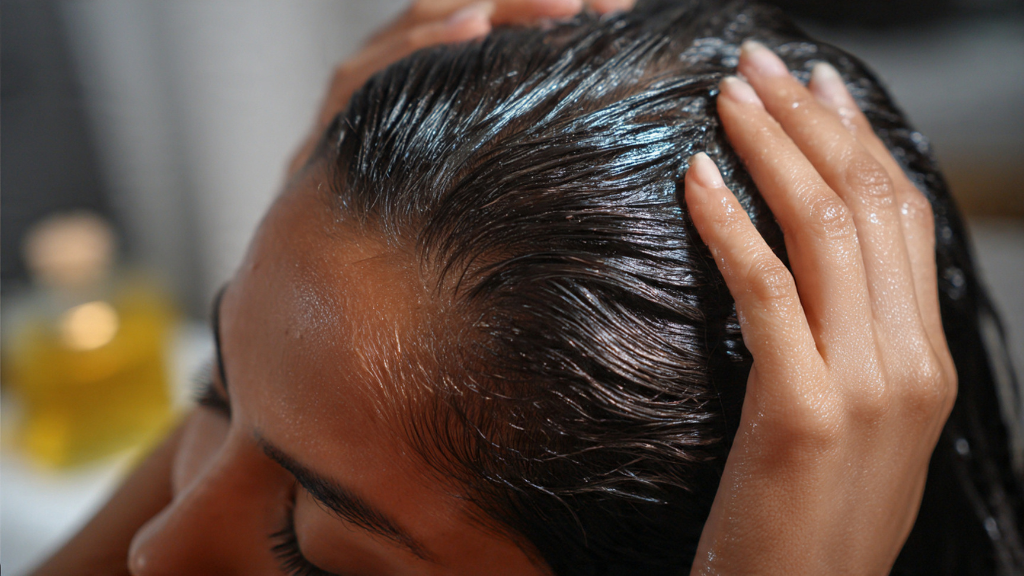
How you apply argan oil matters as much as how often you use it. Here are the main methods, plus a direct answer to one of the most common questions: is it better on wet or dry hair?
As a Leave-In Treatment on Wet Hair
Apply a few drops to towel-dried, damp hair. Work from mid-lengths down to the ends. Avoid applying to the roots or scalp if your hair is fine or oily. Style as normal. It works well under heat tools. This method is best for frizz control, moisture, and heat protection.
As a Finishing Serum on Dry Hair
Warm one or two drops between your palms, then smooth over the surface of your already-styled hair. This targets flyaways and adds shine. Start with less than you think you need. You can always add more, but too much will make hair look weighed down. This method is best for shine and smoothing.
As a Deep Conditioning Mask
Apply a generous amount to dry hair from roots to ends. Cover with a shower cap. Leave it on for 30 minutes to an hour. For dry or damaged hair, some people leave it overnight, though this isn't recommended for fine or oily hair types. Shampoo out thoroughly when done. You may need to shampoo twice to remove it fully. This method is best for dry, damaged, or chemically treated hair.
Wet vs. Dry Hair: Which Is Better?
Both work, but the method changes based on what you're trying to do. On wet hair, argan oil absorbs more deeply and works better for conditioning and heat protection. On dry hair, it's better for targeted frizz control and adding shine. If you have fine hair, always start with a single drop and build up only if needed. More is not always better with argan oil.
Argan Oil for Different Hair Types
Fine or thin hair needs a light touch. Use one to two drops maximum and avoid the scalp entirely. You can also mix a few drops into your shampoo or conditioner rather than applying it directly. This gives you the conditioning benefits without the risk of weighing hair down.
Thick or coarse hair can handle a larger amount. It works especially well as a pre-wash treatment or overnight mask on this hair type.
Curly and coily hair, including 4a, 4b, and 4c textures, benefits from argan oil applied on top of water-based products. It can help seal moisture in, pairs well with shea butter or leave-in conditioners, and may reduce shrinkage and breakage. This is particularly relevant for Africa Imports' core customer base. Many of our customers are building natural hair and beauty product lines for this exact audience.
Color-treated or chemically relaxed hair can benefit from argan oil's moisture-retaining properties. It may help reduce breakage that comes with chemical processing. The 2013 study mentioned earlier supports its use specifically in color-treated hair.
Dry or damaged hair generally responds well to argan oil used as a mask or overnight treatment.
Argan Oil vs. Castor Oil: Which Should You Choose?
This is one of the most common questions people have, and the short answer is: they're different oils for different purposes. Neither one is universally better.
Argan oil is lightweight and absorbs fast. It's good for daily use, works well for shine, frizz control, and conditioning, and suits all hair types. Castor oil is thick and slow to absorb. It's typically used for targeted scalp treatments and for eyebrow and lash growth. It's too heavy for fine hair unless it's blended with a lighter carrier oil.
If you're looking for an oil for daily hair conditioning and finishing, argan oil is the more practical choice for most people. If you want an intensive scalp treatment or are building a length retention blend, some people combine both oils. Africa Imports stocks both argan oil and castor oil at wholesale prices, so you can test both or formulate with them together.
Selling and Formulating With Argan Oil: A Guide for Small Business Owners
Argan oil is one of those ingredients that sells itself. Consumers already know what it is and want it. Here's what you need to know to use it well in your product line.
For product formulators, argan oil works in hair serums, leave-in conditioners, shampoos, conditioners, face oils, and body lotions. In finished formulations, a typical usage rate is 2 to 10 percent depending on the product type. It pairs well with jojoba oil, sweet almond oil, vitamin E oil, and essential oils like rosemary or lavender. It's a stable oil with a shelf life of around two years when stored in a cool, dark place in an airtight container. On your ingredient labels, pure argan oil should be listed as Argania spinosa kernel oil.
For resellers, argan oil has strong retail appeal across natural hair, skincare, and wellness markets. It's easy to position as a multi-use product for both hair and skin, which means customers get more value from a single purchase. Africa Imports stocks pure argan oil in 4 oz, 1 lb, and 1 gallon sizes, giving you options whether you're just starting out or running large-scale production.
For spa and wellness professionals, argan oil works well in scalp treatment services, hot oil treatments, and facial massage. It's lightweight enough for professional facial use without clogging concerns for most clients. It pairs well with steam treatments for deep conditioning services.
Every order you place with Africa Imports also helps fund real charitable work in Africa, including schools for orphaned children, medical care, and skills training for adults. That's the kind of business story that resonates with customers too.
Frequently Asked Questions
What does argan oil do for your hair?
Argan oil coats the hair shaft with fatty acids that help lock in moisture, reduce frizz, and add shine. It can also help protect hair from heat styling. Many people use it as a leave-in conditioner, finishing serum, or deep conditioning mask. Results vary depending on your hair type and how you apply it.
Is argan oil or castor oil better for hair?
They do different things. Argan oil is lightweight and good for daily conditioning, frizz control, and shine. Castor oil is thicker and better suited to scalp treatments and intensive moisture work. Neither is better overall. The right choice depends on what your hair needs.
How do you properly use argan oil on your hair?
On wet hair, apply a few drops from mid-lengths to ends after towel-drying and style as normal. On dry hair, warm one to two drops between your palms and smooth over styled hair for shine and frizz control. For a deep conditioning treatment, apply generously to dry hair, cover with a shower cap for 30 to 60 minutes, then shampoo out.
Is it better to put argan oil on wet or dry hair?
Both work, but the results differ. On wet hair, it absorbs more deeply and works better for conditioning and heat protection. On dry hair, it targets frizz and adds shine. Start with less than you think you need, especially on fine hair.
Can I use argan oil on my hair every day?
For most hair types, light daily use is fine, especially as a finishing serum or leave-in. If your hair is fine or you have an oily scalp, use it sparingly and keep it away from the roots. Daily scalp application is not recommended for people prone to dandruff.
Does argan oil help with hair growth?
There is limited clinical evidence that argan oil directly stimulates hair follicle growth. What it does well is reduce breakage and improve the condition of the hair shaft over time. Less breakage means better length retention, which many people associate with growth. Be cautious about any product that makes strong hair growth claims based solely on argan oil.
What should I look for when buying argan oil?
Look for 100% pure argan oil with a single ingredient: Argania spinosa kernel oil. Avoid products with added fragrances, preservatives, or long ingredient lists, as these can dilute effectiveness and irritate sensitive skin. Pure argan oil is typically sold in dark glass bottles to protect the oil from light. Africa Imports stocks both pure and organic options in multiple sizes.
Can argan oil be used on all hair types?
Yes, though the amount and method vary. Fine hair needs just a drop or two, applied to ends only. Thick, coily, or coarse hair can handle more and benefits from pre-wash or overnight treatments. For curly and coily textures, argan oil works well layered over water-based products to seal in moisture.
Health and Safety Disclaimer
The content in this article is provided for general educational and informational purposes only. It is not intended as medical advice, and it should not be used to diagnose, treat, cure, or prevent any health condition. Argan oil has not been evaluated or approved by the FDA for medical use.
Individual results from using argan oil on hair or skin will vary. What works well for one person may not work the same way for another. Always do a patch test before applying any new oil to a large area of skin or hair. Apply a small amount to the inside of your wrist or behind your ear, wait 24 hours, and check for any signs of irritation before proceeding.
If you have an existing skin condition such as eczema, psoriasis, or seborrheic dermatitis, or if you have a scalp condition, speak with a dermatologist before adding argan oil to your routine. If you are pregnant, nursing, or managing a medical condition, consult your healthcare provider before use.
Africa Imports does not make medical claims about its products. Product descriptions and blog content are educational in nature and are not a substitute for professional medical advice.