 USD
USD  GBP
GBP  CAD
CAD  AUD
AUD 
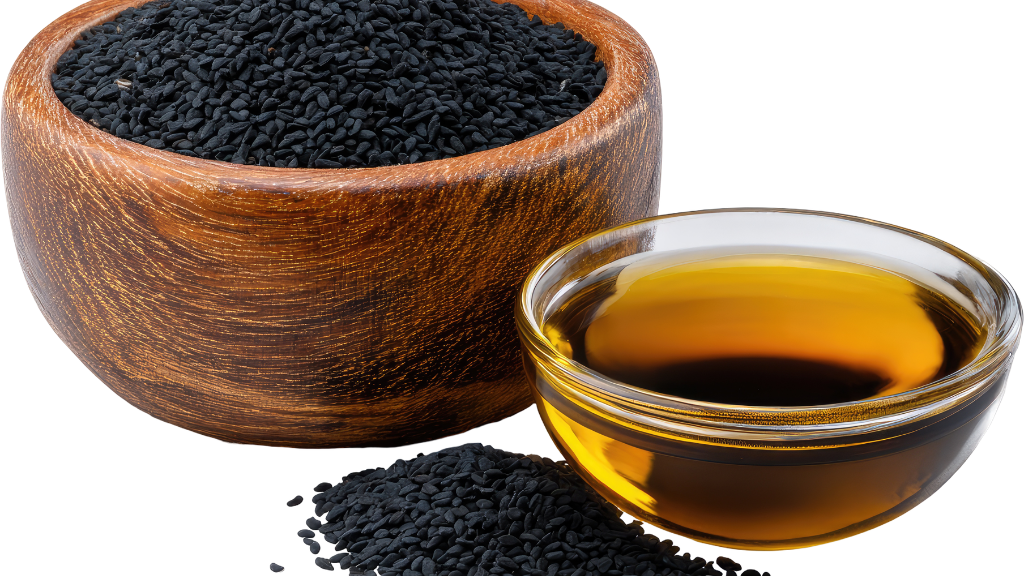
If you've heard about black Jamaican castor oil for hair and wondered whether it actually delivers, you're not alone. It's one of the most talked-about oils in the natural hair community, with a long history of use for moisture, growth support, and scalp care, particularly among women with afro-textured hair.
The castor bean is native to Eastern Africa and made its way to Jamaica through the slave trade. Jamaicans developed the roasting method that produces the distinctive dark oil we know today, and that tradition has carried through generations. Black Jamaican castor oil is now one of the most recognized names in natural hair care, trusted by millions of people across the U.S. and used widely in professional and DIY hair care routines.
Africa Imports carries black Jamaican castor oil at wholesale prices, making it easy for small business owners to stock, resell, or use it in their own product lines. But whether you're building a business or just want to know what this oil can do for your hair, this guide covers everything you need to know.
What Makes Black Jamaican Castor Oil Different from Regular Castor Oil
Not all castor oil is the same. Understanding the difference helps you choose the right product and explain it clearly to your own customers.
Regular castor oil, often called yellow castor oil, is cold-pressed from raw castor beans. The process produces a pale, light-colored oil with a relatively neutral smell.
Black Jamaican castor oil is made differently. The beans are roasted first, then the oil is extracted through heat. That roasting process produces ash, which raises the pH of the finished oil, making it more alkaline than regular castor oil. That higher alkalinity may help open the hair cuticle slightly, which could allow moisture to enter the hair shaft more effectively. Keep in mind that formal research specifically on JBCO is limited, so this is based on how the chemistry is understood to work rather than clinical proof.
The result is a thick, dark brown oil with a distinctive smoky, earthy smell. That smell is completely normal and is a natural result of the roasting process. If an oil claiming to be authentic JBCO has no scent, that's worth questioning.
Both regular castor oil and JBCO contain ricinoleic acid, an omega-9 fatty acid, along with omega-6 fatty acids and vitamin E. JBCO is considered an unrefined oil, meaning it goes through less processing and retains more of its naturally occurring compounds.
One important note: JBCO is a carrier oil, not an essential oil. This distinction matters, especially if you're selling it or using it in product formulations. Carrier oils are used as the base of a product or applied directly to skin and hair. Essential oils are highly concentrated plant extracts that always need to be diluted before use. JBCO falls firmly in the carrier oil category.
Black Jamaican Castor Oil Benefits for Hair
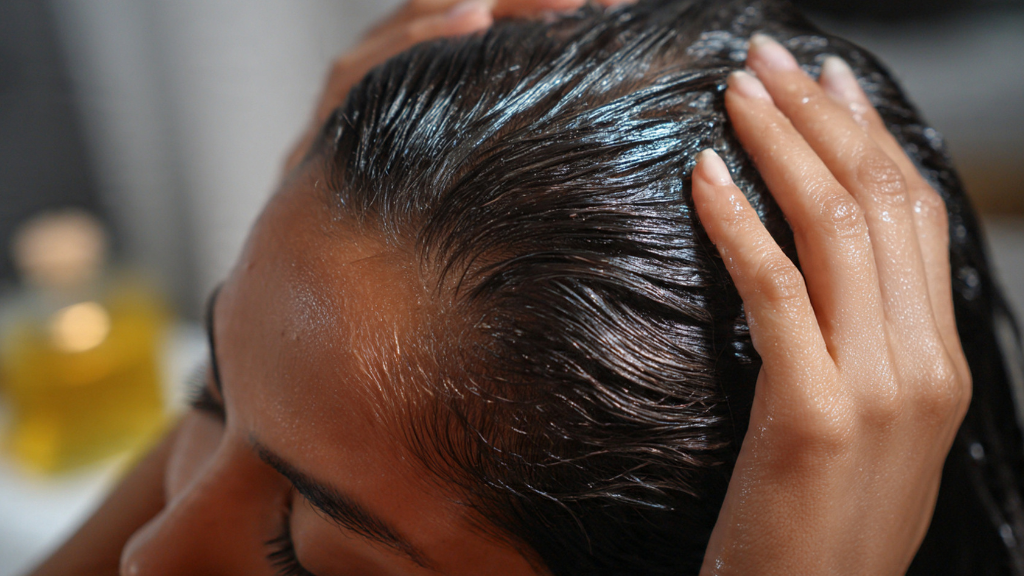
This is where most people start, and for good reason. JBCO has been used in the Black hair community for generations, and while large-scale clinical studies on its specific effects are limited, the reported benefits are consistent and well-documented in community experience.
Supporting Hair Growth and Thickness
JBCO has long been popular for supporting hair growth, particularly for thinning edges and areas around the crown. Ricinoleic acid is thought to improve blood circulation to the scalp when massaged in, which may support healthier follicle activity. This hasn't been proven in large clinical trials, but the theory is grounded in how improved scalp circulation generally supports hair health.
Many people report seeing visible improvements in thickness within 6 to 12 weeks of regular use. Those results are user-reported rather than clinically measured, but they're consistent enough across the community to carry real weight.
JBCO tends to work especially well for afro-textured and 4c hair. Those hair types respond well to heavier, richer oils, and JBCO's thick consistency makes it one of the more effective options for providing the lasting moisture and scalp stimulation that supports growth.
For a full walkthrough of how to apply it for growth specifically, see the application section below.
Deep Conditioning and Moisture Retention
JBCO is a natural humectant, which means it attracts moisture from the environment and holds it in the hair shaft. That property, combined with its thick, emollient texture, makes it one of the most popular choices as a black castor oil deep conditioner for dry, brittle, or damaged hair.
This is particularly relevant for coily and 4c hair types. Because the curl pattern is so tight, natural scalp oils struggle to travel down the hair shaft, which leaves the ends chronically dry. JBCO can help bridge that gap by adding and locking in moisture along the full length of the hair.
It can be used as a standalone deep conditioning treatment or added to an existing conditioner to boost moisture. Most people report softer, more manageable hair within 2 to 4 weeks of consistent use. That's a commonly reported timeline, not a guarantee, since results depend on hair type, porosity, and how it's used.
Scalp Health
JBCO has reported antimicrobial and antifungal properties that may help soothe dry, itchy, or irritated scalps. It's been traditionally used as a home remedy for dandruff and scalp dryness in both Caribbean and African communities for generations.
Massaging the oil into the scalp also helps improve blood circulation, which supports a healthier scalp environment overall.
One note: if you have a very oily scalp, use JBCO sparingly. It's a heavy oil, and applying too much to an already oily scalp can make things worse rather than better.
Reducing Breakage and Strengthening Hair
The omega-6 and omega-9 fatty acids in JBCO coat the hair shaft, which may help reduce moisture loss and improve strand flexibility. Many people report less breakage and fewer split ends with regular use, though again, this is based on user experience rather than clinical data.
JBCO works well as a protective treatment before heat styling or chemical processing. Applied to the hair beforehand, it can help reduce the damage those processes cause. It can also be applied specifically to ends for targeted split end management between washes.
H2: How to Use Black Jamaican Castor Oil on Hair
Knowing the benefits is one thing. Knowing how to actually apply JBCO makes the difference between results and frustration. Here's how to use it across the most common applications.
As a Deep Conditioning Treatment
A Jamaican black castor oil deep conditioning hair treatment is one of the most effective ways to use this oil, especially if your hair is dry, brittle, or showing signs of breakage. Here's how to do it step by step.
- Prepare. Wear an old shirt or protective clothing, as JBCO can stain. Pour a small amount of oil into a container. A little goes a long way with this oil, so start with less than you think you'll need. Keep a warm towel or hair cap nearby. If you prefer not to apply with your fingers, an applicator brush or bottle works well.
- Apply. Section your hair into four parts. Start at the scalp, applying the oil with your fingertips in small circular motions. This increases blood circulation and gives you a light scalp massage at the same time. Once you've covered the scalp, work the remaining oil from root to tip through each section.
- Wait. Wrap your hair in a warm towel or cover with a hair cap. Leave on for at least 30 minutes. For a more intensive treatment, you can leave it on for up to two hours.
- Shampoo. Wash out with your usual shampoo and conditioner. JBCO is thick, so you may need to shampoo twice to fully remove it.
Deep condition once or twice a week for best results. Signs that a treatment is needed include brittle hair, excessive breakage, or a dry, itchy scalp.
As a Scalp Treatment for Growth
Apply a small amount directly to the scalp using your fingertips or an applicator bottle. Massage in circular motions for 3 to 5 minutes to support circulation. Leave it overnight or for several hours before washing.
If JBCO feels too heavy on its own, mix it with a lighter carrier oil like jojoba or argan oil before applying. This makes it easier to work through the hair and can improve how it absorbs.
As an Edge and Ends Treatment
For edges, apply a very small amount using your fingertips and smooth down. For split ends, apply to dry hair ends between washes.
Because JBCO is thick, less is more. Start with a small amount and only add more if you need it. Using too much at once can lead to buildup and make hair feel heavy.
Can You Use Black Castor Oil Every Day?
Daily use is generally not recommended for most hair types. JBCO is a heavy oil, and using it too often can lead to product buildup, especially on fine hair or low-porosity hair where the oil may sit on top of the hair shaft rather than absorbing into it.
For most people, 2 to 3 times a week is a practical starting point. Those with very dry or coily hair may be able to tolerate more frequent use than those with fine or low-porosity hair. The best approach is to monitor how your hair responds and adjust from there.
What Are the Limitations of Black Castor Oil for Hair?
Competitors rarely talk about this. We think it's worth being straight with you.
JBCO is a genuinely useful oil for many hair types, but it's not right for everyone in every situation. Here's what to know before you commit to a routine.
Product buildup is a real risk with overuse. JBCO is thick and doesn't absorb the way lighter oils do. If you use it too often, particularly on fine hair or low-porosity hair, it can sit on top of the hair and scalp rather than doing any work. If you notice your hair feeling heavy or greasy, cut back on frequency and use a clarifying shampoo to reset.
The texture can be difficult to wash out. Because JBCO is so thick, it may take more than one shampoo to fully remove it. This is normal, but worth knowing before you apply it the night before a special occasion.
Skin and scalp sensitivity is possible. Some people experience irritation or allergic reactions when using JBCO. Always do a patch test on a small area of skin before applying it to your full scalp.
Results take time. JBCO is not a quick fix. Consistent use over weeks to months is what produces the results people talk about. If you're expecting significant growth or damage repair in a week, you're likely to be disappointed.
The research is limited. Most of the evidence supporting JBCO for hair is anecdotal and community-reported. Formal clinical studies specifically on black Jamaican castor oil for hair are limited. That doesn't mean the oil doesn't work, but it does mean you should approach any specific claims with realistic expectations.
The potential benefits described in this article are based on traditional use and community reports. They are not intended as medical advice and have not been evaluated by the FDA. Always do a patch test before use, and consult a healthcare professional if you have scalp conditions or skin sensitivities.
JBCO for Your Business: Stocking and Reselling
Black Jamaican castor oil is one of the fastest-moving products in the natural hair care market. Customers in the Black hair community know what it is, they trust it, and many already have a routine built around it. That brand recognition makes it one of the easiest wholesale oils to bring into your product line.
Small businesses selling at pop-up shops, beauty fairs, and online stores consistently report JBCO as one of their top-selling oils. It has strong repeat purchase behavior, meaning customers come back for it once they find a source they trust.
It also works across multiple product formats. You can sell it as-is in small labeled bottles, add it to conditioners, build it into DIY deep conditioning kits, or bundle it with lighter carrier oils like argan or jojoba to create a hair growth set. That flexibility makes it a strong product for businesses at any stage.
Africa Imports stocks JBCO in multiple sizes, from retail-ready 4 oz bottles to bulk 1-gallon and 5-gallon options. Whether you're just starting out or you're scaling an existing product line, there's a size that fits where you are.
Every order from Africa Imports also helps fund schools, medical care, and skills training in African communities. Over half of our profits go directly to that charitable work, so your purchase makes a difference beyond the product itself.
Selling JBCO at Pop-Ups and Online
JBCO is one of the easiest wholesale oils to resell because customers already know what it does and they trust it. Here's what works well for small business owners:
Sell it in 2 to 4 oz bottles with a simple private label. Customers at pop-up shops and beauty fairs are familiar with the product and often buy on sight.
Bundle it with a lighter carrier oil like jojoba or argan to create a hair growth kit. This increases your average order value with minimal extra cost.
Stock a version specifically labeled for deep conditioning use. Bottles positioned for conditioning sell well to the natural hair care audience, who often search specifically for a jamaican castor oil deep conditioner.
Shelf life for JBCO is typically around 1 to 2 years when stored in a cool, dark place. Buy in bulk to save on unit cost, but consider your turnover before ordering gallons if you're just starting out.
Frequently Asked Questions
What does black castor oil do for hair?
Black Jamaican castor oil may help support hair growth, reduce breakage, and deeply condition dry or damaged hair. It contains ricinoleic acid, omega fatty acids, and vitamin E, which work together to nourish the scalp and coat the hair shaft. Many people with coily or afro-textured hair use it as their go-to deep conditioning oil.
How long does it take to see results from black castor oil?
Most people report softer, more manageable hair within 2 to 4 weeks of regular use. For visible growth or significant breakage reduction, consistent use over 6 to 12 weeks is typically needed. Results vary based on hair type, how often the oil is applied, and your overall hair care routine.
Can I put black castor oil in my hair every day?
Daily use is generally not recommended. JBCO is a heavy oil and can build up on the scalp and hair shaft with too-frequent use. Two to three times a week is a practical starting point for most people, with adjustments based on how your hair responds.
What is the difference between black castor oil and regular castor oil?
Regular castor oil is cold-pressed from raw beans and is light yellow in color. Black Jamaican castor oil is made from roasted beans, giving it a darker color, smokier smell, and higher pH. The roasting process is thought to create an oil that may open the hair cuticle more effectively, though formal research is limited.
Is black castor oil good for 4c hair?
Yes. JBCO is especially popular in the natural hair community for 4c and afro-textured hair because its thick, emollient texture provides the heavy moisture those hair types often need. It works well as a deep conditioner, scalp treatment, and pre-shampoo treatment.
What are the disadvantages of castor oil for hair?
The main drawbacks are product buildup from overuse, difficulty washing out due to its thick texture, and the possibility of scalp irritation in some people. It's also a slow-working oil. Results from regular use typically show over weeks to months, not days. Patch testing before full application is always a good idea.