 USD
USD  GBP
GBP  CAD
CAD  AUD
AUD 
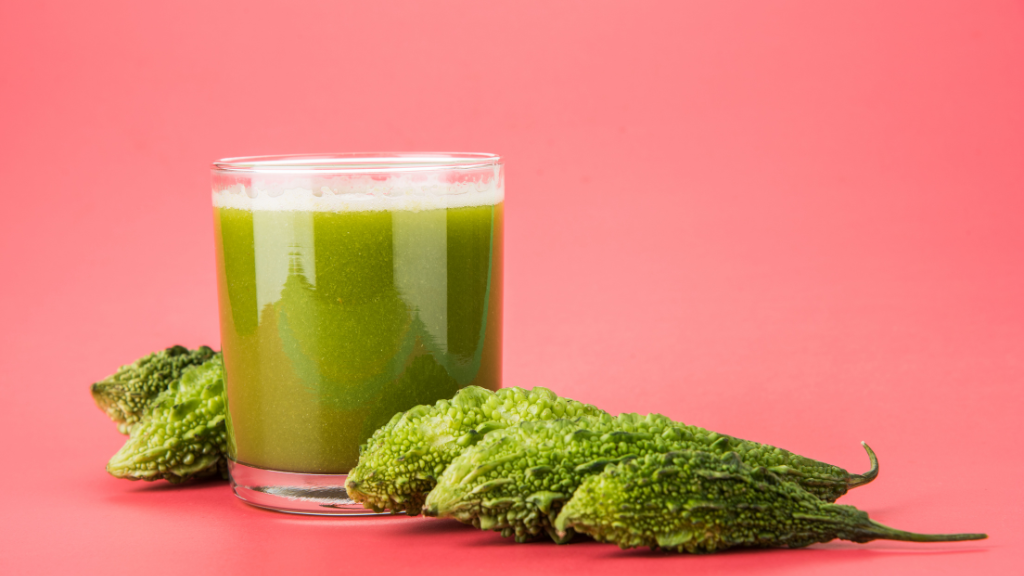
If you've been hearing more about digestive bitters lately, you're not alone. More wellness customers are asking about them, and more small business owners are stocking them. But what do digestive bitters actually do, and do they live up to the buzz?
This guide covers how bitters work, the main benefits research points to, how to use them safely, and which bitters you'll find at Africa Imports.
What Are Digestive Bitters?
Digestive bitters are herbal tinctures made from bitter-tasting plants. They usually come in liquid or spray form and are taken in small amounts before or after meals to support digestion.
You may have heard of cocktail bitters, like Angostura, added to drinks at bars. Digestive bitters use the same plant mechanism but are formulated specifically to stimulate the digestive system rather than to flavor a drink. The concentration of active compounds is typically much higher.
Bitter herbs have been used in traditional Chinese medicine and European apothecary practice for centuries. Today, Africa Imports carries a range of bitters formulas including Soursop Bitters, Sea Moss Living Bitters, Moringa Bitters, and Black Seed Bitters.
How Do Digestive Bitters Work?
The short answer: the taste is the mechanism.
When bitter compounds hit the taste receptors on your tongue, signals travel through the vagus nerve to the brain. The brain then triggers a cascade of digestive secretions throughout the body. This includes saliva in the mouth, stomach acid in the gut, bile from the gallbladder, and digestive enzymes from the pancreas.
Research has confirmed that T2R bitter taste receptors are found not just in the mouth and tongue but also in the stomach, gut, liver, and pancreas. Stimulating these receptors helps kick the whole digestive process into motion.
This is also why bitters taken in capsule form, or with the bitterness fully masked, may not produce the same effect. As Cleveland Clinic registered dietitian Beth Czerwony notes, if bitters do not taste bitter, the desired results may not follow. The bitterness itself is what triggers the reflex.
The Main Benefits of Digestive Bitters

There is not yet enough conclusive research to make definitive health claims about bitters. What follows reflects traditional use, emerging research, and what herbalists commonly report. Use "may help" framing throughout and pair with individual judgment and healthcare guidance.
May Support Better Digestion
Bitters encourage the stomach to produce more gastric acid, which helps break down food more efficiently. This may be especially helpful for people who experience digestive discomfort because of low stomach acid. Cleveland Clinic notes that bitters may increase the amount of gastric juices in the stomach, which can support overall digestion. Common digestive complaints like indigestion and discomfort after heavy meals are among the most reported reasons people reach for bitters.
May Help Reduce Bloating and Gas
By supporting peristalsis, the wave-like movement that pushes food through the digestive tract, and speeding up food breakdown, bitters may help reduce the buildup of gas that causes bloating and discomfort. If your customers regularly deal with that heavy, uncomfortable feeling after meals, bitters are worth knowing about.
May Support Liver Health and Detox
Certain bittering agents, including artichoke leaf, dandelion root, and chicory root, have been studied for their potential to support the liver by aiding in toxin elimination and coordinating fat and sugar metabolism. Healthline notes that bitter receptors in the liver and pancreas may help stimulate the release of hormones that support healthy digestion and natural liver function. This is part of why you will see products marketed as digestive bitters for detox or used as a bitters detox drink. It is worth noting that the liver already has its own built-in detoxification system. Bitters may support what the body already does rather than replace those processes.
May Help with Appetite and Blood Sugar
Research suggests that consuming bitter foods may stimulate the release of PYY and GLP-1 hormones, which can help suppress appetite and reduce calorie intake. Some bitter herbs, including bitter melon, have also been studied for potential blood sugar support. WebMD notes that bitters may help lower blood glucose levels and create a feeling of fullness. Writers should use cautious language here and not frame this as a weight loss claim.
May Improve Nutrient Absorption
When food is broken down more efficiently, the body absorbs more of what it takes in. Better digestion leads to better nutrient uptake across a range of vitamins and minerals. This is one of the reasons digestive support products like bitters are popular with customers who are already focused on their overall wellness.
Common Herbs Used in Digestive Bitters
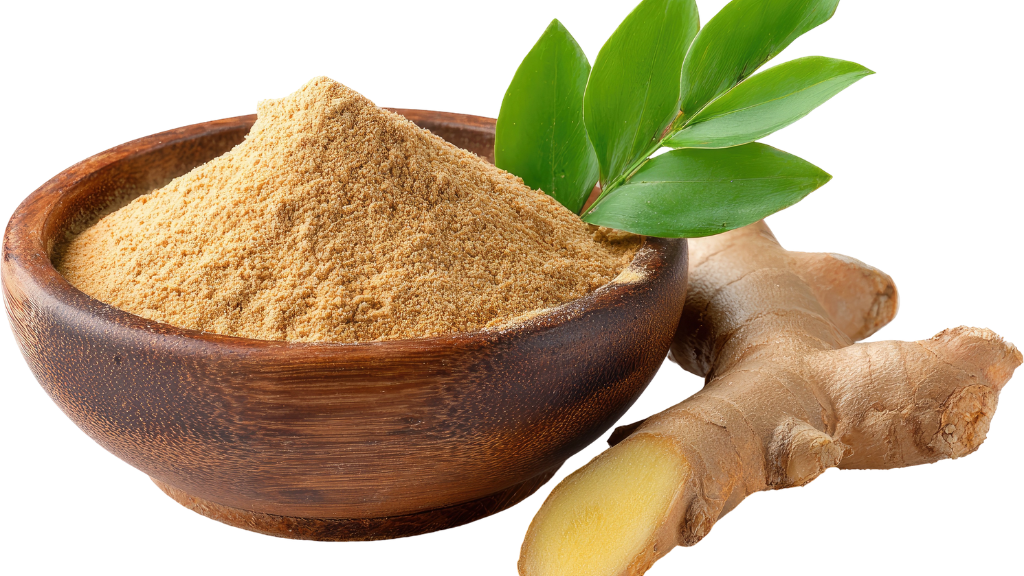
Different formulas use different plant combinations. Here are eight herbs you will commonly find in digestive bitters and what each one is traditionally associated with.
Gentian root: One of the most widely used bittering agents in Western herbalism, traditionally used to stimulate appetite and digestive secretions.
Dandelion root: Traditionally used to support liver health and bile production, which helps the body break down fats.
Artichoke leaf: Associated with liver and gallbladder support, and studied for its potential role in fat digestion.
Wormwood: A classic bitter herb with a long history of use for digestive complaints, including bloating and indigestion.
Burdock root: Traditionally used to support liver detox and healthy skin, and commonly found in broader wellness formulas.
Ginger: Well known for its role in easing nausea and supporting the movement of food through the digestive tract.
Soursop: Found in Africa Imports' Soursop Bitters formula, traditionally used in Caribbean and West African herbalism for colon health and immune support.
Sea moss: Found in Africa Imports' Sea Moss Living Bitters, sea moss brings a broader spectrum of minerals and is associated with digestive, skin, and metabolic health.
What makes the Soursop Bitters formula stand out is that it contains 21 different herbs and roots working together, giving a wider range of plant activity than single-herb formulas.
How to Use Digestive Bitters
Knowing the benefits is one thing. Knowing how to actually use bitters is what customers will ask you about, so here is the practical breakdown.
When to take them: The most common timing is 5 to 15 minutes before a meal. This gives the bitter compounds time to prime the digestive system before food arrives. You can also take them immediately after a heavy or rich meal to help your body process what you have eaten.
How much to take: Always follow the specific product label. As a general guide, most formulas are dosed at a few drops to one or two teaspoons, roughly 5 to 10ml per serving. Africa Imports' Soursop Bitters are typically taken as two teaspoons after each meal.
How to take them: The taste must reach your tongue. Do not fully mask the bitterness, as that is what triggers the digestive reflex. You can mix bitters lightly with water or a small amount of juice. Avoid mixing with alcohol.
How Long Do Digestive Bitters Take to Work?
This is the question your customers will ask most. Here is an honest answer.
The immediate effect, more saliva and increased stomach acid production, begins within minutes of tasting the bitters. That part is fast. For noticeable improvement in ongoing digestive issues like regular bloating, gas, or indigestion, most herbalists suggest consistent use over two to four weeks before drawing conclusions. Individual results vary and are not guaranteed. No herbal supplement works the same way for every person.
Is It Safe to Take Digestive Bitters Every Day?
Many people use bitters daily before or after meals with no issue, and this is a common practice for those who find them helpful.
That said, some bitters formulas contain senna, a natural laxative compound. Senna is not intended for long-term daily use. If the formula you are using contains senna, limit use to one week at a time and take a break before resuming. Always check the product label.
If you have an ongoing health condition, talk to your doctor before making bitters part of your daily routine.
Who Should Not Take Digestive Bitters?
Bitters are not right for everyone. This section matters both for your customers' safety and for your credibility as a seller.
Do not take digestive bitters if you have any of the following conditions:
Gallbladder disease, gastritis, hiatal hernia, peptic ulcers, active kidney stones, or liver problems.
Also avoid it if you are pregnant, breastfeeding, or in recovery from alcohol dependence. Most bitters formulas are alcohol-based.
Use with caution, and check with your doctor first, if you:
Have diabetes or take insulin or blood sugar medications. Take blood pressure medications. Have any known herb allergies.
Cleveland Clinic confirms that bitters can worsen existing conditions like acid reflux, heartburn, and nausea in people already prone to these issues, and can interact with blood pressure medications, insulin, and other drugs. When in doubt, a conversation with a healthcare provider is the right first step.
What Bitters Does Africa Imports Carry?
Africa Imports carries several ready-to-resell bitters formulas for wellness retailers and small business owners.
Soursop Bitters: Made with a blend of 21 different herbs and roots, Soursop Bitters is one of the most widely stocked products in the range. It is traditionally associated with colon health and immune support and is a familiar product for customers already buying natural wellness products.
Sea Moss Living Bitters: This formula combines traditional bitter herbs with sea moss and bladderwrack. It is designed to support digestion, skin health, metabolism, and immune function, making it a strong cross-sell alongside sea moss gel and similar products.
Moringa Bitters: Moringa is well known in the natural wellness space for its nutrient density. The bitters formula draws on this reputation and appeals to customers already familiar with moringa powder or capsules.
Black Seed Bitters: Black seed (Nigella sativa) has a long history in traditional medicine. This formula brings that recognition into a digestive bitters format, which can appeal to customers who already trust black seed oil.
Selling Digestive Bitters in Your Wellness Business
Digestive bitters are one of those products that sell steadily once your customers know what they are. Here is what to know if you are stocking them.
Who buys bitters: Your best customers for bitters are the ones already buying sea moss, moringa, black seed oil, and herbal teas. They are already thinking about gut health and immune support, so bitters fit naturally into what they are looking for. You do not need to create demand. You just need to show them what is already in your inventory.
How to display and sell them: Stock multiple varieties to give customers options. Grouping bitters alongside sea moss products and herbal teas in a dedicated wellness section makes it easy for shoppers to find related products in one place. Bundling Soursop Bitters with sea moss gel or Moringa Bitters with moringa capsules creates natural upsell opportunities without much effort.
How to talk about them with customers: Customers will often have questions about how to use bitters and what to expect. Keep it simple; a confident, clear answer builds trust and repeat purchases. You do not need to make health claims to sell bitters well. Honest, practical information does the job.
Health and safety disclaimer
These statements have not been evaluated by the FDA. This product is not intended to diagnose, treat, cure, or prevent any disease. Always consult your healthcare provider before starting any new supplement, especially if you are pregnant, breastfeeding, or taking medications.
Frequently Asked Questions
How long do digestive bitters take to work?
The immediate reflex, increased saliva and stomach acid production, begins within minutes of tasting the bitters. For consistent digestive support, most people notice a difference after two to four weeks of regular use. Results depend on the formula and the individual's digestive health. No supplement produces the same result for everyone.
Is it good to drink bitters every day?
Many people take bitters daily before or after meals as part of their routine, and most formulas are fine for regular use. If your formula contains senna, limit use to one week at a time and take a break before starting again. Anyone with an ongoing health condition should check with their doctor before using bitters daily.
What bitters are good for your gallbladder?
If you have an existing gallbladder condition, you should avoid digestive bitters. Bitters stimulate bile flow, which can aggravate certain gallbladder diseases. Talk to your healthcare provider before using any herbal supplement if you have gallbladder concerns.
Who should not take digestive bitters?
People with gallbladder disease, gastritis, peptic ulcers, active kidney stones, liver problems, or hiatal hernia should avoid bitters. They are also not recommended during pregnancy, while breastfeeding, or for people in recovery from alcohol dependence. Anyone taking medications for blood pressure, blood sugar, or other chronic conditions should check with their doctor first.
What is the difference between digestive bitters and cocktail bitters?
Both use bitter plant compounds, but their purposes are different. Cocktail bitters are made to add flavor to drinks. Digestive bitters are formulated to stimulate the digestive system. The concentration of active bitter compounds is typically higher in digestive bitters, and they are taken in smaller amounts at specific times around meals.