 USD
USD  GBP
GBP  CAD
CAD  AUD
AUD 
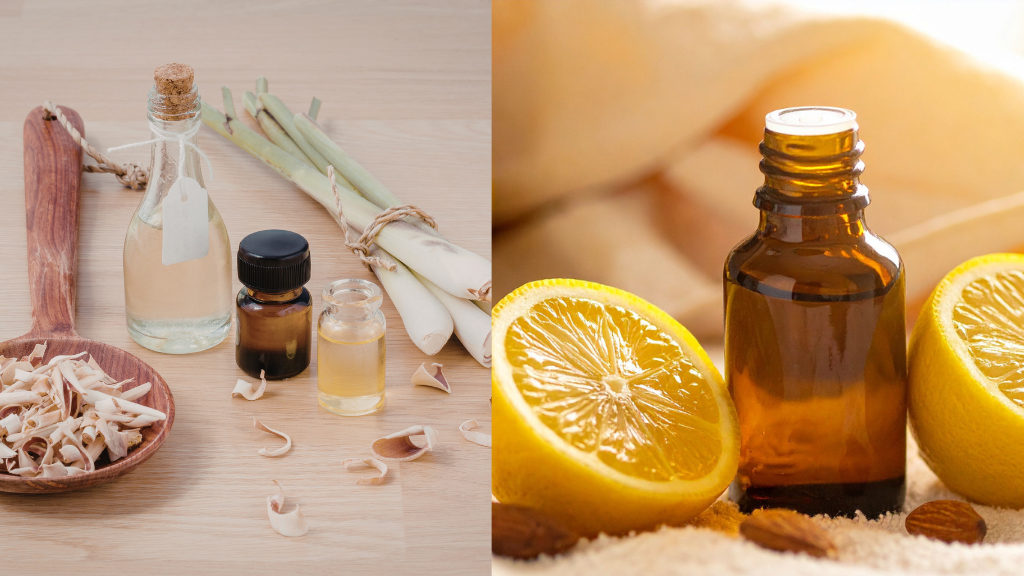
If you've ever stood in front of two bottles of essential oil and thought, "These smell kind of the same, are they actually different?" you're not alone. Lemon and lemongrass essential oils both have a citrusy kick, both are popular in personal care products, and both show up in candles, soaps, and diffuser blends. So it's easy to assume they're interchangeable.
They're not.
These two oils come from completely different plants, are extracted using different methods, and behave differently in formulations. For small business owners building product lines, that distinction matters. The wrong choice can affect scent longevity, product safety, and labeling requirements. This guide breaks down everything you need to know so you can stock confidently and formulate correctly.
Africa Imports carries both lemon and lemongrass essential oil at wholesale prices, available in bulk for resellers, soap makers, candle makers, and DIY formulators across the US.
Are Lemon and Lemongrass Essential Oil the Same Thing?
No. Despite the similar name and citrusy scent, these are two very different oils.
Lemon essential oil comes from the rind of the lemon fruit (Citrus limon) and is extracted by cold-pressing the peel. Lemongrass essential oil comes from the leaves and stalks of a tropical grass plant and is produced through steam distillation. Different plant families, different extraction methods, and different chemical profiles. The shared "lemon" in the name is where the similarity largely ends.
Where Each Oil Comes From
Lemon Essential Oil

Lemon essential oil is cold-pressed directly from the rind of fresh lemons. The plant source is Citrus limon; the same fruit you'd find in a grocery store, just processed very differently. Cold-pressing means no heat is used in extraction, which helps preserve the oil's bright, volatile compounds.
The oil is pale yellow to greenish yellow in color with a thin, watery consistency. Its primary chemical compound is limonene, which makes up the majority of its composition and gives the oil its fresh, clean character. Citral is also present but in much smaller amounts compared to lemongrass oil.
Shelf life: Typically two to three years when stored correctly.
Lemongrass Essential Oil

Africa Imports' lemongrass essential oil (Cymbopogon flexuosus) is steam distilled from the leaves and stalks of the lemongrass plant and is sourced from India. Steam distillation uses heat and water vapor to pull the volatile compounds out of the plant material, yielding a more concentrated oil with a stronger, more complex scent.
The oil ranges from pale yellow to amber in color. Its dominant compound is citral, which makes up approximately 70 to 80 percent of the oil's composition. This high citral content is what gives lemongrass its intense, herbal-citrus character and accounts for many of its reported properties.
Shelf life: Typically one to two years when stored correctly.
How Do They Smell? Lemon Oil vs. Lemongrass Oil
Lemon essential oil smells exactly like freshly cut lemon peel. It's bright, sharp, and clean; a scent most people recognize instantly. It reads light and uplifting, which is part of why it works so well in household products and clarity-focused diffuser blends. There's very little complexity to the scent, which can actually be an advantage: it layers cleanly with other oils without competing.
Lemongrass is more complex. It's citrusy, yes, but also earthy, grassy, and warm. Think less "lemon fruit" and more "lemon herb." The scent is noticeably stronger than lemon oil and has more staying power, which matters when you're making candles or soap.
For product makers, here's the practical distinction: lemon reads clean and fresh, which works well in skin care, household sprays, and anything marketed around clarity or cleanliness. Lemongrass reads grounding and herbal, which is a better fit for massage oils, spa candles, and insect repellent blends. Knowing this before you formulate saves you from reformulating after.
Key Uses for Each Oil
Lemon Essential Oil Uses
Aromatherapy: Lemon oil is traditionally associated with mental clarity and an uplifted mood. Many people find that diffusing it helps with focus and concentration during work. It pairs well with lavender, peppermint, and eucalyptus.
Household and cleaning products: Lemon essential oil has well-documented antibacterial properties and a scent that consumers strongly associate with cleanliness. It's a go-to ingredient in DIY surface cleaners, laundry rinse aids, and room sprays.
Skin care formulations: Used in small, properly diluted amounts, lemon oil turns up in face serums, toners, and acne-targeted products. Important: lemon essential oil is phototoxic. Any product containing it must include a phototoxicity warning and instructions to avoid sun exposure for at least 12 hours after application. This is covered in full in the safety section below.
Soap and candle making: Lemon essential oil adds a clean, fresh citrus note. One thing to know: it tends to fade in cold-process soap. If scent longevity in soap is a priority for your product line, a lemon fragrance oil will hold better.
Lemongrass Essential Oil Uses
Aromatherapy: Lemongrass is commonly used for stress relief and relaxation. It's a staple in spas for this reason, and it blends well with other grounding oils like cedarwood and vetiver.
Topical muscle and joint blends: When diluted in a carrier oil, lemongrass is widely used in massage blends targeting sore muscles and tired joints. It must always be diluted before skin application.
Insect repellent formulations: This is one of lemongrass oil's most well-known uses. A 2015 study found that lemongrass oil mixed with a vegetable-based carrier oil showed mosquito-repelling properties.
Soap and candle making: Lemongrass holds scent better than lemon in cold-process soap and offers a strong scent throw in candles. For candle and soap makers, this is a meaningful practical advantage.
Hair care: Lemongrass oil is sometimes included in hair care treatments and shampoo blends. Always dilute well before use and patch test, particularly for customers with sensitive scalp skin.
Note: All benefit language above reflects traditional and reported uses. These oils are not licensed for medical use.
Lemon vs. Lemongrass Essential Oil for Skin
Both oils can be used in skin care formulations when properly diluted. Neither should ever be applied to skin without a carrier oil.
Lemon essential oil is traditionally used for oily skin, blemishes, and brightening. It has a long history in skin care for its reported astringent properties. However, there's a mandatory safety consideration: lemon essential oil is phototoxic. Anyone using a product that contains it should avoid direct sun or UV exposure for at least 12 hours after topical application. If you're making products for resale, this is not optional guidance; it's a labeling and formulation requirement. Products containing lemon essential oil need to include a phototoxicity warning.
Lemongrass essential oil is used in skin care for its reported antibacterial and astringent properties, and it may help with oily or acne-prone skin. It can cause skin sensitization in some users, particularly at higher concentrations or with repeated use. Always recommend a patch test to your customers before wider use.
Dilution guidance: For leave-on products such as serums, moisturizers, and body oils, keep essential oil concentration at 1 to 2 percent. For rinse-off products like soaps and cleansers, higher concentrations are generally considered safer, but always follow current IFRA guidelines for any product intended for resale.
If you're formulating for a customer base rather than personal use, test your formulations, follow IFRA guidelines, and label accurately. Lemon products specifically need to carry phototoxicity warnings on the label.
Safety: What You Need to Know Before Using Either Oil
Lemon essential oil:
- Phototoxic. Avoid sun or UV exposure for at least 12 hours after topical application. This applies to finished products made with lemon essential oil, not just direct application.
- May interact with blood thinners. Customers taking prescription medications should check with a healthcare provider before use.
- Always dilute before any skin contact.
Lemongrass essential oil:
- Can cause skin sensitization, especially in concentrated form or with repeated use. Always dilute.
- Not recommended during pregnancy. Pregnant customers should consult a healthcare provider before use.
- Avoid use on children without professional guidance.
General essential oil safety rules:
- Never apply undiluted to skin
- Keep away from eyes, ears, and mucous membranes
- Patch test before wider application
- Store in dark glass bottles away from heat and light
- Keep out of reach of children
Can You Substitute One for the Other?
No, not reliably. Both oils share a citrusy character, but they behave differently in formulations and have different reported properties. Swapping one for the other will give you a noticeably different result.
In diffuser blends: You can substitute them for a different mood or scent effect, but expect a very different outcome. Lemon is brighter and lighter; lemongrass is earthier and more complex.
In skin care products: These oils are not interchangeable. Lemon is phototoxic; lemongrass is not. That difference alone affects product safety, labeling, and the instructions you give your customers.
In soap: Lemongrass holds scent better than lemon essential oil in cold-process soap. Lemon EO tends to fade during the saponification process. If a lasting lemon scent is what you need, a lemon fragrance oil is a more reliable option.
In massage blends: Lemongrass is the more common choice for muscle and joint support blends. Lemon essential oil is not typically used in this application.
Which One Should You Stock for Your Business?
The answer depends on what you make and who you sell to.
If you sell spa or massage products: Lemongrass is the stronger choice. It's the go-to for muscle blends, relaxation massage oils, and spa-scented candles. Customers associate the herbal-citrus scent with professional wellness environments.
If you make household or cleaning products: Lemon essential oil is the standard. It carries strong consumer recognition in the cleaning category and blends well with other common household scents.
If you make cold-process soap: Lemongrass holds better. Lemon EO will fade during saponification. If you want a lasting lemon scent in your soap, consider using a lemon fragrance oil instead — it gives you the scent without the fade.
If you make candles: Both oils work, but lemongrass offers a stronger scent throw. Lemon can perform well in soy candles at higher concentrations, but test your load rates before committing to a batch.
If you sell skin care: Stock both, but be confident in your dilution rates, formulation testing, and labeling. Lemon products need phototoxicity warnings on the label. Lemongrass products need sensitization guidance.
Both oils sell well when bundled together in starter kits or citrus-themed collections, and they're a natural pairing in any essential oil retail display.
Frequently Asked Questions
Is lemongrass oil the same as lemon oil?
No. They come from completely different plants, are extracted using different methods, and have different chemical profiles. Lemon oil is cold-pressed from lemon peel. Lemongrass oil is steam distilled from the leaves and stalks of a tropical grass plant. The shared "lemon" in the name reflects a shared citrusy scent, not a shared origin.
Does lemongrass essential oil smell like lemon essential oil?
Both are citrusy, but they don't smell the same. Lemon oil is clean and sharp, like freshly cut lemon peel. Lemongrass is stronger, earthier, and more herbal. Most people can tell the difference immediately once they smell them side by side.
Which is better, lemon or lemongrass essential oil?
Neither is better across the board. Lemon tends to work better for cleaning products, mental clarity blends, and brightening skincare. Lemongrass is generally preferred for muscle blends, spa products, and insect repellent formulations. The right choice depends on what you're making.
Can I use lemon or lemongrass essential oil directly on my skin?
No. Both oils must be diluted with a carrier oil before any skin contact. Use a 1 to 2 percent dilution for leave-on products. Lemon essential oil is also phototoxic; anyone using a product containing it should avoid sun exposure for at least 12 hours after application.
What carrier oils work best with lemon and lemongrass essential oil?
For lemon oil: jojoba, sweet almond, and fractionated coconut oil are solid choices. For lemongrass: jojoba, grapeseed, and coconut oil work well. Your carrier oil selection will depend on the product type and the skin type you're formulating for.
What is lemongrass vs lemon eucalyptus?
Lemon eucalyptus is a different oil entirely. It comes from the Eucalyptus citriodora tree and has a scent and chemical profile much closer to eucalyptus than to lemongrass. It's most commonly used in insect repellent products. Lemongrass and lemon eucalyptus are not the same oil and are not interchangeable.
Health and Safety Disclaimer
The information in this article is for educational purposes only and is not intended as medical advice. Essential oils are not licensed for medical use and should not be used to treat, cure, or prevent any condition. Always dilute essential oils before skin application and consult a healthcare professional before use if you are pregnant, nursing, taking medication, or have a medical condition. Individual results may vary.