 USD
USD  GBP
GBP  CAD
CAD  AUD
AUD 
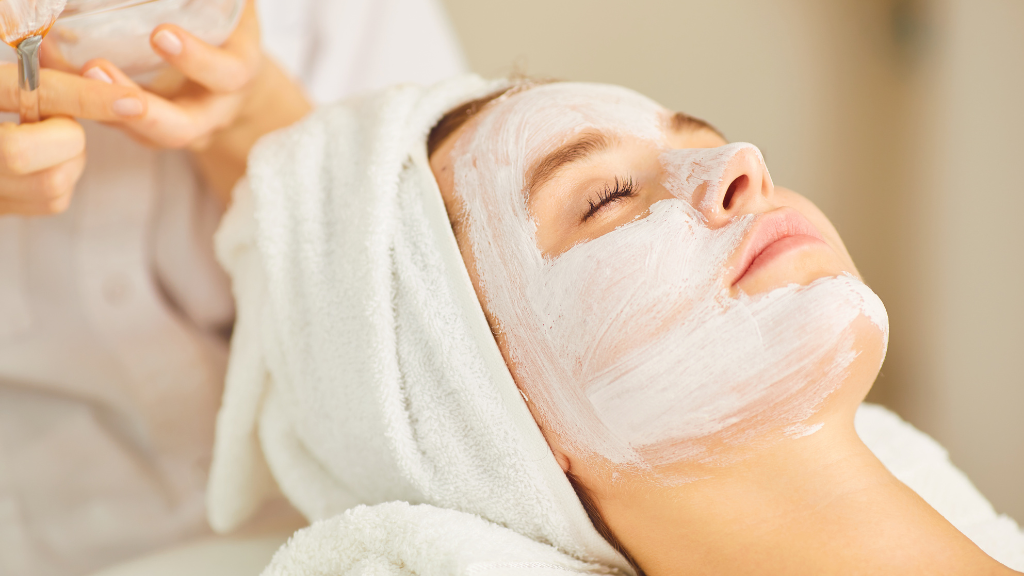
Moroccan mud has been a part of skin care and hair care for hundreds of years, and it is easy to see why people keep coming back to it. It is a simple, natural clay that cleans, softens, and balances the skin without harsh ingredients. If you have seen it sold as rhassoul or ghassoul clay and wondered what it actually does, this guide breaks down the real benefits, how to use it, and how small business owners can sell it.
What Is Moroccan Mud?
Moroccan mud is a mineral-rich clay mined from the Atlas Mountains of Morocco. You may also see it called rhassoul or ghassoul clay. The name comes from the Arabic word meaning "to wash," and Moroccan women have used it on their skin and hair for centuries.
The clay goes by several names, so it helps to know what to look for when you shop. You might see it listed as rhassoul, ghassoul, Moroccan red clay, or Moroccan lava clay. These all point to the same type of mineral clay. Once you know what it is, the next question most people have is what it can actually do for the skin.
Moroccan Mud Benefits for Skin
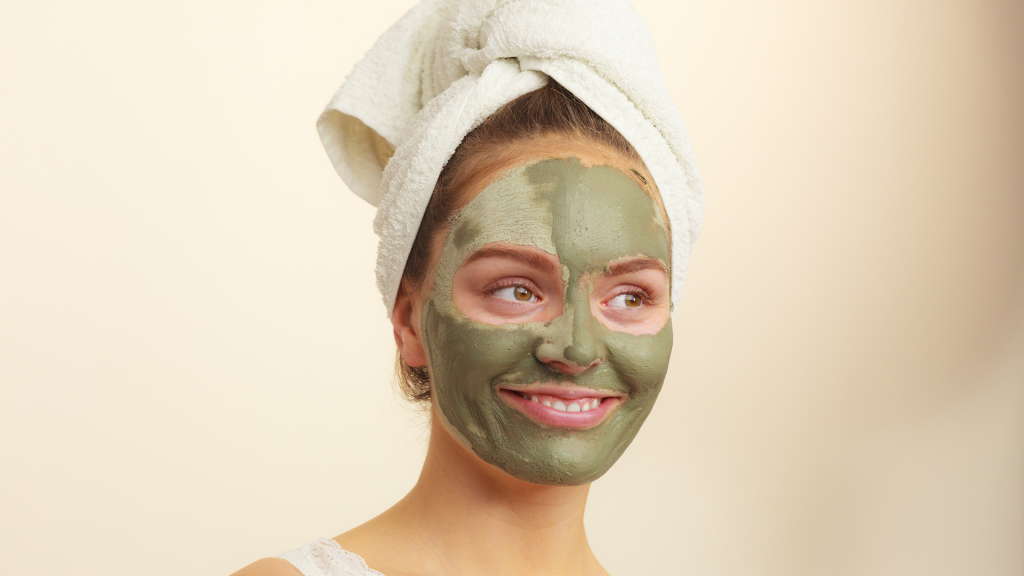
Moroccan mud is best known for how it cleans and balances the skin. Here is what it is reported to do, and what the evidence actually says.
Deep pore cleansing
The clay is reported to bind to oil and impurities through a process called ion exchange, which helps draw them out of the pores. Think of it as a gentle way to clear out buildup rather than a guaranteed deep clean.
Balances oil without stripping
Moroccan mud can absorb excess oil while leaving skin feeling soft. Unlike some harsher clays, it does not tend to dry the skin out, which makes it a good fit for oily and combination skin.
Gentle exfoliation
The clay has a fine, soft texture that helps lift away dead skin cells. It does this without scrubbing or rough abrasion, so it is easier on the skin than a grainy scrub.
May soothe reactive skin
Moroccan mud has traditionally been used by people with eczema, psoriasis, and acne-prone skin. If you have a skin condition, do a patch test first and check with a doctor before using it regularly.
Skin clarity and elasticity
Some clinical testing has reported improvements in skin clarity and elasticity. The research here is limited, so it is fair to say people often notice a difference, but the science is not settled. We would rather be honest about that than promise results we cannot back up.
Moroccan Mud Benefits for Hair and Scalp
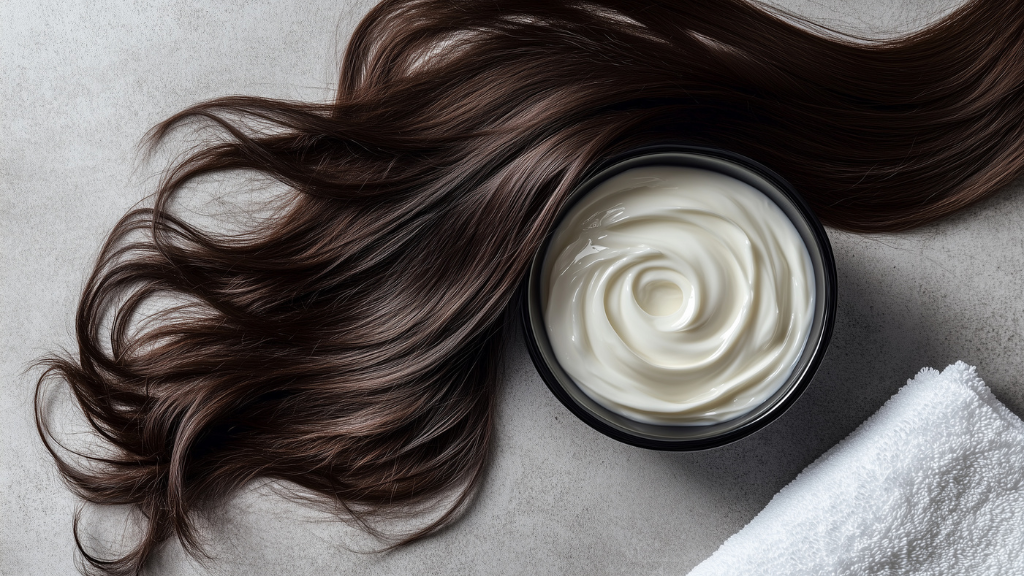
Moroccan mud is not just for skin. Many people use it as a natural way to clean and refresh their hair.
A natural cleanser alternative
The clay can be used as a gentle cleanser that removes scalp buildup without stripping the natural oils your hair needs.
May help with flakes and itch
Moroccan mud has traditionally been used to calm an itchy, flaky scalp. Results vary from person to person.
Adds softness and shine
The mineral content can leave hair feeling soft and looking shinier after use.
What's Inside Moroccan Mud
A lot of the appeal comes from the minerals packed into the clay. Here is what it contains and what each is generally linked to in skin care.
- Silica: Often associated with smoothing and firming the look of the skin.
- Magnesium: Commonly linked to calming and soothing sensitive or reactive skin.
- Iron: Gives the clay its reddish-brown color.
- Potassium and calcium: Generally tied to helping the skin hold onto moisture and stay balanced.
You might see exact mineral percentages thrown around online, but we’ve left those out. The sources don’t always agree on the numbers, so we would rather skip them than print something we can’t back up.
How to Use Moroccan Mud
One of the best things about Moroccan mud is how simple it is to use. You only need the clay and a little liquid. Here is how to use it as a face wash and as a mask.
As a Face Wash
Mix a small amount of clay with water until you have a thin paste. Apply it to your face in circular motions, then rinse with cool water. It is gentle enough to use daily as a simple cleanser.
As a Face or Body Mask
Blend one to two teaspoons of clay with water, rose water, or another floral water until you have a creamy paste. Apply it to your skin and keep it damp while it sits. A moistened cloth laid over the top helps with this. Do not let the mask dry out fully on your skin. Leave it on for 5 to 10 minutes, then rinse with warm water. Once a week is plenty.
Here’s a key tip: the clay works while it’s moist. If you let a mask dry out completely, it can leave your skin feeling tight or dry, so keep it damp the whole time.
If your skin feels irritated at any point, rinse the clay off and stop using it.
Mixing Ideas
You can mix Moroccan mud with different liquids to change the texture and feel. Water keeps it simple, while milk, honey, or rose water can give you a creamier paste. It is worth trying a few to see what your skin likes best.
Who Moroccan Mud Is For
Moroccan mud works for most skin types, but a few notes can help you get the best results.
Oily and combination skin
The clay's ability to absorb oil makes it a strong match for skin that gets shiny or breaks out.
Dry or sensitive skin
You can still use it, just less often, and be sure to keep the mask moist so it does not pull moisture from your skin.
It suits most people, but doing a patch test is always a smart first step, especially if your skin reacts easily.
Frequently Asked Questions About Moroccan Mud
Is putting mud on your face good?
For many people, yes. Mineral clays like Moroccan mud can help clean pores, absorb excess oil, and gently lift away dead skin. As with any product, results vary, so patch-test first if your skin is sensitive.
How often should you use a Moroccan mud mask?
About once a week works well for most people. If you have oily skin you may use it a little more often, and if your skin is dry or sensitive, stick to using it once a week or less. A mud mask is not something you need to use every day.
How do you use Moroccan clay on your face?
Mix one to two teaspoons of clay with water or rose water into a creamy paste. Apply it to clean skin, keep it damp for 5 to 10 minutes, then rinse with warm water. Avoid letting it dry out fully on the skin.
Is Moroccan mud the same as rhassoul clay?
Yes. Moroccan mud, rhassoul, and ghassoul all refer to the same mineral clay mined in Morocco. You may also see it sold as Moroccan red clay or lava clay.
Can you use Moroccan mud on your hair?
Yes. Many people use it as a natural cleanser for the scalp and hair. It helps remove buildup without stripping natural oils and can leave hair feeling soft.
Tips for Small Businesses Considering Selling Moroccan Mud
Moroccan mud is an easy product to sell. It moves well on its own as a single-ingredient clay, and it also works as a base for custom masks mixed with rose water, honey, or other clays.
Makers can repackage the powder into small jars with a simple usage card, which keeps your costs low and your branding clean. Because it’s a dry mineral clay, it stores well in a sealed, dry container and doesn’t go off the way oils can. That makes it easy to keep in stock with little waste.
For spa owners and boutique sellers, it pairs nicely in a natural cleansing bundle alongside African black soap or shea butter.
Ready to stock up?
Every order you place helps fund schools, medical care, and skills training in Africa. Shop Moroccan mud or browse the full skin care range to get started.
Health and Safety Disclaimer:
These products are not intended to diagnose, treat, cure, or prevent any condition, and results vary from person to person. Anyone with a skin condition should consult a healthcare professional before use.