 USD
USD  GBP
GBP  CAD
CAD  AUD
AUD 
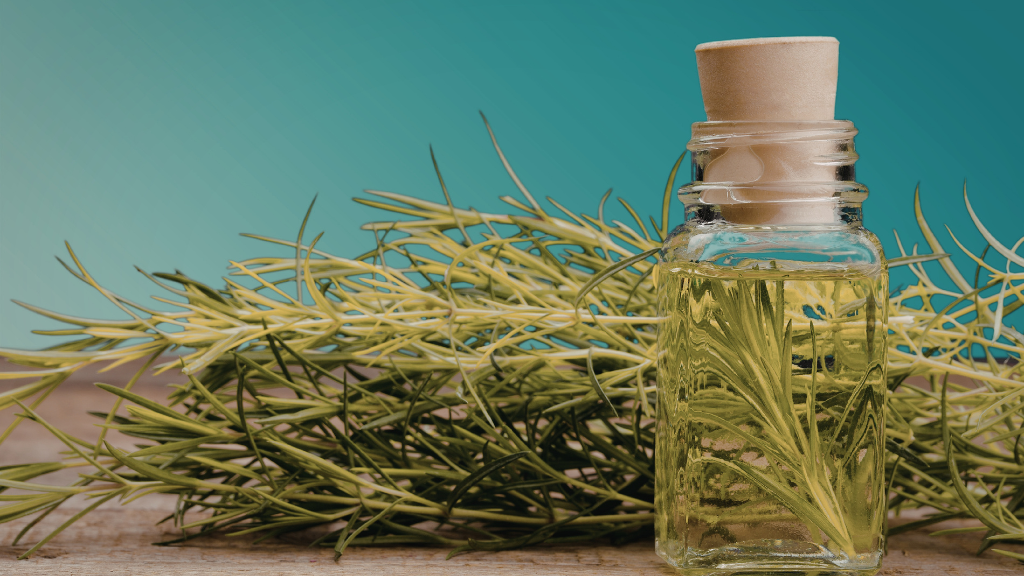
If you have an interest in natural health, especially essential oils, you’ll know that the hair benefits of Rosemary oil have been all over social media for the past few years, and it's not hard to see why. But the real question most people want answered is: does it actually work, or is it just a trend?
The short answer is that the science does support its use, particularly for certain types of hair loss, and it has been studied head-to-head against one of the most well-known hair loss medications on the market. That said, results vary and it is not a guaranteed fix for everyone.
What Does Rosemary Oil Do for Your Hair?
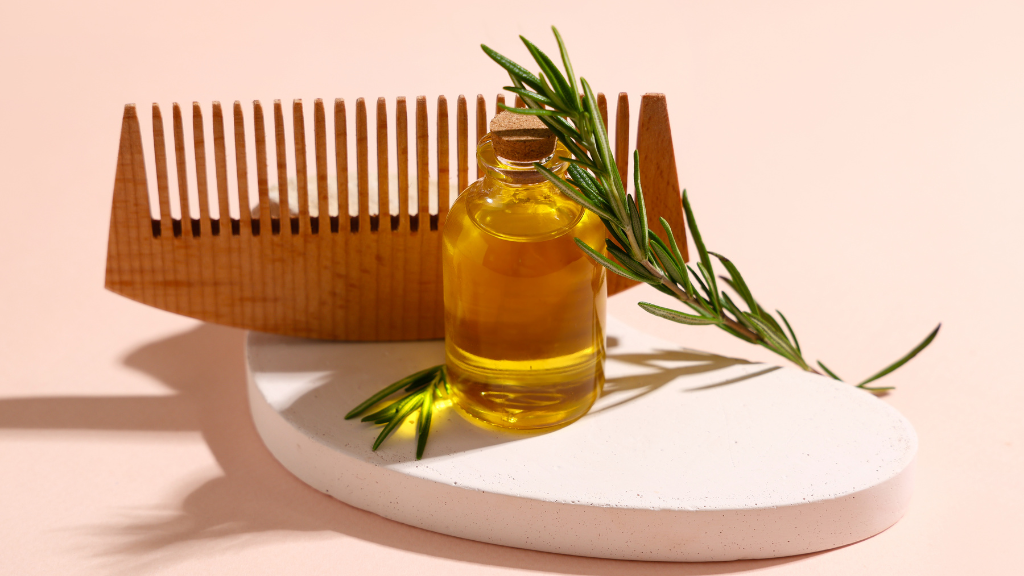
Rosemary essential oil works through two main pathways. First, it may help improve blood circulation to the scalp, which gives hair follicles better access to oxygen and nutrients. Second, it may help block DHT (dihydrotestosterone), a hormone linked to androgenetic alopecia, the most common form of hair loss in both men and women.
The key compound behind these effects is carnosic acid, a phenolic compound found in rosemary that carries anti-inflammatory and antioxidant properties. Research suggests carnosic acid may help rejuvenate nerve tissue and create a healthier environment at the scalp level.
The most referenced study on rosemary oil and hair growth was published in 2015. It compared rosemary oil to 2% minoxidil (the active ingredient in Rogaine) over six months in people with androgenetic alopecia. Both groups saw comparable results in hair count by the end of the study. The rosemary group also reported less scalp itchiness than the minoxidil group at both the three-month and six-month check-ins. It was a small-scale study, so the results should be interpreted carefully, but the findings were significant enough to prompt further research. Reviews in 2022 and 2024 have since added more support for rosemary oil's use in androgenetic alopecia.
It's worth being upfront about the limitations: most of the evidence is focused on androgenetic alopecia. The research on rosemary oil for other types of hair loss, such as alopecia areata or hair loss from stress or nutritional deficiency, is much weaker.
Important: Rosemary essential oil is not a medical treatment for hair loss and shouldn’t be treated as one. If you're experiencing significant hair loss, speak with a healthcare professional before starting any new treatment.
Rosemary Oil Benefits for Hair
Here is a breakdown of the main benefits, with honest language about what the evidence actually supports.
May Support Hair Growth
Rosemary oil may stimulate hair follicles by increasing blood flow to the scalp. It may also help slow DHT production, which plays a role in the gradual miniaturisation of hair follicles seen in androgenetic alopecia. Studies suggest that results, if they occur, are typically visible after three to six months of consistent use. Do not expect fast results: this is a slow process.
May Help Reduce Hair Shedding
One of the most common concerns people share in forums and communities is shedding more hair in the first few weeks after starting rosemary oil. This is worth addressing directly. Some users do report an initial increase in shedding when they start using rosemary oil.
This may reflect the hair cycle being pushed forward, meaning weaker hairs shed to make way for new growth, rather than the oil causing damage. That said, if shedding is severe or continues beyond a few weeks, stop use and speak with a dermatologist.
Calms the Scalp
Rosemary oil has anti-inflammatory and antimicrobial properties that may help with dandruff, itchiness, and dry scalp conditions. In the 2015 study, the rosemary group reported notably less scalp irritation than the minoxidil group, which is one practical advantage for those who find minoxidil uncomfortable to use.
May Help Strengthen Hair
The antioxidant properties in rosemary oil may help protect hair follicles from oxidative stress over time. Some users report less breakage with regular use. One thing to be clear about: rosemary oil does not change curl pattern, wave pattern, or hair texture. Any change you notice in the appearance of your hair comes from a healthier scalp environment, not a structural change to the hair itself.
May Improve Overall Hair Appearance Over Time
Rosemary oil is not a styling product and should not be thought of as one. The benefit is at the root level: a healthier, better-nourished scalp can support hair that looks and feels better over time. Some users report improved shine and less dullness with consistent use, though this is not a guaranteed outcome.
Types of Rosemary Oil: What You Need to Know
Not all rosemary oil products are the same. This section covers the key differences that matter for getting results.
Rosemary Essential Oil vs. Rosemary Water
Rosemary water (sometimes called rosemary hydrosol or rosemary-infused water) is not the same product as rosemary essential oil. Water significantly dilutes the active compounds, including carnosic acid. The studies on hair growth used rosemary essential oil, not rosemary water. Rosemary water may have mild benefits, but it is unlikely to replicate the results seen in research using the concentrated oil. If you are buying a product specifically for scalp and hair use, check what you are actually buying.
Rosemary Oil Chemotypes: Spanish vs. Tunisian
This is one of the most overlooked factors when choosing a rosemary oil, and it is something most competitor articles do not cover.
Rosemary (Rosmarinus officinalis) grows across the Mediterranean, but the chemical profile of the oil can vary depending on where it is grown. These variations are called chemotypes: same plant, slightly different chemical makeup based on climate, soil, and growing conditions.
The two chemotypes most relevant to hair care are Spanish rosemary (which tends to be higher in camphor) and Tunisian rosemary (which tends to be higher in 1,8-cineole, sometimes referred to as eucalyptol, alongside camphor). The chemotype most commonly used in the hair growth studies is the cineole chemotype, which is also the most widely sold form of rosemary essential oil.
Tunisian rosemary essential oil, such as the one Africa Imports carries, has a strong, camphoraceous, woody-balsamic scent profile. It is fresh and herbaceous, similar to lavender but with more pronounced medicinal notes and a deeper, woody-balsamic undertone. If you are used to lighter, more floral scents, Tunisian rosemary has a noticeably stronger aroma.
On the question of which type is better for hair: the current evidence does not support a claim that Tunisian rosemary is superior to Spanish rosemary for hair growth purposes. Both types contain the active compounds linked to hair benefits.
Essential Oil vs. Pre-Blended Rosemary Hair Oil
Pure rosemary essential oil is highly concentrated. It must be diluted in a carrier oil before applying it to the scalp. Applying undiluted essential oil directly to your skin can cause irritation or sensitisation.
Pre-blended rosemary hair oils already contain a carrier oil and are ready to apply. They are convenient but typically more expensive per application and give you less control over concentration and carrier choice.
If you are buying rosemary essential oil in bulk (for personal use or to formulate products), you will need to mix it yourself. When assessing the oil quality, look for pure extract with no added fragrance oils. Added fragrance can reduce effectiveness and increase the chance of scalp irritation.
How to Use Rosemary Oil for Hair
This is the step-by-step section for anyone starting out. Follow these steps consistently for the best chance of seeing results.
Step-by-Step: Rosemary Oil Scalp Treatment
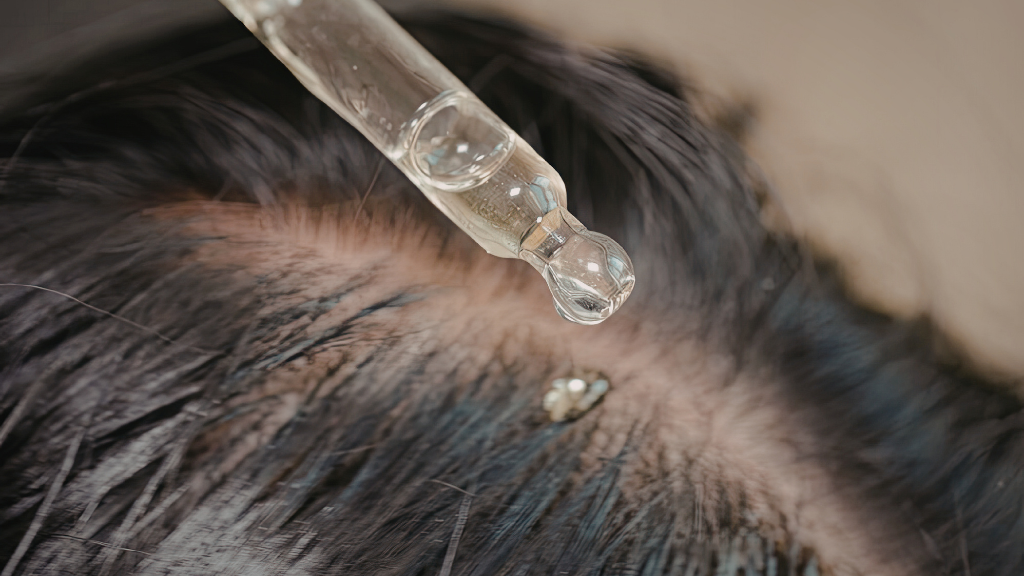
Step 1: Dilute first. Mix 3 to 5 drops of rosemary essential oil into 1 tablespoon of carrier oil. Good carrier oil options include jojoba, coconut, castor, argan, or sweet almond oil. Do not apply undiluted rosemary essential oil directly to your scalp.
Step 2: Patch test Before your first application. Apply a small amount of the diluted blend to the inside of your wrist or elbow. Wait 24 hours. If there is no redness, itching, or irritation, you can go ahead with a full application.
Step 3: Apply to the scalp. Part your hair and apply the oil directly to the scalp, not to the hair strands. Use your fingertips to work the oil in, and massage in slow circular motions for three to five minutes. The massage itself improves circulation, which adds to the benefit.
Step 4: Leave the oil on for at least 30 minutes. Overnight application is possible if the oil is properly diluted, but make sure you put something in place to protect your pillowcase.
Step 5: Use a mild shampoo to wash the oil out. You may need to shampoo twice to remove it fully, particularly if you used a heavier carrier oil like castor.
Step 6: Be consistent. Two to three times per week is the standard recommendation based on the research and practitioner guidance. Some people build up to daily application, but this depends on hair type. If you have fine hair, start with once a week and see how your scalp responds before increasing frequency.
Adding Rosemary Oil to Shampoo or Conditioner
You can add rosemary essential oil to your existing shampoo or conditioner at a rate of around 5 drops per ounce of product. Mix well before use. This is a lower-intensity method of application and may not produce the same results as a direct scalp treatment, but it is a good starting point for anyone new to essential oils.
How Long Until You See Results?
Be realistic about timelines. The 2015 study showed meaningful results after six months of consistent use. Some users report changes in as little as two to three months; others take longer or see more modest improvements. Consistency matters more than how often you apply it in any given week. Missing applications regularly will slow any potential progress.
The Best Carrier Oils to Use With Rosemary Oil for Hair
Choosing the right carrier oil makes a real difference, both in how the blend feels and in how well your hair and scalp tolerate it. Here are five solid options:
Jojoba oil: Lightweight and close in structure to the scalp's natural sebum. It absorbs well without leaving a heavy residue, making it a good option for all hair types, including fine hair.
Castor oil: Thick and rich, and often used in areas of thinning hair. Because of its weight, it works best when mixed with a lighter carrier oil to avoid product buildup.
Coconut oil: Penetrates the hair shaft well and is a popular choice for dry or coarse hair. It can be too heavy for fine hair types, particularly if used frequently.
Argan oil: A lighter option that suits finer hair. It adds softness without heaviness and works well as a mid-weight carrier for rosemary blends.
Sweet almond oil: Gentle, mid-weight, and a good neutral option if you want a carrier that will not overpower the rosemary scent or add too much weight to the hair.
Rosemary Oil for Different Hair Types
Fine hair: Use less oil and apply less frequently. Avoid heavy carriers like castor oil on its own. Jojoba or argan oil will give you a lighter base. Start with once a week to see how your scalp responds.
Thick or coarse hair: Can typically handle richer carriers and more frequent application. Castor or coconut oil blends work well for this hair type.
Natural and textured hair: Rosemary oil fits naturally into oiling routines that are already common in the natural hair community. It pairs well with shea butter-based blends and works well alongside other scalp-focused oils.
Colour-treated or chemically processed hair: There are no specific contraindications for using rosemary oil on colour-treated hair. Do a patch test first and focus the application on the scalp rather than the lengths of the hair.
Selling and Formulating With Rosemary Oil: A Guide for Small Business Owners
Rosemary oil is one of the stronger performers in the natural hair care market right now, and the consumer education around it is already doing a lot of the heavy lifting. People have heard of it. They are actively looking for it. The opportunity for small business owners is to be the source they find.
For product formulators and DIY creators:
Rosemary essential oil is a popular active ingredient in scalp serums, hair growth blends, and shampoo and conditioner formulations. When creating products for others to use, dilute to a safe concentration: typically 2 to 5% in a finished product.
It pairs well with peppermint essential oil for added scalp stimulation, lavender for a calming effect, and castor oil for a thicker, more coverage-focused blend. When choosing carrier oils for your formulations, the quality of the carrier matters as much as the essential oil itself.
For resellers:
Rosemary-based hair care products sell well through online shops, pop-up markets, and beauty supply retailers. Retail opportunities include scalp massage oils, pre-mixed hair growth serums, and shampoo add-ins. Because consumers are already aware of rosemary oil thanks to social media coverage, you spend less time educating and more time converting.
Africa Imports' Tunisian rosemary essential oil is available in multiple sizes, from 1 oz up to 1 lb, making it practical for both small-batch makers and higher-volume formulators.
For spa and wellness professionals:
Rosemary oil works well as an add-on to scalp treatment services. A scalp massage with a rosemary and carrier oil blend is a straightforward service extension that clients respond well to. It also works well as part of a hot oil treatment for a more therapeutic, relaxing experience.
Frequently Asked Questions
Does rosemary oil really work for hair growth?
The evidence is promising, particularly for androgenetic alopecia. A 2015 study found that rosemary oil produced comparable results to 2% minoxidil after six months, with less scalp irritation reported. Results vary between individuals, and it is not effective for all types of hair loss. It is not a medical treatment.
How do you use rosemary oil on your hair?
Dilute 3 to 5 drops in 1 tablespoon of carrier oil. Apply directly to the scalp (not the hair strands), massage in for a few minutes, and leave on for at least 30 minutes before washing out. Apply two to three times per week.
How long should I leave rosemary oil in my hair for hair growth?
A minimum of 30 minutes is recommended. Two to four hours is better. Overnight is fine if the blend is properly diluted.
What are the side effects of rosemary oil?
Rosemary oil is generally well tolerated, but it can cause irritation if applied undiluted. Some people experience a temporary increase in shedding in the first few weeks. It is not recommended for use during pregnancy or breastfeeding, and people with epilepsy should use it with caution due to the camphor content.
Can I use rosemary oil every day?
Some people do use it daily, but the research supports two to three times per week as a consistent baseline. For fine hair, daily use may lead to product buildup or greasiness. Start less frequently and adjust based on how your scalp responds.
Why is my hair shedding more after I started using rosemary oil?
Some shedding in the first few weeks is commonly reported. It may reflect the hair cycle being pushed forward, with weaker hairs shedding before new growth comes through. If shedding is significant or continues beyond a few weeks, stop use and consult a dermatologist.
What is Tunisian rosemary oil and is it better for hair?
Tunisian rosemary oil comes from rosemary plants grown in Tunisia and tends to be high in 1,8-cineole and camphor. It has a strong, camphoraceous, woody-balsamic scent. The current evidence does not show that Tunisian rosemary is more effective for hair growth than other types. Both Spanish and Tunisian rosemary contain the active compounds associated with hair benefits.
What is the difference between rosemary oil and rosemary water?
Rosemary water (hydrosol) is a much more diluted product than rosemary essential oil. The hair growth studies used rosemary essential oil, not rosemary water. Rosemary water may have mild benefits but is unlikely to produce the same results as the concentrated oil.
Which carrier oil is best to mix with rosemary oil?
It depends on your hair type. Jojoba is a good all-rounder. Argan is better for finer hair. Castor is often chosen for thinning or coarse hair but should be mixed with a lighter carrier to reduce weight. Coconut oil works well for dry or thick hair.
How long does it take to see results from rosemary oil?
Most studies and practitioners point to three to six months of consistent use before meaningful results are visible. Some people notice changes sooner; others take longer or see more modest improvements. Consistency is the most important factor.