 USD
USD  GBP
GBP  CAD
CAD  AUD
AUD 
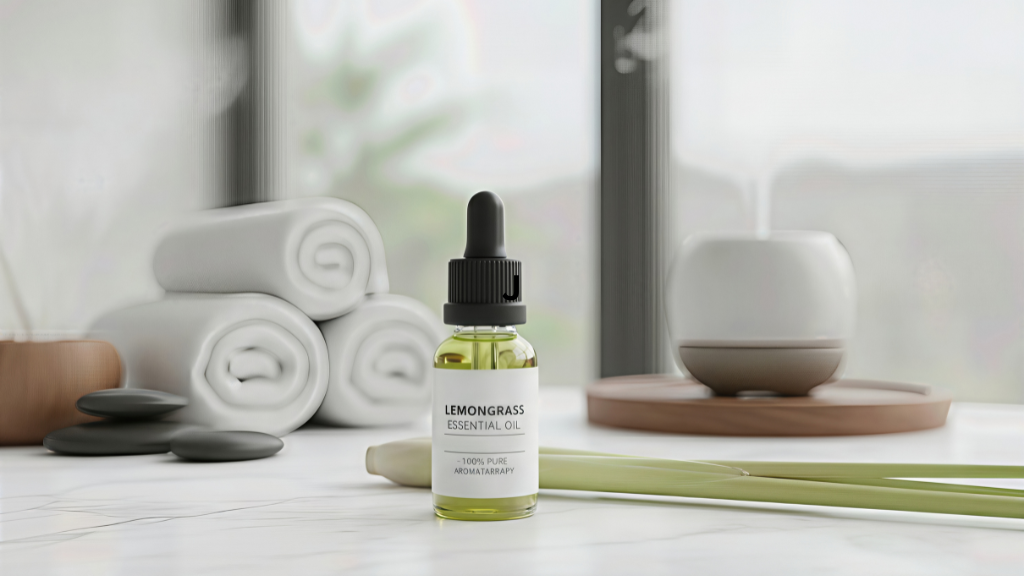
If you've ever walked into a spa and caught that sharp, fresh citrus scent in the air, there's a good chance lemongrass essential oil was behind it. It's one of the most widely used oils in personal care, aromatherapy, and home fragrance. And for small business owners, it's also one of the most versatile ingredients you can add to your product line.
This guide covers what lemongrass essential oil is, what the research says about its properties, how to use it safely, and how to put it to work in your business. Africa Imports carries lemongrass essential oil at wholesale prices, so whether you're building a skin care line, making candles, or stocking your shelves, you can order in bulk and keep your costs down.
What Is Lemongrass Essential Oil?
Lemongrass essential oil comes from the leaves and stalks of the lemongrass plant, a tall tropical grass in the Cymbopogon family. Two species are most commonly used in oil production: Cymbopogon citratus and Cymbopogon flexuosus. The plant is native to Southeast Asia and India and is now grown across Asia, Africa, Australia, and the Americas.
The oil is produced through steam distillation. Steam passes through the harvested plant material, pulls the volatile oils along with it, and the resulting vapor is cooled and separated. What you're left with is a pale yellow to amber liquid with a strong, fresh, citrus-forward scent.
Two key active compounds give lemongrass essential oil most of its properties: citral and limonene. Citral is responsible for the oil's sharp lemon scent and has been studied for its antibacterial, antifungal, and anti-inflammatory activity. Limonene is a common monoterpene found in citrus plants and contributes to the oil's antibacterial and antioxidant character.
What Is Lemongrass Essential Oil Good For?
Most research into lemongrass essential oil is still in early stages. Many studies have been conducted on animals or in lab settings, not in clinical trials on humans. That's important to keep in mind when talking about potential benefits. The evidence is promising, but it doesn't support making definitive health claims, especially when selling these oils in their undiluted form.
With that context in place, here's what the research and traditional use suggest.
Antibacterial Properties
Citral and limonene, the primary active compounds in lemongrass essential oil, have shown an ability to inhibit the growth of certain bacteria in lab studies. A 2024 review indicated the oil may support the management of some skin conditions due to this antibacterial activity. Lemongrass has a long history in traditional practice for wound care, skin hygiene, and topical infection management.
Use careful language when discussing this with customers: "may help," "some research suggests," and "traditionally used for" are all appropriate framings.
Antifungal Properties
A 2021 lab study found concentrated lemongrass essential oil was active against Candida albicans, a common fungal organism. As with antibacterial findings, this testing was conducted under controlled lab conditions, not in human clinical trials. That said, this property makes lemongrass oil a popular ingredient choice for soap makers and body wash formulators who want a cleansing angle for their products.
Anti-inflammatory Properties
Citral has shown anti-inflammatory activity in test tube studies. When diluted with a carrier oil and applied to the skin, lemongrass oil is widely used to soothe redness, irritation, and swelling. Research here is limited to lab and animal studies, so it's best described as a traditional and popular use with some supporting early-stage science behind it.
Antioxidant Properties
Lemongrass essential oil contains flavonoids and phenolic compounds, both of which have shown antioxidant activity. Antioxidants are associated with protecting cells from free radical damage. Research on lemongrass essential oil's antioxidant properties is promising but not yet conclusive in humans.
Stress and Mood Support
This is one of the most consistent and well-known uses of lemongrass essential oil. The fresh citrus scent is popular in diffusers as a way to reduce feelings of stress and mental fatigue. One small study found that participants who inhaled lemongrass oil in an anxiety-inducing situation reported lower anxiety levels than those who didn't. It's widely used in spa environments, massage therapy practices, and office settings.
Skin and Hair Care
Because of its antibacterial and anti-inflammatory properties, lemongrass oil shows up frequently in skin care formulations. It's popular in products targeting oily skin, pore clarity, and general redness. The oil has a mild astringent quality, which may help reduce excess sebum and temporarily tighten the appearance of pores.
For hair, some users add a few diluted drops to their scalp care routine and report benefits like reduced oiliness and relief from scalp irritation. Some formulations use it in shampoos and rinses to address dandruff. Always dilute before use. Never apply undiluted essential oil directly to skin or scalp.
Natural Deodorant and Insect Repellent
Lemongrass is a go-to ingredient in natural deodorant formulations. Its antibacterial properties are thought to address odor-causing bacteria, and the fresh scent itself contributes to the appeal. A 2015 study found the oil may help repel mosquitoes when mixed with a vegetable carrier oil. It's also used in natural sprays to deter ants and fleas, making it relevant to pet care product creators. Home cleaning products and room sprays can benefit from the oil's fresh scent and antibacterial character.
How to Use Lemongrass Essential Oil Safely
The non-negotiable starting point: always dilute lemongrass essential oil with a carrier oil before applying it to skin. This is not optional, and it applies regardless of how small the amount is.
Dilution guidelines:
For general body use, a 2-3% dilution is standard. That's roughly 12 drops of essential oil per 1 oz (30ml) of carrier oil.
For sensitive skin or facial use, drop to a 1% dilution, which is around 6 drops per 1 oz of carrier oil.
Before using it on a larger area, do a patch test. Apply the diluted blend to a small area of skin and wait 24 hours to check for any reaction.
Carrier oils that work well with lemongrass:
Jojoba is lightweight and closely mimics the skin's natural sebum, making it a good choice for facial blends. Coconut oil is moisturizing and works well for body products. Sweet almond oil is gentle and widely used in massage applications. Grapeseed oil is fast-absorbing and good for lighter formulations.
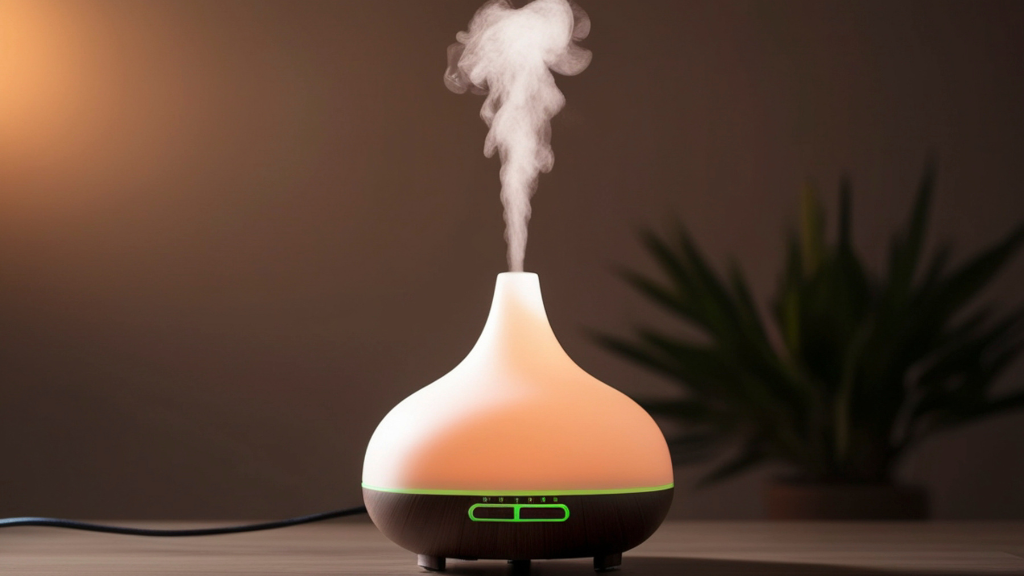
For aromatherapy: add 3-5 drops to a standard diffuser filled with water. Don't exceed the recommended amount.
For hair: mix a few drops into a carrier oil or an unscented shampoo before use. Do not apply undiluted essential oil directly to the scalp.
Safety considerations:
Some people experience skin irritation or an allergic reaction to lemongrass essential oil, even when diluted. If you notice redness, itching, or blistering, stop using it immediately.
Lemongrass essential oil is not recommended during pregnancy. Some sources raise concern about its potential to stimulate uterine contractions, though research is limited. Caution is advised.
The oil is not safe for pets, particularly cats and dogs, if applied heavily or ingested. Keep out of reach of animals.
Lemongrass essential oil is for external use only. Do not ingest it. Food-grade lemongrass products are a separate category entirely.
Anyone who is pregnant, nursing, taking medication, or managing a health condition should consult a healthcare provider before using essential oils.
Popular Lemongrass Essential Oil Blends
Lemongrass works well as a standalone scent and as a blending partner. Here are some of the most popular combinations and what they're typically used for:
Lemongrass and lavender: a widely used pairing for relaxation and stress relief. Good for sleep products, bath soaks, and calming room sprays.
Lemongrass and peppermint: a fresh, sharp combination that feels energizing. Works well in cleaning products, morning diffuser blends, and focus-oriented formulations.
Lemongrass and tea tree: a natural fit for antibacterial and cleansing products. Popular in soap, body wash, and surface cleaners.
Lemongrass and eucalyptus: a clearing, respiratory-focused blend often used in steam treatments and chest rubs.
Lemongrass and geranium: a floral, balancing combination used in skin care and body products where a more rounded scent profile is wanted.
How to Use Lemongrass Essential Oil in Your Business
This is where lemongrass essential oil earns its place in your product line. Here's what small business owners need to know.
Soap and Body Wash Formulation
Lemongrass essential oil is a strong performer in both cold-process and melt-and-pour soap. Its antibacterial and astringent properties make it a natural fit for facial bars and products marketed toward oily or acne-prone skin. It pairs well with tea tree for a cleansing bar, or with lavender for a gentler everyday option.
If you're making products to sell, check IFRA compliance guidelines for the correct fragrance load for your specific product type. The percentage varies depending on whether you're making rinse-off or leave-on products.
Africa Imports carries wholesale essential oils including lemongrass, so you can buy in the quantities you need to keep your production costs manageable.
Candles and Diffuser Products
Lemongrass is a strong-selling candle scent because of its clean, instantly recognizable citrus profile. It works well as a standalone fragrance or blended with herbs like basil or rosemary for a more grounded, earthy edge.
If you make candles, check the fragrance load recommendations for your specific wax type, as these vary between soy, paraffin, and coconut wax.
For spa owners and massage therapists, a lemongrass and lavender diffuser blend is a trusted choice for treatment rooms. It's familiar to clients, creates a calming atmosphere, and signals a natural, intentional environment.
Body Care Products
Lemongrass essential oil can go into lotions, body butters, massage oils, and serums. At the correct dilution level, it adds a fresh citrus scent along with the potential skin benefits covered earlier in this article. It's a strong addition to any product line positioned as botanical or plant-based, and the antibacterial angle gives you something specific to say about it.
If you're selling body care products, Africa Imports has the carrier oils and butters you need to build your formulas. Our wholesale carrier oils are available in bulk with low minimum orders.
Packaging and Selling Tips
Lemongrass oil sells well at pop-up markets because it's a scent most people already know. They've smelled it in food, in candles, or in spas, and that familiarity makes them more likely to stop and pick it up.
Pair it with complementary products at your booth or on your shelf: carrier oils, diffusers, or natural soaps make natural companions. Customers often ask about this oil for stress relief, skin care, and home fragrance, so it helps to have simple, honest talking points ready for your team or for your product descriptions.
Keep your language honest. Stick to traditional use, descriptive language, and cautious phrasing when talking about benefits. Avoid making medical claims on your packaging or at the point of sale.
If you're building a natural or botanical brand, Africa Imports also carries essential oil blends that are ready to resell or incorporate into your own products.
Frequently Asked Questions
What is lemongrass essential oil good for?
Lemongrass essential oil is most commonly used in aromatherapy for stress and mood support, in skin care for its antibacterial and astringent properties, and in home and cleaning products for its fresh scent and potential antimicrobial character. It's also used in natural deodorants, insect repellent blends, and hair care formulations. Research is still developing, so benefits should be described in terms of traditional use and early-stage science rather than definitive health claims.
Can you put lemongrass oil directly on your skin?
No. Lemongrass essential oil must always be diluted with a carrier oil before applying it to skin. Applying it undiluted can cause irritation, redness, or an allergic reaction. For general body use, a 2-3% dilution is standard. For facial or sensitive skin use, a 1% dilution is safer. Always do a patch test first.
What does lemongrass essential oil smell like?
Lemongrass essential oil has a sharp, fresh, citrus scent with a slightly earthy, grassy undertone. It's stronger and more intense than lemon, and it doesn't have the same sweetness. Most people find it clean and invigorating. The scent is widely recognized because of lemongrass's use in cooking and personal care products.
Can you use lemongrass oil in a diffuser?
Yes. Aromatherapy is one of the most popular uses for lemongrass essential oil. Add 3-5 drops to a standard diffuser with water. The oil's fresh citrus scent is commonly used to create an uplifting or calming atmosphere in homes, spas, and treatment rooms.
Is lemongrass essential oil safe during pregnancy?
Lemongrass essential oil is generally not recommended during pregnancy. There is some concern that it may stimulate uterine contractions, though the research on this is limited. As a precaution, anyone who is pregnant or nursing should consult a healthcare provider before using essential oils of any kind.
What oils blend well with lemongrass essential oil?
Lemongrass blends well with lavender, peppermint, tea tree, eucalyptus, and geranium. Each combination produces a different result: lavender for calm and relaxation, peppermint for energy and freshness, tea tree for cleansing blends, eucalyptus for clearing and respiratory support, and geranium for a more balanced, floral profile.
Is lemongrass essential oil good for hair?
Lemongrass essential oil is popular in scalp care and hair products. It's often added to shampoos or diluted carrier oil treatments to address scalp oiliness, irritation, and dandruff. It should always be diluted before applying to the scalp. Most users add a few drops to a carrier oil or unscented shampoo rather than applying the essential oil directly.
Can lemongrass oil be used as an insect repellent?
Some research supports this use. A 2015 study found that lemongrass essential oil, when mixed with a vegetable carrier oil, may help repel house mosquitoes. It's also used in sprays to deter ants and fleas. If you're using it as a repellent, it should be properly diluted in a carrier oil or water-based spray before skin contact.
Health and Safety Disclaimer:
The information in this article is for educational purposes only and is not intended as medical advice. The potential benefits of lemongrass essential oil are based on early-stage research and traditional use, and results may vary. Always consult a qualified healthcare professional before using essential oils if you are pregnant, nursing, taking medication, or managing a health condition. Essential oils are for external use only unless otherwise specified by a qualified practitioner. Always dilute before skin application and perform a patch test before wider use.