 USD
USD  GBP
GBP  CAD
CAD  AUD
AUD 
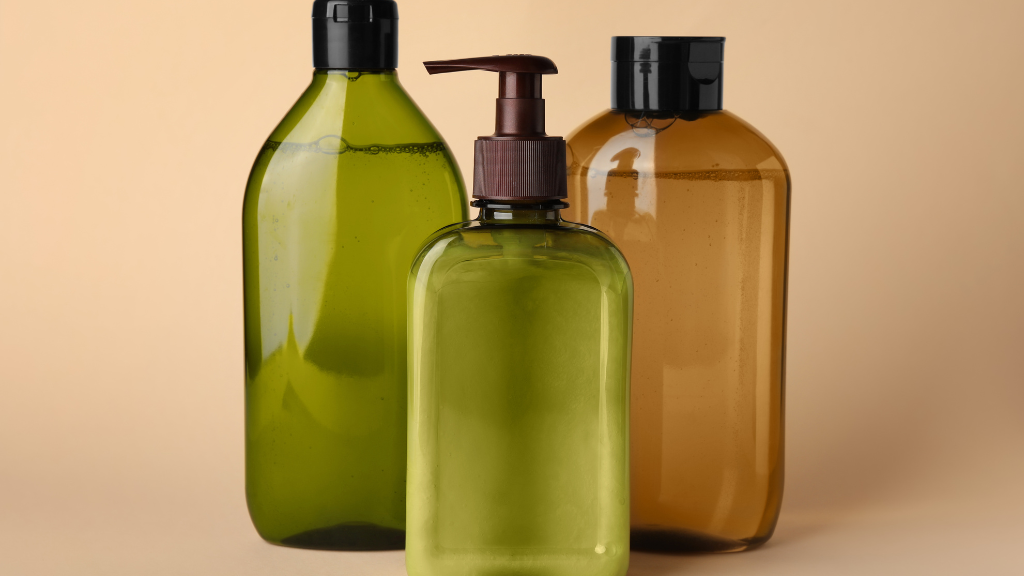
More people are reading the back of the bottle these days. They want hair care that cleans well without a long list of harsh additives. If you have been thinking about switching to natural shampoo, you probably have a few questions. What does it actually do for your hair? What changes once you make the switch? And if you run a small business, is it worth stocking?
This guide walks through the real benefits of natural shampoo, what to expect during the change, and how to sell it to your own customers. No hype, just a clear look at what natural shampoo can and cannot do.
What is natural shampoo?
Natural shampoo is shampoo made mostly from plant-based ingredients. It cleans your hair and scalp without many of the synthetic additives found in standard shampoos.
Most people who go natural are trying to avoid three things:
Sulfates (often listed as SLS or SLES) are strong cleansing agents that create a lot of foam. They clean well but can strip the hair of its natural oils.
Parabens are preservatives used to extend shelf life. Many shoppers prefer to avoid them and look for other options.
Silicones coat the hair to make it feel smooth. Over time they can build up and weigh hair down.
Here is the honest part. "Natural" is not a regulated word in the United States. A label can say natural and still contain ingredients you may not want. That is why the ingredients list matters more than the front of the bottle. Always turn the bottle around and read what is actually inside.
You will also see the word "organic" on some products. It is not the same as natural. Organic usually points to how the ingredients were grown, often without pesticides. Natural is a broader term with no single legal meaning. A shampoo can be one, both, or neither, so the label alone will not tell you everything.
Benefits of natural shampoo

So what do you actually get when you switch? The benefits depend on your hair type and the specific product, but here are the ones people notice most.
Gentler cleansing that keeps your hair's natural oils
Natural shampoos use milder cleansing agents. They lift away dirt and excess oil without stripping the scalp of the moisture it needs. For many people, that means hair that feels clean but not dried out.
Less buildup over time
Without silicones and heavy additives, hair tends to collect less residue. That can leave your hair feeling lighter and looking fresher between washes.
Better for sensitive skin and scalps
If you have a scalp that gets itchy, dry, or flaky, harsh detergents and synthetic fragrance can make it worse. Natural shampoos leave those out, so they may be a better fit for sensitive skin. One note here: if you have a diagnosed condition like eczema or psoriasis, check with a dermatologist before changing your routine.
Added moisture from plant oils and butters
Many natural shampoos include ingredients like shea butter, coconut oil, aloe, and floral waters such as rose water for hair. These are well known for their moisturizing properties, which can help dry or thirsty hair feel softer and more manageable.
Often more eco-friendly
A lot of natural brands use biodegradable ingredients and recyclable or refillable packaging. This is not true of every product, since packaging varies brand to brand, but it is a common reason people make the switch.
Gentle on color-treated and chemically processed hair
Harsh sulfates can strip color fast. Natural shampoos are usually gentler, so they are less likely to fade your color or dry out hair that has been relaxed or chemically treated. If you color or process your hair, this is a real advantage.
Is natural shampoo good for your hair?
For most people, yes. Natural shampoo can support healthy-looking hair and a comfortable scalp, as long as you pick the right one for your hair type.
That said, it is not magic. Natural shampoo will not fix every hair problem on its own. The best choice depends on whether your hair is dry, oily, color-treated, or textured. A formula built for oily hair will not do much for dry, coily hair, and the other way around. Match the product to your needs and you are far more likely to be happy with the results.
What to expect when switching to natural shampoo
A lot of people quit natural shampoo too early because they did not know what to expect. Here is the honest version so you can stick with it.
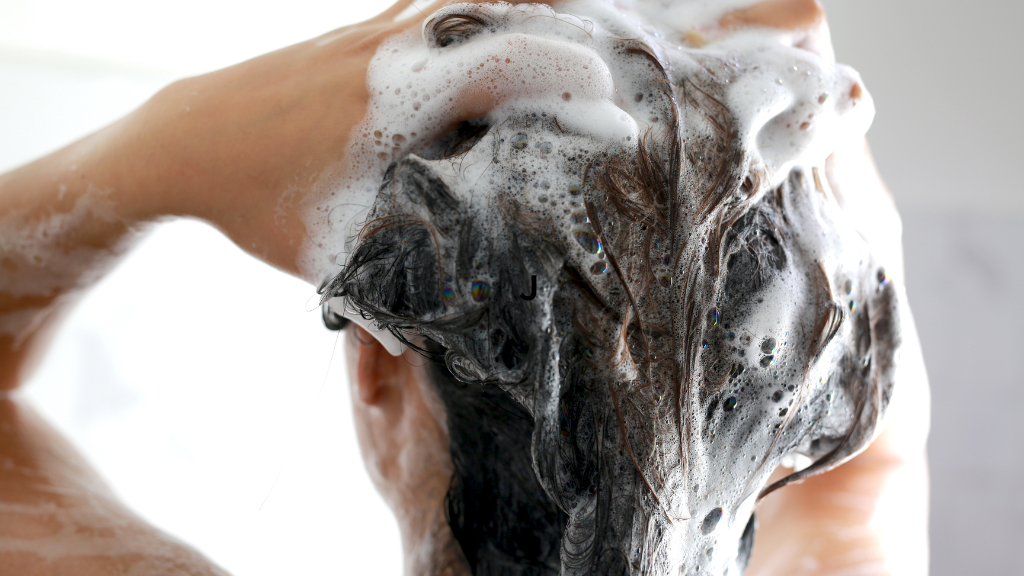
There is often an adjustment period. If you have been using sulfate shampoos for years, your scalp got used to having its oils stripped, so it may produce extra oil to keep up. When you switch, it can take a few weeks for that to rebalance. During this time your hair might feel greasier or drier than usual. This is normal and usually temporary.
You will also notice less lather, and that throws people off. Here is the thing: most of that rich foam in standard shampoo comes from sulfates, not from cleaning power. Less lather does not mean your hair is not getting clean.
A couple of practical tips. For the first few washes, try shampooing twice to help with the transition. And give it a few weeks before you decide whether it is working. Judging natural shampoo after one wash is like judging a workout plan after one trip to the gym.
Does natural shampoo help with thinning hair?
This is a common question, so let's be straight about it. Natural shampoo is not a treatment for hair loss or thinning. No shampoo is.
What a good natural shampoo can do is support a clean, comfortable scalp and avoid the harsh ingredients that may cause breakage. Less breakage can mean your hair holds its length better. But reducing breakage is not the same as growing new hair, and it is fair to know the difference before you buy.
Hair thinning and shedding can happen for many reasons, including stress, diet, hormones, and health conditions. If you are losing more hair than usual, the best step is to talk to a doctor or dermatologist who can help you find the cause.
How to choose a natural shampoo for your hair type
The right natural shampoo comes down to your hair. Here is a simple way to narrow it down.
Start with your hair type. Dry hair wants extra moisture, so look for shea butter, aloe, or coconut. Oily hair does better with a lighter formula. Color-treated hair needs a gentle, sulfate-free wash to protect the color. Curly, coily, and textured hair tends to run dry, so moisture is the priority.
Then read the label for what is left out. Terms like sulfate-free and paraben-free tell you what the brand chose to skip. Pair that with ingredients you do want, like castor oil for richness or aloe for soothing, and you have a good match.
A quick note for textured hair: if your hair falls in the 4a to 4c range, it naturally holds less moisture along the strand. Moisturizing, sulfate-free formulas are usually the better pick because they clean without leaving hair brittle.
Selling natural shampoo in your business

If you sell hair care, natural shampoo is worth a spot on your shelf. Here is why, and how to do it well.
Demand is steady
Natural and sulfate-free hair care is one of the fastest-growing parts of the natural hair market. Better still, shampoo is a repeat buy. Customers run out and reorder, which builds the kind of regular business you can count on.
Stock smart at the start
Rather than over-ordering one product, begin with a small range that covers dry, oily, and textured hair. That way you can see what your customers reach for before you commit to bigger orders.
Bundle for bigger sales
Pair a shampoo with a matching conditioner, a hair oil, or a tub of shea butter to create a "wash day" set. Sets feel like better value to the shopper and raise your average order.
Mind storage and shelf life
Natural products with fewer synthetic preservatives can be more sensitive to heat and humidity. Store stock in a cool, dry place and rotate it so the oldest sells first.
Teach as you sell
Customers new to natural shampoo often do not know about the adjustment period. A short care card or a quick how-to on your page sets the right expectation, builds trust, and cuts down on returns from people who would have given up too soon.
Common Questions About Natural Shampoo
Are natural shampoos good for your hair?
For most people, yes. Natural shampoos clean the hair while being gentler on the scalp, though the right one depends on your hair type and the ingredients inside.
Does switching to natural shampoo help with hair thinning?
Natural shampoo is not a treatment for hair thinning or hair loss. It can support a clean, healthy scalp and help reduce breakage from harsh ingredients, but anyone worried about thinning should speak to a doctor.
Why doesn't natural shampoo lather as much?
Most of the lather in standard shampoo comes from sulfates, not from cleaning power. Natural shampoos use milder cleansers, so they foam less while still cleaning your hair.
How long does it take to adjust to natural shampoo?
Many people notice their hair and scalp settle within a few weeks as oil production rebalances. Giving it time is the key to seeing results.
Is natural shampoo the same as organic shampoo?
Not always. "Organic" usually points to how ingredients are grown, while "natural" is a broader, unregulated term. Always check the ingredients list.
Is natural shampoo better for color-treated hair?
It can be. Without harsh sulfates, natural shampoos are less likely to strip color, which may help your color last longer.
Stock natural hair care your customers will come back for
Africa Imports carries wholesale shampoos and conditioners made with gentle, natural ingredients, ready for you to resell or use in your own product line. Start with a small range, add a matching conditioner or oil, and give your customers a cleaner way to care for their hair. Every order also helps fund schools, medical care, and skills training in Africa, so each sale you make supports real communities.
Health and Safety Disclaimer
The information in this article is for general education only. Products sold by Africa Imports are not intended to diagnose, treat, cure, or prevent any condition. Results vary from person to person. If you have a scalp condition, hair loss, eczema, psoriasis, or any other concern, please speak with a doctor or dermatologist before changing your routine.