 USD
USD  GBP
GBP  CAD
CAD  AUD
AUD 

Caring for your baby's skin is one of the sweetest parts of those early days. There's nothing better than talking to your little one while you massage their soft little legs. At first it can feel a bit daunting, but you both settle into a routine before long. This guide walks you through the gentle, natural African ingredients parents have trusted for generations, and how to use them safely.
Why baby skin needs gentle, natural care
Baby skin is thin, sensitive, and absorbs more than adult skin does. That means what you put on it really matters. Those soft, delicate folds don't need perfumed or chemical-heavy products to stay soft and healthy.
African baby skincare keeps things simple. It relies on plant butters and oils like shea, baobab, and marula, along with gentle cleansers like African black soap. Parents choose these because they moisturize delicate skin without synthetic fragrances or harsh chemicals.
One thing worth knowing: over-washing can strip away a baby's natural oils and dry the skin out fast. So less is often more. A baby's body works hard to clear out toxins on its own, and the skin doesn't need much help. A little natural moisture in the right spots usually does the job.
Caring for baby skin: what makes it different
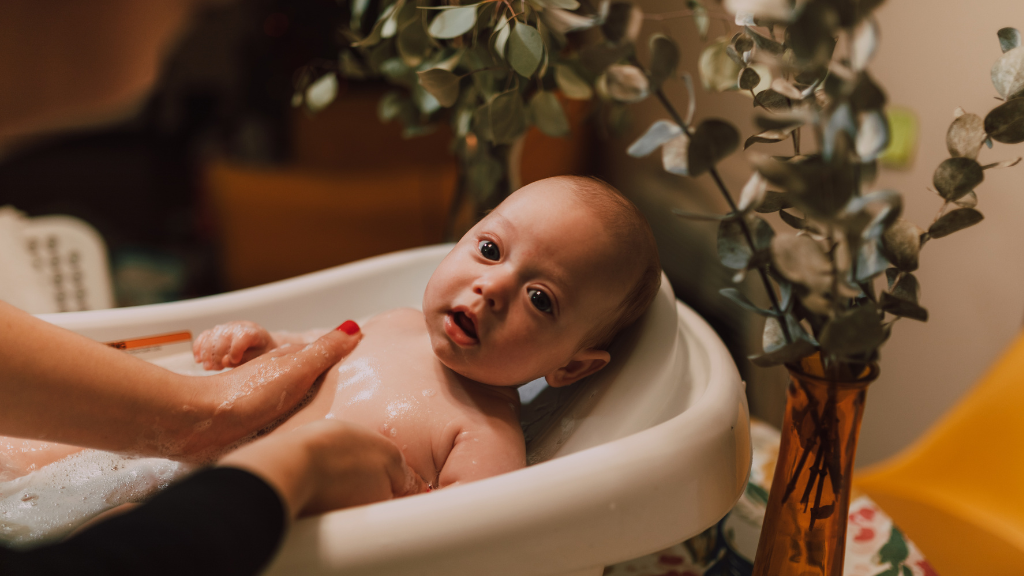
Baby skin can be more prone to dryness, so it often needs a little extra moisture. There's another thing parents should know: many common skin conditions look different on darker skin, which can make them harder to spot early.
Here's how a few of them can show up:
- Cradle cap may appear as scaly, flaky patches that can look greasy or yellow. On black skin, it can also leave areas that look lighter or darker than the surrounding skin.
- Eczema and general irritation can cause changes in pigmentation. Some areas may turn darker (hyperpigmentation) or lighter (hypopigmentation), which understandably worries parents.
The good news is that most of these are common and harmless. Skin tone usually evens back out over time. Still, anything that looks infected, broken, raw, or just isn't improving should be seen by your pediatrician. You know your baby best, so trust that instinct.
Keeping baby skin moisturized
A simple routine goes a long way. After bath time, pat your baby dry instead of rubbing, then lock in moisture right away while the skin is still slightly damp. Pay extra attention to dry spots like cheeks, elbows, and knees, and reapply there as needed through the day.
Match the product to the area. Thicker butters like shea work well on very dry patches because they're rich and protective. Lighter oils like baobab and marula absorb fast, which makes them easy for everyday use.
Many parents also like to use a gentle massage with a natural butter or oil as part of the bedtime routine. The slow, calming touch can help a baby settle down for the night, and it's a lovely way to connect at the end of the day.
Natural African ingredients for baby skin care
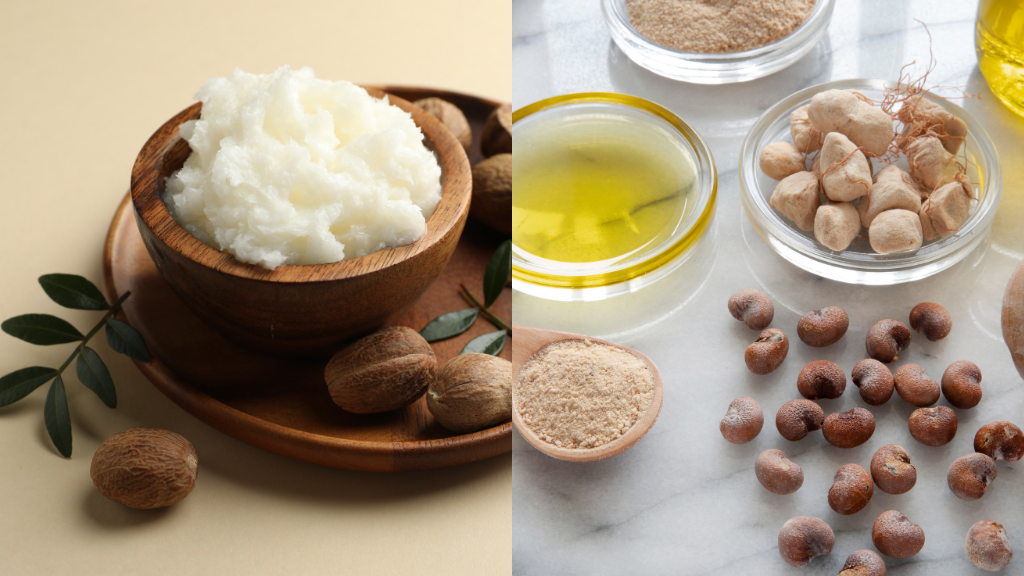
These are simple, single-ingredient options that parents have used on babies for generations. Each one is a cosmetic moisturizer or cleanser, not a treatment for any skin condition. Patch-test anything new before you use it regularly.
Raw shea butter
Shea butter is the one parents reach for most, and for good reason. It warms up when you rub it between your hands, and babies love the soft, buttery feel of it. Because it melts at skin temperature, it's easy to smooth on.
It's traditionally used to moisturize and protect dry skin. Many parents use it daily and also reach for it at diaper-change time. Just remember that shea is a moisturizer, not a medical treatment, so think of it as part of a gentle daily routine rather than a fix for any condition. For very dry areas on baby skin, its richness makes it a favorite.
Baobab oil
Baobab oil is a lightweight oil that comes from the fruit of the baobab tree. It absorbs quickly without leaving a greasy feel, which makes it nice for everyday moisturizing when a butter feels too heavy. It's traditionally used for dry, sensitive skin.
Marula oil
Marula oil is light and fast-absorbing, and it's rich in fatty acids and antioxidants. It's traditionally valued because it sinks in quickly and adds moisture without a heavy residue. That makes it a good match for delicate baby skin that needs hydration but not a thick layer.
Aloe vera
Aloe vera is a soothing gel that's traditionally used to calm minor irritation and support the skin. It's gentle enough for sensitive skin, but because every baby reacts differently, patch-test it first and wait before using it more widely.
African black soap
African black soap is a gentle, plant-based cleanser. In West Africa, mothers have traditionally used it on babies because of its purity and its gentle, chemical-free formula. That makes it a milder option than many mass-produced baby soaps.
A careful note here, since this is for babies: every baby's skin is different. Patch-test on a small area and wait 24 hours to watch for any reaction. And talk to your pediatrician before using it regularly, especially for infants with sensitive or reactive skin.
How to use natural products safely on baby skin
A few simple habits keep things safe:
- Patch-test first. Try any new butter or oil on a small area, since baby skin absorbs quickly. Wait 24 hours before using it more widely.
- Moisturize right after bath. Pat the skin dry, then apply a thin layer of butter or oil to lock in moisture while the skin is still slightly damp.
- Skip added fragrances and harsh chemicals. These are a common cause of irritation. If a product causes a rash or itching, stop using it and switch to a fragrance-free option.
- Use less than you think you need. A little goes a long way on baby skin.
- Introduce one new product at a time. That way, if a reaction shows up, you'll know exactly what caused it.
Selling natural baby skincare in your business
If you sell skincare, natural baby care is a category worth a look. More parents are searching for fragrance-free, chemical-free options for their little ones, and that demand keeps growing.
Here are a few ways to build it into your business:
- Repackaging idea: Buy raw shea butter in bulk, then portion it into small tubs and label it as a simple baby balm. Lighter oils can be bottled in small dropper bottles and sold as an everyday baby oil.
- Private label angle: A small "gentle baby" line is an easy starter range for a new brand. One butter, one oil, and one black soap bar is enough to launch with.
- Stay compliant: Market with "natural" and "fragrance-free" angles and lean on customer reviews. Avoid making medical or health claims on baby products, which keeps you on the right side of the rules and builds trust with parents.
- Buying tip: Buying shea and oils in bulk lowers your cost per unit and leaves healthy resale margins. Low minimums make it easy to start small, and orders ship fast so you're never waiting long to restock.
Common questions about African baby skincare
What do Africans use for baby skin care?
Across many African communities, parents have long used simple plant butters and oils such as shea butter, baobab oil, and marula oil to moisturize and protect baby skin. They also use gentle cleansers like African black soap. These are valued for being natural and free from synthetic fragrances.
Is African black soap safe for babies?
African black soap has traditionally been used on babies in West Africa because of its gentle, chemical-free formula. Still, every baby's skin is different, so patch-test first and check with your pediatrician before regular use, especially if your baby has sensitive or reactive skin.
What is the best moisturizer for baby skin?
There's no single best product, but many parents reach for raw shea butter on very dry areas because it's rich and protective. For everyday moisturizing, lighter oils like baobab or marula work well because they absorb fast. Whatever you choose, look for natural, fragrance-free options and patch-test first.
How often should I moisturize my baby's skin?
A good habit is to moisturize once a day, usually right after bath time while the skin is still slightly damp. Spot-treat dry areas like cheeks and knees as needed. Baby skin can dry out quickly, so daily moisturizing helps keep it soft.
Which skincare is best for newborns?
For newborns, simpler is safer. Stick to fragrance-free, single-ingredient natural products, and use them sparingly. Always introduce one product at a time, and talk to your pediatrician before using anything new on a newborn, since their skin is especially delicate.
Health and Safety Disclaimer
The information in this article is for general education only and is not medical advice. The products and ingredients mentioned are cosmetic and are not intended to diagnose, treat, cure, or prevent any condition. Baby skin is delicate, so always patch-test new products and talk to your pediatrician before starting any new skincare routine for your baby, especially for newborns or babies with sensitive or reactive skin.
Stock gentle baby care your customers can trust
When you stock natural baby care ingredients from Africa Imports, you're giving your customers gentle options they can feel good about. And every order does more than grow your business: a large part of our profits go to fund schools, medical care, and skills training in Africa.
Ready to add baby care to your lineup? Shop wholesale shea butter, baobab and marula oils, and African black soap, with low minimums and fast shipping.