 USD
USD  GBP
GBP  CAD
CAD  AUD
AUD 
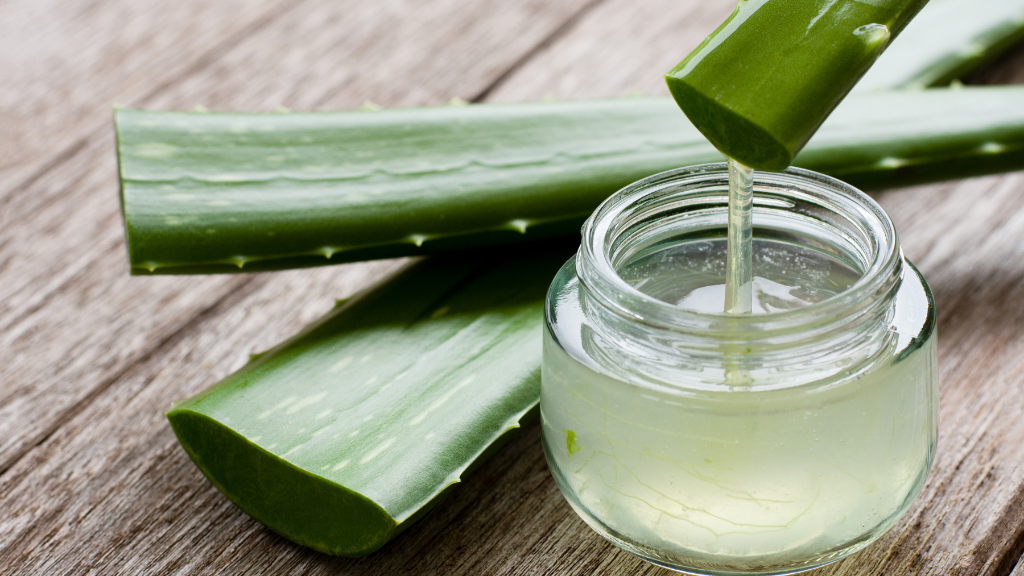
If you sell natural products, work with clients in a spa or wellness setting, or make your own skin and hair care lines, aloe vera is probably already on your radar. It shows up in moisturizers, hair conditioners, face washes, pomades, soaps, and digestive drinks, and for good reason. Few plant ingredients work across that many categories.
This guide covers the benefits of aloe vera for skin, hair, gut health, and dental health, along with what the research actually says about each one. It also covers aloe vera in its different forms, what to watch out for, and how it fits into a product line or wholesale order. Africa Imports carries aloe vera gel, aloe vera oil, aloe butter, and aloe fragrance oil at wholesale prices, making it easy to stock up on what you need.
What Is Aloe Vera and What's Inside It?
Aloe vera is a succulent plant with thick, fleshy leaves that store water in a gel-like tissue. That inner gel is where most of the plant's useful properties come from, and it is what the majority of skin, hair, and wellness products are made with.
The plant has been used for thousands of years across cultures in Egypt, Greece, India, and China for skin care, wound healing, and digestive support. Today it is one of the most widely used botanical ingredients in the cosmetic, pharmaceutical, and food industries.
Aloe vera contains 75 potentially active constituents, including vitamins A, C, E, B12, folic acid, and choline, along with eight enzymes, multiple minerals including calcium, magnesium, and zinc, and 20 of the 22 human-required amino acids. That combination of nutrients is part of why aloe vera works across so many applications.
The leaf itself has three distinct layers. The inner clear gel is what most consumer products use. The middle latex layer is a bitter yellow sap with different properties and a different safety profile. The outer rind is the protective layer. When you see "aloe vera" on a product label, it almost always refers to the inner gel, not the latex.
When selling aloe-vera products, use cautious language when making benefit claims. Research supports several uses of aloe vera, but the strength of evidence varies. We recommend using language like "may help," "research suggests," and "traditionally used for" throughout because that is what the science supports.
The Difference Between Aloe Vera Gel, Aloe Vera Oil, and Aloe Vera Juice
These are different products, and it helps to know what you are buying and selling.
Aloe vera gel is the raw or processed gel from the inner leaf. It can be liquid or thickened. It is used topically on skin and hair and is the most widely available form. Africa Imports carries it in liquid gel form in sizes from 4oz to 5 gallons.
Aloe vera oil is typically a carrier oil that has been infused with aloe vera, or in some cases a processed liquid form of the gel.
Aloe vera juice is gel that has been diluted with water for internal consumption. It is lower in concentration than pure gel and is the form most commonly used for digestive support.
Aloe vera fragrance oil is a synthetic or blended scent inspired by the plant's clean, fresh aroma. It combines crisp green notes with a subtle floral undertone. It carries none of the topical properties of the actual plant and is not interchangeable with gel or oil. It is designed for candle makers, soap makers, and bath and body product creators who want an aloe scent in their products.
Aloe Vera Benefits for Skin

Aloe vera is one of the most studied botanical ingredients for skin care. Here is what the research says about its main topical uses.
Soothing Burns and Sunburn
This is the use most people already know, and the research backs it up. Studies suggest that aloe vera may reduce the healing time of burns by around nine days compared with conventional medication, and may also help prevent itching and infection.
Topical application is the standard approach. Aloe vera gel is applied directly to the affected area for first-degree burns and sunburn. For more serious burns or wounds, always consult a healthcare provider first. Aloe vera is a supportive option, not a medical treatment.
For product makers and spa owners, aloe gel is a useful base for after-sun products, soothing body butters, and skin recovery formulas.
Supporting Skin Moisture and Elasticity
A 2020 double-blind randomized controlled trial found that taking 40 micrograms of aloe sterol increased skin barrier function, skin moisture, skin elasticity, and collagen content. It is worth noting that this study looked at an oral supplement form of aloe vera, not a topical product, so the results are not directly transferable to gel applied to the skin. That said, aloe gel is widely used as a hydrating base in moisturizers, face washes, and lotions, and many formulators find it performs well for this purpose.
Africa Imports' Aloe Butter is a blend of aloe vera and coconut oil that works as a lightweight moisturizer for skin and hair. It absorbs without leaving a greasy residue, which makes it a good option for customers with oily or combination skin.
Acne and Oily Skin
Some small studies suggest that topical application of aloe gel, in combination with other forms of treatment, may improve acne. Bradykinase, one of eight enzymes found in aloe vera, helps reduce excessive inflammation when applied to the skin topically. That anti-inflammatory action may be part of why aloe is so commonly used in acne-focused formulas.
There is also a hydration angle here. When skin is dehydrated, it can produce more oil as a compensatory response. Keeping skin hydrated may help reduce breakouts for some people, though individual results will vary. Use language like "may help" and "some people find" when talking about this benefit to your customers.
Eczema, Psoriasis, and Irritated Skin
A small amount of research suggests topical aloe may help people with eczema and psoriasis, as well as related skin conditions. Aloe vera's anti-inflammatory properties make it a common ingredient in formulas aimed at dry, reactive, or irritated skin.
Africa Imports' Aloe Butter lists eczema, psoriasis, rosacea, and chapping among the skin concerns it may help with. Customer reviews on the product page support this, with one buyer reporting that their client's eczema-affected skin cleared up significantly with regular use. As always, use careful language and avoid making medical claims when selling these products.
Anti-Aging and Skin Tone
Aloe vera contains vitamins A, C, and E, which are antioxidants that neutralize free radicals. Antioxidants in skin care are commonly used to help protect skin from environmental damage, which contributes to signs of aging over time. Aloe vera is also traditionally used to help reduce puffiness and support an even complexion.
Use careful framing here. Language like "may help support" and "some people report" keeps you on the right side of what the research actually shows.
Business tip: Aloe vera gel is one of the most requested wholesale ingredients among DIY cosmetic formulators. If you run a spa or sell skin care products, stocking bulk aloe vera gel gives you a clean, plant-based ingredient that works across multiple product types. Africa Imports carries aloe gel in sizes from 4oz to 5 gallons, along with aloe butter and aloe skin healing oil, so you can choose what fits your product line and order volume.
Aloe Vera Benefits for Hair

Aloe vera has a long history of use in hair care, and it is one of the most popular ingredients among customers making natural hair products. Here is what the research and practical experience say about it.
Moisture and Conditioning
Aloe vera is a humectant, meaning it draws moisture from the environment and helps hold it in the hair strand. It contains 20 of the 22 human-required amino acids, which may support hair strength and moisture retention.
This makes aloe gel a useful base for leave-in conditioners, detanglers, and daily sprays, particularly for coily and 4c hair types that tend to lose moisture quickly.
Scalp Health and Dandruff
Aloe vera has calming and anti-inflammatory properties due to the fatty acids it contains, and it may help treat and control dandruff. It also gently cleans hair of excessive oil without drying it out.
Proteolytic enzymes in aloe may help break down dead skin cells. When those cells build up on the scalp, they can contribute to flaking and blocked follicles. Aloe vera is traditionally used to address this, though direct clinical evidence for scalp-specific applications is limited. Use cautious language when speaking about this benefit.
Aloe Vera and Hair Growth
There is no definitive clinical proof that aloe vera causes hair growth. What research does suggest is that a healthy scalp environment supports the conditions for healthy growth, and aloe vera may contribute to that by reducing inflammation and keeping the scalp clean and moisturized. Frame this carefully with your customers: "may support scalp health" is accurate; "grows your hair" is not.
Using Aloe Vera Pomade for Hair Styling
Aloe vera pomades combine the hold and conditioning benefits of a pomade with aloe vera's moisture properties. They work well for curl definition, edge control, and styling textured hair without leaving it dry or crunchy.
Business tip: Aloe vera gel and aloe vera oil are steady wholesale movers for natural hair care product makers. They work well in edge controls, curl creams, leave-in conditioners, and pre-shampoo treatments. If your customers have natural hair, these are the kinds of ingredients that keep them coming back. Africa Imports also carries an Organic Shea Butter and Aloe Hair Pomade for customers who want a richer styling option.
Aloe Vera Benefits When Taken Internally (Juice and Gel)
Aloe Vera for Gut Health and Digestion
Aloe vera has been used for centuries to support digestive function. The latex layer of the leaf contains a compound called aloin, which has well-established laxative effects. However, aloe latex has not been available in the US as an over-the-counter medication since 2002 due to safety concerns.
The PAA question "Does aloe vera clean the stomach?" comes up often in search results. The honest answer is that aloe vera has been traditionally used to support digestive function and may help relieve constipation in some people, but it is not a medically approved treatment for any digestive condition. Some studies show a benefit for IBS; others show no effect. Tell both sides of that story to your customers.
Aloe Vera Juice for Heartburn
One early study suggested aloe vera syrup worked comparably to reflux medications in some participants, though with fewer side effects. This is one small study and should not be presented as clinical consensus. Anyone using aloe vera juice in place of prescribed medication for acid reflux should consult a doctor first.
Aloe Vera and Blood Sugar
A small amount of research suggests that aloe taken orally may reduce blood sugar and HbA1c in people with diabetes. One small study found that a specific aloe gel product taken orally for eight weeks modestly reduced weight and fat mass in adults with obesity or overweight who had diabetes or prediabetes.
There is interest in using aloe for conditions including irritable bowel syndrome, but there is not enough reliable information to say whether it might be helpful for those conditions. Aloe vera is not a substitute for diabetes medication. This must be stated clearly when discussing this topic with customers.
Aloe Vera and Weight Management
The "aloe vera weight loss" search query gets consistent traffic. The honest answer for your content: one small study found a modest reduction in weight and fat mass with a specific oral aloe gel product taken over eight weeks. That is not the same as aloe vera being a weight loss solution. Frame it carefully: as a low-calorie drink option, aloe vera juice may support healthy hydration habits, which in turn supports overall wellness goals.
Aloe Vera Vitamins and Nutrient Density
Aloe vera contains vitamins A, C, E, B12, folic acid, and choline, along with eight enzymes and multiple minerals including calcium, magnesium, and zinc. The presence of B12 is notable because it is one of the few plant sources to contain it, though it is present in small amounts. For customers following plant-based diets, this is worth mentioning with appropriate caveats.
Juice is generally the most accessible form for internal nutrient intake, though as noted above, always encourage customers to consult a healthcare provider before using aloe vera internally.
Aloe Vera Benefits for Dental Health

Research suggests aloe vera may support oral health in a couple of ways. In a study of 152 school children, an aloe vera mouthwash decreased plaque, gingivitis, and plaque-producing bacteria after four weeks of use, making it comparable to chlorhexidine mouthwash. A 2021 study supported this, concluding that aloe vera mouthwash is an effective option compared with chemically formulated alternatives.
Aloe vera treatment may also accelerate the healing of mouth ulcers. A 2022 review of nine randomized controlled trials found that aloe vera treatment could accelerate healing of canker sores better than other interventions, with a shorter healing time.
These are not reasons to skip regular dental care, but they do make aloe vera a solid ingredient for customers making oral care products.
How to Use Aloe Vera (10 Common Uses)
Here are ten of the most practical ways to use aloe vera, whether you are using it yourself or building products around it.
- Burn and sunburn relief. Apply aloe vera gel directly to first-degree burns or sunburned skin. Research suggests it may reduce healing time and help prevent infection.
- Daily skin moisturizer. Aloe gel can be applied to the face and body as a lightweight hydrating layer. It absorbs quickly and works well under heavier creams or oils.
- Acne spot treatment. Used in combination with other ingredients, aloe gel may help calm redness and inflammation associated with breakouts. It works best as part of a broader routine.
- Hair and scalp conditioner. Apply aloe gel or oil to the scalp and hair as a pre-wash treatment or leave-in conditioner. Particularly useful for coily and 4c hair types.
- Dandruff management. Aloe vera's anti-inflammatory and antifungal properties make it a common ingredient in scalp-focused hair care products.
- Soap and lotion ingredients. Aloe gel is one of the most widely used bases in DIY cosmetic formulations, from face washes to body lotions to bar soaps.
- Aloe vera pomade for hair styling. Aloe-based pomades provide moisture alongside hold, making them useful for curl definition and edge control without drying out textured hair.
- Aloe vera juice for digestive support. In small amounts, aloe vera juice has traditionally been used to support digestive function. Always consult a healthcare provider before using it for any specific condition.
- Mouthwash or oral rinse. Research suggests aloe vera may help reduce plaque and support gum health when used as a rinse.
- Aloe vera fragrance oil for candles, soaps, and bath products. This is the synthetic fragrance form, not the plant gel. It adds a clean, fresh scent to your products without the active compounds of the plant itself.
Africa Imports stocks aloe vera in multiple forms to cover these different uses, from bulk gel for formulators to fragrance oil for candle and soap makers.
Aloe Vera Side Effects and Safety
Aloe vera has a strong safety record for topical use, but there are things worth knowing before recommending it internally.
Topical use of aloe gel is generally well tolerated, though there have been occasional reports of burning, itching, rash, and eczema in some users. A patch test before full application is always a sensible starting point.
Research studies suggest that short-term oral use of aloe gel for up to 42 days is considered safe. Oral use of aloe latex can cause abdominal pain, cramps, and diarrhea. Oral consumption of aloe leaf extracts has been linked to cases of acute hepatitis in some users.
The International Agency for Research on Cancer has classified whole leaf extract of aloe vera as a possible carcinogen in humans. This form, called non-decolorized, has not undergone activated carbon treatment to remove toxic components. It is not the form commonly found in consumer products, but it is worth being aware of.
Overuse of aloe latex may also increase the risk of adverse effects from cardiac glycosides such as digoxin. Aloe in gel, latex, or whole leaf extract form, when taken by mouth, may be unsafe during pregnancy and breastfeeding.
As always, if your customers take any medications or have health conditions, encourage them to speak with a healthcare provider before using aloe vera internally.
Aloe Vera Products at Africa Imports
Africa Imports stocks aloe vera in several forms, all available at wholesale prices and designed with small business owners in mind.
The Aloe Vera Natural Liquid Gel is available in 4oz, 1lb, 1 gallon, and 5 gallon sizes, making it practical whether you are making small batches or running full production. The 4oz gel is made in South Africa. The Aloe Vera Skin Healing Oil is designed for topical moisturizing use.
Aloe Butter is a blend of aloe vera and coconut oil that works well in skin and hair care routines and as a product ingredient. The Aloe Vera Fragrance Oil is available in bulk for candle makers, soap makers, and bath product creators.
For hair care, the Aloe Vera and Coconut Oil Hair Pomade is a ready-to-sell retail product, while the aloe gel and oil are popular wholesale ingredients for formulators building their own hair care lines.
Every order from Africa Imports helps fund schools, medical care, and skills training for communities in Africa. Over half of our profits go directly to that work, with daily accountability between the founder and the people doing it on the ground.
Shop wholesale aloe vera products at Africa Imports.
Frequently Asked Questions About Aloe Vera
What are the main benefits of aloe vera?
Aloe vera is most widely used for soothing burns and sunburn, moisturizing skin, supporting scalp and hair health, and as a digestive aid in juice form. Research supports several of these uses, though the strength of evidence varies by application.
What does aloe vera do to your face?
Applied to the face, aloe vera gel may help soothe irritation, support moisture retention, and calm inflammation associated with acne. Some research also suggests it may support collagen production when used in certain supplement forms. Patch test before use and introduce it gradually into your routine.
Does aloe vera clean the stomach?
Aloe vera has been traditionally used to support digestive function. Some research suggests it may help relieve constipation and ease heartburn symptoms. It is not a medically approved treatment for any digestive condition, and long-term internal use of aloe latex carries known risks. Speak to a doctor before using aloe vera for any digestive issue.
Is aloe vera juice safe to drink every day?
In small amounts, around eight ounces per day, aloe vera juice is generally considered safe for short-term use. Drinking too much may cause cramping or diarrhea. Start with a small amount to see how your body responds, and consult a healthcare provider if you have any existing health conditions.
Can I use aloe vera oil for skin and hair?
Yes. Aloe vera oil is commonly used as a topical moisturizer and hair conditioner. It works well on most skin types and mixes easily with other carrier oils and butters in DIY formulations.
What is aloe vera fragrance oil used for?
Aloe vera fragrance oil is a synthetic or blended scent inspired by the plant. It does not carry the topical benefits of aloe vera gel, but it is widely used by candle makers, soap makers, and bath product creators to add a clean, fresh aloe scent to their products.
Health and safety disclaimer:
The information in this article is for educational purposes only. It is not intended as medical advice and should not replace the guidance of a qualified healthcare provider. Aloe vera products sold by Africa Imports are not intended to diagnose, treat, cure, or prevent any disease.