 USD
USD  GBP
GBP  CAD
CAD  AUD
AUD 
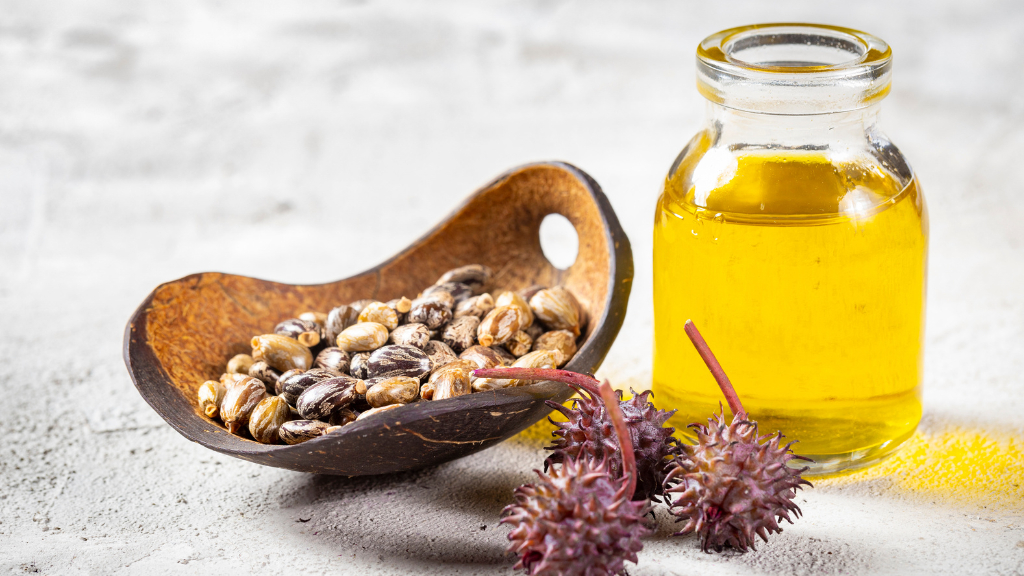
Castor oil in the belly button is one of the more talked-about wellness trends right now, and it's showing up across TikTok, wellness blogs, and natural health forums. The practice comes from Ayurvedic tradition and has roots in several traditional medicine systems. But before you try it, it's worth understanding what the research actually says about this well-known carrier oil, what benefits people report, and what claims to take with a grain of salt.
Most of the proposed benefits are anecdotal. Scientific evidence is limited, and this is not a weight loss or detox method. That said, castor oil does have documented topical properties that may make the practice worth trying for some people. If you're a small business owner looking to stock castor oil products, Africa Imports carries multiple types at wholesale prices.
What Is Castor Oil and Why Do People Put It in Their Belly Button?
Castor oil is a thick vegetable oil pressed from the seeds of the castor plant (Ricinus communis). It's made up of roughly 90% ricinoleic acid, a fatty acid that gives the oil many of its reported properties. It also contains vitamin E and omega-6 and omega-9 fatty acids.
The practice of applying oil to the belly button is called navel oiling or navel pulling. It's rooted in Ayurvedic medicine, one of the oldest healing systems in the world, originating in India. In Ayurveda, the navel is considered a central point in the body connected to multiple systems and organs.
Some people follow what's called the Pechoti method. This is based on the belief that a gland behind the belly button, known as the Pechoti gland, can absorb oils directly into the body through thousands of blood vessels. It's important to be clear here: this gland has no scientific basis. When the umbilical cord separates after birth, the blood vessels it contained become ligaments. There are no direct blood vessel pathways running from the navel to internal organs. Your belly button is, anatomically speaking, a scar.
The cultural practice is real and legitimate. The Pechoti theory is not. Those are two separate things.
The Traditional Roots of Navel Oiling
Ayurveda has been practiced for thousands of years and uses oil therapy, known as abhyanga, as a way to support overall well-being. Applying oil to the body, including the abdomen, is part of this broader tradition.
In Traditional Chinese Medicine, practitioners have also used navel applications with herbal preparations to address certain digestive conditions.
Some African traditional practices use navel applications with plant-based oils as part of abdominal care. This is worth noting for our audience, because this isn't just a trend that originated in one part of the world. It's a practice that appears across multiple cultures and healing traditions.
The current wave of interest in navel oiling has been driven largely by social media, particularly TikTok, where videos on the topic have gathered millions of views.
What the Research Actually Says About Castor Oil in the Belly Button
There are no peer-reviewed studies specifically examining navel oiling with castor oil. Searching the scientific literature for "navel pulling" or "castor oil belly button" turns up no results.
What we do know from research is that ricinoleic acid, the main fatty acid in castor oil, has documented anti-inflammatory and antimicrobial properties when applied to the skin topically (see PMC8837976). This is well established. What hasn't been studied is whether applying the oil to the navel specifically produces any internal or systemic effect.
Abdominal massage as a practice does have some evidence behind it. Studies have found that abdominal massage may help with constipation and bloating. If navel oiling is accompanied by circular abdominal massage, it may be the massage itself, not the oil, that's producing any digestive benefit some people notice.
The relaxation angle is also credible. A warm oil application before bed is a calming, low-stimulation ritual. Taking time for intentional self-care before sleep has recognized stress-reduction value.
On weight loss: castor oil applied to the belly button will not cause weight loss. This is stated clearly because it's one of the most common claims made online, and it has no basis in science.
On detox: the skin does not function as a pathway for internal detoxification through navel application. The body's detox systems are the liver and kidneys.
The Benefits People Report from Castor Oil on the Belly Button
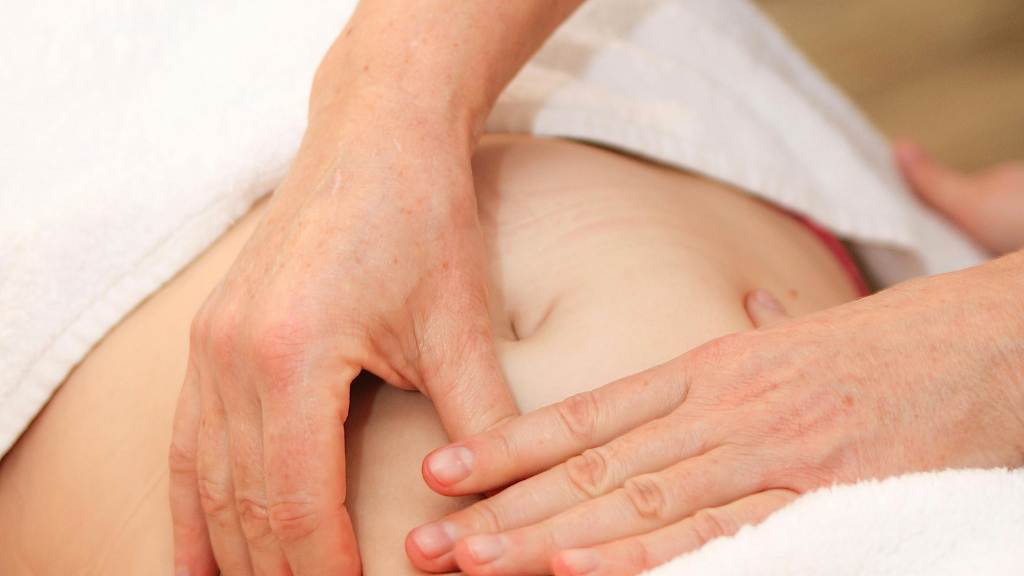
The following benefits are based on traditional use and personal reports. Use cautious language when sharing these with your customers. They are not proven medical outcomes.
Skin Hydration and Softening
Castor oil is a thick, occlusive moisturizer. When applied to the belly button area, it may help hydrate dry skin and soften the surrounding skin. The ricinoleic acid content may support the skin's natural barrier function. Some people find it particularly helpful for dry or rough skin around the navel, especially in winter months.
Abdominal Massage and Digestion
The act of massaging oil into the belly button area stimulates the skin and muscles of the abdomen. Abdominal massage is a recognized technique that some people use to help with bloating and constipation. If you're applying castor oil with circular massage motions, it may be that gentle pressure on the abdominal wall, rather than the oil itself, that's doing the work here. Either way, the practice is low-risk and some people find it helpful.
Menstrual Cramp Relief
Some people apply warm castor oil to the lower abdomen to help ease discomfort during their period. Castor oil packs, which are cloths soaked in castor oil and applied to the abdomen, have a longer history of anecdotal use for this purpose. The combination of warmth and gentle compression may contribute to muscle relaxation for some people. This is based on traditional use, not clinical evidence.
Relaxation and Stress Relief
A warm oil massage routine before bed is a calming ritual. Taking a few minutes to slow down, apply oil, and focus on the body can be a useful part of a wind-down routine. The relaxation benefit here is about the ritual as much as the oil. Some people report better sleep quality when they practice consistent bedtime routines like this.
How to Apply Castor Oil to Your Belly Button Safely
For most people, this is a low-risk practice when done correctly. Here's a simple step-by-step.
- Clean the navel area with warm water before applying.
- Use a few drops only. Castor oil is thick, and a little goes a long way.
- Gently massage in small circular motions around and into the navel.
- Optional: place a warm compress over the area for 10 to 15 minutes.
- Leave overnight or rinse after 30 minutes.
- Repeat daily if you'd like, but stop if you notice any irritation.
Dilution tip: Because castor oil is so thick, mixing it with another lighter carrier oil like coconut oil or jojoba oil makes it easier to apply and may help it absorb into the skin more comfortably.
Patch test reminder: Before applying to your belly area, test a small amount on the inside of your wrist. Wait 24 hours and check for any redness or reaction.
Who should avoid it: Pregnant women, unless advised by a doctor. Anyone with open wounds, infections, or broken skin around the navel. People with sensitive skin or a known castor oil allergy.
What happens if you apply it daily? For most people, daily topical use is fine. Watch for any signs of irritation and reduce frequency if needed.
Which Type of Castor Oil Works Best for Navel Oiling?
This is something none of the major competitors cover, and it's a question your customers are likely asking. Here's a clear breakdown.
Regular cold-pressed castor oil is pale yellow with a lighter texture and a mild, neutral scent. It's a good starting point for anyone new to the practice.
Black Jamaican Castor Oil (BJCO) is made from roasted castor beans, which gives it a darker color and a characteristic burnt scent. The roasting process raises the ash content of the oil. Many people in the US natural beauty market prefer BJCO for skin and scalp applications.
Indian Black Castor Oil is produced in India using a similar roasting process to BJCO. Cold-pressed varieties tend to have a lighter texture than traditional Jamaican black castor oil.
Haitian Black Castor Oil is made from hand-ground and roasted castor seeds. It typically has a high ash content and is used by some people specifically for its reported skin-supporting properties.
There is no research showing that one type is more effective than another for navel oiling. The differences are primarily in texture, scent, and processing method. The right choice comes down to personal preference and what your customers are already familiar with.
Myths About Castor Oil in the Belly Button
There's a lot of misinformation floating around on this topic. Here's a clear breakdown.
Myth: The Pechoti gland exists and absorbs oils into your bloodstream. Fact: There is no scientific evidence that this gland exists. The blood vessels from the umbilical cord become ligaments after birth.
Myth: Navel oiling causes weight loss. Fact: No topical oil application causes weight loss. This claim has no scientific basis.
Myth: Putting different oils in your navel can cure specific diseases. Fact: There is no scientific evidence for this. If you have a health condition, please see a healthcare provider.
Myth: Applying castor oil to the navel daily is the same as taking it internally. Fact: Topical and internal use are completely different. Internal use of castor oil as a laxative is recognized by the FDA. Topical navel application has different and more limited effects.
Frequently Asked Questions
What are the benefits of castor oil in the belly button?
Some people use castor oil in the belly button as a self-care ritual that may help with skin hydration, abdominal relaxation, and stress relief. The benefits are largely anecdotal, and scientific evidence on navel oiling specifically is limited.
Does castor oil in the belly button help with digestion?
The abdominal massage that often accompanies navel oiling may help with bloating or discomfort for some people. The oil itself has not been proven to improve digestion through navel application.
What happens when you put castor oil on your belly button?
The oil sits on and around the skin of the navel area. Some of it may absorb into the surface layers of the skin. It does not travel directly into your organs or bloodstream.
Is it safe to put castor oil in your belly button every day?
For most people, daily topical application is low-risk. Do a patch test first and stop if you notice redness, itching, or irritation. Pregnant women should check with their doctor before trying it.
Can castor oil in the belly button help with menstrual cramps?
Some people apply warm castor oil to the lower abdomen to ease menstrual discomfort. This is based on traditional use and personal reports. There is no clinical evidence confirming this effect.
What is navel oiling?
Navel oiling is the practice of applying oil to the belly button area, often combined with gentle abdominal massage. It comes from Ayurvedic tradition and is now widely shared on social media as a wellness practice.
Stocking Castor Oil for Your Wellness Business
Castor oil is one of the most searched carrier oils in the US natural beauty market, and it sells well across product categories including hair care, skin care, and wellness rituals. Small business owners can buy castor oil in bulk through Africa Imports at wholesale prices and repackage it under their own brand. It pairs well with other carrier oils and works as part of wellness ritual kits that might include carrier oils, herbal additives, and small applicator bottles. Customers interested in navel oiling are often the same customers buying carrier oils for hair growth, eczema care, and DIY body butters.
Applying castor oil to the belly button is a low-risk practice with a long cultural history across Ayurvedic, African, and other traditional medicine systems. The science doesn't confirm most of the claims circulating online, but the topical skin benefits and the value of a consistent relaxation ritual are real. If you want to try it, use a good quality oil, keep your expectations grounded, and listen to your body. If you're a small business owner looking to stock castor oil for your customers, Africa Imports carries multiple types at wholesale prices with low minimum orders and fast shipping.
Health and Safety Disclaimer
The information in this article is for educational purposes only and is not intended as medical advice. Castor oil products sold by Africa Imports are not intended to diagnose, treat, cure, or prevent any disease. If you have a health condition or are pregnant, speak to your healthcare provider before trying any new wellness practice.