 USD
USD  GBP
GBP  CAD
CAD  AUD
AUD 

Why So Much Candle Making Advice Is Wrong
Search for candle making tips and you'll find advice that flatly contradicts itself. Add fragrance below the flash point. No, add it hot. Soy is clean, paraffin is toxic. Freeze your candles. Some of it is an old workshop habit passed down without testing. Some of it is marketing dressed up as fact.
For a hobbyist, believing a bad tip means one wasted afternoon. For someone selling candles, it means something else. A ruined batch is wax you paid for, fragrance oil you paid for, jars you paid for, and hours you don't get back. Worse, a candle that tunnels or smokes in a customer's home turns into a refund and a lost repeat buyer.
These are the candle making myths that show up most often, what's actually going on, and what each one means for your margins.
Myth: You Have to Add Fragrance Below Its Flash Point or It Burns Off
Myth: If you pour fragrance oil into wax that's hotter than the oil's flash point, the scent burns off.
The truth: Flash point is a shipping and transport safety number. It tells carriers the lowest temperature at which the oil gives off enough vapor to ignite near an open flame. It is not a measure of when scent disappears.
Once fragrance oil is blended into melted wax, it becomes part of the wax. The blend behaves like wax, and wax has a much higher flash point than most fragrance oils on their own. Your fragrance is not boiling off in a normal pour.
What actually matters is binding. Fragrance oil needs to fully mix into the wax to hold and release scent well. That means adding it at the temperature your wax supplier recommends, usually somewhere around 180 to 185°F for soy, and stirring for a full two minutes so it's properly combined.
For resellers: chasing flash points is one of the most expensive myths on this list. People add fragrance to wax that's too cool, the oil never binds, and the candle throws almost no scent. You've paid full price for fragrance oil and made a candle nobody wants to buy twice. Follow your wax and oil guidance, not the flash point number on the safety sheet.
Myth: Soy Wax Is Clean and Paraffin Wax Is Toxic
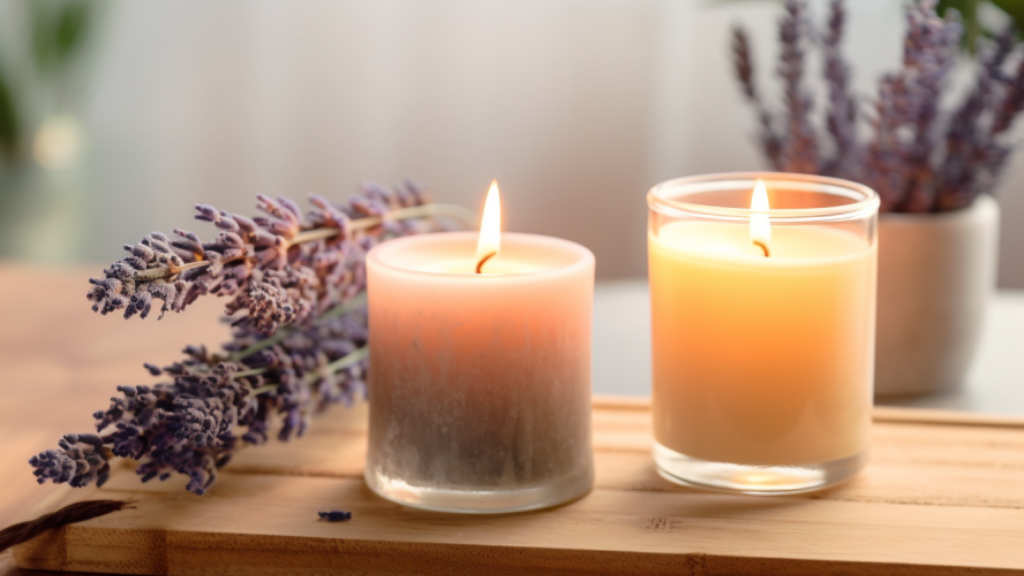
Myth: Soy burns clean. Paraffin fills your house with harmful soot.
The truth: Every candle produces some soot. Soot is carbon left over from incomplete combustion, and any burning wick makes it. That includes soy, coconut, beeswax, and paraffin.
The amount of soot a candle makes has far more to do with how it's built and how it's burned than with which wax you chose. An oversized wick, a heavy fragrance load, a draft from a fan or vent, or an untrimmed wick will smoke regardless of wax type. The paraffin used in candles today is highly refined and remains one of the most widely used waxes in the industry, partly because it holds fragrance well and gives a strong throw.
Soy has real advantages. It's plant-based, it comes from a renewable crop, and it burns slower, which gives longer burn times. Those are fair selling points. "Paraffin is poison" is not one of them.
For resellers: both waxes sell. Choose your wax on how it performs in your containers, how it holds your fragrance oils, and what it costs you per candle. If a soy story fits your brand, tell it honestly. Building your product line around a myth about a competitor's material is a weak foundation.
What actually affects a clean burn
- Wick size and type, matched to your container diameter and your specific wax
- Fragrance load, since too much oil interferes with combustion
- Container width and shape, which affect how the melt pool forms
- Airflow, since drafts make the flame dance and produce soot
- How your customer burns it, including whether they trim the wick
Myth: More Fragrance Oil Makes a Stronger Candle
Myth: Double the fragrance, double the scent.
The truth: Wax can only hold so much oil. Most candle waxes top out around 10% fragrance load by weight, and some hold less. Push past that ceiling and the oil has nowhere to go.
You'll see it fast. Oil pools on the surface or seeps out as the candle sits. Wet spots appear along the glass. The wick struggles and smokes because it's trying to burn oil that isn't properly held in the wax. In many cases the scent throw actually gets weaker, not stronger, because the excess oil is never bound to the wax in the first place.
Strong throw comes from balance. Right wick for the container. Right wax for the fragrance. A full cure time. Fragrance oil made for candle use.
For resellers: over-pouring fragrance is the fastest way to burn cash. Fragrance oil is usually the most expensive ingredient in your candle. Adding 15% instead of 8% means you've spent nearly twice as much per unit to make a product that performs worse and may leak in transit. Start around 6%, test up to your wax's maximum, and let burn tests tell you where to land.
Myth: Crayons and Food Coloring Work Fine for Coloring Candles
Myth: Save money on dye. Melt in a crayon or add a few drops of food coloring.
The truth: Food coloring is water-based. Wax and water don't mix. The color will bead up, sink, and separate rather than blending through.
Crayons are worse. Crayon color comes from solid pigment particles suspended in wax. Those particles don't dissolve, they travel up the wick, and they clog it. A clogged wick burns unevenly, smokes, drowns, or goes out on its own.
Use dye made for candles. Liquid dyes and block or chip dyes are oil-soluble, so they disperse fully through the wax without leaving solids behind.
For resellers: a smoking, self-extinguishing candle is a return, a refund request, and often a public review you can't undo. The few dollars saved on proper dye are nothing next to that.
Myth: Freezing Candles Makes Them Last Longer
Myth: Pop your candle in the freezer before lighting and it'll burn twice as long.
The truth: A candle flame burns at well over 1,000°F. Whether the wax started at 70°F or 10°F makes no meaningful difference once that flame is going. The wax reaches melting temperature within minutes either way.
Freezing can cause real damage, though. Wax contracts in the cold and can crack. Glass containers can develop stress fractures, especially if a frozen jar meets a hot flame. You risk breaking the product to chase a benefit that isn't there.
What genuinely extends burn time:
- Trim the wick to about 1/4 inch before every burn
- Let the first burn form a full melt pool that reaches the container edges, which usually takes three to four hours
- Don't burn longer than about four hours at a stretch
- Keep candles away from drafts, vents, and fans
For resellers: this one makes a good care card. Passing it on to your customers means their candle lasts longer, they think better of your product, and they come back.
Myth: Essential Oils Are Always Better Than Fragrance Oils in Candles
Myth: Essential oils are the natural choice, so they make better candles.
The truth: Essential oils and fragrance oils do different jobs, and candles are not where essential oils perform best.
Many essential oils are volatile. They're built to evaporate at low temperatures, which is exactly why they work in diffusers. In a candle, that same property works against you. The oil degrades at burning temperature, the scent shifts or fades, and results vary batch to batch.
Citrus oils like lemon, orange, and grapefruit are especially prone to this. Essential oils are also considerably more expensive per ounce, and the scent range is limited to what plants actually produce.
Fragrance oils are formulated for candle use. They're more heat-stable, they throw stronger, they come in scent profiles essential oils can't make, and they cost less. Africa Imports fragrance oils are made for exactly this kind of use.
You can make essential oil candles. Some makers do it well, usually with heat-tolerant oils, higher loads, and a lot of testing. Just go in knowing it's a harder path, not an automatic upgrade. And if you're marketing essential oil candles, keep the language about scent and atmosphere. Claims about treating conditions or health outcomes cross a line you don't want to cross as a seller.
For resellers: if you're selling a product whose main job is to smell good, fragrance oils usually give you better throw, better consistency, and better margin.
Two Mistakes That Are Really Myths
Some of the most common candle making mistakes come from beliefs people never stop to question.
Myth: you need every supply before you start
Beginners often buy four waxes, twelve fragrances, five wick types, and three container styles before pouring a single candle. Then they find out their wax and wick pairing doesn't work and most of it sits in a closet.
Buy the essentials for one setup. One wax, two or three fragrances, a small range of wick sizes for your chosen container. Get that combination right, then add to your range as orders come in.
For resellers: cash sitting in unused supplies is cash you can't spend on the products that are actually selling. Scale your inventory to your sales, not your ambitions.
Myth: a fresh candle is ready to burn right away
Curing is the time wax needs to fully set and the fragrance oil needs to bind. Test a candle the day you pour it and you'll get a misleading result, usually a weak throw that makes you think the fragrance failed.
Cure time varies by wax. Soy generally needs one to two weeks. Paraffin often needs less. Your supplier's guidance is the place to start.
For resellers: never judge a batch before it's cured, and never sell one either. A candle that ships under-cured performs badly in your customer's home and you'll never know why the reorder didn't co
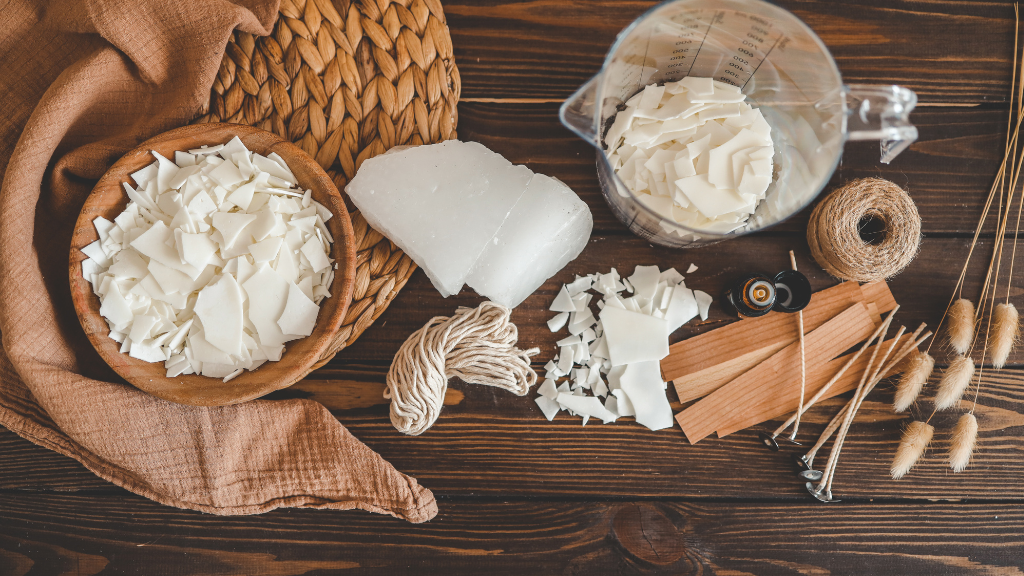
None of this is complicated. It's just less exciting than a shortcut.
- Choose a wax that suits your container and your fragrance
- Size your wick to the container diameter and test it
- Use fragrance oil made for candles, from a supplier you trust
- Add fragrance at the temperature your wax supplier recommends and stir thoroughly
- Stay within your wax's fragrance load limit
- Let every batch cure fully
- Burn test every new wax, wick, and fragrance combination before you sell it
Get these right and you don't need shortcuts. These basics beat every myth on this list.
FAQs
What is the superstition about candles?
Candle folklore goes back a long way. A flame that flickers without a draft is said to signal a spirit nearby. A flame that gutters or dies on its own is read as a warning. Blowing out birthday candles in one breath is supposed to make the wish come true. It's charming history, and some sellers lean into it around holidays. But the candle myths that actually cost makers money are practical ones about wax, wicks, and fragrance, not supernatural ones.
What is the 8-10 rule for candles?
It's a guide for scent coverage in a room: roughly one 8-ounce candle for every 10 feet of space. The idea is that scent spreads better from several well-placed candles than from one large one in a corner. If a customer says your candle "isn't strong enough," room size is often the reason rather than the candle itself. This is worth including on care cards for larger candles.
What is the 3-hour candle rule?
Light a new candle and let it burn until the melted wax reaches the edges of the container. In most medium jars that takes about three to four hours. This first burn sets the candle's memory and prevents tunneling, where only the center melts and wax builds up along the sides. Don't push much past four hours, though. Longer burns cause carbon buildup on the wick, more soot, and an overheated container.
What is the 84 rule in candle making?
It's a business rule, not a chemistry one. The advice is that a new candle maker should make and give away around 84 candles before selling any. The number itself isn't magic. The point is that 84 pours forces you through every problem you'll eventually face, including sinkholes, frosting, wet spots, tunneling, and wick failures, while the stakes are still low. You also collect honest feedback from people burning your candles in real rooms. Note that some sites use "84 rule" to mean burn time per ounce of wax. That version isn't reliable, and you should run your own burn tests before printing any burn time on a label.
How much fragrance oil should I use in a candle?
Start around 6% by weight and test upward. Most waxes max out near 10%, and some hold less. Check your wax supplier's stated maximum and don't exceed it. More fragrance past that point doesn't give more scent.
Does soy wax really burn cleaner than paraffin?
Not automatically. All candles produce some soot. Wick size, fragrance load, container shape, drafts, and burning habits affect soot far more than wax type does. Soy does burn slower, which gives longer burn times, and that's a fair point to make to customers.
Small Business Tip
Turn myth-busting into a selling point. Include a small care card with every candle you sell, telling customers to trim the wick to 1/4 inch before each burn, let the first burn form a full melt pool, and stop after about four hours. Customers who follow this get a candle that performs the way you intended, which means fewer complaints and more reorders.
On the supply side, buying wax, wicks, and fragrance oil in bulk does two things. It brings your per-candle cost down, and it keeps your scents consistent from batch to batch. Customers notice when a repeat purchase smells different from the first one. Test every new wax, wick, and fragrance combination before it goes to a customer. A candle that performs reliably protects your name and cuts your return rate.
Health and safety disclaimer
Candle making involves hot wax and open flame. Always follow the temperature guidance provided with your specific wax and fragrance oils, never leave melting wax unattended, and keep children and pets away from your work area. The information here is general craft and business guidance and does not replace the safety instructions supplied with your materials.
Build Your Candle Line With a Wholesale Partner That Gives Back
Africa Imports has helped small business owners stock up and grow for over 25 years. A large part of our profits fund schools, medical care, and skills training in Africa, so every order you place supports real communities and the people doing that work on the ground.
You get bulk pricing, low minimums, and business-ready products. Shop wholesale candle oils and start building candles your customers come back for.