 USD
USD  GBP
GBP  CAD
CAD  AUD
AUD 

If you've been paying attention to what your customers are asking for lately, you've probably heard the term "clean beauty" more than once. Maybe someone walked into your spa asking if your massage oils are "clean." Or a wholesale customer emailed wanting to know if your shea butter is "natural," "organic," or both.
Here's the thing: these terms mean different things to different people, and there's no legal standard defining any of them in the United States. But that doesn't make the clean beauty movement any less real or important for your business.
This movement is changing how consumers shop for skincare, body care, and wellness products. As a small business owner who sources wholesale natural ingredients, you're already positioned to meet this demand. You just need to understand what customers are actually looking for and how to talk about it honestly.
Let's break down what the clean beauty movement really means, where it came from, and how you can use these trends to grow your business without getting lost in marketing hype.
What "Clean Beauty" Really Means (and Why There's No Single Answer)
Here's what makes "clean beauty" confusing: there's no official definition. The FDA doesn't regulate the term, which means every brand and retailer gets to decide what "clean" means for them.
That said, most brands and customers rally around three main ideas when they talk about the clean beauty movement:
Ingredient safety. This is about avoiding certain chemicals that some research suggests could be harmful. We're talking parabens, sulfates, phthalates, synthetic fragrances, and formaldehyde-releasing preservatives. Different brands have different "no" lists, but ingredient safety is usually the starting point.
Transparency. Clean beauty brands are expected to be open about what's in their products and where those ingredients come from. Full ingredient lists, sourcing details, and clear labeling matter here. Customers want to know what they're putting on their skin and who made it.
Sustainability and ethics. This includes eco-friendly packaging, cruelty-free practices, fair trade sourcing, and giving back to communities. The movement recognizes that what's good for your skin should also be good for the planet and the people who grow or make the ingredients.
What's interesting is how the clean beauty movement has shifted over the past few years. It used to focus mainly on what products didn't contain; the "free from" lists. Now it's moving toward a more positive philosophy: what products do contain, where ingredients come from, and what values the brand stands for.
If you're sourcing oils, butters, and natural ingredients from suppliers who work directly with African communities, you're already aligned with these values. You just need to tell that story clearly.
How the Natural Beauty Movement Started It All
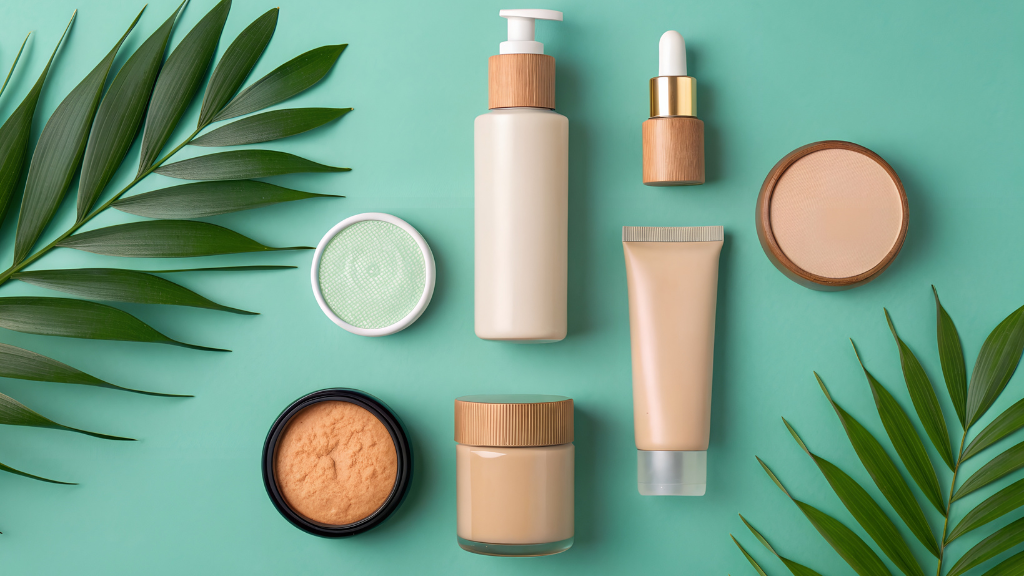
Before we had "clean beauty," we had the natural beauty movement. Understanding this history helps you talk about your products with more confidence.
Early 2000s: The Rise of “Natural”
The natural beauty movement took off in the early 2000s, driven by consumers who wanted plant-based, minimally processed skincare instead of synthetic formulas. Think back to when organic food was becoming mainstream; natural beauty rode that same wave. People started reading ingredient labels and asking questions about what they were putting on their skin.
Mid-2010s: Retailers Formalise the Trend
By the mid-2010s, major retailers caught on. Sephora launched its "Clean at Sephora" program in 2018, creating a list of ingredients it wouldn't carry. Credo Beauty built an entire business model around curated clean products. Whole Foods expanded its beauty sections. These retailers gave the movement structure and visibility.
2020s: Beyond Ingredients
Then came the 2020s. The conversation expanded beyond just ingredients. Consumers started caring about packaging waste, carbon footprints, fair wages for ingredient harvesters, and whether brands supported the communities they sourced from. Social media, especially TikTok and Instagram, made ingredient education accessible to millions of people. Hashtags like #CleanBeauty exploded.
2023–2025: Regulation and Accountability
Most recently, we've seen actual regulatory changes. In 2023, the US passed MoCRA (Modernization of Cosmetics Regulation Act), which expanded the FDA's authority over cosmetics. The European Union added 21 carcinogenic, mutagenic, or reprotoxic substances to its banned ingredients list in 2025, effective September 1. These regulations don't define "clean," but they do raise the bar for safety and accountability across the industry.
The Lasting Impact
The natural beauty movement laid the groundwork for all of this. It taught consumers to care about ingredients and ask questions. The clean beauty movement built on that foundation by adding transparency, ethics, and sustainability into the mix.
For suppliers like Africa Imports, who have been sourcing unrefined shea butter, baobab oil, and other natural ingredients from African communities for over 25 years, this movement validates what they've been doing all along. The market is finally catching up to values that have always mattered.
Natural vs Clean vs Organic: What's the Difference?
Let's clear up the confusion between three terms your customers might use interchangeably, even though they're not the same thing.
Natural Beauty - focuses on plant-based, naturally derived ingredients. A "natural" product typically means it comes from botanical, mineral, or animal sources rather than being synthesized in a lab. The catch? There's no legal definition of "natural" in US cosmetics regulations. A brand can call something natural even if only a small percentage of ingredients fit that description. Also important: natural doesn't automatically mean safer. Poison ivy is natural. Some people react to essential oils. Context matters.
Clean Beauty - is a broader umbrella term. It usually covers ingredient safety (avoiding certain chemicals), transparency about sourcing and formulation, and ethical practices around sustainability and community impact. Clean beauty products might include some safe synthetic ingredients, like certain preservatives that keep products from growing bacteria. The focus is on what's considered safe and responsible, not just what's derived from plants. Again, no legal standard exists, so each brand defines "clean" for themselves.
Organic Beauty - is the only one of these three terms with actual legal meaning, at least when it comes to agricultural ingredients. If a product is labeled "USDA Organic," it must meet specific government standards and pass third-party certification. The ingredients need to be grown without synthetic pesticides or fertilizers. However, this only applies to plant-based ingredients. Minerals, water, and some other components can't be "organic" by definition, which is why you'll see terms like "made with organic ingredients" instead of "100% organic" on most beauty products.
Here's what matters for your business: many of the wholesale ingredients you might carry, like unrefined shea butter from Ghana or cold-pressed baobab oil from Senegal qualify as both natural and clean under most definitions. If they're certified organic, even better. But you don't need to use all three terms to position your products well. Be specific about what you're actually selling. "Unrefined shea butter sourced directly from women's cooperatives in Ghana" tells a much better story than "clean, natural, organic beauty ingredient."
Why Consumers Care About Clean Beauty Right Now
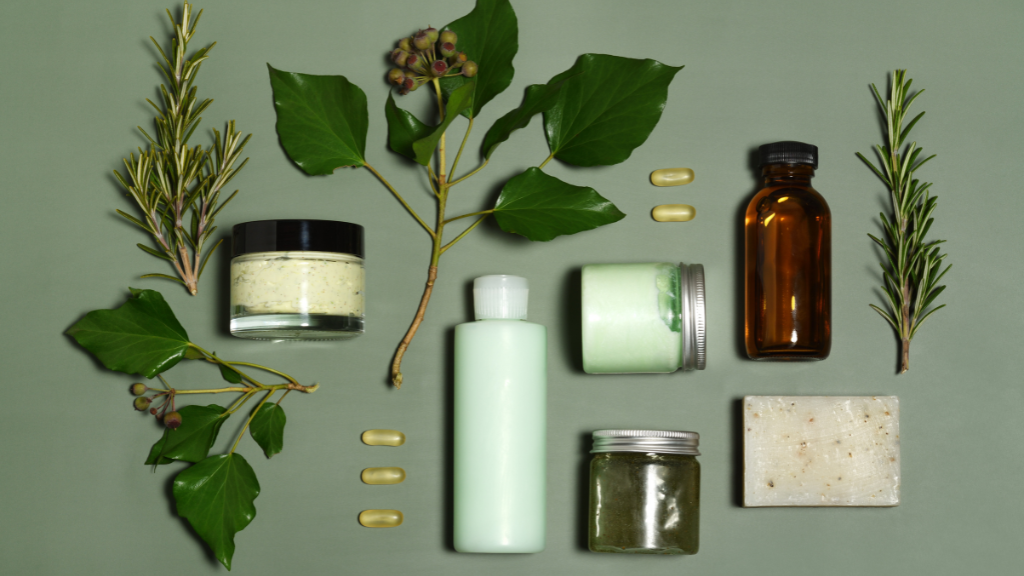
Understanding why customers care about the clean beauty movement helps you speak their language and meet their needs.
Health concerns are driving a lot of this. Consumers have become more aware of research linking certain cosmetic ingredients to hormone disruption, allergic reactions, and long-term health effects. While the science varies depending on the ingredient and exposure level, people are taking a "better safe than sorry" approach with products they use daily on their skin. They're reading labels and avoiding ingredients they've learned to be cautious about.
Transparency has become non-negotiable. Today's consumers don't just want to know what's in a product, they want to know where it came from, who made it, and whether those people were paid fairly. They're skeptical of vague marketing claims and want proof. This is actually good news for small business owners who source from suppliers with real relationships and real stories to tell.
Social media made ingredient education accessible. A decade ago, you needed to be a cosmetic chemist to understand an INCI list. Now, apps and influencers break down ingredients in plain language. TikTok videos explaining why someone avoids parabens get millions of views. Instagram posts showing behind-the-scenes sourcing build brand loyalty. Information that used to be hidden is now everywhere, and consumers are using it to make choices.
The wellness movement created a broader context. Clean beauty fits into a lifestyle shift toward holistic health. People who buy organic food, practice yoga, and care about mental health often extend those values to their skincare routine. They see their skin as connected to their overall well-being, not separate from it.
Environmental awareness matters more than ever. Consumers understand that their personal health is connected to planetary health. They're asking about packaging waste, carbon footprints, and whether ingredient harvesting harms ecosystems or communities. Brands that can answer these questions honestly build trust.
The numbers back this up. The global clean beauty market was valued at approximately $8.25 billion in 2023 and is projected to reach around $21.29 billion by 2030. That's significant growth, and it tells you this isn't a passing trend. Your customers will keep asking about these issues.
For small business owners, this creates opportunity. If you're sourcing ingredients from suppliers who prioritize ethical relationships and sustainable practices, you're already meeting this demand. You just need to communicate it clearly.
Regulations That Changed the Game in 2024–2025
While "clean beauty" itself isn't regulated, recent legal changes have raised the bar for cosmetic safety and transparency across the board. Here's what shifted:
United States: MoCRA (Modernization of Cosmetics Regulation Act)
Passed in 2022 and taking effect through 2023–2024, MoCRA gave the FDA more authority over cosmetics than it's had in decades. Key requirements include:
- Facility registration for manufacturers
- Product listing with the FDA
- Safety substantiation (brands must be able to prove their products are safe)
- Adverse event reporting (serious reactions must be reported to the FDA)
- Fragrance allergen labeling for certain ingredients
This doesn't define "clean" or ban specific ingredients outright, but it does require accountability. Brands can't just claim products are safe, they need documentation to back it up.
European Union: 2025 CMR Substance Bans
The EU added 21 substances classified as carcinogenic, mutagenic, or toxic to reproduction (CMR) to its Annex II banned list, effective September 1, 2025. Europe has long had stricter cosmetic regulations than the US, and this update continues that trend.
Why this matters for your business:
Even if you're not manufacturing products yourself, understanding these regulations helps you evaluate suppliers and answer customer questions. When a customer asks if your shea butter is "safe" or "clean," you can point to the fact that established suppliers navigate these regulations as part of their standard practice.
Suppliers with 25+ years of experience sourcing and importing natural ingredients have seen regulatory landscapes shift before. They adapt, maintain documentation, and ensure products meet safety standards. That track record matters when you're choosing who to work with.
What Ingredients Does Clean Beauty Avoid (and Why)?
Most clean beauty brands avoid certain categories of ingredients. Understanding why helps you talk about your products more confidently and honestly.
Potential irritants and allergens: Synthetic fragrances are a big one here. "Fragrance" on an ingredient list can represent dozens of undisclosed chemicals, some of which trigger reactions in sensitive skin. Certain essential oils can also be irritating, despite being natural. Harsh sulfates like SLS (sodium lauryl sulfate) can strip skin of natural oils, leading to dryness or irritation. These ingredients aren't necessarily dangerous, but they cause problems for some people.
Potential endocrine disruptors: This category includes parabens (preservatives), phthalates (often used in fragrances), and certain UV filters. Some research suggests these ingredients might interfere with hormone function. The science varies by specific ingredient and exposure level, and dose matters. But consumers have decided they'd rather avoid them when possible, which has pushed brands to find alternatives.
Potential carcinogens: Formaldehyde-releasing preservatives and certain heavy metal contaminants fall into this group. Again, context matters; cosmetics with trace amounts of these substances might pose minimal risk, but consumers are increasingly uncomfortable with any presence of ingredients linked to cancer.
Here's what's important to understand: reformulating products to avoid these ingredients isn't always straightforward. Some "clean" preservative alternatives have higher rates of causing allergic contact dermatitis than the ingredients they replaced. Natural doesn't automatically mean gentler. Some people react to botanical extracts or essential oils.
For businesses sourcing single-ingredient products, like pure carrier oils or unrefined butters, this gets simpler. A jar of 100% shea butter doesn't need preservatives or synthetic fragrances. Customers can see exactly what they're getting, which builds trust.
How Clean Beauty Brands Prove Their Claims
When a brand says their products are "clean," how do they back that up? Here are five ways credible brands demonstrate their commitment:
- Ingredient transparency. They publish full INCI (International Nomenclature of Cosmetic Ingredients) lists on their packaging and websites. No "proprietary blend" hiding what's actually in the formula. If they source specific ingredients from specific places, they say so.
- Third-party certifications. Rather than self-applying "clean" labels, they pursue outside verification. USDA Organic certifies organic ingredients. Leaping Bunny verifies cruelty-free practices. EWG Verified checks ingredient safety. B-Corp certification covers social and environmental responsibility. Nordic Swan Ecolabel focuses on sustainability. These certifications require documentation and regular audits.
- Safety substantiation. Especially under MoCRA, brands need to show they've assessed product safety. This might include toxicology reports, stability testing, or historical safety data. For small business owners, working with established suppliers who maintain this documentation protects you and your customers.
- Sustainable packaging practices. This includes using recycled materials, offering refillable containers, or running take-back programs. Some brands minimize packaging altogether. Actions speak louder than vague "eco-friendly" claims.
- Ethical sourcing. Brands demonstrate this through direct trade relationships, fair wage documentation, and community partnerships. If a company says they support African shea butter cooperatives, they should be able to tell you which cooperatives, where they're located, and how the partnership works.
For Africa Imports, these practices are built into the business model. Sourcing directly from African creators, cooperatives, and families for over 25 years creates the kind of relationships that can be documented and verified. Supporting orphaned children and schools in African communities through charitable partnerships shows commitment beyond just purchasing ingredients. Fast shipping and business-ready bulk quantities meet the practical needs of small business owners trying to grow.
When you work with suppliers who can demonstrate these practices, you inherit that credibility. You can tell those stories to your customers.
Case Studies: Brands Leading the Movement
Looking at how different brands approach clean beauty shows the range of strategies small business owners can learn from.
Scandinavian Minimalism: Nordic brands often hold Nordic Swan Ecolabel certification, which covers environmental impact across the entire product lifecycle. They emphasize design with simple, refillable packaging that reduces waste. Their marketing focuses on transparency and science rather than fear-based messaging. What small businesses can learn: certifications build trust, and minimalist approaches let the quality of ingredients speak for themselves.
US DTC Brands Navigating MoCRA: Some American direct-to-consumer brands have built their reputations on ingredient education, breaking down exactly what each component does and why it's included. As MoCRA requirements roll out, these brands are adapting by publishing safety substantiation documentation and being transparent about their compliance process. What small businesses can learn: regulatory compliance can be a selling point when you're willing to explain it clearly rather than hiding behind legal jargon.
Refill-Focused Models: A few pioneering brands have built entire business models around refills, either through mail-back programs or in-store refill stations. Customers buy a container once, then purchase just the product refill going forward, cutting down on packaging waste significantly. What small businesses can learn: sustainability doesn't have to be complicated or expensive. Offering bulk and wholesale purchasing options for loyal customers achieves a similar goal.
Each of these approaches works because it's backed by action, not just marketing claims. As a small business owner, you might not be able to get every certification or implement every program, but you can choose one or two practices that align with your values and commit to doing them well.
Is Clean Beauty Safer? What the Science Actually Says
This is where we need to be honest: the science is more complicated than the marketing suggests.
Understanding the Science
Some ingredients that clean beauty brands avoid do have research showing potential concerns. Studies have linked certain parabens to hormone disruption in animal models. Some UV filters have raised questions about endocrine effects. Formaldehyde-releasing preservatives are irritants for many people. These concerns are real.
But context matters. Dose matters. Exposure route matters. A chemical that causes problems when injected at high doses in a lab might pose minimal risk when applied topically at low concentrations in a leave-on product. The body metabolizes and eliminates many of these substances quickly.
“Clean” Isn’t Automatically Safer
Some "clean" reformulations have actually caused more problems than the ingredients they replaced. Research has shown that some alternative preservatives lead to higher rates of allergic contact dermatitis than parabens did. Natural fragrance alternatives can be more allergenic than synthetic ones. Replacing proven ingredients with less-studied alternatives isn't automatically safer.
For people with sensitive skin, very simple formulations often work best, which is why single-ingredient products like pure oils and unrefined butters have such appeal. There's less chance of a reaction when there are fewer ingredients overall.
Practical Takeaways for Small Businesses
For people with sensitive skin, simple formulations often work best, that’s why single-ingredient products like pure oils and unrefined butters appeal to many customers.
Encourage your audience to:
- Patch test new products.
- Observe skin reactions over time.
- Avoid over-promising results or safety claims.
“Clean” doesn’t mean risk-free, and what works for one person may not for another. Honesty about these nuances builds more trust than marketing claims ever could.
How to Talk About Clean Beauty with Your Customers
You don't need to become a cosmetic chemist or memorize every ingredient name to have confident conversations about clean beauty. Here's how to communicate clearly:
Focus on what products are, not just what they avoid. Instead of saying "paraben-free, sulfate-free, phthalate-free," say "made with unrefined shea butter from Ghana" or "cold-pressed baobab oil, nothing added." Positive descriptions tell a better story than a list of negatives.
Be honest about limitations. Use language like "some people find this works well for sensitive skin" or "traditionally used for dry skin in West African communities" instead of making medical claims. You're sharing information and customer experiences, not promising cures or treatments.
Share your sourcing story. If you source from suppliers who work directly with African communities, say so. If your shea butter comes from women's cooperatives that receive fair wages, tell that story. If a portion of sales supports schools or orphaned children, customers want to know. These aren't just marketing points—they're real differentiators in a market full of vague claims.
Admit what you don't know. If a customer asks a technical question you can't answer, it's okay to say "I'm not sure, but I can find out" or "My supplier would be able to explain that better." Honesty builds more trust than faking expertise.
Avoid fear-based messaging. Don't bash other products or scare customers about ingredients. Focus on why you chose your products, not why everything else is terrible. The clean beauty movement is at its best when it empowers people to make informed choices, not when it creates anxiety.
The goal is to make customers feel informed and confident, not confused or overwhelmed. Keep it simple, keep it honest, and connect every claim back to something real.
Building Your Business Around Clean Beauty Values
Whether you run a spa, operate a boutique, sell online, or create your own product line, you can align your business with what consumers are looking for without changing everything overnight.
Start with your supplier. Choose wholesalers who share your values. Ask questions: Where do ingredients come from? How are they processed? What's the supplier's relationship with the people who grow or harvest these ingredients? How long have they been in business? Suppliers with 25+ year track records have weathered industry changes and built real relationships you can point to.
Educate your customers. Share the free resources your supplier provides—usage guides, ingredient information, background stories. Create simple ingredient glossaries for your website or print materials. When customers understand products better, they trust you more and come back for refills. Education builds loyalty.
Position your brand through specific attributes. You don't need to plaster "clean beauty" all over your marketing. Let specific, factual descriptions do the work: "unrefined," "single-ingredient," "ethically sourced," "handmade in Ghana," "fair trade," "supports African communities." These concrete details mean more than trendy buzzwords.
Make transparency easy. Put full ingredient lists on your website. Share photos of sourcing or production if you have them. Write about the cooperatives or communities your supplier partners with. Answer common questions in your FAQ. Transparency doesn't have to be complicated—it just has to be real.
Keep it real with your claims. Don't say products "cure" or "treat" conditions unless you have FDA approval to make medical claims (which you probably don't). Avoid promising miracles. Under-promise and over-deliver through quality and service. Your reputation matters more than individual sales.
Price fairly. Ethical sourcing, fair wages, and sustainable practices do cost more than exploitative supply chains. Most customers understand this and will pay a bit more when they know why. Explain the value: "This shea butter costs more because the women who make it earn living wages and the profits support their children's education." That context justifies price and builds loyalty.
Remember: your customers want to support businesses that align with their values. They're looking for partners, not just vendors. When you source thoughtfully and communicate honestly, you become the kind of business they want to succeed.
A Two-Minute Buyer's Checklist for Clean Beauty Products
Use this checklist when evaluating products or suppliers:
☐ Read the full ingredient list. Look for recognizable ingredients and check for anything you or your customers might be sensitive to. Avoid products that don't list all ingredients.
☐ Check for third-party certifications. USDA Organic, Leaping Bunny, EWG Verified, B-Corp, and others add credibility because they require outside verification, not just self-applied labels.
☐ Research the brand's sourcing. Where do ingredients come from? Does the brand have direct relationships with suppliers? Can they tell you specific regions or communities?
☐ Look at packaging practices. Is packaging recyclable, refillable, or made from recycled materials? Does the brand offer bulk options that reduce waste?
☐ Verify safety substantiation. Can the brand explain how they ensure product safety? This is now required under MoCRA, so established suppliers should have documentation.
☐ Watch for greenwashing red flags. Vague claims like "eco-friendly" or "all-natural" without specifics are warning signs. Look for concrete details instead.
☐ Patch test before full use. Even "clean" products can cause reactions in some people. Test a small amount on your inner arm before applying to the face or large areas.
☐ Trust your own experience. If a product irritates your skin or doesn't work for you, stop using it regardless of its "clean" claims or certifications.
Frequently Asked Questions About Clean Beauty
Is the clean beauty movement regulated in the US?
No, "clean beauty" has no legal definition in the US. The FDA doesn't define the term, but recent regulations like MoCRA (2023) have increased safety requirements for all cosmetics.
What's the difference between natural beauty and clean beauty?
The natural beauty movement focuses on plant-based, naturally derived ingredients. Clean beauty is broader, covering ingredient safety, transparency, sustainability, and ethics.
Is natural skincare safer than synthetic?
Not automatically. Some natural ingredients (like certain essential oils) can irritate sensitive skin, while some synthetics are very safe. Safety depends on the specific ingredient, concentration, and individual skin type.
Which clean beauty certifications actually matter?
Trusted certifications include USDA Organic (for organic claims), Leaping Bunny (cruelty-free), EWG Verified (ingredient safety), B-Corp (social and environmental standards), and Nordic Swan (European sustainability).
What ingredients does clean beauty avoid and why?
Most clean beauty brands avoid parabens (potential hormone disruptors), sulfates (can be drying), synthetic fragrances (common allergens), phthalates (endocrine concerns), and formaldehyde-releasing preservatives (carcinogen concerns). However, evidence varies by ingredient, and "clean" lists differ between brands. Context and dose matter.
How did the clean beauty movement start?
The movement grew from the natural beauty trend of the early 2000s. As consumers learned more about cosmetic ingredients, retailers like Sephora (2018) and Credo created "clean" standards.
Can I trust "clean" labels on beauty products?
Not always. Without a legal definition, brands self-apply "clean" labels based on their own standards. Look for third-party certifications, read full ingredient lists, research the brand's sourcing practices, and watch for vague marketing claims.
How can small businesses use clean beauty trends?
Stock products that align with clean beauty values: single-ingredient oils, unrefined butters, ethically sourced ingredients, and simple bars like activated charcoal soap where customers can read every line of the label. Teach customers about where products come from and how they're made.
Using Clean Beauty Trends to Grow Your Wholesale Business
The clean beauty movement isn't just a trend for consumers; it's an opportunity for small business owners. If you're reselling natural products or creating your own skincare line, here's how to position yourself:
Stock unformulated, single-ingredient products. Items like pure carrier oils, unrefined shea butter, and raw butters let customers see exactly what they're getting. There's no guessing about hidden ingredients. These products also give your customers flexibility, they can use them straight or blend them into their own formulations.
Tell your sourcing story. Customers connecting with clean beauty values want to know where products come from. If you work with suppliers who source directly from African communities, share that story. Ethical sourcing isn't just a buzzword, it's a real differentiator. Mentioning the cooperatives, regions, or families behind your products creates connection and trust.
Educate instead of selling. Offer free usage guides, ingredient information, and simple explanations. When customers understand products, they trust you more and come back for refills. Position yourself as a resource, not just a seller. The businesses that survive long-term are the ones that help customers succeed.
Create simple, honest labels. Whether you're private labeling or reselling, focus on specifics: "100% unrefined shea butter from Ghana" tells a better story than "clean, natural beauty oil." Your transparency will stand out in a market full of vague claims. Don't oversell—let the facts speak for themselves.
The best part? Many wholesale suppliers already align with clean beauty values. You just need to tell the story your customers want to hear.
The clean beauty movement is here to stay, and that's good news for small business owners who value transparency, ethics, and quality. You don't need to overhaul your entire business or chase every trend. You just need to understand what customers are asking for, source from suppliers who share your values, and communicate honestly about what you're selling.
If you're looking for wholesale natural oils, unrefined butters, and ethically sourced ingredients that align with clean beauty principles, suppliers like Africa Imports have built their businesses on these values for decades. Direct relationships with African communities, transparent sourcing, and support for education and welfare programs aren't new trends, they're foundational practices.
The clean beauty movement is simply catching up to what conscientious suppliers have been doing all along. Now it's your turn to tell that story to your customers.
Ready to stock products that meet clean beauty demands?
Check out Africa Imports' wholesale natural oils or read our free guides to start educating your customers today.