 USD
 GBP
 CAD
 AUD

If you've been hearing more about digestive bitters lately, you're not alone. Customers are asking about them at wellness shops, pop-ups and online, and more small business owners are adding them to their shelves. Whether you're curious for yourself or your customers keep asking you, this guide gives you straight answers.
Digestive bitters are liquid extracts of bitter plants such as gentian, dandelion and burdock root. The bitter taste switches on taste receptors in your mouth and gut. This may prompt more saliva, stomach acid, bile and digestive enzymes. Research is still limited, and bitters aren't right for everyone, so read the label and the safety list first.
Below, we cover how bitters work, the benefits research suggests, how and when to take them, side effects, and the bitters Africa Imports carries for your business.
What Are Digestive Bitters?
Digestive bitters are herbal extracts made from bitter roots, barks, leaves and peels, usually in an alcohol or glycerin base. Most digestive bitters come as drops, sprays or larger-dose liquid tonics, often called living bitters. The tonic format gets its own section below, because it's the one most of our customers buy.
Bitter herbs have a long history:
- They're part of traditional Chinese medicine and Ayurveda
- In the 18th century, a doctor named George Cheyne made a bitters remedy from wormwood, horseradish, watercress and angelica root.
- Swedish bitters date back to the early 1700s.
Digestive bitters vs cocktail bitters
Cocktail bitters, such as Angostura, are made to add flavor to drinks, a dash at a time. Digestive bitters are made to be taken on their own, in small amounts around meals. Both use bitter plant compounds, but they do different jobs.
How Do Digestive Bitters Work?
The short answer is that the bitter taste is the trigger. Here's the sequence researchers describe:
- Bitter compounds touch taste receptors on your tongue, called T2Rs (or TAS2Rs).
- Your mouth makes more saliva, which starts breaking down starches and fats.
- Your stomach releases more gastric juice, including stomach acid and an enzyme called pepsin.
- Bitter receptors in your gut prompt the release of a hormone called cholecystokinin (CCK).
- CCK signals your gallbladder to release bile and your pancreas to release digestive enzymes.
Digestive Bitters Benefits: What Research Suggests
What follows reflects early research and traditional use, not proven medical effects.
May help you make more saliva
Bitter taste may increase saliva, which is the first step in digestion. Saliva contains enzymes that start breaking down carbohydrates and fats before food reaches your stomach.
What we know: this is the best-supported effect. A bitter taste gets saliva flowing.
May support stomach acid and digestion
Bitters may increase the gastric juices your stomach uses to break down food. Cleveland Clinic's dietitian says this may help people whose digestive discomfort comes from low stomach acid. When food breaks down well, your body can make better use of it.
What we know: expert opinion supports this, but there are few human trials.
May support bile flow and fat digestion
Bitter receptors in the gut may prompt the release of CCK, which tells your gallbladder to release bile. Bile helps your body break down the fats in a meal. This is also why people with gallbladder disease should avoid bitters.
What we know: most of this evidence comes from animal and cell studies.
May ease occasional bloating and fullness after meals
When food breaks down and moves along more easily, some people feel less heavy or gassy after a big meal. This is one of the most common reasons people try digestive bitters for bloating. It can go the other way, though. Cleveland Clinic notes that in people prone to digestive issues, bitters can cause bloating and cramping.
What we know: this rests mostly on traditional use and personal reports.
May play a small role in appetite
Bitter compounds may affect gut hormones linked to hunger, such as ghrelin and PYY. In one small 2015 study of 20 healthy adults, a bitter compound called quinine, released in the gut, led people to eat fewer calories at their next meal. Cleveland Clinic says the evidence for bitters and weight loss is slim. Treat this as an early finding, not a reason to take bitters.
What we know: small human studies with mixed results.
|
Benefit |
What may happen |
What the evidence looks like |
|
More saliva |
Starts breaking down starches and fats |
Well established that bitter taste increases saliva |
|
Stomach acid |
More gastric juice to break down food |
Supported by expert opinion, few human trials |
|
Bile and enzymes |
CCK may prompt bile and pancreatic enzymes |
Mostly animal and cell studies |
|
Less bloating |
Food may break down and move more easily |
Mostly traditional use and anecdotal reports |
|
Appetite |
Gut hormones linked to hunger may shift |
Small human studies with mixed results |
Do Digestive Bitters Work?
They may help some people with mild, occasional digestive discomfort, especially after rich or heavy meals. But strong human research is still missing, and results vary from person to person. For a closer look at the science, see the 2015 review "Bitters: Time for a New Paradigm".
Bitters may suit adults who sometimes feel heavy after meals and have no digestive conditions. If you have a gallbladder, stomach, liver or kidney condition, take medication, or are pregnant, read the side effects section before you try them.
Bitter foods are another option. Arugula, dandelion greens, radicchio, kale, Brussels sprouts and cranberries all bring bitterness to a meal.
Common Herbs Found in Digestive Bitters

Different formulas use different blends. These are the herbs you'll see most often, what each is traditionally used for, and the caution that goes with it.
|
Herb |
Traditionally used for |
Caution |
|
Gentian root |
Appetite and digestive secretions |
Avoid with low blood pressure |
|
Dandelion root |
Bile and fat digestion |
May affect how some antibiotics are absorbed |
|
Burdock root |
Digestion, often in broad formulas |
May interact with blood thinners and diabetes medicines |
|
Wormwood |
Bloating and indigestion |
Avoid with kidney problems, seizures or pregnancy |
|
Artichoke leaf |
Bile flow and fat digestion |
Avoid with gallstones |
|
Ginger |
Nausea and moving food along |
Generally well tolerated in food amounts |
|
Orange peel |
Flavor and digestion |
Generally well tolerated in food amounts |
|
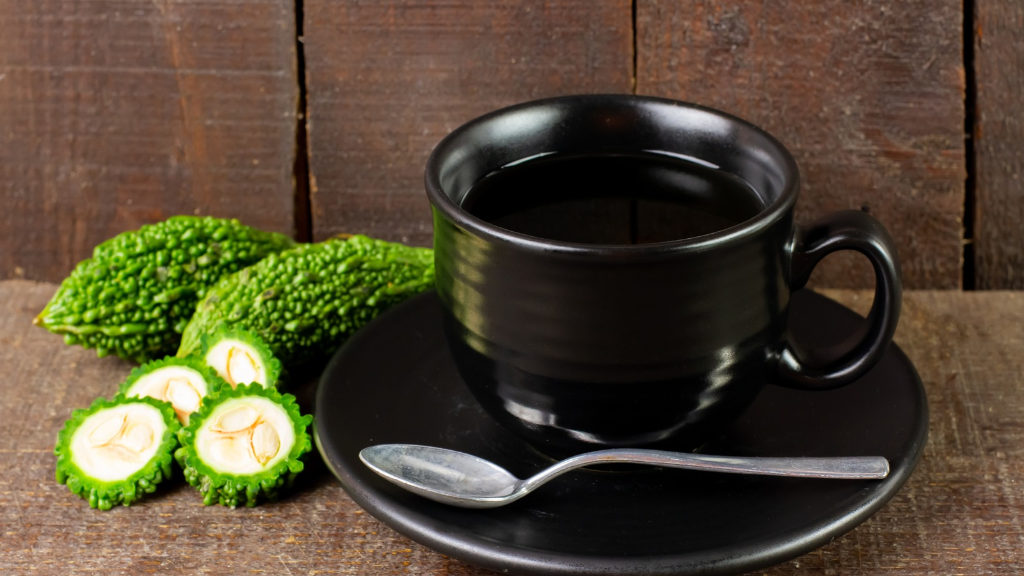
Bitter melon (bitter gourd) |
Traditional use in many cultures |
Ask a doctor if you take diabetes medicines |
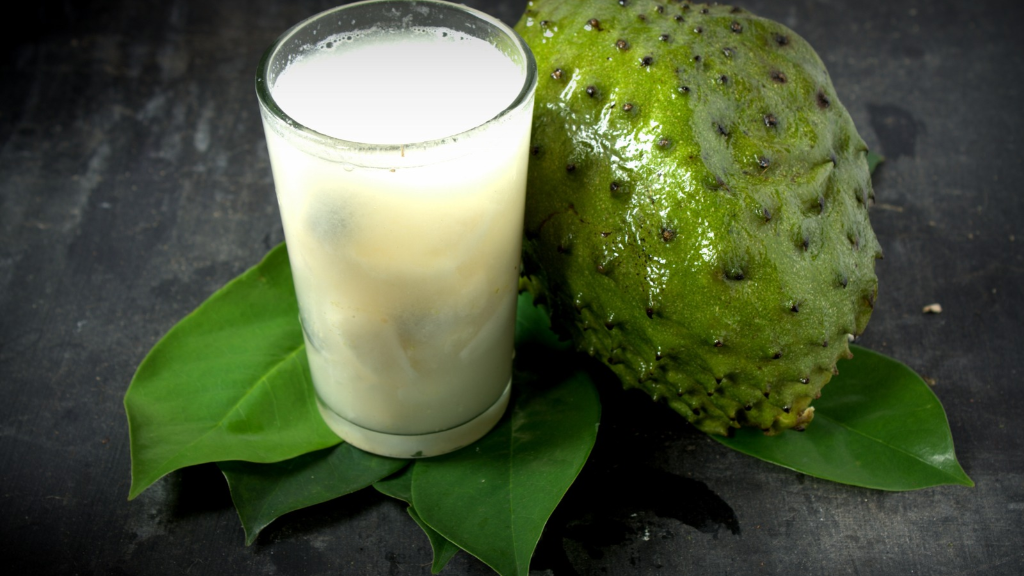
Many of the bitters we carry also include bitter melon, ginger, orange peel, moringa, sea moss, soursop and black seed. Black seed is a familiar name for customers who already buy black seed oil. Many of these herbs also appear in our herbal remedies.
Tinctures vs Living Bitters: Two Ways to Take Bitters
This is where most dosing confusion comes from. "Herbal bitters" can mean two quite different products.
- Tincture-style digestive bitters are concentrated. You take a few drops or one spray at a time, usually before meals.
- Living bitters and herbal tonics are larger blends, often with 20 to 30 or more herbs, taken by the teaspoon or tablespoon. They're popular with African, Caribbean and African American wellness customers, and they make up most of the bitters range we carry.
|
Feature |
Tincture-style bitters |
Living bitters and tonics |
|
Typical serving |
A few drops or one spray |
One teaspoon to two tablespoons |
|
Typical timing |
Shortly before meals |
Before or after meals, depending on the label |
|
Herbs per bottle |
A few |
Often 20 or more |
|
Laxative herbs |
Uncommon |
Some contain senna, so check the label |
|
Taste |
Very bitter |
Bitter, often with honey or fruit notes |
A note on senna: some tonic bitters contain senna, a stimulant laxative. Its effect on bowel movements is separate from the bitter taste reflex. Most medical advice says not to use senna for more than one week without the supervision of a healthcare provider. Always read the label.
Soursop Bitters is one of the most popular formulas we carry, made with soursop and 21 herbs and roots. If your customers are choosing between the two most familiar formulas, our comparison of soursop and black seed bitters.
How to Take Digestive Bitters
Rule one: follow the label. Products differ a lot, from a few drops to two tablespoons, so the label is your guide.
When to take digestive bitters:
- For drop-style bitters, it’s recommended to take about 15 minutes before a meal.
- Human studies have given bitters to participants 30 to 60 minutes before eating.
- Some tonic labels say to take them after meals. Our Soursop Bitters label, for example, says two teaspoons after each meal.
How to take them:
- Let the bitters touch your tongue. A little water is fine, but hiding the taste fully may blunt the effect.
- If the taste is what stops you, our bitters drink recipes show ways to soften it.
- Start with the smallest serving on the label and see how your body responds.
How long do digestive bitters take to work?
The taste reflex is fast. Saliva starts to flow within minutes of tasting something bitter. Beyond that, there's no research-backed timeline for ongoing digestive comfort, and results vary from person to person.
Can you take digestive bitters every day?
Many people take bitters daily as part of their meals. There are two exceptions:
- Formulas with senna: don't use them for more than one week without a healthcare provider's advice.
- Anyone with a health condition or on medication: check with your doctor first.
Digestive Bitters Side Effects and Who Should Avoid Them
Bitters aren't right for everyone. Possible side effects include:
- Heartburn or reflux flare-ups
- Bloating and cramping
- Nausea or upset stomach
- Diarrhea or gas
Loose stools are more likely with formulas that contain senna.
Allergic reactions are rare but serious. Get emergency care right away if you notice any of these after taking bitters.
- Swelling of the throat or tongue
- Trouble breathing or wheezing
- Fainting
- Clammy skin
- Confusion
Avoid digestive bitters if you have:
- Gallbladder disease
- Gastritis
- A hiatal hernia
- Peptic ulcers
- Inflammatory bowel disease
- Kidney stones or kidney disease
- Liver problems
Also avoid bitters during pregnancy or breastfeeding, and don't give them to children. Many bitters are alcohol-based, so avoid them if you're in recovery from alcohol use.
Talk to a doctor first if you take blood pressure medicines, insulin or other diabetes medicines, blood thinners or antibiotics. The same applies if you have epilepsy, low blood pressure or a bleeding disorder. Bitters with activated charcoal can affect how medicines are absorbed. Our charcoal formula's label says to take it at least two hours apart from other medications.
Bitters aren't regulated by the FDA in the same way as medicines, so strength varies from product to product.
Are bitters good for acid reflux?
Some people use bitters for occasional indigestion. But Cleveland Clinic warns that extra stomach acid can make reflux and heartburn worse in people who are prone to them. If you have ongoing reflux, talk to your doctor before trying bitters.
Digestive bitters vs digestive enzymes
Bitters prompt your body to make more of its own digestive juices. Enzyme supplements add enzymes from outside the body. They work in different ways, and a doctor can help you decide what fits your needs.
Which Bitters Does Africa Imports Carry?
We carry a wide range of ready-to-resell bitters and herbal tonics. These are the formulas in stock now:
|
Product |
Size |
Label directions |
Contains senna? |
|
Soursop Bitters |
16 oz / 8 oz |
Two teaspoons after each meal |
No |
|
Black Seed Detox Bitter Tonic |
16 oz |
Two tablespoons twice daily, preferably before meals |
No |
|
Moringa Detox Living Bitters |
8 oz |
Two tablespoons twice daily before meals |
Yes, one-week limit on label |
|
Black Seed Living Bitters |
8 oz |
Two tablespoons twice a day, before breakfast and the evening meal |
Yes |
|
Soursop & Turmeric Living Bitter |
8 oz/16 oz |
Add to drinks or use as directed on the label |
Yes, one-week limit on label |
|
Jamaican Wood & Neem Living Bitter |
16 oz |
Follow the label; can be added to drinks |
No |
|
Activated Coconut Charcoal Living Bitter |
16 oz |
Measured dose on the bottle, preferably after meals |
Yes, one-week limit on label |
|
Herb To Body: Super Sea Moss Bitters |
16 oz |
Two tablespoons daily |
Yes |
|
Set of 6 Bitters |
Six bottles, mixed sizes |
See each bottle |
Varies by bottle |
Bitters will have some solid or partly solid herbs in the liquid. This is normal, so shake well before each use.
Customers who already buy sea moss products often pick up Herb To Body: Super Sea Moss Bitters alongside them. It contains senna, so point them to the label.
Selling Digestive Bitters in Your Wellness Business
Bitters sell steadily once your customers know what they are. Here's what to know before you stock them.
Who buys bitters
Your best bitters customers already buy sea moss, black seed oil, moringa and herbal teas.They're already thinking about digestion, so bitters fit what they're looking for. You don't need to create demand. You just need to show them what's on your shelf.
Start with a sampler
The Set of 6 Bitters lets you try six formulas before you buy any one of them in bulk. More than 3,000 sets have sold, so it's a well-tested way to find out which formulas your customers come back for.
Store and ship them well
- Keep bottles upright, in a cool, dry place away from heat and sunlight.
- Check each label, since some formulas ask you to refrigerate after opening.
- Tell customers that sediment is normal and to shake well before use.
- Liquid bottles can be damaged in freezing weather, so plan cold-season shipping with extra packing.
Talk about them honestly
Give customers a simple script: "Read the label, start small, and ask your doctor first if you take medicine, are pregnant or have a digestive condition." Point out which products contain senna, and explain the one-week limit. Honest advice builds more repeat customers than big promises.
Digestive Bitters FAQs
What are digestive bitters good for?
Digestive bitters may help your body make more saliva, stomach acid and bile, which are all part of breaking down food. Some people find they feel less heavy or bloated after rich meals. The evidence is still limited, though, and much of it comes from animal studies and traditional use rather than large human trials.
Who should not take digestive bitters?
Avoid bitters if you have gallbladder disease, gastritis, a hiatal hernia, peptic ulcers, inflammatory bowel disease, kidney stones or kidney disease, or liver problems. They're also not for pregnancy, breastfeeding, children, or people in recovery from alcohol use. If you take medication, talk to your doctor first.
Is apple cider vinegar a digestive bitter?
No. Apple cider vinegar tastes sour, not bitter, because of its acetic acid. That means it isn't a bitter in the strict sense, even though some websites describe it that way. Some drinks and tonics combine apple cider vinegar with bitter herbs, but the two work in different ways.
Is it okay to take digestive bitters every day?
Many people take bitters daily with meals. The main exception is formulas that contain senna. MedlinePlus advises against using senna for more than one week without a healthcare provider's advice. If you have a health condition or take medication, check with your doctor before using bitters daily.
How long do digestive bitters take to work?
The taste reflex starts within minutes, as saliva begins to flow. Beyond that, there's no research-backed timeline for ongoing digestive comfort. Results vary by person and by product, and nobody can promise a set result.
Do bitters really help with digestion?
They may help some people with mild, occasional digestive discomfort. The strongest evidence is for increased saliva. Effects on stomach acid, bile and bloating are less proven.
What is the difference between digestive bitters and digestive enzymes?
Digestive bitters prompt your body to make more of its own digestive juices, including enzymes. Digestive enzyme supplements add enzymes from outside the body. They work differently, and a doctor can help you decide which, if either, fits your needs.
What is the difference between digestive bitters and cocktail bitters?
Both use bitter plant compounds. Cocktail bitters, such as Angostura, add flavor to drinks a dash at a time. Digestive bitters are taken on their own, in small servings around meals, to support digestion.
Do digestive bitters help with constipation?
Bitters themselves aren't laxatives. However, some tonic-style bitters contain senna, which is a stimulant laxative and is meant for short-term use only. If you have ongoing constipation, talk to a doctor rather than relying on bitters.
Health and Safety Disclaimer
These statements have not been evaluated by the Food and Drug Administration. These products are not intended to diagnose, treat, cure or prevent any disease. Read each product label. Ask a healthcare provider before use if you are pregnant, breastfeeding, taking medication or have a health condition. Keep out of reach of children. Stop use if you have a reaction.
Stock Digestive Bitters That Help Fund Schools in Africa
Over half of Africa Imports' profits fund schools, medical care and skills training in Africa. Every bottle you stock helps support that work. Start with the Set of 6 Bitters or a customer favorite like Soursop Bitters, then shop our full bitters range for your store, spa or pop-up.