 USD
USD  GBP
GBP  CAD
CAD  AUD
AUD 
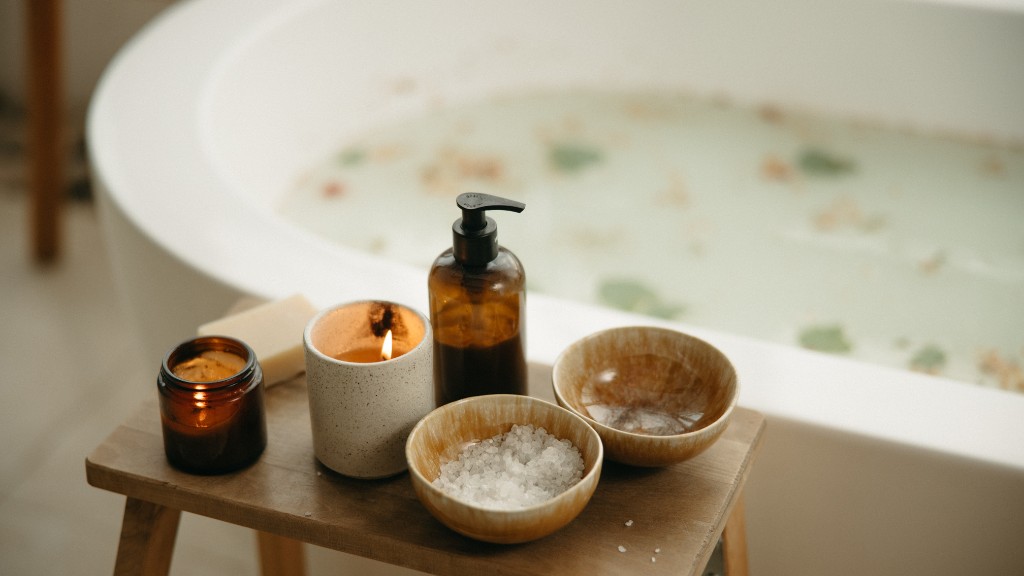
Making bath salts with fragrance oil is one of the simplest DIY projects you can try at home, and one of the most rewarding if you're looking to start or grow a small business. Whether you want to create relaxing spa-like soaks for yourself or develop a product line to sell at markets and online, this guide walks you through everything you need to know.
Bath salts are affordable to make, easy to customize, and always in demand. And when you use fragrance oils instead of essential oils, you get access to a much wider range of scents that hold up better over time.
What You Need to Make Scented Bath Salts
Before you start mixing, gather your ingredients and equipment. Having everything ready makes the process faster and helps you avoid mistakes.
Ingredients
Base salts: Epsom salt is the most popular choice because it dissolves well and is widely available. You can also use sea salt, Himalayan pink salt, or a combination of all three for different textures and mineral content.
Fragrance oil: Choose a skin-safe fragrance oil (also called body-safe or cosmetic-grade). Not all fragrance oils are made for skin contact, so check the product specifications before you buy.
Carrier oil: Jojoba oil, sweet almond oil, or fractionated coconut oil help disperse the fragrance evenly through the salts. Carrier oils also add a moisturizing element to your bath salts.
Optional add-ins:
- Baking soda for extra skin softening
- Polysorbate 80 to help oils mix into bathwater instead of floating on top
- Colorants like soap-safe dyes or mica powder
- Dried flowers or botanicals like lavender buds or rose petals
Equipment
- 2 glass mixing bowls (one large, one small)
- Measuring cups and spoons
- Baking sheet lined with parchment paper
- Gloves for handling fragrance oils and colorants
- Airtight glass jars for storage
Step-by-Step Bath Salt Recipe with Fragrance Oil
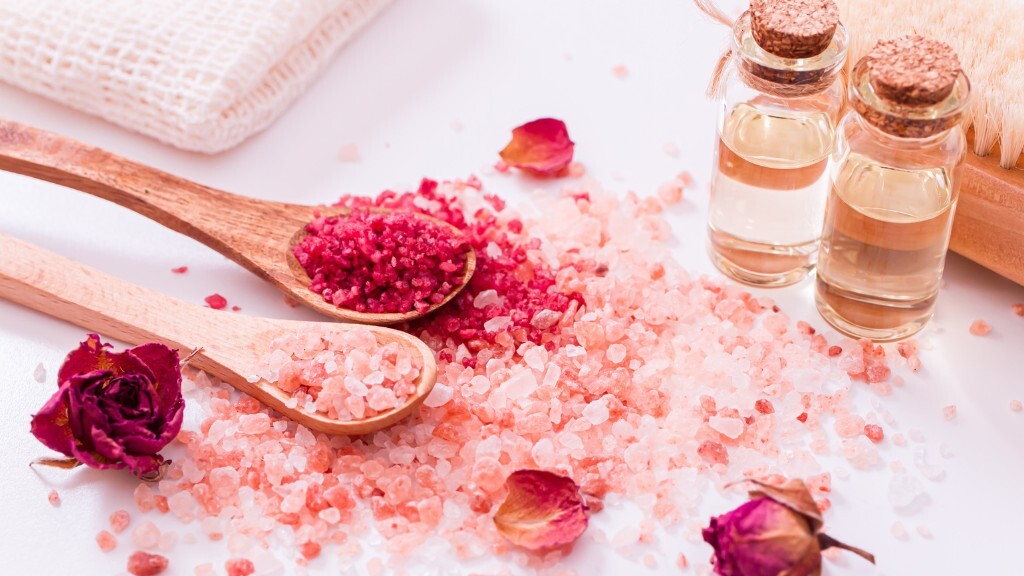
This basic recipe makes about 2 cups of scented bath salts which should be enough for 4-8 baths depending on how much you use per soak.
Step 1: Measure and Mix Dry Ingredients
Add 2 cups of Epsom salt (or your preferred salt blend) to a large glass bowl. If you're using baking soda, add ¼ cup now. Use a spoon to break up any clumps and mix until combined.
Step 2: Prepare the Liquid Mixture
In a smaller bowl, combine:
- 15-20 drops of fragrance oil (about 1 teaspoon)
- 1-2 tablespoons of carrier oil
- A few drops of Polysorbate 80 (optional, but helps oils disperse in water)
Stir the liquid ingredients together until they're well blended.
Step 3: Combine Wet and Dry Ingredients
Pour the liquid mixture over the dry salts. Mix thoroughly until every grain is coated and the mixture has a slightly damp, sandy texture.
If you're adding color, do it now. Add colorant a few drops at a time and mix well between additions. A little goes a long way, and you can always add more, but you can't take it away.
Step 4: Dry the Bath Salts
Spread your mixture in a thin, even layer on a parchment-lined baking sheet. Let it air dry in a cool, dry place for several hours. Overnight is best.
This step matters more than most people realize. If you store damp salts, the fragrance and color will sink to the bottom of your jar, and clumps will form. In humid climates, drying may take longer, just wait until the salts feel completely dry and flow freely.
Step 5: Store in Airtight Containers
Once dry, transfer your bath salts to clean glass jars with tight-fitting lids. Store them away from direct sunlight and moisture.
Label each jar with the scent name and the date you made them. This helps you track freshness and keeps your collection organized.
How Much Fragrance Oil to Use in Bath Salts
Getting the fragrance level right takes a little practice. Too little and you won't smell anything in the bath. Too much and it can irritate skin.
General guidelines:
- For a light to medium scent: 15-20 drops (about 1 teaspoon) per 2 cups of salt
- For larger batches: 0.2-0.3 oz of fragrance oil per 16 oz (1 lb) of salt
Always check the fragrance oil's IFRA certificate or product page for the recommended skin-safe usage rate. Some fragrance oils have lower limits than others.
Start with less fragrance and add more if needed. It's much easier to add than to remove.
One advantage of fragrance oils over essential oils: they tend to hold their scent longer in bath salt applications. Essential oils can fade or oxidize faster, especially citrus scents.
Can You Use Fragrance Oils in Bath Salts?
Yes, you can use fragrance oils in bath salts, but they need to be skin-safe.
This is where a lot of DIY bath salt makers run into trouble. Fragrance oils designed for candles, wax melts, or room sprays are not always safe for skin contact. They may contain ingredients that can cause irritation or allergic reactions when applied to skin or dissolved in bathwater.
Look for fragrance oils labeled as:
- Body-safe
- Cosmetic-grade
- Skin-safe
- Bath and body approved
When in doubt, check the product specifications or ask the supplier.
Fragrance oils vs. essential oils
These are different products that work differently in bath salts.
Fragrance oils are synthetic or semi-synthetic blends created in a lab to produce specific scents. They offer a huge range of aromas, from designer perfume dupes to bakery scents to fresh ocean breezes. Many hold their scent well over time.
Essential oils are plant-derived and contain natural aromatic compounds. Some people prefer them for aromatherapy purposes, though benefits vary and are not guaranteed.
Both types can work in bath salts when used at safe levels. Your choice depends on the scents you want and what your customers (or you) prefer.
Fragrance Oil Scent Ideas for Bath Salts

Not sure which scents to try? Here are some popular fragrance oil combinations organized by mood:
Relaxing Blends
- Lavender
- Chamomile
- Vanilla
- Sandalwood
Energizing Blends
- Lemon or orange
- Grapefruit
- Peppermint (use sparingly as it can tingle)
- Eucalyptus
Warm and Cozy
- Egyptian musk
- Amber
- Cinnamon spice
- Brown sugar
Fresh and Clean
- Ocean breeze
- Cucumber melon
- Fresh linen
- Rain
When you're making bath salts to sell, offering 3-5 scent options gives customers enough variety without overwhelming your production schedule.
Tips for Better Bath Salts
Preventing Clumping
Clumpy bath salts are a common problem, but they're avoidable:
- Make sure your salts are completely dry before storing
- Use airtight containers to keep moisture out
- Add dendritic salt (5-10% of your recipe) to help absorb moisture and hold fragrance
- Store jars in a cool, dry place, not the bathroom
If clumping happens anyway, the salts are still usable. Just break them apart with a spoon before use.
Helping Oils Disperse in Water
Without a dispersant, fragrance and carrier oils will float on top of your bathwater instead of mixing in. This can leave an oily ring on your tub and means the scent isn't distributed evenly.
To fix this, add Polysorbate 80 when you're preparing your liquid ingredients. Use equal parts Polysorbate 80 and fragrance oil. This helps the oils blend into the water so they don't just sit on the surface.
Adding Color
Use soap-safe colorants or mica powder for best results. Mix colorant into your liquid ingredients before combining with the salts for more even distribution.
Start with a tiny amount; one or two drops for a subtle tint. You can always add more. Be aware that some colorants may stain light-colored tubs, so test first.
Adding Dried Flowers
Rose petals, lavender buds, and chamomile flowers add a nice visual touch to bath salts. Use cosmetic-grade dried botanicals only.
Keep in mind that some dried flowers can clog drains. Use them sparingly, or place your bath salts in a muslin bag before adding to the tub.
How to Use Homemade Bath Salts
Add ¼ to ½ cup of bath salts to warm running water. Let the salts dissolve before getting in.
Soak for 15-20 minutes to start. You can work up to 30-40 minutes as your body adjusts. Rinse with clean water after your bath and pat your skin dry rather than rubbing.
Bath Salt Safety Tips
A few precautions will help you enjoy bath salts safely:
Do a patch test first:
- Before your first soak, moisten a small amount of bath salts and apply to your inner arm
- Wait 24 hours and check for any irritation, redness, or itching
Avoid bath salts if you have:
- Open cuts, wounds, or skin rashes
- Sunburned or irritated skin
General guidelines:
- Don't use bath salts more than 2-3 times per week
- Keep baths to 30-40 minutes maximum
- Rinse thoroughly after bathing
- Keep fragrance oils away from eyes and mouth
- Store bath salts out of reach of children and pets
If you have diabetes, kidney disease, or heart conditions, consult a healthcare provider before using Epsom salt baths. Magnesium absorption through the skin can affect some health conditions.
Milk Bath Alternative
If Epsom salt isn't right for you, try a milk bath instead:
Combine ¼ cup cornstarch with ½ cup milk powder. Add 2 cups of warm water and whisk until smooth. Stir in 6 drops of your favorite fragrance oil. Use immediately because this mixture doesn't store well.
Milk baths offer skin-softening benefits without the magnesium content that some people need to avoid.
Storing Homemade Bath Salts
Properly stored bath salts last 6-12 months. Bath salts made with carrier oils may have a shorter shelf life depending on the carrier oil's expiration date.
Storage tips:
- Use airtight glass jars
- Keep away from moisture, heat, and direct sunlight
- Label jars with the scent name and date made
- Check for changes in smell or texture over time
If your salts clump after a few months, they're still usable; just break them apart before adding to your bath.
Selling Bath Salts: Tips for Small Businesses
Bath salts are a low-cost, high-margin product that's well-suited for beauty businesses, spa owners, massage therapists, and market vendors. They're lightweight to ship, easy to customize, and customers love having options.
Getting started:
Calculate your cost per unit, including salts, fragrance oil, carrier oil, packaging, and labels. This helps you set prices that cover costs and leave room for profit.
Packaging ideas:
- Glass jars with airtight lids look professional and keep salts fresh
- Kraft paper labels or branded stickers add a personal touch
- Clear bags with ribbon ties work for gift sets or samples
Growing your line:
Offer multiple scent options to appeal to different preferences. Consider themed collections like relaxation blends, energizing morning soaks, or seasonal scents for holidays.
Include usage instructions and ingredient lists on every label. Check your state's labeling requirements for selling cosmetic products, as regulations vary.
Buying wholesale:
Purchasing fragrance oils, carrier oils, and salts in bulk lowers your ingredient costs and increases your margins. Look for wholesale suppliers that offer skin-safe fragrance oils in larger sizes.
FAQs About Making Bath Salts with Fragrance Oil
How much fragrance oil do I add to bath salts?
Use 15-20 drops (about 1 teaspoon) of fragrance oil per 2 cups of salt for a medium scent. For larger batches, use 0.2-0.3 oz per 16 oz of salt. Start with less and add more if needed.
Can fragrance oils be used in bath salts?
Yes, as long as the fragrance oil is skin-safe (body-safe or cosmetic-grade). Not all fragrance oils are made for skin contact, so always check product specifications before use.
Can you put fragrance oils in a bath?
You can add fragrance oils to bath products like bath salts, but don't add them directly to bathwater. Oils float on water and can irritate skin at full strength. Mix them with a carrier oil or Polysorbate 80 first.
What's the difference between fragrance oil and essential oil for bath salts?
Fragrance oils are lab-created scents with a wider variety of aromas and often better scent retention. Essential oils are plant-derived and may offer aromatherapy benefits. Both work in bath salts when used at safe levels.
How do I stop bath salts from clumping?
Make sure salts are completely dry before storing them in airtight containers. Adding dendritic salt (5-10% of your recipe) helps absorb moisture and retain fragrance. If clumping happens, break apart with a spoon.
How long do homemade bath salts last?
Properly stored bath salts last 6-12 months. Bath salts made with carrier oils may have a shorter shelf life. Store in airtight containers away from moisture and sunlight.
Ready to Start Making Bath Salts?
Whether you're crafting bath salts for yourself or building a product line for your business, getting the right ingredients makes all the difference. Browse our collection of skin-safe fragrance oils in scents your customers will love, or check out our carrier oils for smooth blending and added moisture.
Health and Safety Disclaimer
The information in this article is for educational purposes only and is not intended as medical advice. Bath salt recipes and ingredients have not been evaluated by the FDA. If you have diabetes, kidney disease, heart conditions, or any health concerns, consult a healthcare provider before using Epsom salt baths or any bath products. Always perform a patch test before using new products on your skin.