 USD
USD  GBP
GBP  CAD
CAD  AUD
AUD 
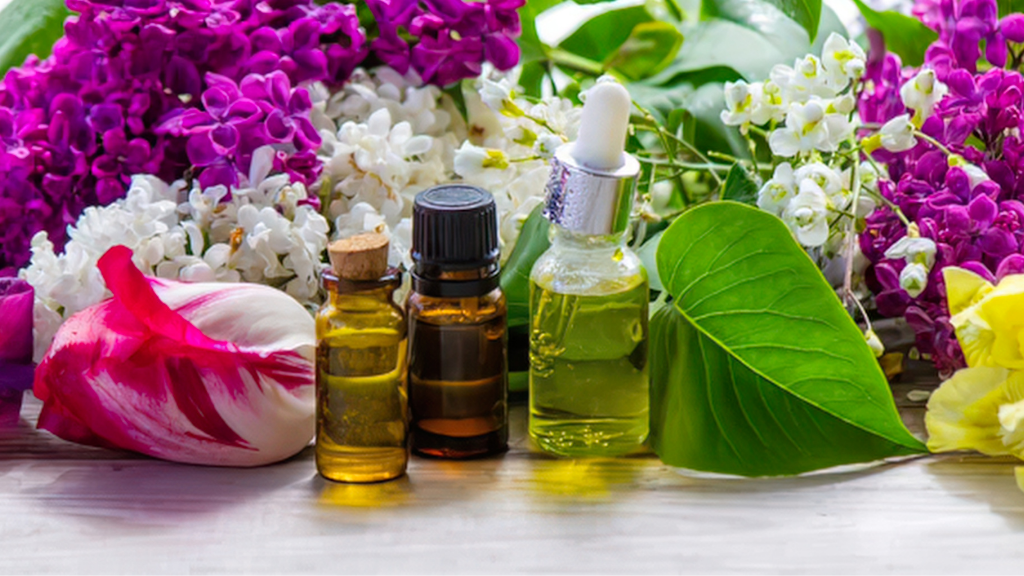
If you make or resell scented products, the perfume oil vs essential oil choice shapes how your product smells, how long the scent lasts, and whether it's safe on skin. Here's the short answer. Perfume oils are blended scents made to be worn on skin. They're built from aroma materials (lab-made, plant-derived, or both) in an oil base, with no alcohol. Essential oils are concentrated extracts from a single plant, and they need to be diluted before skin use.
Some suppliers call perfume oils "fragrance oils," and at Africa Imports you'll find them under perfume oils. This guide explains the difference between essential oil and perfume oil, where each one works best, and how to stock, label, and sell both.
Perfume Oil vs Essential Oil at a Glance
A perfume oil is a finished scent blend in an oil base, made to wear on skin. An essential oil is a concentrated extract from one plant, and it must be diluted in a carrier oil or a butter before applying to the skin . Perfume oils give you a wider scent range and steadier pricing. Essential oils fit plant-based product lines.
|
Perfume Oil |
Essential Oil |
|
|
What it is |
A finished, wearable scent blend |
A single raw ingredient |
|
Where it comes from |
Lab-created or blended aroma materials |
Extracted from plants |
|
Scent range |
Almost unlimited, including designer-inspired profiles |
Limited to aromatic plants |
|
How it wears on skin |
Sits close to skin, and many people find it lasts well |
Top notes often fade fast |
|
Batch consistency |
Consistent from order to order |
Varies by harvest |
|
Skin use |
Skin-rated oils used within IFRA limits |
Always dilute in a carrier oil |
|
Cost |
Generally lower and steadier |
Generally higher, and can swing with crop conditions |
|
Shelf life |
Check supplier guidance |
Often 1 to 5 years, depending on the oil (citrus is shortest) |
|
Best for |
Perfume, roll-ons, body oils, and scent-led products |
Plant-based skin care and aromatherapy-style products |
What Is a Perfume Oil?
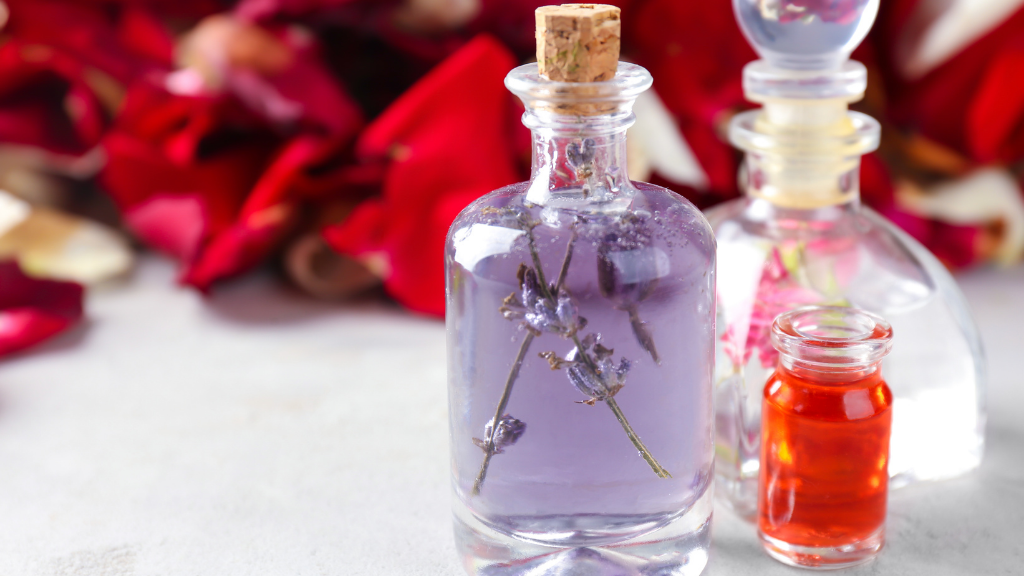
A perfume oil is a concentrated, alcohol-free scent in an oil base. You roll it or dab it onto skin, where a spray perfume would be misted on. It's a finished blend, not a single ingredient.
That makes it a simple starting point for resellers. Stock wholesale perfume oils in small sizes to test what your customers reach for, then move up to bulk once you know your best sellers.
What goes into a perfume oil?
A perfume oil is made from aroma materials. Some are created in a lab, and some are plant isolates or essential oils. A perfumer balances them into three layers called notes.
Top notes are what you smell first, like citrus. Heart notes come next and are often floral. Base notes such as musk, amber, and wood show up last and stay the longest.
Perfume oil vs perfume: why the base matters
The main difference between perfume oil and perfume is the base. Spray perfumes use alcohol, which evaporates fast and pushes scent into the air. That gives a big opening and more trail. Perfume oils sit closer to the skin and release scent more slowly.
Many people find perfume oils wear longer, but concentration and skin type matter too. Sprays also vary in strength, and an eau de parfum carries more scent oil than an eau de toilette. Our guide to why scents fade explains how strength affects wear.
For your business, perfume oils fit customers who want a softer scent that stays close. They also sell well in small roll-on sizes.
Is it made for skin? How to read the label and documents
Not every scented oil is meant for skin. Some are made only for candles, diffusers, or room sprays. Before you sell an oil as a skin product, check three things:
- The product's intended use on the listing
- The Safety Data Sheet (SDS)
- The IFRA certificate, which lists a maximum use level for each product category
On a current IFRA certificate, Category 4 covers fine fragrance, including perfume oils and roll-ons. Category 5A covers body oils and lotions. Most Africa Imports oils come with safety and compliance documentation, so check each product page before you order.
What Is an Essential Oil?
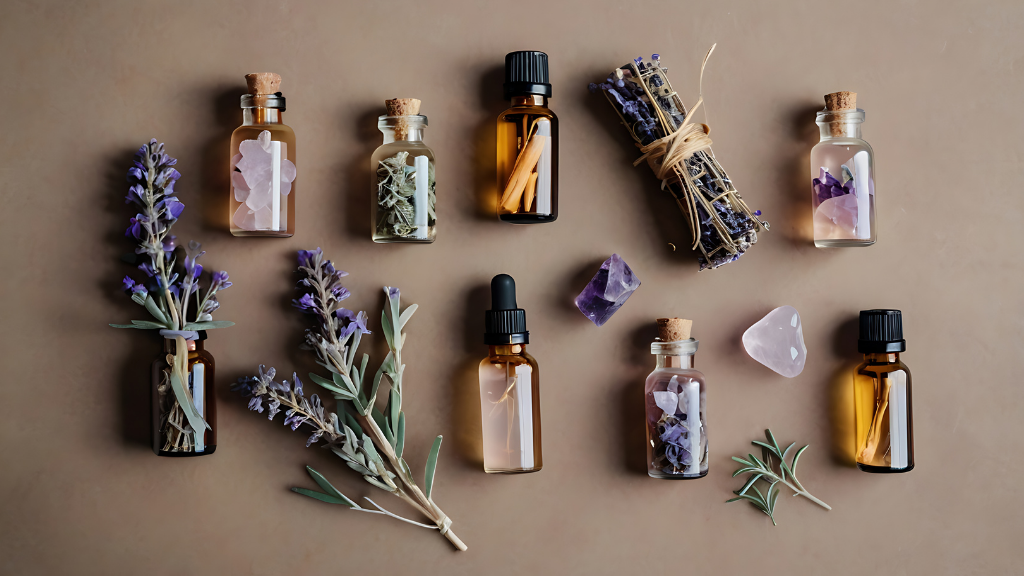
An essential oil is a concentrated aromatic extract from one plant. It can come from flowers, leaves, bark, roots, resin, or citrus peel.
Despite the name, essential oils aren't true oils. They contain no fatty acids, and they're far too concentrated to use alone. That's why they need a carrier oil for skin use.
How essential oils are made
Most essential oils are made by steam distillation. Steam passes through the plant material and lifts out the aromatic compounds. Citrus oils are usually cold-pressed from the peel.
Jasmine and some other delicate florals are different. They're solvent-extracted into "absolutes," so they aren't distilled essential oils in the strict sense. Yield is also a big factor in price. It takes thousands of pounds of rose petals to make a single pound of rose oil.
Why you can't get every scent as an essential oil
Essential oils can only smell like the plants they come from. There's no strawberry, fresh linen, birthday cake, or ocean breeze essential oil. Those scents are only available as perfume oils or candle oils.
If your customers ask for plant-based ingredients, start with a small range of wholesale essential oils such as lavender, peppermint, and lemongrass.
7 Key Differences Between Perfume Oils and Essential Oils
The difference between essential oil and perfume oil comes down to seven things that affect your products and your margins.
Source and ingredients
A perfume oil is a blend of many aroma materials. An essential oil is extracted from a single plant. Neither one is automatically safer. Safety depends on the material, the dose, and how it's used.
What this means for your business: sell each oil for what it is. Don't suggest that plant-based means safer, and keep documents for both types.
Scent range
Perfume oils cover designer-inspired scents, gourmand scents like vanilla and caramel, and seasonal scents. Essential oils are limited to what plants produce. Our designer-inspired perfume oils are impressions of popular scents. Always sell them as "inspired by," never as the brand itself.
What this means for your business: perfume oils let you follow trends and customer requests. Essential oils give you a smaller, plant-focused range.
Wear time and how the scent develops
Perfume oils are built to move from top notes to base notes, so the scent changes slowly as it wears. Many single essential oils, like citrus and light florals, fade quickly on skin. Vetiver, patchouli, and sandalwood hold longer.
What this means for your business: tell customers what to expect. A citrus essential oil roll-on is a quick refresh, while a musk or amber perfume oil is made for longer wear.
Consistency from batch to batch
A perfume oil follows a set formula, so it should smell the same every time you order. Essential oils vary with harvest, region, and weather. This year's lavender may smell a little sweeter or sharper than last year's.
What this means for your business: repeat customers expect an identical scent when they reorder. If you sell essential oil products, tell buyers that small changes between batches are normal.
Skin safety and dilution
Essential oils must be diluted. For leave-on products, a common range is 1 to 2 percent, which is about 6 to 12 drops per ounce of carrier. Cold-pressed bergamot, lime, lemon, and grapefruit can cause skin reactions in sunlight. For perfume oils, use skin-rated oils within IFRA limits.
Both types can cause sensitivity in some people, so recommend a patch test. Stock a few carrier oils like jojoba or sweet almond for diluting.
What this means for your business: put dilution and patch test notes on every skin product you sell.
Cost per ounce
Essential oils usually cost more per ounce, and prices move with crops. A poor harvest can raise prices quickly. Perfume oils are more predictable because they don't depend on a single harvest.
What this means for your business: steady costs make pricing easier. With essential oils, leave room in your margin for price changes.
Shelf life and storage
Keep both types cool, dark, and tightly capped. Heat, light, and air break oils down. Citrus essential oils oxidize fastest and often last 1 to 2 years, while many other essential oils hold for 2 to 5 years when stored well. Our guide on whether essential oils expire covers each group.
What this means for your business: buy sizes you can sell through, date every bottle when it arrives, and use the oldest stock first.
Can You Use Essential Oils as Perfume?
Yes, you can. The essential oils vs perfume question comes up a lot. Essential oils can make a lovely scent if you handle them the right way.
Follow three rules:
- Dilute them in a carrier oil. Never apply them straight to skin.
- Blend across notes. Use a top note like bergamot, a heart note like lavender, and a base note like patchouli or sandalwood.
- Let the blend rest. Give it a few days to a couple of weeks so the notes settle together.
The result is lighter than a perfume oil and usually needs reapplying more often. Avoid cold-pressed citrus oils on skin that will be in the sun.
If you want the full process, our guide to making perfume with essential oils covers ratios and blending step by step. For sellers, it's a good fit for a small plant-based line, as long as you set clear expectations on wear time.
Which Is Better: Essential Oils or Perfume Oils?
There's no single winner. It depends on the product, the customer, and the price point.
Choose essential oils when:
- Your customers want plant-based ingredient lists
- You sell aromatherapy-style products
- Your price point supports higher ingredient costs
Choose perfume oils when:
- Your customers want designer-inspired scents
- You need a wide scent range
- Repeat buyers expect the same scent on every reorder
- You want easier margins
Sensitivities go both ways. Some people react to lab-made aroma materials. Essential oils also contain common allergens such as linalool and limonene, which appear on the FDA's list of common cosmetic allergens.
Essential oils are popular in aromatherapy, but keep your product descriptions about scent, not results.
The Downsides of Each: What to Tell Your Customers
Being upfront builds trust. Here's what to share.
Downsides of perfume oils
- The scent stays close to the skin, with less trail than a spray.
- Oils can mark light fabrics, so apply to skin and let it dry.
- Some people are sensitive to certain aroma materials.
- Results vary by supplier, so ask for SDS and IFRA documents.
- Designer-inspired oils must be sold as "inspired by," never as the original brand.
Downsides of essential oils
- Cost is higher and less predictable.
- Many fade quickly on skin.
- They must be diluted before skin use.
- Some citrus oils cause reactions in sunlight.
- The scent range is limited.
- Some aren't safe around pets. The ASPCA warns that concentrated essential oils can be a danger to cats and dogs, and that diffusers are a risk for birds.
Perfume Oil, Candle Oil, or Essential Oil? A Guide by Product Type
The right oil depends on what you're making. Use this table as a starting point, then check the documents for each oil.
|
Product |
Usually the better fit |
Why |
Watch out for |
|
Perfume and roll-ons |
Perfume oils |
Built blends that wear well and stay consistent |
Skin rating and the IFRA Category 4 limit |
|
Body oils, lotions, and butters |
Skin-rated perfume oils for scent-led lines, or diluted essential oils for plant-based lines |
You can match the oil to the kind of line you sell |
Dilution, patch testing, and the IFRA Category 5A limit |
|
Soap |
Perfume oils rated for soap (IFRA Category 9), or essential oils |
Both can work in soap when used at the right level |
Batter thickening, discoloration, and citrus essential oils that fade during cure |
|
Candles and wax melts |
Candle oils |
Made for strong scent throw and heat |
Many essential oils have low flash points and cost more |
|
Diffusers and room sprays |
Either |
Both can scent a room |
Only use oils rated for that use |
If you're choosing a perfume oil or essential oil for perfume making, perfume oils are the easier start. They're already balanced, and they smell the same in every batch.
For soap, test a small batch before you scale. Our soap making guides cover what to expect during cure.
For candles, use candle oils. They're made to hold up in hot wax.
Safety, Labeling, and Compliance for Resellers
Selling scented products comes with a few rules. Our Oil Safety & Compliance page covers them in more detail. Here are the basics.
IFRA certificates and usage limits
IFRA is the International Fragrance Association. It sets safe use levels for scent materials by product type. A certificate shows the maximum safe percentage for each category.
The categories most sellers use are:
- Category 2: deodorants and body sprays
- Category 4: perfume, including perfume oils and roll-ons
- Category 5A: body oils, lotions, and creams
- Category 9: bar soap, liquid soap, and other rinse-off products
- Category 12: candles and other products with no direct skin contact
Find your product type, then stay at or below the listed percentage. Most oils come with documentation, and you can ask us if one is missing.
Cosmetic claims vs drug claims
The FDA looks at how you describe a product. Describing a scent as fresh or long-lasting is a cosmetic claim. Saying it relieves stress, eases pain, or helps you sleep is a drug claim, even for plant-derived oils. This applies to labels, listings, and social posts.
Labeling your finished products
Cosmetic labels need four things:
- Product identity, such as "perfume oil" or "body oil"
- Net quantity
- Ingredients in descending order
- Your business name and address
"Fragrance" is the accepted ingredient term for a scent blend on a label. If you use essential oils, listing each one by name builds trust with buyers who read labels closely.
Keep SDS sheets on file
A Safety Data Sheet covers hazards, safe handling, storage, and first aid for an oil. Keep one for every oil you stock. Wholesale buyers may ask for them, and they're your first reference if a customer reports a reaction.
Small Business Tips for Selling Perfume Oils and Essential Oils
You don't have to pick one side. Try running two lines side by side: a plant-based essential oil line and a designer-inspired perfume oil line. Each one pulls in a different customer.
Here's how to set it up:
- Repackage into small sizes. Fill 1/3 oz roll-ons from larger bottles and label them with scent notes, how to apply, and a patch test reminder. You'll find roll-on bottles in our bottling supplies.
- Private label your range. You can build a branded line without making your own blends.
- Start with a set. Try a few scents from our oil sets and starter kits before you buy 1 lb sizes.
- Keep batch records. Write down the oil name, lot number, IFRA certificate, and percentage used for every batch.
- Write listings about scent and wear. Describe how it smells and how it's worn, never health benefits.
It also helps to give customers a simple line they'll remember, like: "This is a perfume oil, so it sits close to your skin. Dab it on pulse points after moisturizing."
When you're ready to grow, our guide on how to start a perfume oil business covers suppliers, margins, and your first sale.
Frequently Asked Questions
Can I use essential oil as perfume oil?
Yes. Dilute the essential oil in a carrier oil, blend top, middle, and base notes, and let the mix rest before you wear it. Expect a lighter scent that needs reapplying more often than a perfume oil. Our essential oil perfume guide walks through each step.
Do essential oils work better than perfume?
Neither is better for everyone. Are essential oils better than perfume? Only if your customer wants a plant-based ingredient list and a lighter scent. Perfume oils and sprays offer a wider scent range and steadier wear, so it helps to stock both.
Are perfume oils stronger than essential oils?
It depends on what you mean by strong. Undiluted essential oils are very concentrated and can irritate skin, so they're always diluted before use. Perfume oils are built to wear steadily over time. Scent strength and chemical strength aren't the same thing, so judge each oil by how it performs in your finished product.
What are the downsides of using perfume oil?
Perfume oils stay close to the skin, so they have less trail than a spray. They can mark light fabrics, and some people are sensitive to certain aroma materials. Results also vary by supplier. Ask for the SDS and IFRA certificate before you buy, and sell designer-inspired oils as "inspired by" only.
Is perfume oil the same as fragrance oil?
Often, yes. If you're asking what a fragrance oil is, it's a blend of aroma materials, not a plant extract. Many suppliers use the name for the same kind of blended scent oil. At Africa Imports, these are sold as perfume oils, with candle oils as a separate range. Neither name means the same thing as an essential oil.
What is the difference between perfume oil and perfume?
Perfume oil uses an oil base, and spray perfume uses an alcohol base. Alcohol evaporates fast, which gives a bigger opening and more trail. Oil releases scent slowly and stays closer to the skin. Many people find perfume oils wear longer, though concentration and skin type affect that too.
Can I use perfume oil or essential oil in a diffuser?
You can use either one, as long as the oil is rated for diffuser use. Check the label and the product documents first. Some perfume oils are made only for skin. If you have pets, read the safety notes before you diffuse any oil at home.
Are perfume oils safe to use on skin?
Only use perfume oils that are rated for skin, and stay within the IFRA limit for your product type. Do a patch test first. Dab a little on your inner arm and wait 24 hours. Stop using any oil that causes redness or itching, and check each product's documents before you sell it for skin use.
Health and Safety Disclaimer
This article is for general information only and is not medical advice. Statements about essential oils and perfume oils have not been evaluated by the Food and Drug Administration. These products are not intended to diagnose, treat, cure, or prevent any disease. Always dilute essential oils before skin use, do a patch test before trying any new oil, follow IFRA usage limits in products you sell, and talk to a healthcare professional if you are pregnant, nursing, have a medical condition, or have sensitive skin.
Wholesale Perfume Oils and Essential Oils That Help Fund Schools in Africa
Over half of Africa Imports' profits fund schools, medical care, skills training, and support for vulnerable women in Africa. When you stock up here, your order helps keep that work going.
It's also good for your business. We've helped small businesses grow for over 25 years, with sizes from 1/3 oz to bulk and documentation on most oils. Whether you choose perfume oils, essential oils, or both, you can start small and build from there.