 USD
USD  GBP
GBP  CAD
CAD  AUD
AUD 
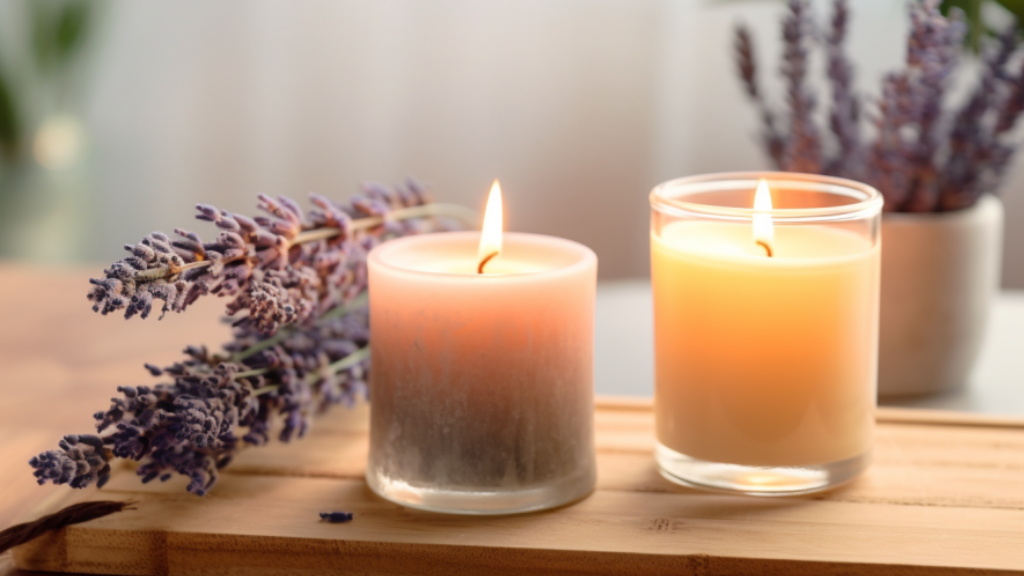
You poured a batch of candles, the wax smelled amazing in the jar, and then you lit one and got almost nothing. Or you bought a candle, burned it for an hour, and the room still smells like nothing happened. Both problems are common, and both are fixable.
Strong scent comes down to five things: using candle oils (specific fragrance oils made for candles), measuring the right fragrance load by weight (usually 8 to 10 percent), adding the oil at the correct wax temperature, stirring it in thoroughly, and letting the candles cure for one to two weeks before you burn or sell them.
Whether you are making candles or trying to get more scent out of one you bought, this guide walks through the likely cause and the fix.
Hot Throw vs Cold Throw: What "Weak Scent" Actually Means
Before you change anything, work out which kind of weak scent you have. There are two.
Cold throw is how the candle smells when it is unlit, sitting on a shelf or in the jar. Hot throw is how it smells when it is burning and filling the room.
A candle can be strong on one and weak on the other. That is normal, and it tells you something. Lighter top notes, like citrus and fresh scents, come through easily without heat, so they drive cold throw. Heavier base notes, like vanilla, wood, and musk, need heat to release, so they drive hot throw. If your candle smells great in the jar and disappears when lit, the problem is almost always in the burning, not the scent itself.
Once you know which throw is weak, use the sections below to find the cause.
If You're Making Candles: Why the Scent Is Weak (and How to Fix It)
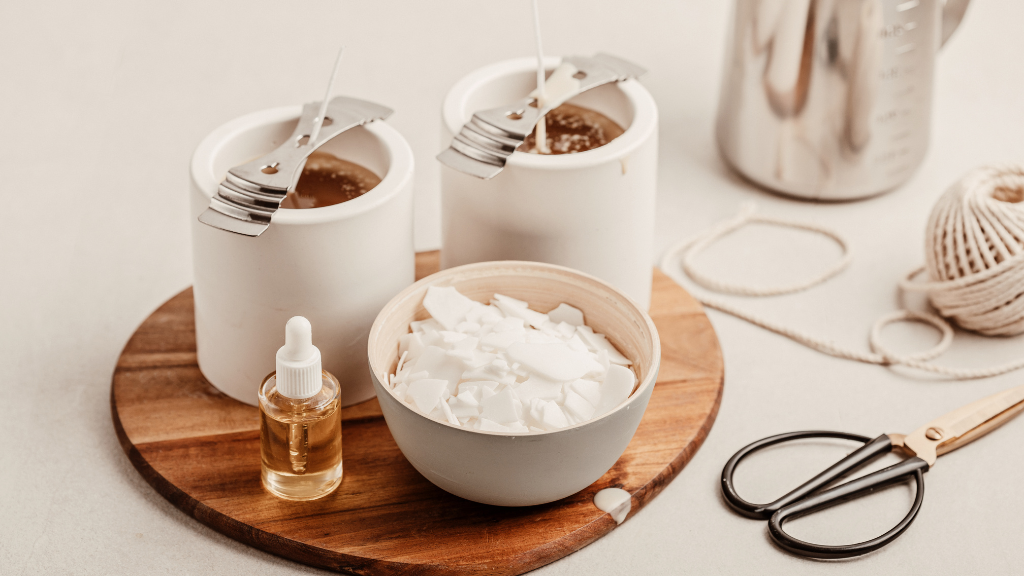
Six things cause most weak-scent problems. Work through them in order.
You used essential oils instead of fragrance oils
Most essential oils cannot survive candle heat. They are volatile, they burn off fast, and many of them fade to almost nothing once the wax is melting. Fragrance oils are made to bind with wax and hold scent both hot and cold.
The fix: switch to fragrance oils formulated for candle making.
There is a business reason, too. Fragrance oils are far more consistent from batch to batch. When a customer reorders your bestselling scent, it needs to smell the same as it did last time. Essential oils vary with harvest, region, and season, which makes that hard. If you want the full comparison, read our breakdown of essential oils vs fragrance oils.
Your fragrance load is off
Fragrance load is the amount of oil as a percentage of the wax weight. Most soy and coconut waxes cap out around 8 to 10 percent. Some hold less.
Weigh both the wax and the oil on a kitchen scale. Do not measure by volume. A cup of wax and a cup of oil do not weigh the same, and eyeballing it is one of the most common reasons a batch throws weak.
Here is the part that surprises people: more oil does not mean more scent. Once you go past the wax's maximum load, the extra oil has nowhere to bind. It seeps out, leaves wet spots on the surface, clogs the wick, and can make the candle throw weaker than a properly loaded one. It also becomes a fire risk.
The fix: start around 6 percent, then test upward toward 8 to 10 percent, staying inside whatever maximum your wax supplier lists.
You added the oil at the wrong temperature
Temperature decides whether the oil binds to the wax or just sits in it.
Too hot and the lighter parts of the fragrance burn off before the candle is even poured. Too cool and the oil never binds evenly, which leaves you with a patchy scent through the candle.
For most soy wax, fragrance goes in around 185°F, but follow your wax manufacturer's range and check the fragrance oil's flashpoint. Once the oil is in, stir slowly for a full two minutes. Rushing the stir is a quiet cause of weak throw that a lot of makers miss.
The fix: use a thermometer, follow your supplier's temperature guidance, and stir properly.
You didn't let the candles cure
Wax keeps changing after it looks solid. The oil molecules keep binding with the wax for days after the pour, and that binding is what gives you throw later.
Skipping cure time is one of the most common causes of weak scent, and it is the easiest to fix because it costs nothing but patience.
Soy and blended waxes want one to two weeks. Paraffin needs less, usually a few days. Put lids on, keep them somewhere cool and dark, and leave them alone.
The fix: cure before you burn and cure before you sell. Our hot throw guide covers the cure science in more detail if you want to understand what is happening in the wax.
Your wick is the wrong size
The wick controls the melt pool, and the melt pool controls how much fragrance gets released into the air.
If the wick is too small, the wax never melts all the way to the edges. The candle tunnels, the surface area stays small, and less scent escapes. If the wick is too large, the candle burns hot, smokes, and can scorch the fragrance.
The fix: size up the wick, or use two wicks in a wide container so the melt pool reaches the glass.
Your wax may be limiting you
Paraffin generally throws strongest. That is simply how the wax behaves.
Soy and coconut waxes burn cleaner and a lot of customers ask for them, but they can need more work to hit the same throw. That might mean a slightly higher load, a bigger wick, or a wider vessel.
The fix: if you have optimized oil, temperature, cure, and wick and the throw is still soft, test a soy-paraffin blend or move to a wider container with more surface area. For a full rundown on wax types and the making process, see our step-by-step guide to making candles with fragrance oils.
If You're Burning a Candle You Bought: How to Get More Scent

Sometimes the candle is fine and the way it is being burned is the problem. Three habits make a real difference.
Master the first burn
The first burn sets the pattern for every burn after it. Let it run long enough, usually two to four hours, for the melted wax to reach the edge of the container.
Wax has a memory. If you blow the candle out before the pool reaches the edge, it will keep burning down that same narrow channel every time. That tunnel traps most of your wax, shrinks the melt pool, and cuts the scent right down.
What is the 3 hour candle rule?
Burn your candle for no more than about three to four hours at a time.
That window is long enough for the melt pool to reach the edges and release scent properly, but short enough to avoid the problems that come with longer burns. Past that point the wick starts to mushroom, the flame gets too big, and the candle produces soot that actually dulls the fragrance.
Put it out, let it cool fully, trim the wick, and relight when you want more.
Trim the wick and avoid drafts
Trim the wick to about a quarter inch before every single burn. An untrimmed wick makes a bigger flame, more smoke, and more soot, and all of that competes with the fragrance you are trying to smell.
Keep the candle away from fans, air vents, and open windows. A draft pushes the flame to one side, makes the melt pool uneven, and blows scented air away from the room instead of through it.
FAQs
Why does my candle smell strong in the jar but weak when lit?
This is a hot throw problem. The usual causes are a wick that is too small to create a full melt pool, oil added at the wrong wax temperature, not enough cure time, or a fragrance built mostly on light top notes that show up cold but do not carry when heated.
Can I add more scent to a candle that's already made?
Not reliably. Once the wax has set, there is no good way to work more fragrance into it. Melting it down and adding oil is a last resort, and it usually means going over the wax's maximum load, which causes seepage and wick problems. The real fix happens at the make stage.
How much fragrance oil should I use per pound of wax?
Start with about one ounce per pound, which is roughly 6 percent, then test upward toward 8 to 10 percent. Always check the maximum load your specific wax can hold, and always weigh rather than measure by volume.
How long should candles cure before burning?
Soy and blended waxes are best after one to two weeks. Paraffin usually needs only a few days. Curing gives the oil time to bind fully with the wax, which is what produces a strong throw later.
Does the type of wax affect how strong a candle smells?
Yes. Paraffin tends to throw strongest. Soy and coconut can get close with the right fragrance load, wick size, and a wider container, but they usually take more testing to get there.
Are fragrance oils or essential oils better for strong-smelling candles?
Fragrance oils, in most cases. They are made to survive candle heat and hold their scent while burning. Most essential oils fade quickly once the wax melts, and they cost more, which makes them difficult to use profitably in a candle line.
A Tip for Candle Sellers: Test, Record, Repeat
Weak throw is a business problem, not just a craft problem. A customer who lights your candle and smells nothing does not reorder, and they might leave a review that costs you future sales. Consistency is the thing you are actually selling.
Keep a batch record. A notebook or a simple spreadsheet is enough. For every batch, write down the wax, the fragrance oil, the load percentage, the pour temperature, the cure time, the wick size, and the container. When a batch throws beautifully, you can recreate it exactly. When one falls flat, you can see what changed.
Test one variable at a time. If you change the wick and the load together, you will never know which one fixed it.
On the wholesale side, buying your fragrance oils in bulk does two things. It keeps your signature scent consistent order to order, because you are working from the same batch rather than chasing supply. And it lowers your cost per candle, which protects your margin when you are pricing for resale.
Stock a few reliable scents deep rather than a dozen scents shallow. Customers come back for the one they love.
Health and Safety Note
Candle making involves hot wax and open flame. Work in a ventilated space, follow the flashpoint and usage guidance on every fragrance oil you buy, and keep fire safety equipment within reach. If you are selling candles, follow your local labeling and safety requirements. This article is educational and is not a substitute for professional safety guidance.
Build a Candle Line Customers Come Back For
A strong, consistent scent starts with the oil you pour in. Africa Imports supplies wholesale candle fragrance oils built to hold their throw, with low minimums so you can test a scent before you commit to it, including some African botanical blends alongside the classics.
And every order does more than stock your shelves. Over half of Africa Imports' profits fund schools, medical care, and skills training in Africa. Your candle business helps pay for it.
Shop wholesale candle fragrance oils and start testing your next signature scent.