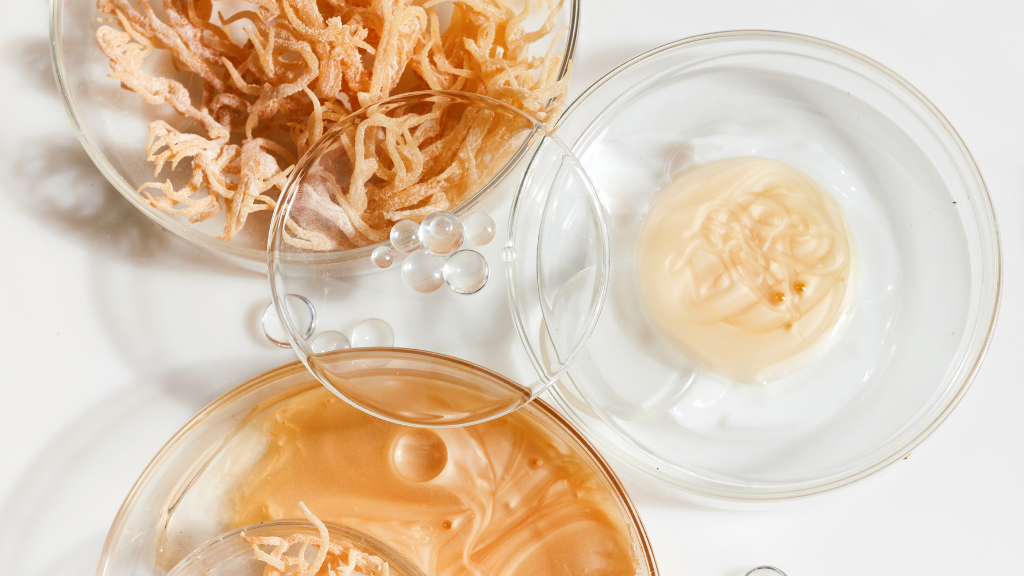
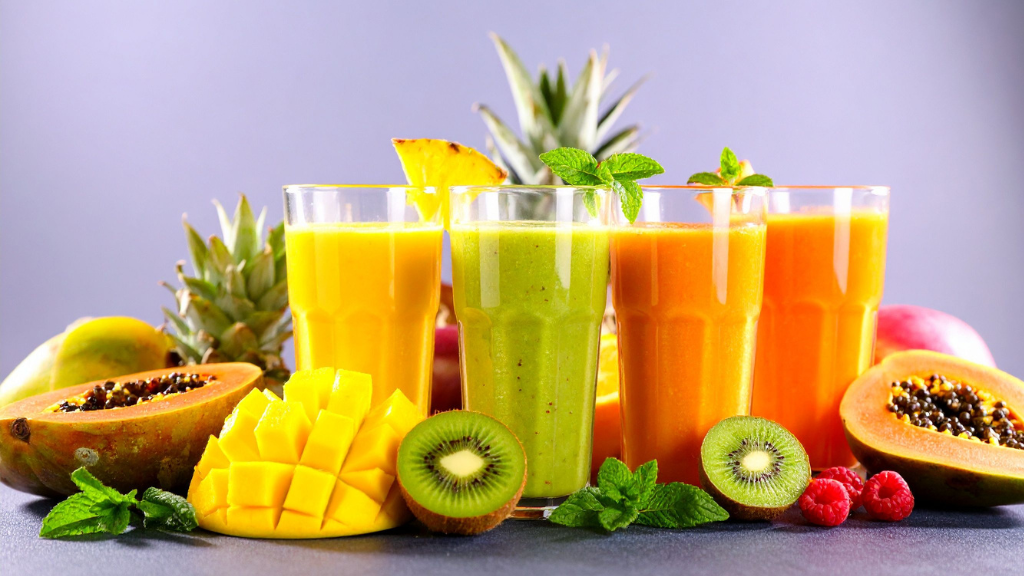
Making sea moss gel at home is simpler than you might think. With dried sea moss, filtered water, and a good blender, you can create a nutrient-rich gel that lasts weeks in your refrigerator. Whether you want to add it to your morning smoothie, use it in cooking, or apply it as a face mask, homemade sea moss gel gives you full control over quality and freshness. This guide walks you through every step, from choosing the right sea moss to troubleshooting common problems. You'll also learn how to prepare sea moss gel in different ways, make flavored versions, and store it properly for the best results.
What You'll Need to Get Started
Before you begin, gather your supplies. Having everything ready makes the process smooth and stress-free.
Equipment:
- High-speed blender (a regular blender works, but high-speed creates smoother gel)
- Glass storage jars with airtight lids (avoid plastic)
- Fine-mesh strainer
- Large bowl for soaking
- Measuring cups
Ingredients:
- 1 cup dried sea moss
- 2-3 cups filtered or spring water (for blending)
- Optional: juice of half a lime or lemon (for soaking)
Time breakdown:
- Soaking: 12-24 hours
- Blending: 5 minutes
- Setting in fridge: 2-4 hours
Yield: 1 cup of dried sea moss makes approximately 2-3 cups of finished gel.
Understanding Sea Moss: Types and What to Look For
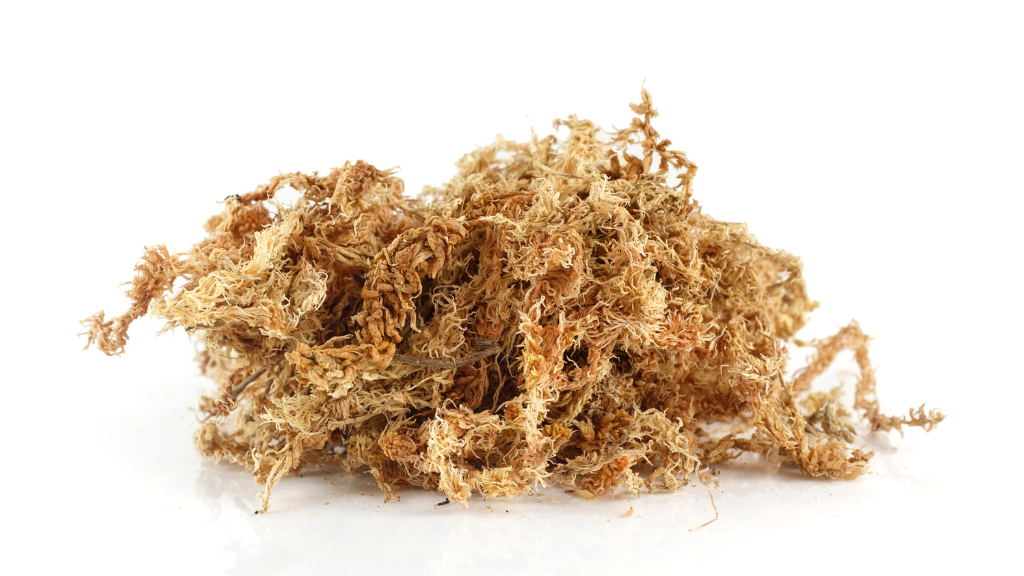
Not all sea moss is the same. Knowing the differences helps you choose the right product for your needs.
Different Types of Sea Moss
You'll often see two names used interchangeably, but they refer to different species:
Irish Moss (Chondrus crispus) grows in colder Atlantic waters, primarily along the coasts of Ireland, Britain, and parts of North America. It has a flatter, fan-like appearance.
Sea Moss (Genus Gracilaria) grows in warmer Caribbean and African waters. This is the type most commonly sold for making gel. It has a stringy, rope-like texture when dried.
Both work well for gel-making, though Gracilaria is more widely available and typically what you'll find from African and Caribbean suppliers.
Color variations matter too:
- Gold or yellow sea moss has a mild flavor and is the most common
- Purple sea moss contains the highest mineral content, including anthocyanins (the same antioxidants found in blueberries)
- Green sea moss is less processed and retains more chlorophyll
- Full-spectrum blends combine multiple colors for variety
You may also see terms like "pool-grown" versus "wildcrafted." Pool-grown sea moss is cultivated in controlled environments, while wildcrafted sea moss is harvested from its natural ocean habitat. Wildcrafted tends to have a stronger mineral profile and works better for gel-making.
How to Spot Quality Sea Moss
Quality matters when you're putting something in your body. Here's what to look for:
Signs of good sea moss:
- Natural ocean smell (briny, like the sea)
- Visible salt crystals on the surface
- Slightly rigid texture when dry
- Natural color variations (not perfectly uniform)
- Some sand, small shells, or debris (this is normal and rinses away)
Red flags to avoid:
- No ocean smell at all (may be overly processed)
- Bright, unnaturally uniform color
- Perfectly smooth or processed appearance
- Paper-thin texture
- Chemical or bleach-like smell
When you buy from a trusted supplier, you're more likely to get wildcrafted sea moss that's been minimally processed and properly dried.
Preparing Your Sea Moss: Cleaning and Soaking

Proper preparation is the foundation of good sea moss gel. Rushing this step leads to a gritty texture or strong ocean flavor.
Step 1: Rinse Thoroughly
Place your dried sea moss in a fine-mesh strainer. Run cold water over it for 2-3 minutes, using your hands to gently separate the pieces and remove any visible debris.
Look for small shells, sand, or bits of seaweed. These are normal in wildcrafted sea moss and easy to remove.
After rinsing in the strainer, transfer the sea moss to a bowl of clean water. Swirl it around and inspect it one more time. Drain and repeat if needed.
The ocean smell is completely normal at this stage. It will reduce significantly during soaking.
Step 2: Soak Your Sea Moss
Place the rinsed sea moss in a large bowl. Cover it completely with cold filtered water. The sea moss will expand 2-3 times its original size, so use plenty of water.
Soaking guidelines:
- Soak at room temperature (not in the refrigerator)
- Change the water once, around the 8-12 hour mark
- Optional: add the juice of half a lime or lemon to the soaking water to help neutralize the ocean smell
Timing matters:
- Minimum soak time: 6 hours (but 12 or more is better)
- Sweet spot: 12-24 hours
- Maximum: 36 hours (after this, fermentation may begin)
Your sea moss is ready when it feels soft, looks translucent, and has a slippery texture. It should have doubled or tripled in size.
Why do we soak? Soaking rehydrates the dried sea moss, softens it for blending, and removes excess salt. This step is what makes the difference between smooth gel and a chunky mess.
Making Sea Moss Gel: Step-by-Step Methods
Here's where the magic happens. Choose the method that works best for your needs.
Method 1: Classic Soak and Blend (Recommended for Beginners)
This is the most popular method because it preserves nutrients and creates a smooth gel.
- Drain your soaked sea moss completely. Give it a gentle squeeze to remove excess water.
- Add 1 cup of soaked sea moss to your blender.
- Add 1½ to 2 cups of fresh filtered water. Less water creates a thicker gel; more water creates a thinner gel.
- Start blending on low speed, then increase to high.
- Blend for 1-3 minutes until completely smooth and creamy. Stop and scrape down the sides if needed.
- Pour into a clean glass jar.
- Refrigerate for 2-4 hours to allow the gel to thicken fully.
Texture checkpoint: Your finished gel should coat the back of a spoon and have a thick, pudding-like consistency. If it's too thin, don't worry, it continues to thicken in the refrigerator.
Method 2: Quick Simmer Method
Some people prefer cooking their sea moss before blending. This creates a slightly smoother texture and may extend shelf life by a few days.
- Drain your soaked sea moss.
- Place it in a pot with 2 cups of fresh water.
- Bring to a gentle simmer over medium heat. Do not boil rapidly.
- Simmer for 10-15 minutes, stirring occasionally, until the sea moss begins to break down.
- Remove from heat and let it cool to room temperature.
- Blend as described in Method 1.
Keep in mind that heat may reduce some nutrients, but many people prefer this method for its convenience and smoother results.
Method 3: Flavored Sea Moss Gel
Adding fruit or herbs during blending creates a flavored gel that's easier to eat by the spoonful or add to recipes.
Follow Method 1, but add your flavor ingredients during the blending stage:
Fruit options (add ½ cup):
- Mango (sweet and tropical)
- Pineapple (bright and tangy)
- Strawberries or blueberries (mild and familiar)
- Mixed berries (antioxidant boost)
Herbal options:
- 1 teaspoon ginger powder (warming and earthy)
- ½ teaspoon turmeric (golden color, mild flavor)
- 1 teaspoon elderberry syrup (immune support)
Natural sweeteners:
- 1-2 pitted dates
- 1 tablespoon agave or raw honey
Blend until completely smooth. If you've added fibrous fruits like pineapple, strain through a fine-mesh strainer for a smoother result.
Flavored gels should be used within 2 weeks, as the added ingredients reduce shelf life slightly.
Getting the Right Consistency Every Time
Gel consistency varies based on the ratio of sea moss to water. Here's how to adjust:
If your gel is too thick: Add 1-2 tablespoons of water at a time and re-blend briefly until you reach your desired consistency.
If your gel is too watery: Add 1-2 tablespoons of additional soaked sea moss and blend again. Alternatively, let it sit in the refrigerator for 24 hours and allow it to continue to thicken over time.
Preferred starting ratio: 1 cup soaked sea moss to 1½ cups water. Adjust from there based on your needs.
Consistency tips by use:
- For smoothies: Make it thinner (easier to blend)
- For face masks: Make it thicker (stays on skin better)
- For cooking and thickening recipes: Make it thicker (more concentrated)
Storing Your Sea Moss Gel Properly
Good storage extends the life of your gel and keeps it fresh.
Refrigerator Storage
Always use clean, airtight glass jars. Plastic can absorb odors and may affect the gel's quality over time.
Store your gel in the refrigerator immediately after making it. Properly stored, plain sea moss gel lasts 3-4 weeks.
Keep it away from strong-smelling foods; sea moss can absorb odors from your fridge.
Always use a clean, dry spoon when scooping out gel. Introducing moisture or food particles shortens shelf life.
Freezer Storage for Long-Term Use
Freezing is the best way to preserve sea moss gel for months.
- Pour your gel into ice cube trays.
- Freeze until solid (4-6 hours or overnight).
- Pop out the frozen cubes and transfer to a freezer-safe container or bag.
- Label with the date.
Frozen sea moss gel lasts up to 6 months. Thaw individual cubes in the refrigerator as needed, or drop them directly into hot drinks or smoothies.
How to Tell If Your Gel Has Gone Bad
Even with proper storage, sea moss gel doesn't last forever. Watch for these signs:
- Sour or off-putting smell (different from the mild ocean scent)
- Discoloration (darkening, graying, or unusual spots)
- Visible mold (any fuzzy growth)
- Watery separation that doesn't remix when stirred
- Fizzing or bubbling (indicates fermentation)
When in doubt, throw it out. Fresh gel should have a mild, slightly oceanic smell and consistent color throughout.
How to Use Sea Moss Gel Daily
Now that you've made your gel, here's how to work it into your routine.
Recommended Daily Amount
Start with 1-2 tablespoons per day. This gives your body time to adjust.
After a week or two, you can increase to 3-4 tablespoons if desired.
Most people take sea moss gel in the morning for a nutrient boost, but you can split it between morning and evening.
Ways to Add Sea Moss Gel to Your Routine
In drinks:
- Blend into smoothies (adds thickness without changing flavor)
- Stir into tea, coffee, or hot chocolate
- Mix into fresh juices or lemonade
- Add to protein shakes
In food:
- Stir into oatmeal, yogurt, or overnight oats
- Add to soups, stews, or sauces as a thickener
- Mix into salad dressings
- Blend into homemade energy balls or snack bars
For skin and hair:
- Apply directly as a face mask (leave on 15-20 minutes, then rinse)
- Mix with honey, turmeric, or aloe for a DIY treatment
- Add to homemade body scrubs or lotions
- Use as a hair mask for moisture (apply to damp hair, leave 30 minutes)
Simple Sea Moss Smoothie: Blend 2 tablespoons sea moss gel with 1 banana, 1 cup almond milk, 1 tablespoon peanut butter, and a handful of spinach. This makes a filling breakfast that hides the sea moss completely.
Sea Moss Tea: Stir 1 tablespoon of gel into a cup of hot water with lemon and honey. The gel dissolves and adds a subtle thickness.
Troubleshooting Common Sea Moss Gel Problems
Even experienced sea moss makers run into issues. Here's how to fix the most common problems:
Problem: My gel won't thicken. Solution: Let it sit in the refrigerator for a full 24 hours. Sea moss gel continues to set over time. If it's still watery, you likely used too much water. Add more blended sea moss and remix.
Problem: My gel tastes too fishy or smells too strong. Solution: Next time, add lime or lemon juice to the soaking water. Rinse more thoroughly before soaking, and change the soaking water 2-3 times instead of once. Adding fruit or ginger during blending also helps mask the flavor.
Problem: My gel turned watery after a few days. Solution: Temperature fluctuations cause this. Re-blend briefly and return to the fridge. Make sure your jar has a tight seal.
Problem: I over-soaked my sea moss and it's mushy. Solution: You can still use it. Blend with less water since it's already very soft. The gel may be thinner than usual but will still work.
Problem: My gel has bubbles or is fizzing. Solution: This means fermentation has started. Do not use it. Throw it away and start fresh. Next time, don't soak longer than 36 hours.
Problem: There's a white film on top of my gel. Solution: This could be mold. Discard the entire batch and clean your jar thoroughly. Make sure sea moss is completely submerged during soaking and refrigerate the gel immediately after making it.
The History and Cultural Roots of Sea Moss
Sea moss carries centuries of tradition behind it. Understanding this history adds meaning to what you're making.
In Ireland, sea moss (specifically Chondrus crispus) became a survival food during The Great Famine of the 1840s. Families boiled it into a thick gel for nourishment when other food was scarce.
In the Caribbean, sea moss has been central to wellness traditions for generations. Jamaican families often prepare it as a drink mixed with milk, nutmeg, and vanilla; a recipe passed down through families. It's sometimes combined with other roots and herbs as part of traditional health practices.
For communities across the African diaspora, sea moss represents ancestral knowledge. Brought to the Americas through cultural exchange, it became woven into traditional food and wellness practices, particularly in African American and Caribbean communities in the United States.
Today's interest in sea moss builds on this foundation. When you make sea moss gel at home, you're participating in a practice that connects generations and cultures.
Nutritional Profile: What's Actually in Sea Moss
Sea moss is often called a "superfood" because of its mineral content. Here's what it contains:
Key minerals:
- Iodine (supports thyroid function)
- Calcium (supports bone health)
- Potassium (supports muscle function)
- Magnesium (supports energy production)
- Iron (supports blood health)
- Zinc (supports immune function)
- Sulfur (supports skin and joint health)
Vitamins:
- Vitamin A
- Vitamin E
- Vitamin K
- B vitamins
Sea moss is also a natural source of carrageenan, a plant-based compound that gives it that gel-like texture. It's low in calories and fat while providing fiber and some protein.
Health & Safety Disclaimer:
Sea moss is a nutritious food, not a medicine. These statements describe the nutritional content of sea moss and are not intended to diagnose, treat, cure, or prevent any disease. If you have health concerns, talk to a healthcare provider before adding sea moss to your routine.
Safety Guidelines and Who Should Avoid Sea Moss
Sea moss is generally safe for most people, but there are some important considerations.
General safety tips:
- Buy from trusted suppliers who test for heavy metals and contaminants
- Start with small amounts (1 tablespoon) to see how your body responds
- Use filtered or spring water when making gel
- Keep everything clean; wash hands, utensils, and jars thoroughly
Who should be cautious:
- People with thyroid conditions: Sea moss is high in iodine. Too much iodine can affect thyroid function. Talk to your doctor before using sea moss if you have thyroid issues.
- Those taking blood thinners: Sea moss may affect blood clotting. Consult your healthcare provider if you're on anticoagulant medications.
- People with iodine or shellfish allergies: While sea moss isn't shellfish, cross-contamination can occur. If you have severe allergies, proceed carefully or avoid altogether.
- Pregnant or breastfeeding women: There isn't enough research on sea moss during pregnancy. Consult your healthcare provider first.
- Anyone scheduled for surgery: Because sea moss may affect blood clotting, stop using it at least two weeks before any scheduled surgery.
Medication interactions: Sea moss may interact with thyroid medications and blood pressure medications. If you take any regular medications, discuss sea moss with your doctor before adding it to your routine.
Small Business Tip: Making Sea Moss Gel for Resale
If you're a small business owner, homemade sea moss gel can become a profitable product line.
The numbers work in your favor. One pound of dried sea moss yields approximately 6-9 cups of finished gel. When you buy sea moss at wholesale prices, your cost per jar drops significantly, leaving room for healthy profit margins.
Practical tips for business owners:
The freezer cube method works well for small operations. Make large batches, freeze in portions, and thaw as orders come in. This keeps your product fresh without waste.
Consider offering flavored varieties to stand out. Mango, elderberry, and ginger-turmeric are popular options that command higher prices than plain gel.
Before you start selling: Check your local cottage food laws and health department requirements. Regulations vary by state and county. Some areas allow home-based food production; others require commercial kitchen space or specific licenses.
Label your products clearly with "made on" and "use by" dates. A 3-week shelf life from production date is a safe guideline for refrigerated gel.
Africa Imports offers dried sea moss in bulk quantities for business owners looking to scale their production. Buying wholesale keeps your costs low while maintaining quality.
FAQs: Everything You Need to Know About Making Sea Moss Gel
How do you make sea moss gel at home? Rinse dried sea moss, soak it in filtered water for 12-24 hours, drain, then blend with fresh water until smooth. Refrigerate for 2-4 hours to thicken. See the full instructions above for detailed steps.
Do you have to boil sea moss to make gel? No, boiling is optional. The raw soak-and-blend method preserves more nutrients. Boiling creates a smoother texture and may extend shelf life slightly. Both methods work and it comes down to personal preference.
How long does it take for sea moss to gel? After blending, the gel thickens in the refrigerator over 2-4 hours. It continues to set for up to 24 hours for maximum thickness.
What should you not mix with sea moss? There are no dangerous combinations, but very acidic fruits in large amounts can affect texture. Some people prefer not to mix sea moss with dairy. Start simple and add ingredients one at a time to see what works for you.
How long does homemade sea moss gel last? Properly stored in an airtight glass container, plain sea moss gel lasts 3-4 weeks in the refrigerator. Frozen in ice cube trays, it lasts up to 6 months.
Can you soak sea moss for too long? Yes. After 36-48 hours, fermentation can begin, creating bubbles and a sour smell. Stick to 12-24 hours of soaking for best results.
What is the best type of sea moss for making gel? Wildcrafted sea moss (not pool-grown) in any color works well. Purple sea moss has the highest mineral content. Gold or yellow is milder in flavor. Full-spectrum blends offer variety.
Why is my sea moss gel watery? You likely used too much water during blending, or it needs more time to set. Let it sit in the refrigerator for 24 hours. If still watery, re-blend with additional soaked sea moss.
Can you make sea moss gel without a blender? It's very difficult. You need a high-speed blender to break down the sea moss into smooth gel. A food processor may work but won't create the same consistency.
How much sea moss gel should you take daily? Start with 1-2 tablespoons per day. You can increase to 3-4 tablespoons once your body adjusts. For personal recommendations, consult a healthcare provider.
Ready to Make Your Own Sea Moss Gel?
Now you have everything you need to make sea moss gel at home. Start with quality dried sea moss, follow the steps above, and experiment with flavors that work for your taste.
Whether you're making gel for personal use, adding it to products in your spa or salon, or building a small business around it, homemade sea moss gel puts you in control of quality, freshness, and cost.
Shop dried sea moss at Africa Imports to get started with wildcrafted sea moss sourced directly from African suppliers. Bulk pricing is available for business owners ready to scale.
  USD
  GBP
  CAD
  AUD