 USD
USD  GBP
GBP  CAD
CAD  AUD
AUD 
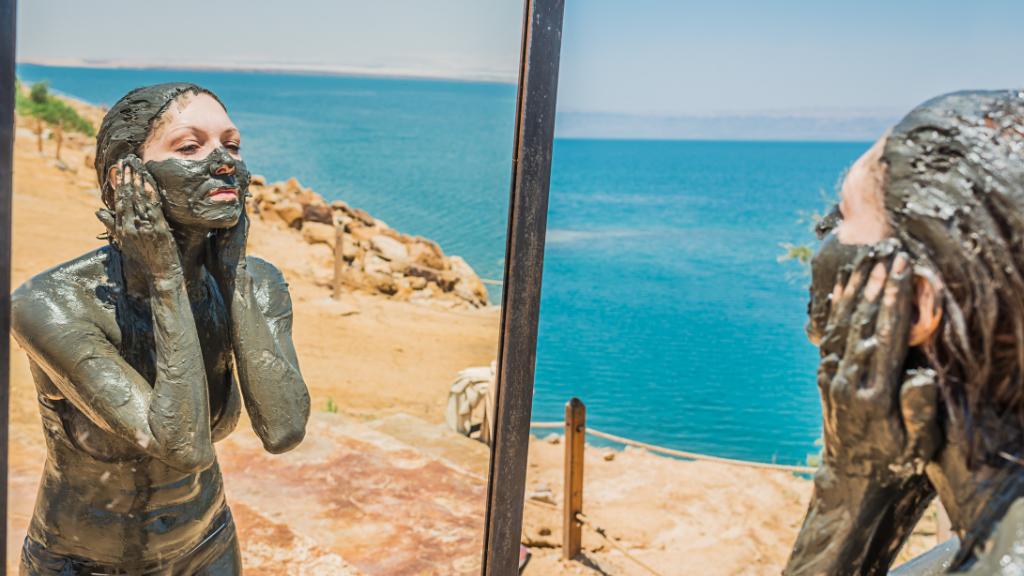
People have traveled to the shores of the Dead Sea for thousands of years, looking for relief from skin troubles and sore joints. You don't have to make that trip anymore. The same mineral-rich mud that drew Cleopatra and Roman travelers is now something you can scoop from a jar and use at home or in your business.
This guide covers what Dead Sea mud is, the minerals that make it work, what it may do for your skin and body, and what the research actually says. If you run a spa, make your own skin care products, or sell natural goods, you'll also find tips on how to put it to work for your customers.
What Is Dead Sea Mud?
Dead Sea mud is a dark, mineral-rich mud that collects along the shores of the Dead Sea. The Dead Sea isn't really a sea at all. It's a salt lake, and it sits at the lowest point on dry land anywhere on earth. The water is so salty that almost nothing lives in it, which is how it got its name.
Over the years, this mud earned a reputation as a kind of "fountain of youth." People believed soaking in the water and coating their skin in the mud could keep them looking young. That's tradition and folklore more than proven fact, but the reputation has stuck around for good reason. The mud is packed with minerals your skin responds to.
Where Does Dead Sea Mud Come From?
The Dead Sea sits between Israel and Jordan. As water flows in and then evaporates in the hot desert sun, it leaves behind salt and minerals. Over a long time, these settle into thick black mud along the shoreline. That mud is collected, cleaned, and packaged for skin care use. Africa Imports carries Dead Sea mud sourced from this region, not from Africa. Our connection to Africa runs through the charitable work your orders help fund.
The Minerals That Make It Work
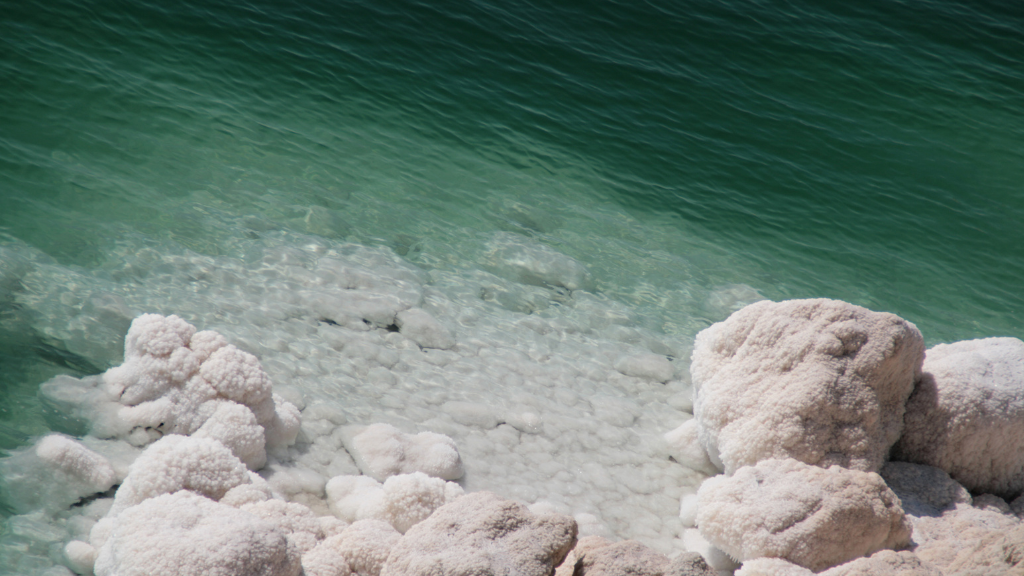
Dead Sea mud stands out because of what's packed inside it. The lake holds one of the richest mineral mixes found anywhere in nature. Here are the main minerals people point to and what each one is linked with:
- Magnesium: associated with skin hydration and supporting the skin's natural barrier
- Calcium: linked with skin cell renewal and strength
- Sulfur: known for its antibacterial reputation, often connected to clearer skin
- Potassium: associated with balancing moisture in the skin
- Bromide: traditionally linked with soothing and calming the skin
- Sodium: connected with cleansing and gentle exfoliation
- Zinc: associated with calming irritation
Beyond these, the Dead Sea is known to hold more than two dozen minerals in total, including smaller traces of lithium, strontium, and manganese. That wide mix is a big part of why the mud has held its reputation for so long.
There's also the way the mud works as it dries on your skin. As it firms up and dries, it helps lift away dirt, oil, and impurities while leaving its minerals behind. Some people describe this as a gentle detox for the skin. Keep in mind these effects vary from person to person, and the mud may help support healthy-looking skin rather than fix any one problem.
Dead Sea Mud Benefits for Skin and Body
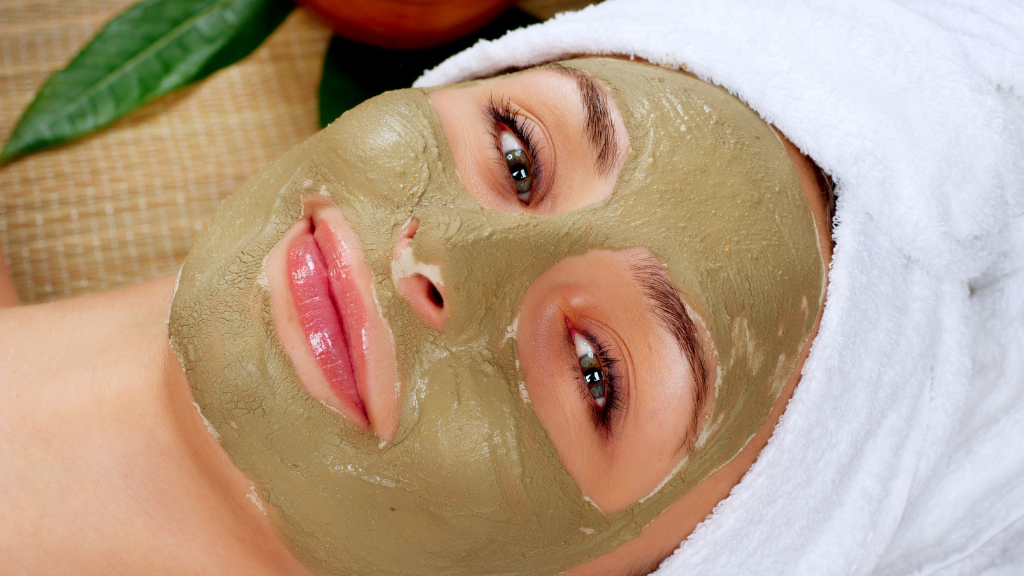
Here's a closer look at what people use Dead Sea mud for. As with any natural product, results vary, and the language below stays honest about that.
Cleansing and Acne
Dead Sea mud is popular as a deep cleanser. The mud binds to oil and dirt, and as it dries it helps draw these out of the pores. The sulfur content is part of why some people reach for it when dealing with breakouts. Many find that regular use leaves their skin feeling cleaner and less greasy, though it isn't a cure for acne.
Skin Barrier and Hydration
This one surprises people, since mud sounds drying. But the magnesium in Dead Sea mud is associated with supporting the skin's barrier, the layer that holds moisture in. Some people find their skin feels softer and more hydrated after use, especially when they follow up with a good moisturizer.
Soothing Eczema, Rosacea, and Psoriasis
People with eczema, rosacea, and psoriasis sometimes turn to Dead Sea mud for relief from itching and redness. For psoriasis especially, the gentle exfoliating action may help soften and lift the thick scales that build up. Research has looked into Dead Sea treatments for these conditions, with some promising results, but it's not a replacement for medical care. Anyone with a chronic skin condition should check with a dermatologist first.
Easing Aches and Joint Pain
Warm Dead Sea mud packs are a long-standing remedy for sore muscles and stiff joints. The warmth helps boost circulation to the area, and many people find the mud soothing on tired muscles or aching knees. Some of the strongest research on Dead Sea treatments actually focuses on joint pain, which we'll cover below.
Gentle Exfoliation and Anti-Aging
As Dead Sea mud dries, it gently lifts away dead skin cells, leaving skin feeling smoother. Some people also notice a temporary firming or tightening effect that makes skin look fresher. It won't turn back the clock, but used regularly as part of a routine, many find it helps their skin look and feel healthier.
What the Research Says
So does any of this hold up to study? Some of it does.
The most cited research is a 2012 systematic review titled "Scientific evidence of the therapeutic effects of dead sea treatments: a systematic review," led by Katz and Shoenfeld and published in Seminars in Arthritis and Rheumatism. The review looked at studies on Dead Sea treatments for skin conditions like psoriasis, as well as joint conditions like arthritis. It found encouraging evidence that these treatments may help, particularly for knee osteoarthritis and lower back pain.
Clinician-focused outlets like Dermatology Times have also reported on the skin-healing reputation of Dead Sea minerals, which adds to the picture.
Here's the honest takeaway. The research is promising, but it isn't a guarantee. Results vary from person to person, and Dead Sea mud should be seen as something that may help support your skin and comfort, not as a proven medical treatment.
How to Use Dead Sea Mud
Using Dead Sea mud is simple once you know the steps. Here's how to get the most from it.
For a face mask:
- Start with clean, slightly damp skin.
- Do a quick patch test on your inner arm first, especially if your skin is sensitive. Wait a few minutes to make sure there's no reaction.
- Spread a thin, even layer of mud over your face, avoiding the eye area.
- Leave it on for about 10 to 15 minutes, or until it's mostly dry. Don't let it dry out completely and crack, as that can pull at the skin.
- Rinse with warm water and pat dry. Follow up with a moisturizer.
For a body application, use the same steps over larger areas like the back, arms, or legs. This works well in a warm bathroom where the steam keeps the mud from drying too fast.
For sore muscles or joints, warm the mud slightly, apply a thicker layer over the area, and cover it with a warm cloth for 15 to 20 minutes. Then rinse clean.
How often should you use it? For most skin types, once or twice a week is plenty. If your skin is on the sensitive side, start with once a week and see how it responds.
A Tip for Small Business Owners
Dead Sea mud is a smart product to build a small business around. Buying it in bulk and repackaging it into smaller jars with your own label is one of the easiest ways to start a private-label skin care line. You control the branding, the jar size, and the price.
Spa owners and massage therapists can offer warm mud-pack treatments as a paid add-on service, which is a low-cost way to raise the value of a booking. If you make your own products, Dead Sea mud blends well into custom face masks you can sell at fairs, pop-ups, or online.
A note on storage: kept in a cool, dry spot with the lid sealed, Dead Sea mud holds up well, with a shelf life of around one to two years. With low minimums and wholesale pricing, the margins on repackaged mud can work nicely for a growing business.
Frequently Asked Questions
Does Dead Sea mud really work?
Many people find Dead Sea mud helpful for cleansing, soothing irritated skin, and easing sore muscles. Some research backs up its use, especially for skin and joint conditions. That said, results vary, and it works best as part of a regular routine rather than a one-time fix.
What are the benefits of Dead Sea mud?
People use Dead Sea mud to help cleanse the skin, support hydration, soothe conditions like eczema and psoriasis, ease aches and joint stiffness, and gently exfoliate. Its mineral content is the reason behind most of these uses.
How often should you use Dead Sea mud?
For most skin types, once or twice a week works well. If you have sensitive skin, start with it once a week. For sore muscles or joints, you can use a warm mud pack as needed.
How do you use Dead Sea mud?
Spread a thin layer over clean, damp skin, leave it on for 10 to 15 minutes until mostly dry, then rinse with warm water and moisturize. Always do a patch test first if your skin is sensitive.
Can Dead Sea mud help with psoriasis or eczema?
Some people with psoriasis or eczema find Dead Sea mud soothing, and it may help soften the scales linked with psoriasis. Research has looked into this with some promising results. It is not a cure, though, so anyone with a chronic skin condition should speak with a dermatologist.
Health and Safety Disclaimer:
These products have not been evaluated by the FDA. They are not intended to diagnose, treat, cure, or prevent any disease. Always carry out a patch test before use, and check with a healthcare provider if you have a medical condition.
Ready to stock up?
Shop our Dead Sea mud and mineral skin care products at wholesale prices, and remember that every order helps fund schools and medical care in Africa.