 USD
USD  GBP
GBP  CAD
CAD  AUD
AUD 
Why Soap Making Is a Growing Industry

The handmade soap business is booming, and there's never been a better time to start. More people want natural products they can trust, and they're willing to pay good money for quality handmade soaps.
Demand from DIY and Craft Communities
People love making things with their own hands. Social media has made soap making look fun and doable, bringing new makers into the craft every day. Whether they're making soap for family or selling at local markets, these creators need quality ingredients to make products that work well and smell amazing.
The Rise of Natural and Handmade Soap Products
Commercial soaps often contain harsh chemicals that dry out skin. Smart consumers are switching to gentler, handmade options. This creates real opportunities for small soap makers who focus on natural ingredients and quality fragrance oils.
Opportunities for Suppliers of Fragrance oils and Ingredients
When soap makers succeed, everyone wins. They need steady supplies of fragrance oils, natural butters, and other ingredients. Building relationships with these creators means repeat business as their soap making grows from hobby to income stream.
Introduction to Soap Making Fundamentals
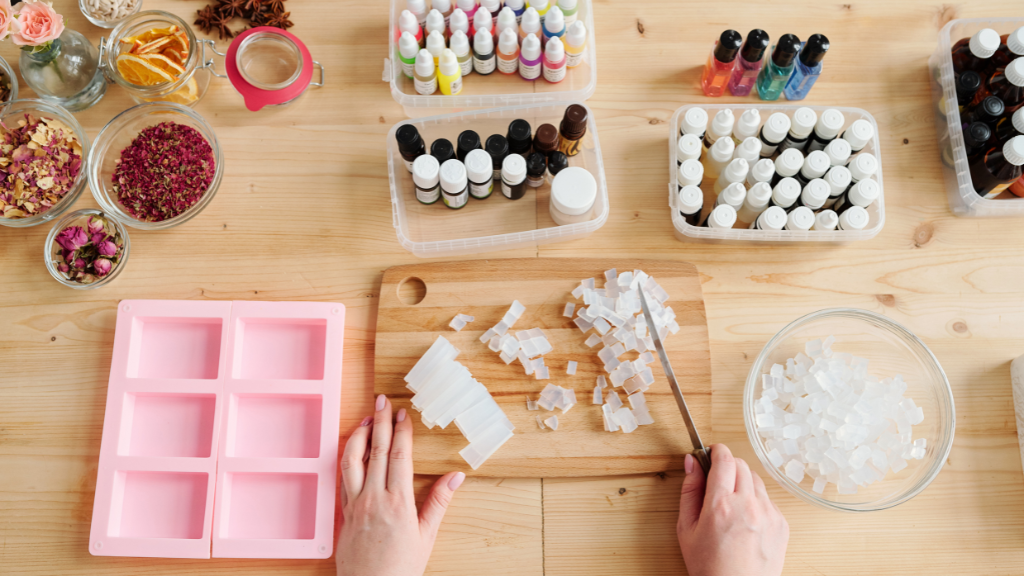
Getting started in soap making means understanding three main methods. Each has its place, depending on what you want to make and how much time you have.
The Main Methods of Soap Making
Cold Process
The cold process is the traditional way to make soap from scratch. You mix oils with lye solution, blend them together, add fragrance oils, and pour into molds. The soap hardens over 24 hours and needs 4-6 weeks to cure properly. This method gives you complete control over ingredients and creates long-lasting bars.
Melt-and-Pour
This beginner-friendly method uses a pre-made soap base that you melt down, add fragrance oils and colors to, then pour into molds. It's ready to use in just a few hours. Perfect for people who want to focus on creative designs without handling lye.
Lye is a strong alkaline substance that turns oils into soap through a chemical reaction called saponification. When handled properly and measured correctly, all the lye gets used up in this process, leaving behind safe, gentle soap.
The soap hardens over 24 hours and needs 4-6 weeks to cure properly. This method gives you complete control over ingredients and creates long-lasting bars.
Hot Process
Similar to the cold process but uses heat to speed up the chemical reaction. The soap is ready to use right away, though it still benefits from some curing time. The texture is slightly different - more rustic looking than cold process soap.
Types of Soap Products Customers Create
Traditional Bar Soaps
Classic rectangular bars remain the most popular choice. They're easy to make, package, and sell. Customers love trying different scents and natural additives like oatmeal or honey.
Liquid Soaps and Shower Gels
These require different techniques but offer good profit margins. Many soap makers expand into liquid products once they master bar soap making.
Natural, Organic, and Specialty Soaps
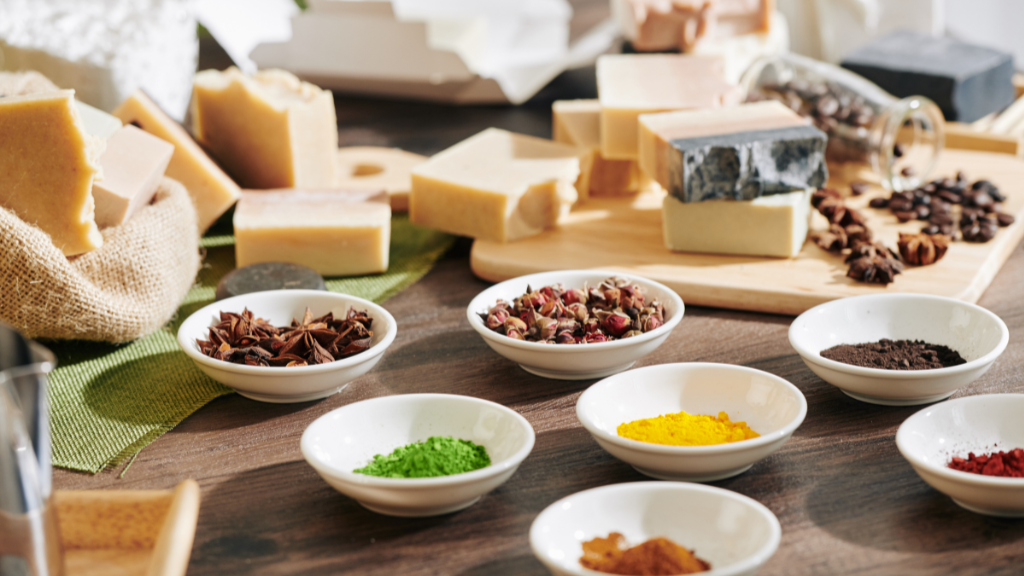
This is where creativity shines. Think goat milk soaps, charcoal detox bars, or seasonal scents. These specialty products often sell for higher prices at farmers markets and craft fairs.
Using Fragrance Oils in Soap Making
How Fragrance Oils Work in Soap
Fragrance oils blend into soap during the mixing process. They're designed to hold their scent through the soap making process and provide lasting fragrance when people use the finished bars.
Recommended Usage Rates
Most fragrance oils work well at 0.5 to 1 ounce per pound of soap base. Start with less - you can always add more next time. Too much fragrance oil can prevent soap from hardening properly or cause skin irritation.
Safety Basics
Always use fragrance oils made for soap making. Check that they're skin-safe and follow IFRA compliance guidelines. Keep detailed records of what you use so you can recreate successful batches and provide ingredient lists to customers.
Understanding Soap Making Customers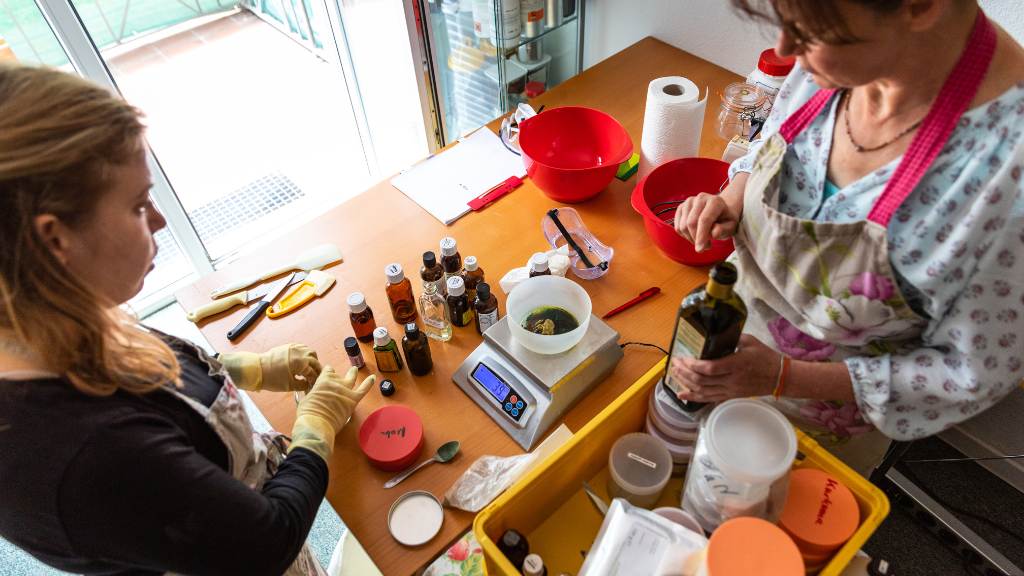
DIY Hobby Soap Makers
These folks make small batches for themselves, family, and friends. They want affordable options and appreciate sample sizes to try new scents before buying larger amounts.
Boutique Soap Brands
Small business owners selling at farmers markets, craft fairs, or online. They need consistent supply, unique fragrances that help their brand stand out, and ingredients they can feel confident recommending to customers.
Spa and Wellness Businesses
These customers often buy in bulk and want professional packaging options. They focus on relaxing, therapeutic scents that match their wellness brand.
The Soap Business Process for Suppliers
First-Time Customer Needs
New soap makers need simple starter options and clear guidance. They appreciate fragrance oils that work well in multiple soap types and detailed usage instructions.
Supporting Product Development
Successful suppliers offer seasonal scent collections and complementary ingredients. Think autumn spice blends or spring floral collections that help soap makers create timely products their customers want.
Building Repeat Business and Customer Loyalty
Quick shipping keeps soap makers happy, especially when they're running low on popular scents. Educational content about proper usage rates and safety tips builds trust and helps customers succeed.
How Africa Imports Supports Soap Makers

Range of Skin-Safe Fragrance Oils
Our fragrance oils are specifically chosen for soap making safety and performance. Each oil includes clear usage guidelines and works beautifully in cold process, hot process, and melt-and-pour methods.
African-Sourced Natural Ingredients for Soaps
From shea butter to unique fragrance blends, African ingredients add authentic appeal to handmade soaps. These natural additives help soap makers create products that stand out in crowded markets.
Wholesale Opportunities for Small Businesses
We understand small soap makers need quality ingredients at prices that let them build profitable businesses. Our wholesale options grow with your soap making journey.
Getting Started with Your Soap Making Business
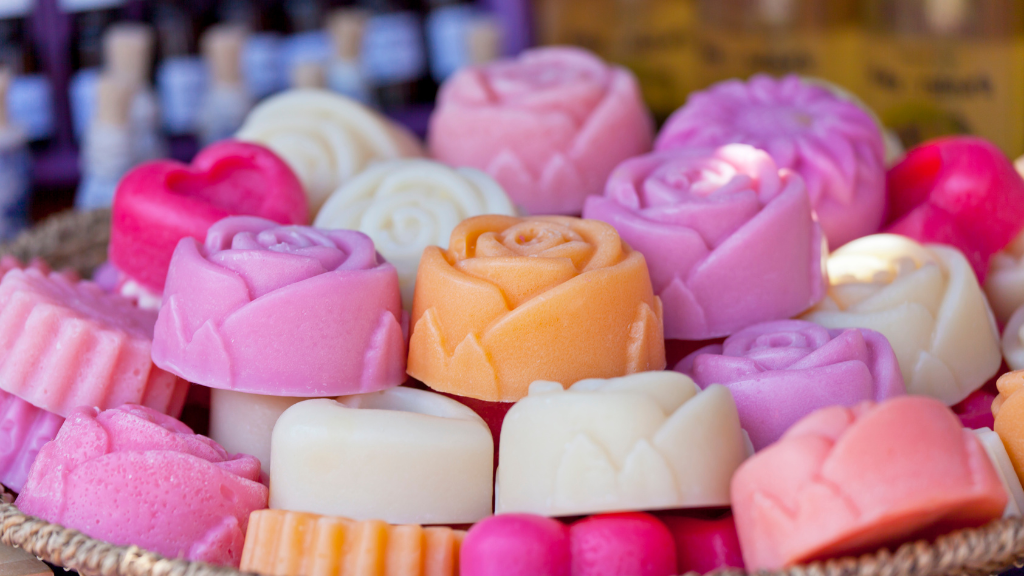
Understanding soap making basics opens doors to a rewarding business. Whether you're making your first bars or expanding an existing product line, success comes from using quality ingredients and understanding what your customers want.
The soap making community is welcoming and always eager to help newcomers succeed. Start with simple recipes, focus on quality fragrance oils, and build from there. Your soap making journey starts with choosing the right ingredients and suppliers who support your growth
Health and Safety Disclaimer
Always follow IFRA guidelines and safety recommendations when making soap. Test all products on a small skin area before full use. This information is for educational purposes only and should not replace professional guidance. Consult qualified professionals before making soap for commercial sale and always comply with local regulations for cosmetic products.
You Might Also Like
5 MIN READ / SOAP MAKING
The Best Fragrance Oils for Soap Making
Discover the top fragrance oils that enhance your soap-making process, providing long-lasting scent and skin-safe blends.
6 MIN READ / WELLBEING
How Fragrance Oils Can Improve Wellbeing and Productivity
Learn how scents influence mood and focus, and explore the best oils to create a calming and productive environment.

7 MIN READ / CANDLE MAKING
How to Make Candles with Fragrance Oils: A Step-by-Step Guide
Follow this simple guide to create beautifully scented candles using fragrance oils for home or business use.