 USD
USD  GBP
GBP  CAD
CAD  AUD
AUD 
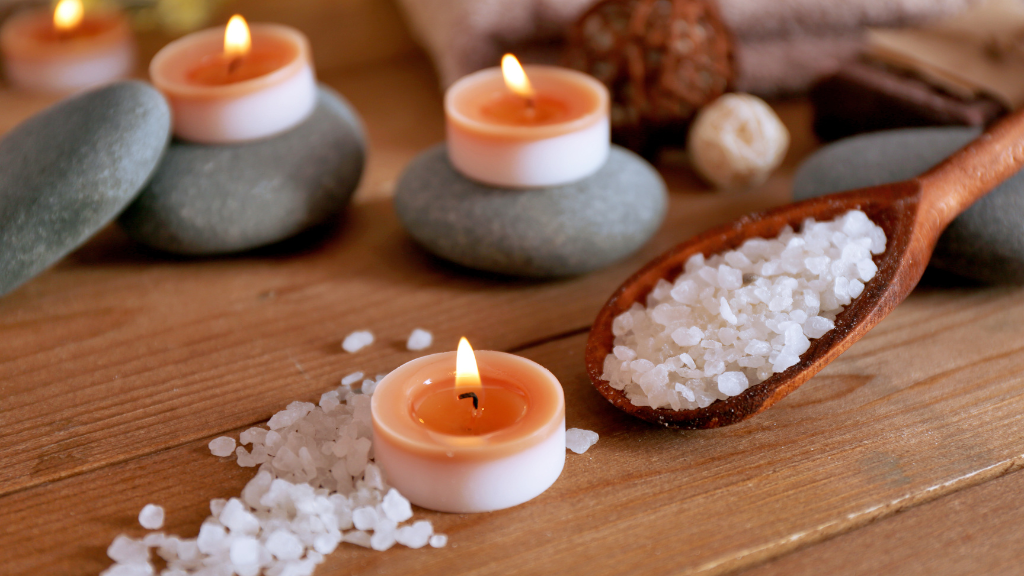
A customer picks up a jar of bath salts and asks what the difference is. Or you're looking at three wholesale listings of bath salts and trying to work out which one belongs on your shelf. Here's the short answer.
Dead Sea salt is a true salt with a broad mineral mix, low in sodium chloride and high in magnesium, potassium and calcium compounds. Epsom salt is magnesium sulfate, and it isn't chemically a salt at all. Himalayan salt is close to table salt, around 98 percent sodium chloride, with trace minerals that give it the pink color.
That's the real difference. Everything else follows from it.
This guide is written for small business owners buying in bulk to repackage, spa and massage professionals stocking treatment rooms, and soap and bath product makers building their own lines. We'll cover what each salt does, what the research actually supports, and how to price and store them for resale.
What Each Bath Salt Actually Is
Dead sea salt
Dead Sea salt is harvested from the Dead Sea, a salt lake sitting between Israel, Jordan and the West Bank. The water has no outlet, so minerals concentrate as it evaporates in the desert heat.
The mineral makeup is what sets it apart. Ordinary sea salt runs roughly 85 to 97 percent sodium chloride. Dead Sea salt is much lower. Published figures range from about 12 percent to 30 percent depending on how the salt is harvested and processed. The rest is magnesium chloride, potassium chloride, calcium chloride and bromide compounds. Sources commonly cite 21 minerals in total.
That mineral load has a practical downside. Dead Sea salt holds moisture. It clumps if you leave it open, and it needs airtight storage. If you're repackaging into jars, this matters more than any benefit claim.
Africa Imports stocks Dead Sea bath salt in coarse grain. It's made in Israel.
Epsom salt
Epsom salt is magnesium sulfate. It got its name from a mineral spring in Epsom, England, where it was first pulled out of the water in the 1600s.
It isn't a true salt. There's no sodium chloride in it at all, which is why it tastes and behaves differently from anything in your kitchen.
Epsom salt dissolves fast, leaves almost no residue on skin, and stores easily in a cupboard without clumping. It's also cheap and sold everywhere, which matters when you're running margin math on a finished product.
Africa Imports does not carry Epsom salt. If you're building a soak that needs it, you'll source it elsewhere.
Himalayan bath salt
Himalayan salt is mined in the foothills of the Himalayas, mostly in Pakistan. It's rock salt, pulled from ancient deposits rather than evaporated from water.
Chemically, it's close to table salt. Both sit around 98 percent sodium chloride. The remaining 2 percent holds trace amounts of other minerals, and that trace content is what produces the pink color.
Here's the part most sellers skip. There's no strong evidence that a Himalayan salt bath does more for you than any other mineral bath. Healthline, which has this reviewed by medical staff who back this up, also note there's no evidence behind the weight loss claims that circulate online.
That doesn't mean it's a bad product to stock. Pink salt photographs well, looks good in a clear jar, and sells on color and shelf appeal. Those are real reasons to carry it. Just don't sell it on mineral claims you can't back up, because your customers will eventually check.
Side by Side: How the Three Bath Salts Compare
|
Dead Sea salt |
Epsom salt |
Himalayan salt |
|
|
Main make-up |
Magnesium, potassium and calcium chlorides, plus bromide |
Magnesium sulfate |
Sodium chloride |
|
Sodium chloride content |
Roughly 12 to 30 percent |
None |
About 98 percent |
|
Texture and grain |
Coarse or fine, slightly damp to the touch |
Fine, dry crystals |
Coarse or fine, dry |
|
How fast it dissolves |
Slower |
Fast |
Moderate |
|
Residue on skin |
Leaves a mineral film |
Almost none |
Light |
|
Storage needs |
Airtight, cool and dry |
Stores easily anywhere dry |
Stores easily anywhere dry |
|
Typical cost per pound |
Higher |
Lowest |
Middle |
|
Best suited to |
Skin-focused soaks and scrubs |
Muscle soaks and foot baths |
Scented and color-led products |
|
Available from Africa Imports |
Yes, coarse grain |
No |
No |
If you remember one thing from that table, make it this. Epsom is the muscle soak. Dead Sea is the skin soak. Himalayan is the one you reach for when scent and appearance are doing the selling.
Most sellers end up carrying more than one for exactly that reason. They're not competing products so much as different jobs.
Which Bath Salt Is Best for Sore Muscles?
Epsom salt has the strongest reputation here, and it's the one most customers will ask for by name.
The reasoning is that magnesium plays a role in how muscles work. Whether meaningful amounts of magnesium actually cross the skin during a bath is still debated. A 2017 review looking at transdermal magnesium found the evidence thin. So the honest position is that people report relief, the research hasn't settled it, and you shouldn't promise more than that.
What we do know is that a warm soak on its own helps. Research on warm-water bathing has linked it to lower reported fatigue and stress. The bath is doing real work even before you add anything to it.
For your business, that's a useful framing. Massage therapists, gym-adjacent retailers and anyone selling to people on their feet all day move muscle soak products well. Position them by outcome, not by ingredient. "After a long shift" sells better than "magnesium sulfate," and it keeps you clear of claims you'd struggle to defend.
Which Bath Salt Is Best for Dry or Irritated Skin?
Dead Sea salt is the stronger choice for skin care products, and it's the one with the most research behind it.
A 2005 study published in the International Journal of Dermatology found that soaking in a magnesium-rich Dead Sea salt solution may help improve skin hydration and support the skin barrier in people with dry skin. Researchers also saw less redness and roughness in the group that soaked. That's a real finding, though it's one study and it doesn't make Dead Sea salt a treatment for anything.
Keep your language soft when you talk to customers about this. "May help soothe." "Some research suggests." "Many people find." Never state relief as fact.
There's one more point worth passing on. The National Eczema Association notes that plain bathwater can sting during a severe flare-up, and adding salt to the water may make the bath more comfortable. That's a small, practical thing your customers can act on, and it's the kind of detail that builds trust.
On grain size: coarse works well in scrubs, where you want some texture. Fine dissolves better for a straight soak. Africa Imports currently stocks coarse grain, so if you're making products like bath soaks or facial and body scrubs, factor in a longer dissolve time or grind it down.
If you sell to customers managing ongoing skin conditions, our range of eczema and psoriasis products sits alongside bath salts well.
How to Use Bath Salts Safely
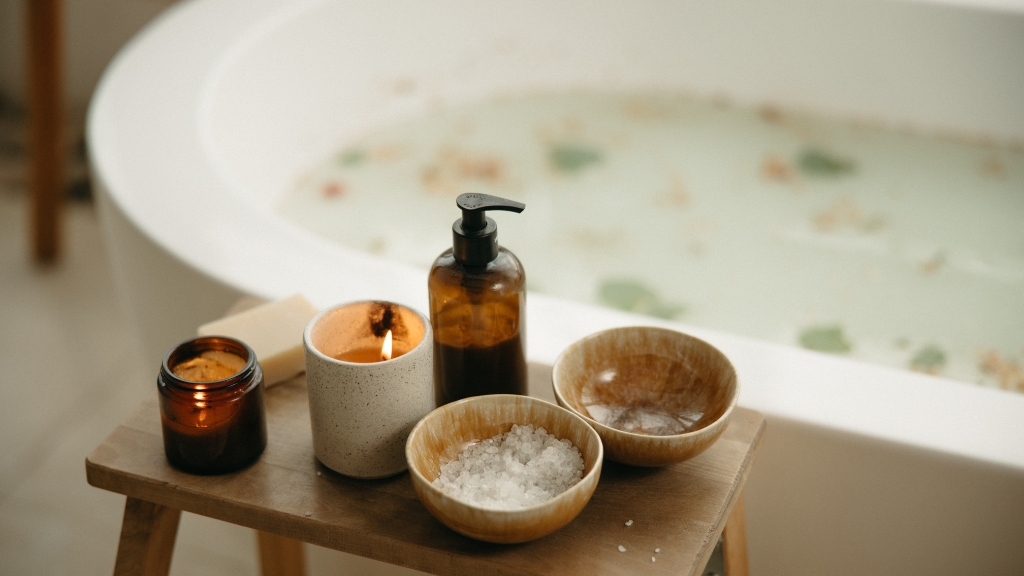
Pass this along to your customers, and follow it yourself when you're testing blends.
- Use about half a cup to one cup in a standard tub. Our Dead Sea salt labels suggest two tablespoons to one cup, so start low and adjust from there.
- For a foot soak, a quarter cup in a basin is plenty.
- Keep the water warm, not hot. Hot water strips oils from skin and leaves it drier than when you got in.
- Soak for 15 to 20 minutes. Longer isn't better.
- Rinse off and moisturize while skin is still damp.
- Patch test any new blend before you sell it or before a client uses it.
- Skip salt baths on broken skin, cuts or sunburn. It will sting.
- Dilute essential oils in a carrier oil before they go anywhere near bathwater. Dropping them straight in means they float on the surface and hit skin undiluted, which can irritate or burn.
- Anyone with diabetes, kidney or heart conditions should talk to a doctor before Epsom salt baths.
That last point matters if you're selling into a wellness setting. It costs nothing to put on a label and it protects you.
Stocking Bath Salts: What Small Business Owners Need to Know
Buying in bulk and repackaging
Bulk salt is one of the better margin products in personal care. It's cheap per pound, it's easy to handle in small units, and it doesn't need any processing to become a sellable product.
Run the unit math before you order. A 10 pound bag split into 8 ounce jars gives you 20 units. A 55 pound bag gives you 110. Set your jar cost, your label cost and your salt cost against your retail price, and you'll know your margin per jar before a single one leaves the shelf.
Be careful with markup figures you see quoted online, including on some of our own older product pages. Your actual margin depends on your packaging, your labor and what your market will pay. Work it out for your own numbers rather than borrowing someone else's.
Storage and shelf life
Dead Sea salt pulls moisture out of the air. Store it in airtight containers, somewhere cool and dry, and keep it out of the bathroom where steam will get at it.
Plain salts stay stable for two to three years if you keep them dry. That's a long runway, which makes bulk buying less risky than it is with oils or butters.
If you're adding fragrance or carrier oils, spread the salts out and let them dry fully before jarring. Skip this and the scent sinks to the bottom of the jar and the salt clumps into a block. It's the single most common mistake new sellers make with scented soaks.
Labeling and what you can say
Bath salts sold as cosmetics can't carry disease or treatment claims. The moment your label says a product treats eczema, arthritis or anything else, it's being sold as a drug in the eyes of the FDA, and you're in territory you don't want to be in.
Safe phrasing you can put on a jar:
- "Traditionally used for"
- "May help soothe"
- "Many people find it relaxing"
Phrasing to keep off your labels: heals, cures, treats, clinically proven, detoxifies.
Also include your full ingredient list and clear usage directions on every jar. Labeling rules vary by state, so check what applies where you sell.
Small Business Tip: Building a Three-Tier Bath Salt Range
If you're starting from scratch, don't launch with twelve products. Launch with three, all built on the same base salt.
Tier one is a plain unscented soak. Lowest cost, fastest to make, and it appeals to customers with sensitive skin who avoid fragrance.
Tier two is a scented soak. Same salt, plus a skin-safe fragrance or diluted essential oil blend. You can charge more for this without adding much cost.
Tier three is a scrub. Coarse salt blended with a carrier oil, sold in a wider-mouth jar. This carries the strongest margin of the three because the oil transforms a bulk commodity into a finished treatment product.
Using one base salt across all three keeps your inventory simple and your reorders predictable. Package in 8 ounce jars for retail and 2 ounce sachets as add-ons or market samples. The sachets cost you almost nothing and they get products into people's hands.
Start with one salt type and two scents. You can always add more once you know what sells. Our range of jars and packaging covers what you'll need to get the first batch out.
FAQs
Does dead sea salt pull toxins out of your body?
No. There's no evidence that bathing in salt draws toxins from the body. Your liver and kidneys handle that job, and a bath doesn't change it.
What a salt bath can do is soften skin, ease the feeling of tightness, and help you relax. Those are real and worth selling. The toxin claim isn't, and repeating it puts your labels at risk.
Can I mix epsom salt with dead sea salt?
Yes, and plenty of people do. Blending is common in commercial soaks. You get the magnesium sulfate from the Epsom side and the wider mineral mix and slower dissolve from the Dead Sea side.
Start around half and half, then adjust based on how it feels and how fast it dissolves.
What does bathing in dead sea salt do?
It softens the water and may leave skin feeling smoother and less tight. The warm soak itself is relaxing, which is a good part of the appeal.
People with dry or scaly skin often prefer it over other soaks. That's a preference, not a treatment.
Does dead sea salt have more magnesium than epsom salt?
Epsom salt is magnesium sulfate, so magnesium makes up a large share of it by weight. Dead Sea salt contains magnesium as one mineral among many.
The straight answer is that Epsom salt is the more concentrated single source of magnesium, while Dead Sea salt offers a broader mineral mix. Be wary of any multiplier figure you see quoted in either direction, including on product listings. They're rarely sourced.
Is himalayan salt better than epsom salt for a bath?
Not for magnesium. Himalayan salt is mostly sodium chloride, so it isn't a stronger mineral source than Epsom or Dead Sea salt.
It makes a pleasant, softening soak and it looks good in a jar. Sell it on that.
How much bath salt should you use in one bath?
Half a cup to one cup for a standard tub, and a quarter cup for a foot soak. Start lower if skin is sensitive and work up.
How long do bath salts last?
Plain salts stay stable for two to three years stored dry. Once you add carrier oil or fragrance, the shelf life follows the oil, usually six to twelve months.
Health and Safety Disclaimer
The information in this article is for general education only and is not medical advice. These statements have not been evaluated by the Food and Drug Administration. Bath salts are not intended to diagnose, treat, cure or prevent any disease. If you have a medical condition, are pregnant, or manage an ongoing skin condition such as eczema or psoriasis, speak with a healthcare provider before adding salt baths to your routine.
Where to Buy Bath Salts Wholesale
Africa Imports carries Dead Sea bath salt in coarse grain, in bulk sizes built for repackaging. We don't currently carry Epsom or Himalayan bath salt, so you'll know where you stand before you order.
Low minimums mean you can test a small batch before committing to a bigger run. And every order does more than fill your shelves. Over half of our profits fund charitable work in Africa, supporting schools, medical care and skills training for people who need it.
Shop wholesale bath salts and start building your range.