 USD
USD  GBP
GBP  CAD
CAD  AUD
AUD 
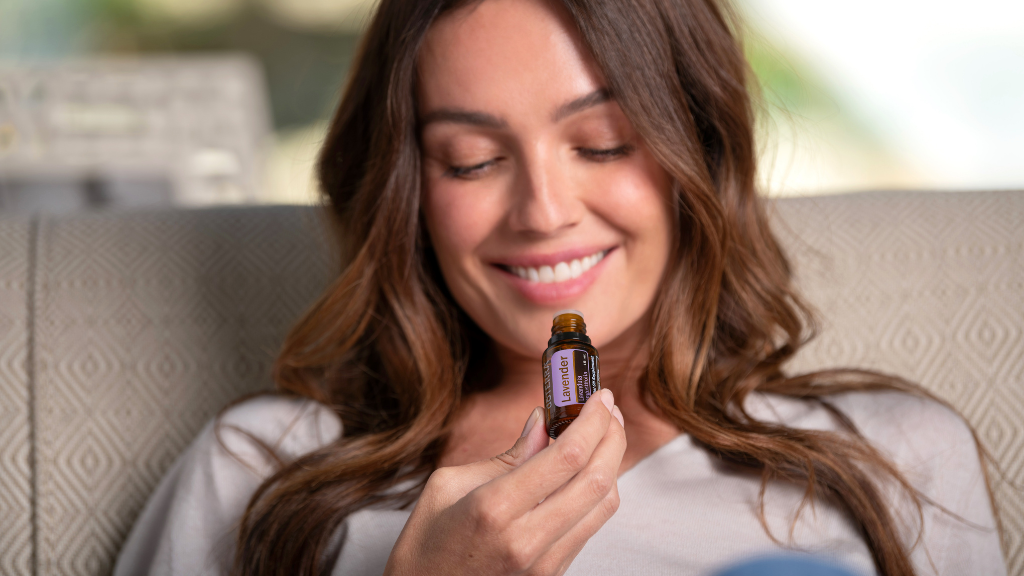
Essential oils show up in nearly every wellness aisle, spa treatment, and natural product line on the market. They are also one of the most over-promised products in the industry. If you sell essential oils, use them in your treatments, or formulate them into your own products, your customers are going to ask you what these oils can actually do. The honest answer matters more than a sales pitch.
This guide breaks down what essential oils with healing properties can and cannot do, which healing essential oils are most useful for skin care and minor wounds, and how to talk about all of this with the people buying from you.
Can Essential Oils Heal? The Honest Answer
Essential oils may support healing in specific ways. They can help ease stress, help with sleep, reduce nausea, and support minor skin care treatment through their antimicrobial and anti-inflammatory properties. What they cannot do is cure illness, treat infections, or replace medical care. Some peer-reviewed research backs specific uses, but essential oils sit in the category of complementary medicine, not alternative medicine.
Essential oils are concentrated plant extracts made by steaming or pressing parts of plants like flowers, bark, leaves, and fruit. The concentration is part of what makes them work and part of what makes them risky to misuse. It takes about 250 pounds of lavender flowers to make 1 pound of lavender essential oil. That is why a few drops go a long way.
When you breathe in an essential oil, scent molecules travel through the olfactory nerves to the brain and reach the amygdala, the area linked to emotions. That is one reason oils like lavender are tied to stress and sleep support. When applied to skin with a carrier oil, some of the compounds in essential oils can be absorbed through the skin.
For small business owners, the honesty piece matters. Customers are getting sharper about wellness claims. The sellers who do not overpromise are the ones who build long-term loyalty. Telling people the truth about what oils can and cannot do is a business advantage, not a weakness.
What Essential Oils Can Actually Do
Both research and traditional use back a specific set of uses for healing essential oils:
- Reduce anxiety and stress
- Improve sleep quality
- Lift mood
- Ease nausea
- Relieve headaches
- Support skin care, including acne, minor irritation, and dryness
- Help with minor wound care through antimicrobial and anti-inflammatory properties
- Reduce muscle and joint discomfort when used topically with a carrier oil
- Clear stuffy noses and support easier breathing through aromatherapy
These are real and useful, but they have limits.
What Essential Oils Cannot Do
Essential oils cannot:
- Cure or treat illness, infection, or disease
- Replace prescribed medications
- Stand in for medical care for serious wounds, deep cuts, or burns that need professional attention
- Guarantee specific results, as effects vary from person to person
Being clear about this protects your customers and protects your business.
Essential Oils for Healing Skin Wounds

The most common question after "do essential oils really work" is whether they can help with minor cuts, scrapes, and skin issues. The short answer: some healing essential oils can, in the right conditions, on minor wounds only.
The properties that make certain essential oils useful for skin care and minor wound support are:
- Antimicrobial, which helps fight bacteria
- Antiseptic, which helps prevent infection
- Anti-inflammatory, which reduces redness and swelling
- Vulnerary, which is the traditional term for supporting skin repair
Top Essential Oils for Skin and Minor Wound Care
Lavender. One of the most-studied essential oils. May help calm minor irritation, soothe small burns, and support skin repair. Lavender has the FDA's "Generally Recognized as Safe" designation.
Tea tree. Known for its antimicrobial and antiseptic properties. Often used for acne, minor cuts, and fungal skin issues. Should not be used full-strength on broken skin in most cases. Always dilute.
Chamomile, both Roman and German. Traditionally used to calm sensitive, irritated skin.
Frankincense. Sometimes called the "king of oils." May support skin appearance and help with visible inflammation.
Helichrysum. Less common than the others, but specifically known for supporting skin healing. Worth knowing about even if you do not stock it.
Lemongrass. Has antibacterial properties. Sometimes used to support minor wound care.
These oils are for minor concerns only. Deep cuts, large burns, infected wounds, or any wound that is getting worse needs a doctor.
A Sample Wound-Soothing Blend (For Reference Only)
This is a sample blend for minor skin irritation or very small scrapes. It is for reference, not a prescription.
- 2 tablespoons jojoba or sweet almond carrier oil
- 3 drops lavender essential oil
- 2 drops tea tree essential oil
- 2 drops chamomile essential oil
Wash hands and clean the wound first. Apply a small amount to clean, minor scrapes or skin irritation. This is not a substitute for medical care. Anyone with sensitive skin should patch test first.
Specific Healing Questions People Ask
Can Essential Oils Heal Nerve Damage?
No, essential oils do not heal nerve damage. Some oils, including lavender, peppermint, and frankincense, have been studied for their potential to ease the discomfort that can come with neuropathy. They may help with how a person feels, but they do not repair nerves. Anyone living with nerve damage should be working with a doctor.
Can Tea Tree Oil Heal Open Wounds?
Tea tree oil has antimicrobial properties and is sometimes used to help prevent infection in very minor cuts or scrapes once they have started to close. It should not be applied full-strength to open wounds. Always dilute it in a carrier oil. For anything more than a minor scrape, see a doctor.
Can Tea Tree Oil Heal Toenail Fungus?
Some research suggests tea tree oil has antifungal properties that may help with mild toenail fungus. Results take patience and consistency, often weeks or months of regular use. For persistent or painful fungal infections, see a podiatrist.
Will Tea Tree Oil Heal Cold Sores?
Tea tree oil has antiviral properties, and some people use it on cold sores. Always dilute it before applying near the lips. Tea tree is not a cure, but it may help reduce the appearance and shorten the time a cold sore is visible in some cases.
Lavender Oil for Healing Wounds
Lavender is one of the most popular oils for skin care because it is gentle and has several useful properties. It is traditionally used for minor cuts, small burns, and skin irritation. Always dilute lavender in a carrier oil before applying it to skin.
What Essential Oil Is Good for Wound Healing?
The most commonly recommended oils for minor wound support are lavender, tea tree, chamomile, and frankincense. The right choice depends on the type of skin issue and what you are trying to address. Always dilute, and never use essential oils on serious wounds.
How to Use Essential Oils Safely
Safety guidance is one of the most useful things you can give a customer alongside the product itself.
- Always dilute essential oils in a carrier oil before applying to skin. Jojoba, sweet almond, coconut, and fractionated coconut are good options.
- Standard dilution for adult skin is 2 to 3 drops of essential oil per teaspoon of carrier oil.
- Patch test on a small area of skin and wait 24 hours before applying more widely.
- Some oils make skin more sensitive to sunlight. Lemon, lime, orange, grapefruit, lemongrass, and bergamot all fall into this group. Avoid direct sun for 12 to 24 hours after applying.
- Do not ingest essential oils unless directed by a trained healthcare professional.
- Take extra care with children, pets, pregnant women, people who are nursing, and people with weakened immune systems.
- Tea tree and eucalyptus oils have been linked to seizures in rare cases. Both are also toxic to cats and dogs.
- Store oils in dark glass bottles in a cool, dark place.
- Some oils contain ketones, including rosemary, sage, and hyssop. These require extra caution, especially in pregnancy.
Choosing Quality Essential Oils
The FDA does not regulate essential oils for purity, so quality varies a lot from one supplier to another. A few things to look for:
- Oils sold in dark glass bottles, which protects them from light damage
- Proper botanical names on the label, such as Lavandula angustifolia for lavender and Melaleuca alternifolia for tea tree
- Suppliers who explain what their oils are made for and how to use them
- Suppliers who do not market their oils as cures or treatments for medical conditions
Reputable suppliers will not promise that an oil will heal a condition. If a label or product page is making bold medical claims, that is a sign to look elsewhere.
Small Business Tip: Selling Essential Oils Honestly
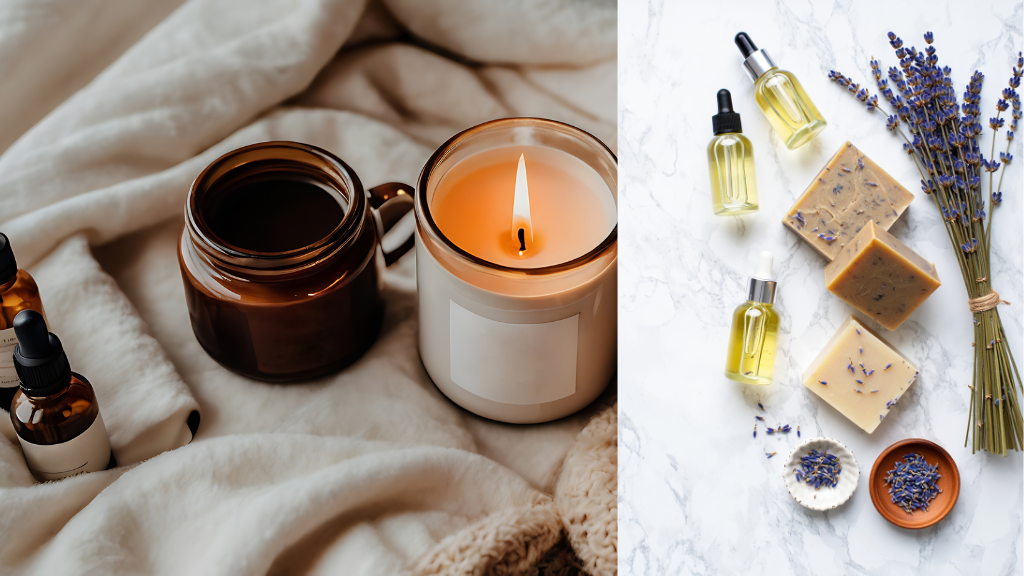
For spa owners, massage therapists, soap makers, candle makers, and natural product retailers, how you talk about essential oils with your customers matters. Customers are getting smarter about wellness claims. The businesses that win long-term are the ones that do not oversell.
Use phrases like "may help," "traditionally used for," and "some people find that" rather than promising specific results. Always recommend a patch test. Tell customers to see a doctor for anything more than minor concerns. That kind of honesty builds trust and brings people back.
If you are stocking essential oils for resale or formulation, a few practical pointers:
- Start with the popular oils that have the broadest customer appeal: lavender, tea tree, peppermint, eucalyptus, frankincense, and lemongrass.
- Offer carrier oils alongside essential oils so customers can use them safely from day one. Jojoba, sweet almond, and fractionated coconut are good staples to keep in stock.
- Stock essential oil sets for customers who want to try several scents without committing to a large bottle of one.
- Print a simple usage and dilution guide that customers can take home with their purchase. It cuts down on returns and answers the questions your team would otherwise spend time answering.
For product makers, essential oils work in lotions, body butters, soaps, bath salts, and body oils. Test small batches first to make sure the scent works and the skin compatibility is right for your customers.
Africa Imports has been working with small businesses across the US for over 25 years. Wholesale pricing and low minimum orders make it easier to test new products without overcommitting. Over half of every order's profits go to charitable work in Africa, including schools for orphaned children, medical care, and skills training for adults. Every wholesale order helps fund that work.
When to See a Doctor
Essential oils are not the right answer for:
- Deep cuts, large or deep burns, or any wound showing signs of infection, including increased redness, pus, warmth, or fever
- Wounds that are not healing or that are getting worse
- Skin conditions like persistent rashes, painful flare-ups, or unexplained skin changes
- Any health concern in pregnant or nursing women, infants, young children, or people with serious medical conditions, without first speaking to a doctor
Knowing where the line is helps you serve your customers well and keeps your business on solid footing.
Frequently Asked Questions
Do essential oils really heal?
Essential oils can support healing in specific ways. Research backs their use for reducing stress, improving sleep, easing nausea, and supporting minor skin care. They do not cure illnesses or replace medical care. Think of them as complementary medicine that works alongside other treatments, not as a replacement.
Which essential oils have the strongest healing properties?
Lavender, tea tree, chamomile, frankincense, eucalyptus, and peppermint are the most commonly used essential oils for general healing support. Each has different properties. Lavender is gentle and works for stress, sleep, and minor skin care. Tea tree is more antimicrobial and is used for blemishes and minor cuts. Frankincense is often used for skin appearance and inflammation.
Are essential oils safe to use on skin?
Most essential oils need to be diluted in a carrier oil before they go on skin. Standard dilution is 2 to 3 drops of essential oil per teaspoon of carrier oil. Patch test first. Some oils make skin more sensitive to sun. Tea tree, eucalyptus, and a few others have specific cautions, especially around children and pets.
Can essential oils help with osteoporosis?
Essential oils are not a treatment for osteoporosis. Some oils have been studied for their effects on inflammation and discomfort, which may support comfort in people managing bone or joint issues. Osteoporosis itself requires medical care.
What essential oil reduces cortisol?
Lavender is the most well-known oil studied for its potential to reduce stress and the cortisol response. Used in a diffuser or applied diluted to skin, lavender is one of the most-reviewed essential oils for stress and sleep support.
What essential oils have ketones?
Rosemary, sage, hyssop, and a few others contain ketones. Ketone-rich oils need extra caution and are usually avoided during pregnancy and in young children.
Can I use essential oils on a wound?
For very minor scrapes or skin irritation, some essential oils (especially lavender or tea tree) can be applied diluted in a carrier oil after the wound has been cleaned. Never use undiluted oils on broken skin. For deep wounds, large burns, or any wound showing signs of infection, see a doctor.
Health and Safety Disclaimer
The information in this article is for educational purposes only and is not medical advice. The potential benefits described have not been evaluated by the FDA. Essential oils are not licensed for medical use and should not be used to diagnose, treat, cure, or prevent any disease. Always consult a healthcare professional before using essential oils, especially if you are pregnant, nursing, taking medication, or treating someone with a health condition. Stop use and see a doctor if you experience any adverse reaction.
Stock the Healing Oils Your Customers Are Asking For
Lavender, tea tree, frankincense, chamomile, eucalyptus, and lemongrass are the essential oils customers ask about most often when they are looking for skin care and wound support. Africa Imports stocks all of these at wholesale prices with low minimum orders, so you can start small and grow your range over time. Pair them with quality carrier oils so your customers have everything they need from day one. Every wholesale order helps fund schools, medical care, and skills training in Africa.