 USD
USD  GBP
GBP  CAD
CAD  AUD
AUD 
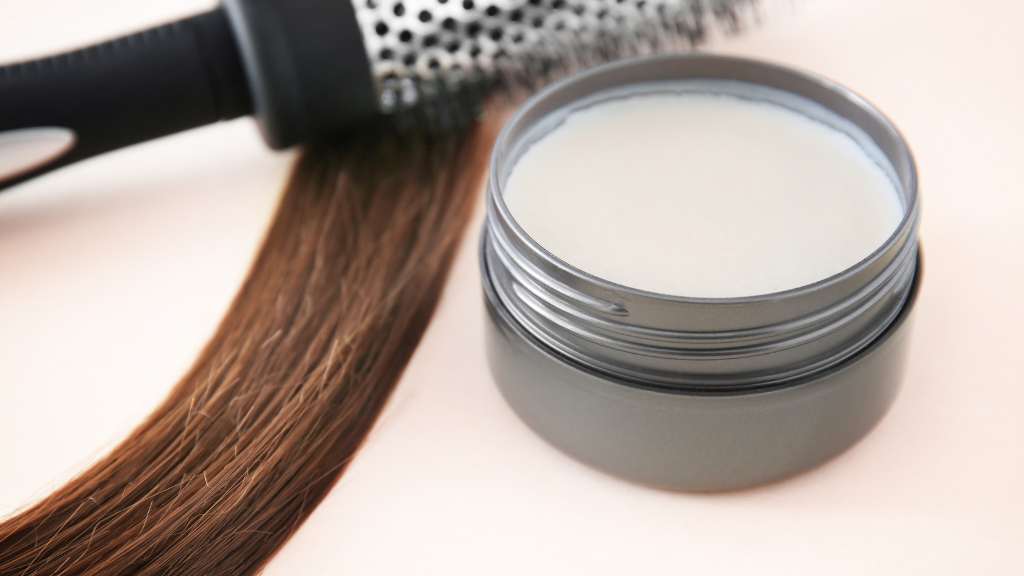
Pomade is one of the most flexible products in any styling kit. It holds slick styles, smooths edges, tames frizz, defines curls, and adds shine across every hair type. Used right, a small jar lasts a long time and earns its place on the bathroom shelf.
This guide breaks down the main hair pomade uses, how to apply pomade on different hair textures, and what small business owners need to know about stocking it. Africa Imports carries a range of natural pomades made with ingredients like black castor oil, jojoba, argan, hemp, and shea, sold at wholesale prices to small businesses across the US. Every order helps fund schools, medical care, and skills training in Africa, where over half of our profits go.
What Is Hair Pomade?
Pomade is a waxy or oil-based styling product that holds, smooths, and adds shine to hair without drying stiff like gel. The texture stays soft on the hair, so you can recomb or restyle through the day instead of being locked into one shape from the moment you walk out the door.
Pomade has been around for centuries. The earliest versions were made from animal fats and beeswax. Modern pomades use natural oils, beeswax, plant butters, and sometimes petroleum-based bases for stronger hold.
How pomade differs from other styling products
- Hair gel dries hard and can flake. Pomade stays soft and reworkable.
- Hairspray locks hair in place and resists movement. Pomade allows movement and restyling.
- Hair wax overlaps with pomade but tends to be firmer. Pomades are softer and more pliable.
Edge control is essentially a stronger-hold pomade made specifically for laying baby hairs and smoothing the hairline.
What Is Pomade Used For? Common Uses Across Hair Types
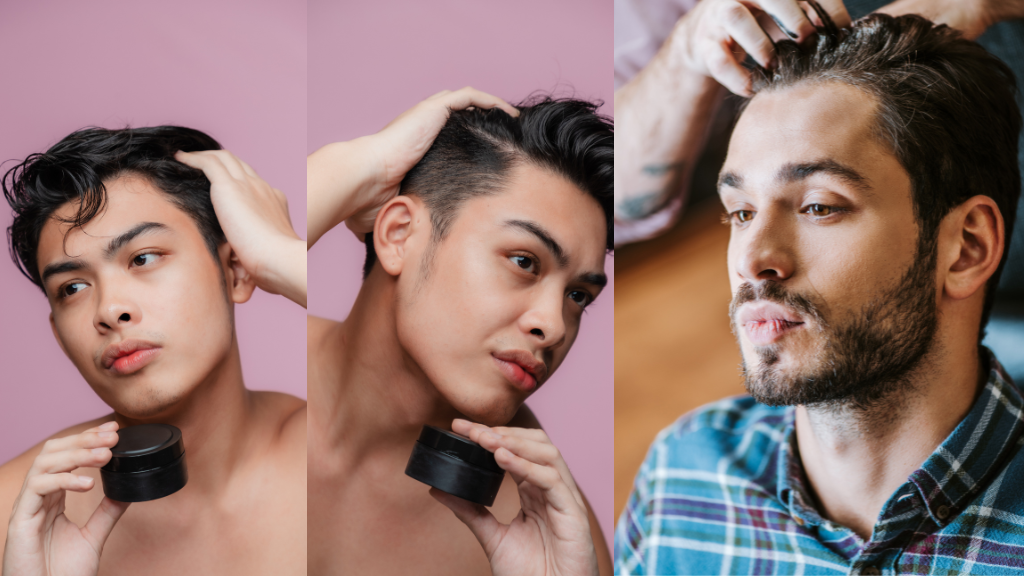
Pomade does more than slick hair back. Here are the main ways people use it.
For hold and shape:
- Slick-back styles, pompadours, and quiffs
- Side parts and combovers
- Sleek buns and low ponytails
- Pixie cuts and short crops
For smoothing and finishing:
- Smoothing flyaways at the hairline and crown
- Taming frizz on the lengths and ends of hair
- Smoothing edges as a softer alternative to firm-hold edge gels that can flake
- Polishing the ends of braids, twists, and updos
For definition and texture:
- Defining curls and waves without the crunch of gel
- Adding piecey texture to medium-length straight hair
- Holding twist-outs and braid-outs in shape
- Adding light volume at the roots when you use a small amount
Beyond head hair:
- Taming and shaping beards and moustaches
- Smoothing eyebrows for special occasions
How to Use Pomade on Hair: Step-by-Step
The basics are the same for every hair type. Start small, warm the product up, work it through evenly, then style.
Step 1: Start with clean hair. Pomade spreads best on freshly washed hair. Old product buildup blocks new pomade from working evenly.
Step 2: Decide whether it is wet, damp, or dry. Damp hair gives more shine and easier spread. Dry hair gives a stronger, more matte hold. Most people apply pomade to towel-dried, slightly damp hair for everyday styles.
Step 3: Scoop a small amount. A pea-sized or dime-sized amount is plenty for short hair. Longer or thicker hair may need a little more, but it is much easier to add product than to take it out.
Step 4: Warm it in your palms. Rub the pomade between your fingers and palms until it softens and looks shiny. This is the step most people skip, and it is the difference between even coverage and clumps in the hair.
Step 5: Work from back to front, root to tip. Run your fingers through the back and sides first, then the front. This stops you from over-loading the front of your hair, which is what most people see in the mirror.
Step 6: Style with a comb or your fingers. Use a fine-tooth comb for sleek styles, a wide-tooth comb for definition, and your fingers for natural texture.
Step 7: Layer if needed. If your style is not holding, add more pomade in small amounts only.
When should you put pomade in your hair?
Most people apply it after washing and partly drying, ready for the day ahead. You can also use pomade on dry hair for a stronger matte finish, or as a finishing touch on already-styled hair to smooth flyaways and refresh on day two.
How to Use Pomade by Hair Type
Not every pomade works on every hair type. Here is what to look for and how to apply.
Fine and Thin Hair
Use very small amounts, around half a pea. Choose water-based pomades. Oil-based or wax-heavy formulas weigh fine hair down and can look greasy. Apply from the mid-lengths, not the roots, to keep volume. Matte pomades give a fuller-looking finish than high-shine.
Thick and Coarse Hair
Thick hair can handle stronger holds and richer formulas. Oil-based and wax-heavy pomades give long-lasting hold without breaking down through the day. Warm the pomade longer in your palms, since thick hair takes more product to coat evenly. Work in sections from back to front so the product spreads.
Curly and Wavy Hair
A water-based pomade applied to damp hair before scrunching can hold curl shape for several days. Use sparingly. Pomade does not have the slip of curl creams, so heavy hands cause clumps. For added definition, smooth a small amount over already-styled curls to bring out shine. Wrap hair in a satin scarf or bonnet at night to keep the style intact.
Coily and 4C Hair
Pomade works well for sealing moisture into twist-outs, braid-outs, and protective styles. Choose pomades with shea butter, castor oil, jojoba, or hemp. These give hold without drying out coils. Pomade is also a softer option for laying baby hairs along the hairline compared to firm-hold edge gels. Apply to slightly damp hair after a leave-in conditioner has been worked through.
Beards and Moustaches
Use a tiny amount, warmed thoroughly between fingertips. Comb through with a beard comb to spread evenly. Matte pomades give a neat, kept look without wet shine. Oil-based pomades give a fuller, glossier beard finish.
Types of Pomade and How to Choose
Pomades fall into a few main categories. Each gives a different feel and finish.
Oil-based pomade gives high shine, strong hold, and lasts through the day. It takes a few washes to remove fully. Best for classic slick-back styles, pompadours, and sealing in moisture for textured hair.
Water-based pomade gives medium shine and washes out with one rinse. It is reworkable throughout the day with a little water. Best for everyday styling, fine hair, and anyone who wants to restyle later.
Wax-based pomade gives the strongest hold with lower shine. Best for high-volume styles, gravity-defying looks, and thick or coarse hair.
Matte and clay pomades give a dry, natural finish with no shine. They add texture and volume. Best for messy or textured looks and fine hair where shine would look greasy.
Natural-ingredient pomades are made with ingredients like black castor oil, jojoba, argan, hemp, shea butter, or coconut oil. They often offer styling plus added moisture, which makes them a strong choice for daily use, dry hair, and customers who prefer natural formulations. Africa Imports' natural hair pomades sit in this category, with options across oil-based, water-based, and wax-based formulas.
Common Mistakes to Avoid
A few small mistakes turn pomade from a daily favorite into a frustrating product. Watch for these:
- Using too much. Greasy, weighed-down hair is the number one pomade complaint. Always start small.
- Skipping the warm-up. Cold pomade clumps in the hair. Spend ten seconds rubbing it between your palms first.
- Loading the front first. Most people overdo the front because that is what they see in the mirror. Start at the back and work forward.
- Applying to dirty hair. Old product blocks new pomade from spreading evenly.
- Using oil-based on fine hair. It will look flat and greasy. Match the formula to the hair type.
- Forgetting to wash properly. Oil-based and wax-based pomades need a strong shampoo, sometimes two passes.
How to Wash Pomade Out
Water-based pomades rinse out with one normal shampoo. Oil-based and wax-based pomades need a clarifying or high-detergent shampoo, sometimes a second wash.
For stubborn buildup, work a small amount of olive oil or coconut oil through dry hair before shampooing. The oil binds with the pomade and lifts it out. Wash every two or three days for daily pomade users to keep the scalp clean and product-free.
Pomade for Small Business Owners
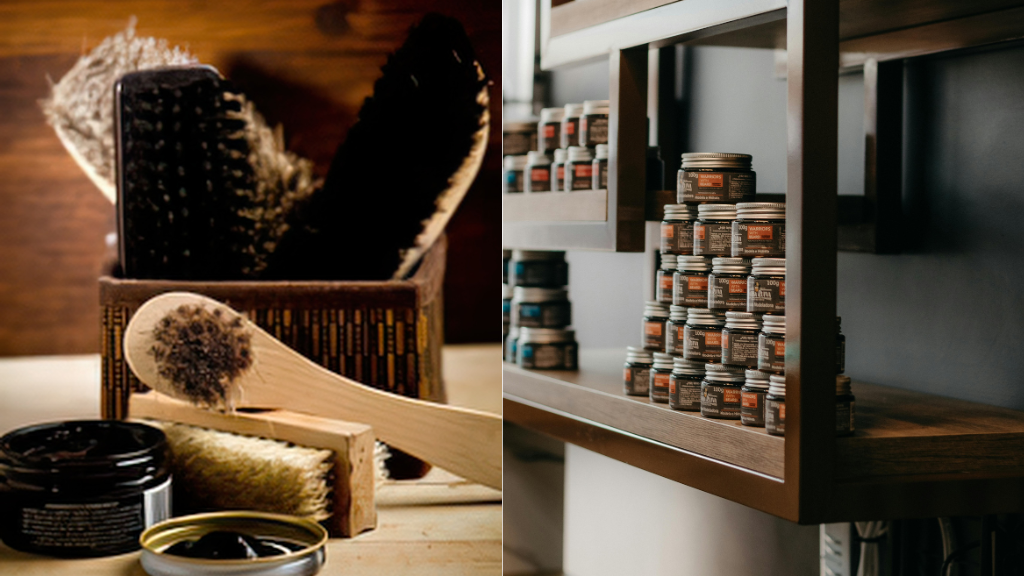
Pomade is one of the most reliable repeat-purchase products in the natural hair and grooming market. Customers run out, refill, and try new scents and formulas. That makes it a smart line for any beauty business to stock.
Why does pomade sell well at retail?
Used daily or every other day by regular customers, which means a high reorder rate
Appeals to a wide audience: men, women, every hair type, every age group
Wide price tolerance, with customers happy to pay more for natural-ingredient formulas
- Travel-friendly, shelf-stable, and easy to display
- Who buys pomade in volume:
- Beauty supply retailers and boutiques
- Natural hair salons and barbers
- Spa owners offering grooming services
- DIY soap and cosmetics makers blending pomade into private-label products
- Pop-up vendors at fairs, markets, and events
Tips for resellers
Stock a range across hair types: fine, thick, curly, and coily. One product line can then cover every customer who walks through the door. Offer a small-size or trial bundle so first-time customers can test formulas before committing to a full jar. Pair pomades with shampoos and oils for a styling kit at a higher price point. Display jars with simple "best for" labels (slick styles, edges, curls, dry hair) to help customers choose at a glance.
For DIY formulators, pomade is one of the more approachable products to repackage or rebrand. Wholesale pomades can be transferred into branded jars with custom labels, which works well for small-batch makers building a private label line. Africa Imports stocks wholesale natural hair care products including pomades in larger sizes for resale and refill.
Frequently Asked Questions
What is the use of hair pomade?
Hair pomade is used to hold styles in place, smooth flyaways and frizz, define curls and waves, seal in moisture, and tame edges and beards. It works across every hair type, with the right formula matched to the right hair.
When should you put pomade in your hair?
Apply after washing and partly drying for full styles. Use on dry hair for a matte finish or quick refresh. As a finishing product, smooth a small amount over already-styled hair to tame flyaways and add shine on day two.
Do I use pomade when my hair is wet or dry?
Damp hair gives more shine and easier spread. Dry hair gives a stronger hold and matte finish. Most everyday use is on towel-dried, slightly damp hair, which lands somewhere in between.
Is pomade good for natural and curly hair?
Yes, when chosen with care. Water-based pomades or pomades made with shea, castor, or jojoba work best on coils and curls. Avoid heavy oil-based formulas that build up on textured hair over time.
Can women use pomade?
Yes. Pomade is used widely by women for slick buns, smoothing edges, polishing the ends of braids, taming flyaways, and defining curls. Many of the same formulas marketed to men work just as well on women's hair.
How often can I use pomade?
Daily use is fine for most hair types. Wash every two or three days to prevent buildup, especially with oil-based or wax-based formulas. Water-based pomades are easier to use daily because they rinse out quickly.
What is the difference between pomade and gel?
Gel dries hard and can flake. Pomade stays soft and reworkable through the day, with a smoother shine and no crunch when you touch the hair.
Does pomade cause hair loss?
No, pomade itself does not cause hair loss. Heavy buildup from infrequent washing can clog the scalp, so wash regularly and use the right formula for your hair type.
Wrapping Up
Pomade is a small product that earns its place in any styling kit, on any hair type, and in any natural beauty business. The right formula gives hold, shine, smoothness, or texture, depending on what your hair needs that day. Match the pomade to the hair, use a small amount, and warm it in your palms before applying.
Africa Imports stocks natural pomades made with ingredients like black castor oil, jojoba, argan, hemp, and shea, sold at wholesale prices to small businesses across the US. Every order helps fund schools, medical care, and skills training in Africa. Shop our wholesale natural pomades to stock your shelves or build your own private label range.
Health and Safety Disclaimer
The information in this article is for educational purposes and is not a substitute for medical advice. The pomades described here are styling products only and are not intended to treat or cure any hair or scalp condition. If you have a known scalp condition, allergy, or sensitivity, patch test before use and consult a healthcare professional.