 USD
USD  GBP
GBP  CAD
CAD  AUD
AUD 
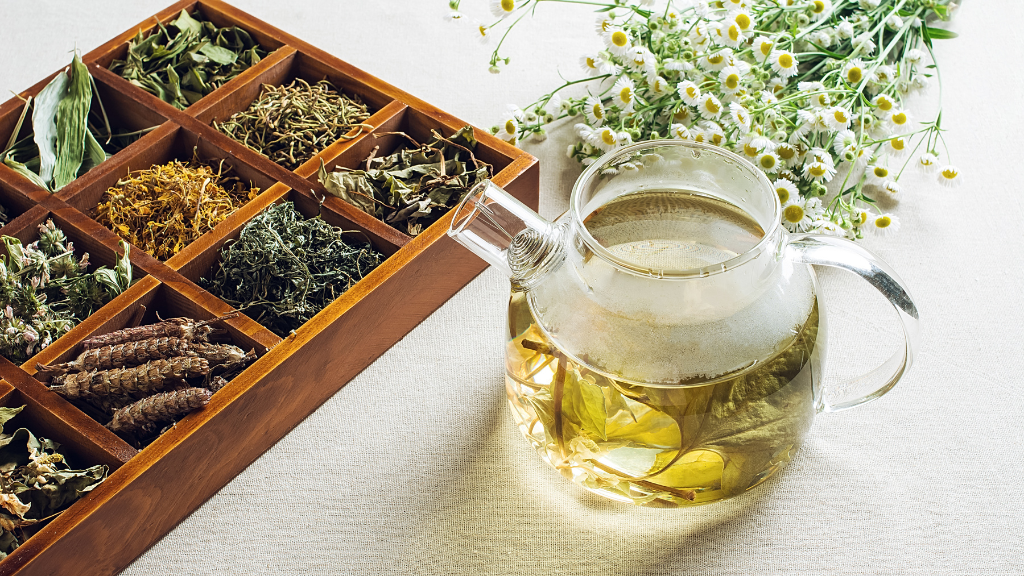
The Honest Answer on Herbs and Weight Loss
If you are looking for the best herbs for weight loss, here is the honest starting point. Some herbs and spices may give a small nudge to appetite, cravings, or metabolism. But they only work alongside a balanced diet and regular exercise. There is no magic herb, and most of the research is limited, small-scale, or done on animals rather than people.
That does not mean herbs are useless. It means you should know what you are buying and why.
For most people, the easiest way to work these herbs into a normal day is to drink them. A cup of herbal tea takes no planning and no extra shopping trip, and it swaps out a sugary drink at the same time. Green tea, ginger, cinnamon, and hibiscus all brew well, which is why healthy teas are where most people start.
Here are the ones with the most research behind them:
- Green tea: may slightly support metabolism and fat burning
- Fenugreek: fiber-rich, and research suggests it may help control appetite
- Ginger: may support metabolism and help curb appetite
- Cayenne pepper: contains capsaicin, which may slightly reduce hunger
- Turmeric: studied for effects on BMI, mostly at high supplement doses
- Cinnamon: may help steady blood sugar, which can ease cravings
- Black pepper: contains piperine, which helps your body absorb other compounds
- Gymnema sylvestre: may reduce how sweet food tastes and curb sugar cravings
- Ginseng: traditionally used in Chinese medicine, with some small supporting studies
- Carob: a naturally sweet pod traditionally used as a lower-sugar swap
A quick safety note before you start. Most guidance suggests keeping herb use to around one tablespoon (14g) a day, and checking with a doctor first if you are pregnant, breastfeeding, taking medication, or managing a health condition.
How Herbs May Support Weight Loss

Herbs do not burn fat
What some of them may do is make it a little easier to stick to healthy habits. Here is how.
Appetite support
Some herbs, especially fiber-rich ones like fenugreek, may help you feel full sooner. When you feel full, you tend to eat less without having to fight yourself over it.
Blood sugar balance
Herbs like cinnamon and gymnema may help steady blood sugar. Steadier blood sugar often means fewer sharp cravings in the afternoon.
Metabolism
Compounds in green tea, ginger, and cayenne may slightly raise the number of calories you burn. Research suggests the effect is real but modest. It is not going to replace a walk.
Here is the caveat that matters most. These effects are small and they are not guaranteed. Diet, sleep, and movement do the heavy lifting. Natural herbs for weight loss are a support act, not the main event. This means that they may help support your body's natural detox processes and reduce water retention, much like a good detox tea blend.
The Best Herbs and Spices for Weight Loss
Green tea
Green tea contains catechins, especially EGCG, along with a small amount of caffeine. Research suggests this combination may slightly support metabolism and fat burning.
One thing worth knowing. Most of the studies used concentrated green tea extract, not a brewed cup. So a daily cup of tea is a healthy, low-calorie swap for a sugary drink, but do not expect it to do much on its own.
Good to know: green tea is one of the more popular herbs for weight loss and energy, since the light caffeine lift is gentler than coffee.
Fenugreek
Fenugreek seeds are high in fiber. Research suggests fenugreek may help control appetite and reduce how much food people eat at a meal. Fiber is one of the more reliable ways to feel full, so this is one of the better-supported herbs on the list.
Fenugreek is widely grown in India and used across South Asian and Middle Eastern cooking.
Ginger
Ginger may support metabolism and help curb appetite. A 2024 review of 27 studies linked ginger supplementation to small reductions in body weight and BMI. More high-quality trials are still needed, so treat this as promising rather than settled.
Ginger is also one of the easiest herbs to actually use. It works as a tea, in cooking, and as a powder.
Cayenne pepper
Cayenne contains capsaicin, the compound that makes chili hot. Research suggests capsaicin may slightly boost metabolism and reduce hunger, though the evidence is mixed and the effect is small.
If you like heat, it is an easy addition to meals. If you do not, there is no reason to force it.
Turmeric
Curcumin, the active compound in turmeric, has been studied for its effect on BMI. Results suggest a possible small benefit.
The catch is dosage. Those studies used concentrated supplement doses far higher than what you would sprinkle on your food. Turmeric in cooking is a good habit, but it is not a weight-loss tool on its own.
Tip: pair turmeric with black pepper. Piperine helps your body absorb curcumin.
Cinnamon
Cinnamon may help steady blood sugar, which can reduce the cravings that come with a blood sugar crash. The evidence is limited but promising.
It is also one of the simplest herbs to add to your day. Stir it into oatmeal, coffee, or yogurt.
Black pepper
Black pepper contains piperine. Animal studies suggest a possible effect on body weight, but human evidence is limited, so do not read too much into it.
Where black pepper genuinely earns its place is absorption. It helps your body take in other compounds, including curcumin from turmeric. That is why the two are so often used together.
Ginseng
Ginseng has long been used in traditional Chinese medicine. Some small studies suggest a possible effect on body weight, but the research is early and more is needed.
Treat this as a traditional use rather than a proven result.
Gymnema sylvestre
Gymnema contains gymnemic acid, which may reduce the perceived sweetness of food. In practice, that means sugary things taste less appealing, which may help curb sugar cravings.
It is one of the more interesting herbs on this list because of how it works. It does not change your body. It changes your taste.
Caralluma fimbriata
Caralluma is often found in diet pills. Some older, limited studies suggest it may act as an appetite suppressant through effects on serotonin.
The research base here is thin. Be cautious with any product built around it, especially one making big promises.
Carob
Carob is a naturally sweet pod that grows across Africa, Asia, and southern Europe. It is traditionally used as a lower-sugar swap for chocolate and may help support digestion.
It is not a fat burner. But if you are cutting back on sugar, a naturally sweet ingredient that satisfies the same craving is a practical swap, and swaps are what actually work over time.
Oregano and other kitchen herbs
Oregano contains carvacrol, which has been studied in animal research for its effect on fat synthesis. Human evidence is minimal.
The same goes for fennel, cumin, and cardamom. They are all worth cooking with, and they all bring flavor without calories, which matters more than any of their claimed metabolic effects. Herbs and spices that help you lose weight mostly help by making healthy food taste good enough to keep eating.
How to use Herbs for Weight Loss
You do not need capsules and you do not need a routine. Most people get the most out of herbs by simply using them.
As a tea or infusion
Ginger, cinnamon, green tea, and hibiscus all work well brewed. Steep fresh or dried herbs in hot water for five to ten minutes. This is the easiest way to make herbs a daily habit.
As a seasoning
Black pepper, oregano, cayenne, and turmeric all belong in everyday cooking. Season generously. Pair turmeric with black pepper so your body absorbs more of the curcumin.
As a supplement or powder
If you go this route, follow the label dosing. Do not assume more is better, because with concentrated herbs it usually is not.
How much? Most guidance suggests keeping it to around one tablespoon (14g) a day. Beyond that, you are not getting more benefit, and with some herbs you may be increasing your risk.
The point that matters most. Herbs work best paired with nutrient-rich whole foods. Adding cinnamon to a doughnut does not make it a health food. Adding it to plain yogurt with fruit does something useful.
What to Know Before You Start
This is the part most weight-loss content skips. Read it anyway.
Herbs are not a cure
They are not a substitute for medical treatment, and they do not work like weight-loss medication. Anything sold to you as a herbal alternative to a prescription drug is overselling.
Supplements are not reviewed like food and drugs
In the US, herbal supplements are not evaluated by the FDA in the same way. Ingredient amounts and standards vary a lot between brands, which is why it matters where you buy from.
Some herbs interact with medication
Certain herbs affect blood sugar, blood pressure, or blood thinning. If you take anything regularly, this is not a small detail.
Pregnancy and breastfeeding
Many herbs are not suitable during pregnancy or while nursing, even ones that are perfectly fine otherwise.
Talk to a doctor or registered dietitian first
Especially if you take medication or manage a health condition. It costs you one conversation and it can save you a lot.
A Tip for Small Business Owners
Wellness herbs and teas are one of the steadiest categories a small business can add. They are low cost, they store well, they ship easily, and the margins are healthy once you repackage them.
Here is how to make them work.
Buy bulk, sell branded. Bulk herbs and teas portion easily into your own pouches, tins, or blends. Pair ginger with hibiscus, or build a small wellness tea range with three blends rather than one. Your margin comes from the packaging and the brand as much as the herb.
Test with low minimums. You do not need to commit to a huge order to find out what sells. Start small, see what moves, then buy deeper on the winners.
Now the part that protects you. Market these products on flavor, on ingredient quality, and as natural wellness choices. Never market them on weight loss or fat burning. Those claims create real legal exposure, and the science does not back them up anyway.
Honest framing also sells better. Customers are tired of being promised miracles. "A ginger and hibiscus tea that tastes good and fits your morning" is a claim you can stand behind, and it builds the kind of trust that brings people back.
FAQs
What is the most powerful herb for weight loss?
No single herb does much on its own. Evidence is strongest, though still modest, for green tea, ginger, and fenugreek. They may offer small support alongside a balanced diet and regular exercise.
What herbs are similar to Ozempic?
No herb works like Ozempic or other GLP-1 medications. Some bitter and fiber-rich herbs, like fenugreek and gymnema, may gently influence appetite or blood sugar, but the effect is small and they are not a replacement for medication. Talk to your doctor about any medical weight-loss option.
How can I lose weight naturally with herbs?
Use herbs as a small support, not a solution. Add them to food or drink them as tea, keep to about one tablespoon a day, and pair them with a healthy diet and regular activity. Fast, extreme weight loss is not safe or realistic.
What herbs are traditionally used for weight loss in Chinese medicine?
Green tea and ginseng have long been used in traditional Chinese medicine, along with other herbs. These are traditional uses, not proven weight-loss cures, and results vary from person to person.
How do I prepare herbs for weight loss?
Most herbs can be used as a tea, a seasoning, or a supplement. Brew ginger or cinnamon as tea, season meals with black pepper or cayenne, and follow the label if you use a powder or capsule. Stick to about 14g a day.
Are weight loss herbs safe?
Most culinary herbs are safe in normal food amounts. Supplements are different. They are not FDA-reviewed the same way food is, and some interact with medications or are not suitable during pregnancy. Check with a doctor first.
HEALTH AND SAFETY DISCLAIMER
This article is for general information only and is not medical or nutritional advice. Herbs and spices are foods, not medicines, and the products mentioned are not intended to diagnose, treat, cure, or prevent any disease or to guarantee weight loss. Results vary from person to person. Talk to a doctor or registered dietitian before making changes to your diet, especially if you are pregnant or breastfeeding, take medication, or have a health condition.
Stock Natural Wellness Herbs Your Customers Will Come Back For
Wellness herbs and teas are a simple addition to any shelf, and they are one of the easiest categories to build a repeat customer base around.
At Africa Imports, you can buy healthy teas and herbal remedies at wholesale prices, with low minimums and fast shipping so you can trial a line without overcommitting.
There is one more reason to order with us. A large part of our profits go straight to charitable work in Africa, funding schools for orphaned children, medical care, and skills training.
Shop wholesale healthy teas and stock a line your customers will come back for.