 USD
USD  GBP
GBP  CAD
CAD  AUD
AUD 
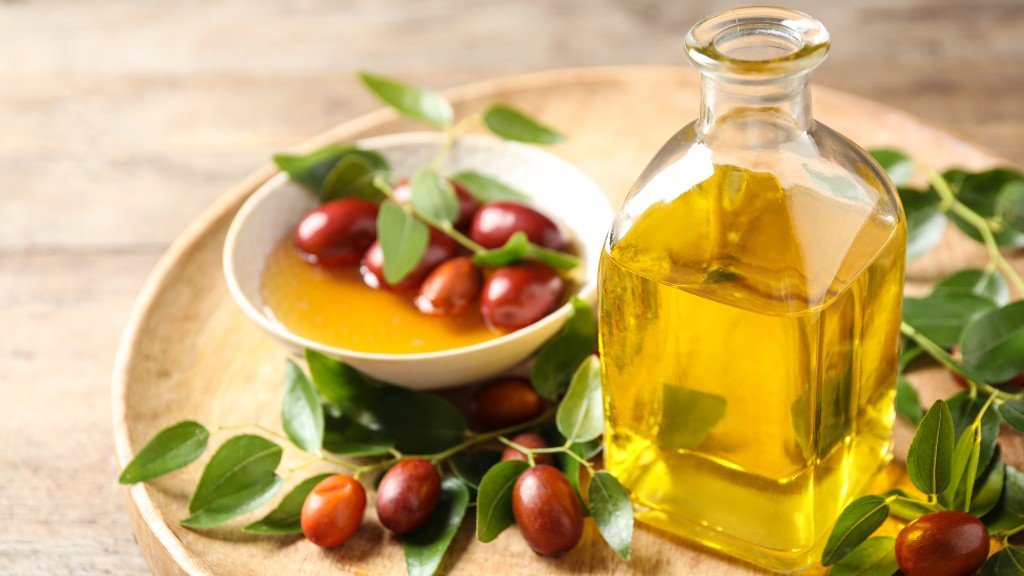
Jojoba oil is a liquid wax extracted from jojoba plant seeds, used for skin care, hair care, and product formulation. Unlike traditional carrier oils, jojoba's chemical structure closely resembles human sebum, making it effective for moisturizing without clogging pores.
Common uses include:
- Facial moisturizer for all skin types
- Makeup remover and cleansing oil
- Hair conditioner and scalp treatment
- Acne and anti-inflammatory skin care
- Carrier oil for essential oils
- Ingredient in natural beauty products
- Cuticle and nail strengthening
- Massage and body oil
Because jojoba mimics skin's natural oils, it balances both dry and oily skin, conditions hair without greasiness, and serves as a stable base for DIY skincare formulations. Whether you're using it for personal care or creating products to sell, understanding jojoba's many applications helps you get the most from this multi-purpose oil.
What Is Jojoba Oil? Understanding the Science
Jojoba oil comes from the seeds of the jojoba shrub (Simmondsia chinensis), native to the southwestern United States and northern Mexico. Despite being called an "oil," jojoba is technically a liquid wax ester, and this distinction matters.
Human skin produces sebum, a waxy substance that keeps skin moisturized and protected. Jojoba's molecular structure is nearly identical to sebum, which is why your skin recognizes and absorbs it so readily. This sebum-similarity is what makes jojoba work well across different skin types.
The composition includes:
- Wax esters (97%): The main component that mimics human sebum
- Vitamin E: A natural antioxidant that supports skin health
- B-complex vitamins: Support overall skin function
- Fatty acids: Including gadoleic acid and erucic acid
Because jojoba is a wax rather than a true oil, it doesn't go rancid as quickly as plant oils. This stability makes it a practical choice for both personal use and product formulation.
What Is Jojoba Oil Best For?
Jojoba oil works well in three main areas: facial skincare, hair and scalp care, and as a formulation ingredient.
Best uses for skin:
- Moisturizing all skin types without clogging pores (non-comedogenic)
- Balancing oily and combination skin by mimicking natural sebum
- Removing makeup gently, including waterproof products
- Soothing inflammation from acne, sunburn, or irritation
- Supporting skin barrier repair
Best uses for hair:
- Deep conditioning dry or damaged hair
- Moisturizing a flaky or dry scalp
- Adding shine and controlling frizz
- Treating dandruff by hydrating the scalp
Best uses for formulation:
- Stable carrier oil for essential oils
- Base ingredient for serums, lotions, and balms
- Multi-purpose ingredient that extends product shelf life
The answer to "what's best" depends on your needs, but jojoba's sebum-similarity makes it particularly effective for facial care and scalp treatments where balance matters most.
Can I Apply Jojoba Oil on My Face?
Yes, you can apply jojoba oil directly to your face. Facial application is one of jojoba oil's most popular uses because its structure closely matches your skin's natural sebum.
How to apply jojoba oil to your face:
For daily moisturizing:
- Start with clean, slightly damp skin
- Use 2-3 drops (a little goes far)
- Warm between palms and press gently into skin
- Apply morning and/or evening as needed
For makeup removal:
- Apply generous amount to dry face
- Massage in circular motions to dissolve makeup
- Remove with warm, damp washcloth
- Follow with regular cleanser if desired
For acne-prone skin:
- Start with just 1-2 drops
- Apply to specific dry areas, not entire face
- Patch test first, as individual reactions vary
- Monitor for any increase in breakouts
Important considerations:
While jojoba has a low comedogenic rating (2 out of 5), everyone's skin is different. Some people with very acne-prone skin may still experience breakouts. Always patch test on a small area first if you have sensitive skin. Use less than you think you need; you can always add more.
Most people can safely use jojoba oil on their face daily, but start slowly and watch how your skin responds.
Jojoba Oil for Skin Care
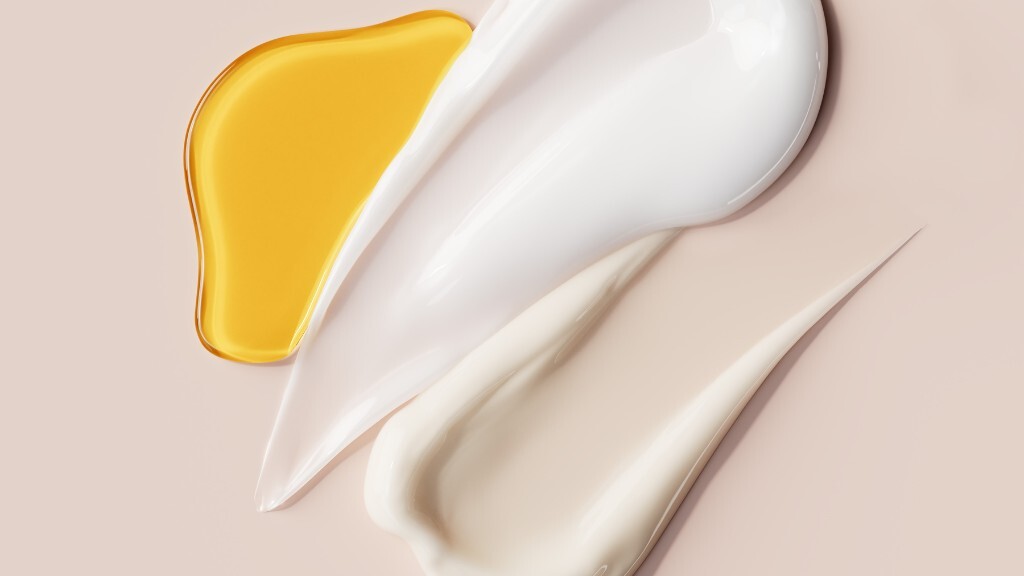
Facial Moisturizer for All Skin Types
Jojoba oil works as an effective moisturizer for all skin types because its composition mimics human sebum. Your skin recognizes jojoba as similar to its own natural oils, allowing it to absorb without clogging pores.
Why it works:
- Liquid wax structure matches skin's sebum (not a true oil)
- Non-comedogenic rating of 2/5 (low clog potential)
- Signals oily skin to produce less sebum
- Provides moisture to dry skin without heaviness
- Suitable for sensitive, mature, combination, and normal skin
How to use as moisturizer:
- Apply 2-3 drops to damp skin (morning and/or night)
- Can mix into your existing moisturizer
- Pat or press into skin rather than rubbing aggressively
- Start with small amounts and add more as needed
Acne Treatment and Antibacterial Properties
Jojoba oil's antibacterial and anti-inflammatory properties may help fight acne-causing bacteria while balancing skin's oil production. If you have oily or acne-prone skin, you can use it without fear of adding more grease to your face.
How jojoba may help with acne:
- Contains antimicrobial compounds that may inhibit acne-causing bacteria
- Reduces inflammation and redness from active breakouts
- Balances sebum production (may reduce excess oil that clogs pores)
- Won't clog pores like heavier oils
- Delivers moisture without triggering more breakouts
Application for acne-prone skin:
- Start with 1-2 drops on clean skin
- Apply to dry patches or inflamed areas specifically
- Use after cleansing, before other treatments
- Patch test first; discontinue if breakouts increase
Important note: While jojoba can support acne management, it's not a medical treatment. Some people with acne-prone skin may still react. If acne persists or worsens, consult a dermatologist.
Makeup Remover (Dissolves All Makeup Types)
Jojoba oil dissolves makeup effectively, including waterproof mascara and long-wear foundations. The oil-based formula breaks down makeup without harsh rubbing or irritating chemicals.
How to use as makeup remover:
- Apply to dry face (water prevents oil from dissolving makeup)
- Massage gently in circular motions for 30-60 seconds
- Focus on eye area for stubborn mascara
- Remove with warm, damp washcloth
- Follow with regular cleanser to remove residue
This method, often called oil cleansing, leaves skin clean without the tight, stripped feeling that some makeup removers cause.
Sunburn Relief and Soothing Inflammation
Jojoba oil's anti-inflammatory and antioxidant properties may help soothe sunburn, reducing redness and discomfort.
How jojoba may help sunburned skin:
- Anti-inflammatory compounds reduce swelling and redness
- Vitamin E supports skin recovery
- Creates protective barrier while skin heals
- Won't trap heat like some heavier products
Application for sunburn:
- Wait until skin cools completely (use cool water first)
- Apply thin layer of jojoba oil to affected areas
- Reapply 2-3 times daily as needed
- Can mix with aloe vera for extra soothing effect
Safety note: Jojoba soothes sunburn but doesn't prevent sun damage. Always use proper SPF sun protection.
Wound Healing and Scar Reduction
Some research suggests jojoba oil may support minor wound healing when applied to cuts, scrapes, and healing surgical wounds.
How jojoba may support wound healing:
- Research shows jojoba liquid wax may accelerate wound closure in skin cell studies
- Creates protective barrier over healing wounds
- Antimicrobial properties may help protect against infection
- May support collagen synthesis during healing process
- Anti-inflammatory properties reduce swelling
Application for minor wounds:
- Clean wound thoroughly first
- Apply thin layer once or twice daily
- Can be used on healing surgical incisions (after initial healing phase)
- Continue use to help fade scars and stretch marks over time
Important: Jojoba can support minor wound care but isn't a substitute for proper medical treatment. Seek professional care for serious wounds, signs of infection, or wounds that won't heal.
Anti-Aging: Reducing Fine Lines and Wrinkles
Jojoba oil's antioxidant properties may help combat signs of aging, including fine lines, wrinkles, and loss of elasticity.
Potential anti-aging benefits:
- Vitamin E protects against environmental damage
- Research suggests jojoba may support collagen synthesis
- Helps maintain skin elasticity and firmness
- Moisturizes deeply, which minimizes appearance of fine lines
- May help fade scars and stretch marks over time
Application for anti-aging:
- Use 3-4 drops nightly on clean face and neck
- Pay extra attention to areas with fine lines
- Can layer under your regular anti-aging products
- Be consistent; results develop over weeks or months
Realistic expectations: Some people use jojoba oil as part of their anti-aging routine. While research shows promising results, it's not a miracle cure. Results vary by individual.
Eczema and Psoriasis Support
Jojoba oil may help soothe and reduce inflammation associated with eczema and psoriasis, though it's not a medical treatment for these conditions. When looking for carrier oils that may help with sensitive skin conditions, many people choose jojoba for its gentle, non-irritating properties.
How jojoba may help:
- Anti-inflammatory properties calm irritated skin
- Moisturizes without aggravating sensitive conditions
- Supports skin barrier function
- May reduce itching and flaking
Application:
- Patch test on small area first
- Apply to affected areas 1-2 times daily
- Can mix with prescribed treatments (ask your doctor)
Important: If you have eczema or psoriasis, consult your dermatologist before trying jojoba oil. It may help symptoms but isn't a replacement for medical treatment.
Jojoba Oil for Hair and Scalp Care
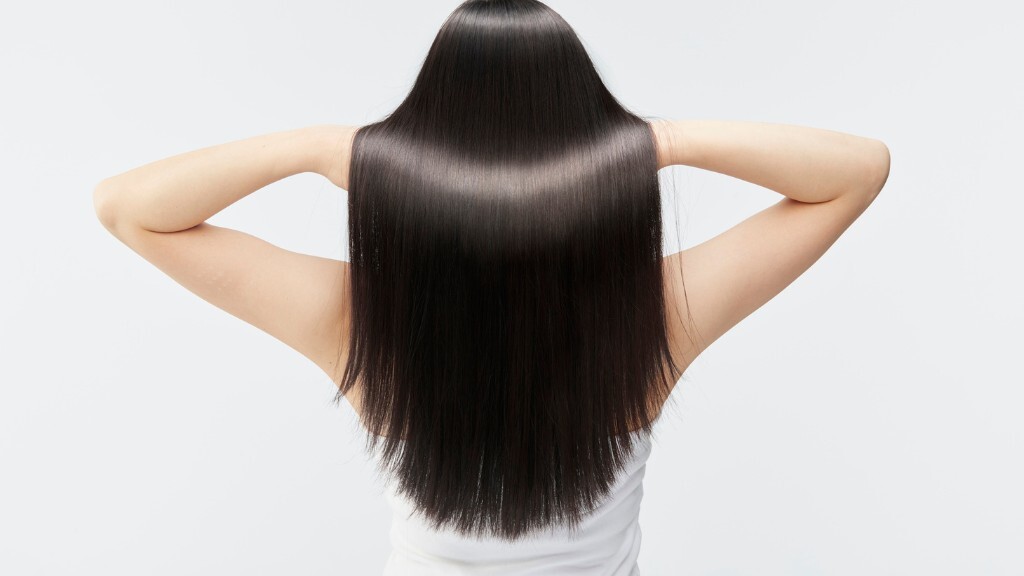
Deep Conditioning Treatment
Jojoba oil nourishes hair strands, making it an effective deep conditioning treatment for dry, damaged, or brittle hair.
How jojoba conditions hair:
- Coats hair shaft and seals in moisture
- Strengthens hair, reducing breakage
- Repairs appearance of split ends
- Adds softness and manageability
Deep conditioning method:
- Apply to dry hair from roots to ends
- Cover with shower cap or warm towel
- Leave for 30 minutes to 2 hours (or overnight)
- Shampoo out thoroughly (may need two washes)
- Repeat weekly or as needed
Scalp Health: Moisturizing and Lifting Dry Flakes
Jojoba oil moisturizes the scalp, helps lift dry flakes caused by dandruff, and soothes irritation.
Scalp benefits:
- Hydrates dry, flaky scalp without heavy buildup
- Helps loosen and remove dandruff flakes
- Soothes itchy or irritated scalp
- May reduce inflammation from scalp conditions
Scalp treatment method:
- Massage small amount into scalp with fingertips
- Leave for 30 minutes or overnight
- Shampoo out thoroughly
- Use 1-2 times per week
Shine, Frizz Control, and Anti-Frizz Serum
Jojoba oil tames flyaways, adds shine to hair, and acts as a natural anti-frizz serum without weighing hair down.
Benefits for shine and frizz:
- Smooths hair cuticle for reflective shine
- Controls flyaways and frizz in humid weather
- Doesn't leave greasy residue when used correctly
- Works on all hair types
Application for shine:
- Use 1-2 drops on damp or dry hair
- Focus on mid-lengths and ends (avoid roots)
- Smooth over hair surface with palms
- Start small; you can add more if needed
Dandruff Treatment (Fighting Scalp Fungus)
Jojoba oil may help combat the yeast-like fungus that causes dandruff by hydrating the scalp and providing antimicrobial properties.
How jojoba may fight dandruff:
- Moisturizes dry scalp that causes flaking
- Antimicrobial properties may inhibit dandruff-causing fungus
- Helps lift and remove existing flakes
- Soothes itchy, irritated scalp
Treatment method:
- Massage into scalp before bed
- Leave overnight
- Wash thoroughly in morning
- Repeat 2-3 times per week until improvement
Note: Jojoba may help with mild dandruff, but persistent dandruff may require medicated treatment. Consult a dermatologist for severe cases.
Other Uses for Jojoba Oil
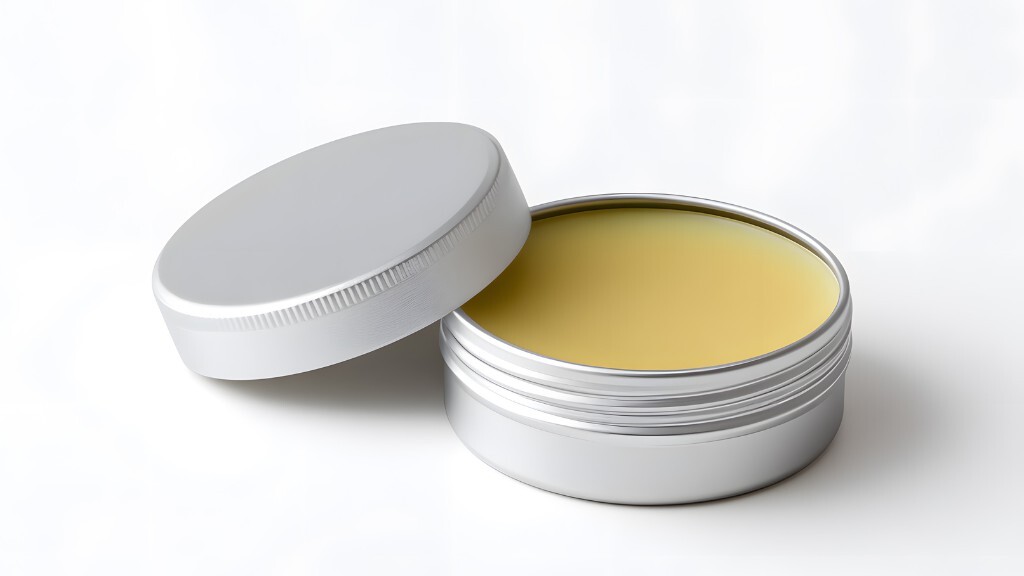
Lip Balm for Dry, Chapped Lips
Jojoba oil treats dry, chapped lips by creating a protective, moisturizing barrier without clogging pores around the mouth.
Application:
- Dab small amount on lips as needed
- Can apply before bed for overnight treatment
- Mix with sugar for gentle lip scrub
- Add to DIY lip balm recipes
Carrier Oil for Essential Oils
Jojoba oil is a good carrier oil to dilute essential oils for massage, skincare, or aromatherapy applications.
Why jojoba works as carrier oil:
- Stable base that doesn't go rancid quickly
- Absorbs well without greasy residue
- Neutral scent doesn't compete with essential oils
- May support penetration of active ingredients
Dilution ratios:
- For facial use: 1-2% essential oil (about 1-2 drops per teaspoon jojoba)
- For body use: 2-3% essential oil
- For massage: 3-5% essential oil
- Always research safe dilution for specific essential oils
Cuticle Softener and Nail Strengthening
Jojoba oil softens cuticles and may help strengthen brittle nails over time.
Application:
- Massage 1 drop into each cuticle nightly
- Gently push back cuticles after softening
- Can add to nail strengthening treatments
Bath Oil for Silky Skin
Adding jojoba oil to bathwater creates a silky feel and moisturizes skin all over.
Bath application:
- Add 1-2 tablespoons to warm running bath water
- Soak for 15-20 minutes
- Pat skin dry (don't rub off the oil layer)
- Be careful; tub may be slippery afterward
Which Is Better: Castor Oil or Jojoba Oil?
Castor oil and jojoba oil serve different purposes, so "better" depends on what you're trying to achieve.
Choose jojoba oil for:
- Daily facial moisturizing (lighter, non-greasy)
- All skin types, including oily or acne-prone
- Hair shine and light conditioning
- Fast-absorbing body moisture
- Carrier oil for essential oils (more flexible)
- Products you'll use on your face regularly
Choose castor oil for:
- Intensive hair growth treatments
- Thick, deeply conditioning hair masks
- Eyebrow and eyelash growth support
- Very dry patches of skin
- Targeted treatment (not all-over use)
For most people: Jojoba oil is more flexible for everyday skincare and haircare. Castor oil is better for specific intensive treatments like promoting hair growth or treating extremely dry areas.
Can you use both? Yes. Many people use jojoba for daily face care and castor oil specifically for hair or lash growth treatments. You can even blend them (50/50 jojoba to castor) for a less heavy hair treatment.
Does Jojoba Oil Make Perfume Last Longer?
Yes, applying jojoba oil to your skin before perfume can help fragrance last longer and develop more fully.
How jojoba extends perfume wear:
- Moisturized skin holds fragrance better than dry skin
- Oils create a base layer that slows fragrance evaporation
- Skin absorbs perfume more evenly over moisturized surface
- May help fragrance develop its full scent profile (top, middle, base notes)
How to use jojoba to extend perfume:
- Apply thin layer of jojoba to pulse points (wrists, neck, behind ears)
- Let jojoba absorb for 1-2 minutes
- Spray or dab perfume on the same spots
- The oil layer holds fragrance molecules longer
Why this works:
Dry skin absorbs fragrance quickly, causing it to fade faster. Moisturized skin creates a barrier that slows absorption. Jojoba doesn't have a strong scent that competes with your perfume.
Business application: If you sell fragrance oils or perfumes, you can suggest jojoba oil as a complementary product to help customers' fragrances perform better. This creates an upsell opportunity: "Apply our jojoba oil first to make your fragrance last all day."
Alternative method: Some people mix a small amount of fragrance oil directly into jojoba (1-2% concentration) to create their own perfume oil. This creates a longer-lasting, skin-friendly perfume alternative.
Advanced Uses: Formulation and Business Applications
For small business owners and product formulators, jojoba oil offers several advantages as a base ingredient.
Why formulators choose jojoba:
- Stability: Long shelf life compared to other carrier oils (doesn't go rancid quickly)
- Compatibility: Blends well with most ingredients
- Skin feel: Absorbs without greasy residue
- Non-comedogenic: Safe for facial products
Common formulation uses:
- Serums and facial oils
- Body lotions and creams
- Hair serums and treatments
- Lip products
- Massage oils
- Beard oils
- Baby skincare products
Wholesale considerations:
When buying jojoba for product formulation, consider whether you need refined (clear, lighter scent) or unrefined (golden, more nutrients) depending on your product type and customer expectations.
How to Choose Quality Jojoba Oil
Golden vs. Clear Jojoba:
- Golden (unrefined): Cold-pressed, retains more nutrients, has a mild nutty scent. Better for skincare where you want maximum benefits.
- Clear (refined): Processed to remove color and scent. Better for formulations where you want a neutral base.
What to look for:
- 100% pure jojoba (no fillers or blended oils)
- Cold-pressed or expeller-pressed (preserves nutrients)
- Organic certification if that matters to your customers
- Dark glass packaging (protects from light degradation)
Red flags:
- Very low prices (may indicate diluted product)
- Plastic packaging (can leach into oil over time)
- No country of origin listed
- Ingredients list shows additives
Storage and Shelf Life
Jojoba oil has one of the longest shelf lives of any carrier oil, lasting 2-5 years when stored properly.
Storage tips:
- Keep in cool, dark place (room temperature is fine)
- Use dark glass bottles to protect from light
- Keep lid tightly closed to prevent oxidation
- No need to refrigerate
Signs jojoba has gone bad:
- Rancid or off smell
- Change in color
- Change in texture
Because of its long shelf life, jojoba is a practical choice for both personal use and product formulation where stability matters.
Safety, Side Effects, and Who Should Avoid Jojoba Oil
Jojoba oil is generally considered safe for most people when used topically. However, there are some considerations.
Possible side effects:
- Allergic reactions (rare but possible)
- Breakouts in some acne-prone individuals
- Skin irritation in sensitive individuals
Who should be cautious:
- People with nut allergies (jojoba comes from a seed, not a nut, but cross-reactivity is possible)
- Those with very acne-prone skin (patch test first)
- Anyone who has reacted to jojoba before
Safety guidelines:
- Always patch test before first use
- Jojoba is for external use only (do not ingest)
- Discontinue use if irritation occurs
- Consult a dermatologist if you have skin conditions
Pregnancy and nursing: Jojoba oil is generally considered safe for topical use during pregnancy and nursing, but consult your healthcare provider if you have concerns.
Small Business Tips: Selling and Formulating with Jojoba Oil
For business owners looking to stock or create products with jojoba oil, here are practical considerations.
Why jojoba sells well:
- Name recognition (customers know it)
- Multi-use appeal (face, hair, body)
- Works for all skin types (broad customer base)
- Clean ingredient list (single ingredient)
- Long shelf life (less waste)
Product ideas using jojoba:
- Custom facial oil blends
- Hair serum for shine and frizz
- Cuticle oil sets
- Makeup remover oil
- Massage oil (plain or blended with essential oils)
- Beard oil for men's grooming
Packaging and presentation:
- Dark glass dropper bottles look professional
- Clear labeling builds trust
- Include usage instructions to add value
- Consider offering different sizes for different price points
Pricing strategy:
Jojoba is a mid-range carrier oil. Price your products to reflect quality while remaining accessible to your target customers. Offering both personal-use sizes and bulk options can serve different customer needs.
Wholesale buying tips:
- Buy larger quantities for better per-ounce pricing
- Consider both golden and clear varieties depending on your products
- Look for suppliers who provide certificates of analysis
- Build relationships with reliable suppliers for consistent quality
Frequently Asked Questions
What is jojoba oil best for? Jojoba oil works well for facial moisturizing, hair conditioning, scalp care, and as a carrier oil for essential oils. Its sebum-like structure makes it particularly effective for skin care.
Does jojoba oil make perfume last longer? Yes. Applying jojoba oil before perfume creates a moisturized base that holds fragrance molecules longer, helping your scent last throughout the day.
Can I apply jojoba oil on my face? Yes. Jojoba oil is safe for facial use and works well as a moisturizer, makeup remover, or acne treatment for most people. Start with a patch test if you have sensitive skin.
Which is better, castor oil or jojoba oil? It depends on your goal. Jojoba is lighter and better for daily facial use. Castor oil is thicker and better for intensive hair treatments. Many people use both for different purposes.
Is jojoba oil good for all skin types? Yes. Because jojoba mimics human sebum, it works for dry, oily, combination, sensitive, and normal skin types. Oily skin may produce less oil when using jojoba because the skin recognizes it as sebum.
Can I use jojoba oil on my face every day? Most people can use jojoba oil daily without issues. Start with small amounts and see how your skin responds.
Will jojoba oil make my hair greasy? When used correctly (small amounts, focused on ends rather than roots), jojoba adds shine without greasiness. Start with 1-2 drops and add more only if needed.
How long does jojoba oil last? Properly stored jojoba oil lasts 2-5 years, making it one of the most stable carrier oils available.
Can I mix jojoba oil with other carrier oils? Yes. Jojoba blends well with other carrier oils and can be mixed with essential oils for custom formulations.
Is jojoba oil safe during pregnancy? Jojoba oil is generally considered safe for topical use during pregnancy, but consult your healthcare provider if you have concerns.
What's the difference between golden and clear jojoba oil? Golden jojoba is unrefined and retains more nutrients. Clear jojoba is refined to remove color and scent. Golden is often preferred for skincare; clear works better when you need a neutral base.
Can I use jojoba oil on my baby's skin? Jojoba is gentle and often recommended for baby skincare. However, always carry out a patch test first and consult your pediatrician for babies with sensitive skin or skin conditions.
Why did I break out after using jojoba oil? While jojoba has a low comedogenic rating, everyone's skin is different. Some people may experience breakouts. Try using less, applying less frequently, or discontinuing use if breakouts persist.
Can jojoba oil help with eczema or psoriasis? Jojoba may help soothe symptoms due to its anti-inflammatory and moisturizing properties, but it's not a medical treatment. Consult your dermatologist before using jojoba for skin conditions.
Ready to Try Jojoba Oil?
Whether you're using jojoba for your own skincare routine or adding it to your product line, this multi-purpose oil delivers results across skin types and hair textures. Its long shelf life, gentle formula, and proven performance make it a practical choice for personal use and business applications alike.
Shop wholesale carrier oils Africa Imports with bulk pricing for small business owners ready to grow their product offerings.
Health and Safety Disclaimer
The information provided in this article is for educational purposes only and is not intended as medical advice. Africa Imports products are not intended to diagnose, treat, cure, or prevent any disease or health condition. Individual results may vary.
Always perform a patch test before using any new product on your skin or hair. If you have a medical condition, are pregnant or nursing, or are taking medications, consult your healthcare provider before using jojoba oil or any new skincare product. If you experience irritation, discontinue use immediately.