 USD
USD  GBP
GBP  CAD
CAD  AUD
AUD 
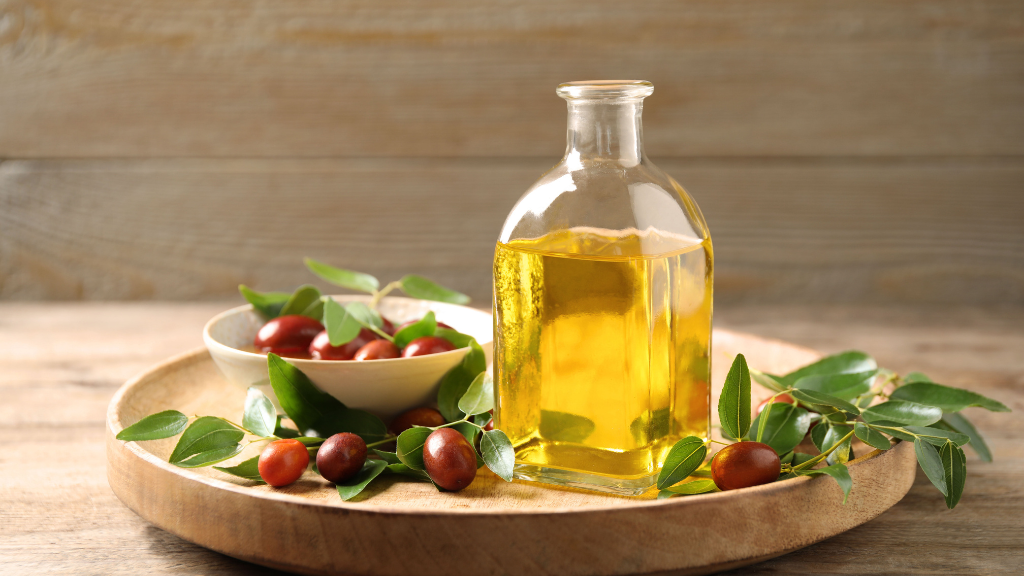
If you have oily or breakout-prone skin, putting oil on your face sounds like the last thing you'd want to do. But jojoba oil keeps coming up in skin care advice for acne. So does it actually work, or will it just make things worse?
Jojoba oil comes from the seeds of the jojoba plant, a shrub that grows in dry desert regions. Despite the name, it isn't really an oil at all. It's a liquid wax ester, and its makeup is very close to sebum, the natural oil your skin already produces. That's part of what makes it so easy on skin. Jojoba is also one of the most popular carrier oils, which means people use it to dilute stronger essential oils like tea tree before putting them on the skin. It's light, it absorbs fast, and it suits almost every skin type.
Here's what the research says, how to use it, and whether it clogs pores.
Does Jojoba Oil Actually Help Acne?
The short answer: it might, for mild breakouts.
Remember that closeness to your skin's own sebum? That's the whole reason jojoba comes up for acne-prone skin, and here's how it's thought to work.
When your skin feels dry or stripped, it can produce extra sebum to make up for it. That extra oil can mix with dead skin cells and clog pores. Because jojoba is so close to your skin's own sebum, applying a little may send the signal that your skin has enough oil already, which may help slow overproduction.
There's some research behind it too. A 2012 pilot study had 194 people with mild acne use a clay mask mixed with jojoba oil two to three times a week. After six weeks, the people who completed the study saw their acne lesions drop by about 54 percent on average. The researchers called this preliminary, and they noted the clay in the mask may have played a part too. So it's promising, not proof. But it points in a hopeful direction for mild, breakout-prone skin.
Is Jojoba Oil Comedogenic? Does It Clog Pores?
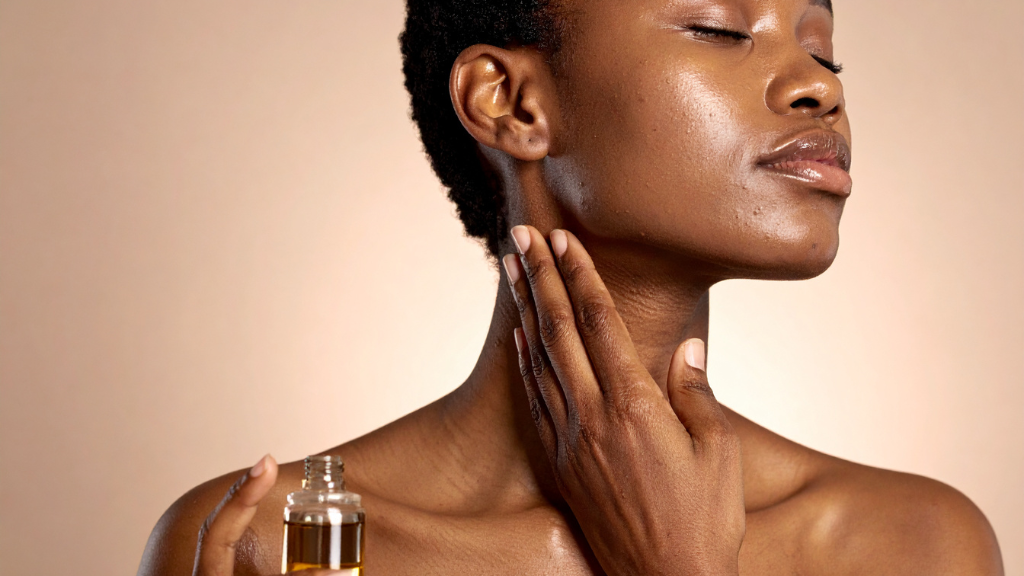
This is the big worry, so let's answer it straight: for most people, jojoba oil does not clog pores.
Skin care uses a comedogenic scale that runs from 0 to 5. Zero means it won't block pores. Five means it very likely will. Jojoba oil sits low on that scale, usually around 0 to 2, depending on its quality and source. For comparison, coconut oil rates much higher, which is why it breaks many people out.
Now the honest part. Because jojoba mimics your sebum so closely, very acne-prone skin can still react to it. And not all jojoba oil is equal. Cheaper blends cut with fillers, or processed jojoba, tend to rate higher on the comedogenic scale than pure jojoba does. So the product you choose matters.
The safeguard is simple. Buy 100 percent pure, cold-pressed jojoba oil with no added ingredients, and always patch test before you put it on your face. That covers the "does jojoba oil clog pores" question for most skin types, while respecting that everyone's skin is different.
What Makes Jojoba Oil Good For Breakout-Prone Skin
Here's why jojoba comes up so often for acne-prone skin:
Balances oil: It may signal your skin to slow down sebum overproduction, which helps keep pores clearer.
Calms inflammation: Research points to anti-inflammatory properties, which may help reduce the redness and swelling around breakouts.
Antibacterial: Lab studies suggest it can slow the growth of some skin bacteria, including the kind linked to acne.
Lightweight: It absorbs quickly and doesn't leave the heavy, greasy feel that thicker oils do.
How To Use Jojoba Oil For Acne

You don't need much. A few drops go a long way. Here are the main ways people use it:
As a light moisturizer: Cleanse your skin, leave it slightly damp, then press 2 to 3 drops over your face. Damp skin helps it spread thin and absorb.
As a booster: Mix a couple of drops into your usual water-based moisturizer for a little extra hydration without the grease.
As a clay mask: Blend it with bentonite clay and apply two to three times a week. This is the method used in the 2012 study.
As a carrier oil: Use it to dilute stronger oils like tea tree before they touch your skin. Strong oils can irritate skin when used straight, so jojoba softens the hit.
One rule for all of these: patch test first, and start with less than you think you need. You can always add more.
What To Watch Out For
Jojoba oil is gentle for most people, but a few honest cautions:
Allergic reactions can happen, though they're uncommon. If you notice irritation, redness, or itching, stop using it.
Know the difference between purging and a breakout. People often worry jojoba "broke them out." But a true purge, where skin clears faster, is generally caused by active ingredients like retinoids or acids, not by a wax like jojoba. If jojoba keeps causing painful, red breakouts, that's a reaction, not a purge. Stop using it.
It's not a fix for moderate to severe acne. If your acne is persistent, painful, or scarring, see a dermatologist. Jojoba is a gentle support, not a treatment for serious acne.
It's for skin only. Never swallow jojoba oil, and keep it away from children.
A Note On Buying Quality Jojoba Oil
Quality changes how jojoba behaves on your skin. When you shop, look for "100 percent pure" and "cold-pressed" on the label. Cold-pressed means the oil was extracted without high heat, which helps keep it close to its natural state. Blends with added fillers are the ones more likely to clog pores, so the label is worth reading.
One handy bonus: jojoba is naturally shelf-stable. It resists going rancid far longer than many other oils, so a bottle lasts a long time without special storage.
Small Business Tip
Jojoba oil is an easy product line to add because it works for almost everyone, oily, dry, and sensitive skin all use it. Buy it by the pound and repackage it into smaller dark glass bottles with clear usage labels and a patch-test reminder. Because jojoba resists going rancid, it has a long shelf life, so you can stock up without worrying about waste. You can also bundle it as a carrier oil next to stronger oils like tea tree, giving customers a ready-to-use starter kit and lifting your average order value. Keep dilution and safety notes on every label so buyers trust your brand.
Common Questions About Jojoba Oil
Can I use jojoba oil on acne?
Yes, most people can. It's widely used on acne-prone skin because it mimics the skin's own sebum and has a low comedogenic rating. Patch test first if your skin is sensitive.
How long does it take for jojoba oil to get rid of acne?
There's no set timeline, and results vary from person to person. In the clay-mask study, people used it two to three times a week and saw improvement over about six weeks. Use it consistently and watch how your skin responds.
What oil is best for acne-prone skin?
Lightweight, low-comedogenic oils tend to suit acne-prone skin best. Jojoba, rosehip, squalane, and argan are common picks. Heavier oils like coconut are more likely to clog pores.
Is castor oil or jojoba oil better for acne?
They do different jobs. Jojoba is light and sebum-like, so it suits oily, breakout-prone skin. Castor oil is thick and is used more for deep conditioning and hair. For acne specifically, most people reach for jojoba.
Does jojoba oil clog pores?
For most people it doesn't. It rates low on the comedogenic scale, around 0 to 2. But very acne-prone skin can still react, and low-quality jojoba is more likely to clog, so buy pure oil and carry out a patch test.
Stock Jojoba Oil Your Customers Will Reach For
Every order you place with Africa Imports helps fund schools, medical care, and skills training in communities across Africa. That's been part of who we are for over 25 years.
Jojoba oil is one of the easiest natural products to sell, because it works for nearly every skin type. Buy it wholesale by the pound, repackage it for your own line, or add it to your shelves as is. With low first-order minimums and fast shipping, it's a simple way to grow your range and put your order to work for a good cause.
Health and Safety Disclaimer
This article is for informational purposes only. Jojoba oil and other products sold by Africa Imports are not intended to diagnose, treat, cure, or prevent any disease or skin condition. Research on jojoba oil for acne is early and limited, and results vary from person to person. Always patch test before use, and see a licensed dermatologist for acne that's persistent, painful, or severe.