 USD
USD  GBP
GBP  CAD
CAD  AUD
AUD 
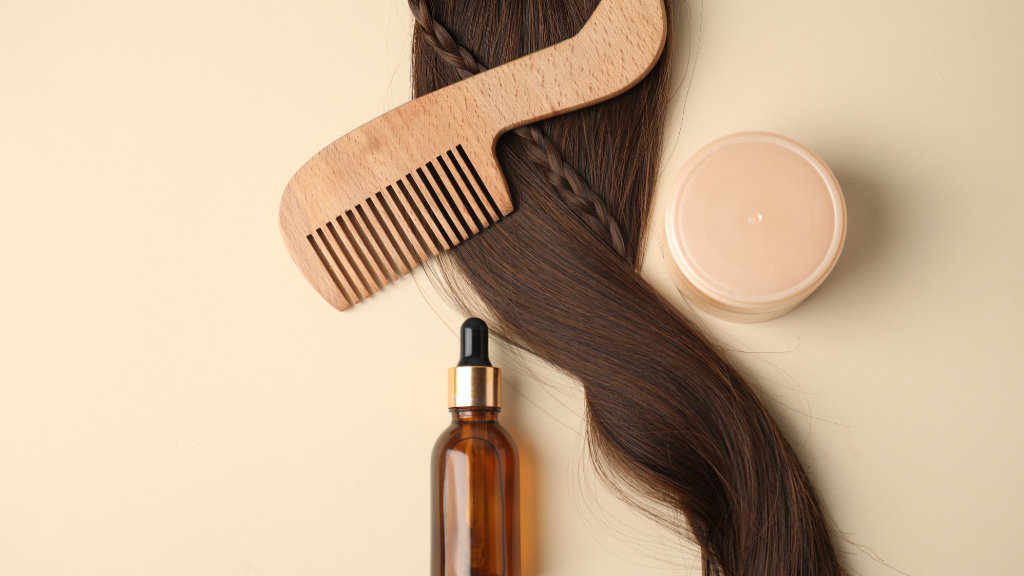
If you sell natural hair products, you've probably had customers ask for karkar oil by name. It's one of those traditional blends that keeps showing up in the natural hair community, often mentioned in the same breath as chebe powder. This guide covers what karkar oil is, what it does for hair, and how to fold it into your product line in a way that makes sense for your business.
What is karkar oil?
Karkar oil is a traditional hair oil blend from Chad and Sudan. Women in this part of Africa have used it for generations, and they're known for growing long, healthy hair even in a hot, dry climate where hair tends to get brittle. That reputation is a big part of why the oil has caught on.
For your business, the appeal is simple. Karkar oil is a recognized name with steady search demand in the natural hair world. Customers come looking for it, which makes it an easy product to stock and talk about with confidence.
What is karkar oil made of?
Karkar oil is a blend, not a single-plant oil. The traditional recipe brings a few natural ingredients together, and each one does a job:
- Sesame seed oil: The base of the blend. It's rich in vitamin E and fatty acids that help moisturize and nourish hair.
- Honey wax: Acts as a natural humectant, which means it helps attract and seal in moisture.
- Tallow or other animal fats: Add richness and body, and bring vitamins and fatty acids to the mix.
- Fragrance elements: Traditionally, a natural source like ambunu, which gives the oil its scent.
One thing to know before you bottle or repackage it: karkar oil is closer to a thick cream than a runny oil. That texture matters for how you handle it, store it, and sell it, which we'll come back to later.
Karkar oil benefits for hair
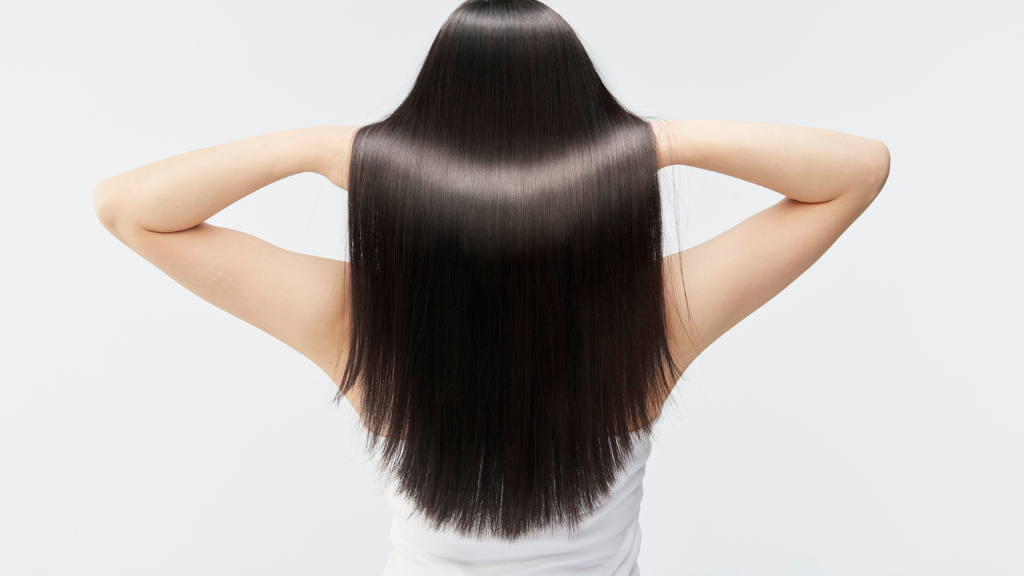
This is the section your customers care about most. Here's what karkar oil is traditionally used for, in plain terms. Keep in mind these reflect traditional use and what many people report, not medical claims.
Locks in moisture
Karkar oil works as an emollient, coating the hair strand and helping to prevent dryness and frizz. The honey wax draws in moisture, while the oils help hold it there. For dry, thirsty hair, that combination is the main draw.
Supports length retention
By helping reduce breakage and split ends, karkar oil may help customers hold onto the length they grow. This is worth being honest about: oils like this support length retention by protecting hair, rather than directly speeding up how fast it grows from the root.
Soothes the scalp
Karkar oil is traditionally massaged into the scalp to calm flaking and itchiness. Sesame oil, its base, is often described as having soothing properties, which is part of why the oil has a long history of scalp use.
Improves softness and manageability
Many people find karkar oil leaves coily and coarse textures feeling softer and easier to handle. That makes detangling and styling less of a fight, which is a benefit your customers will notice right away.
Who karkar oil works best for
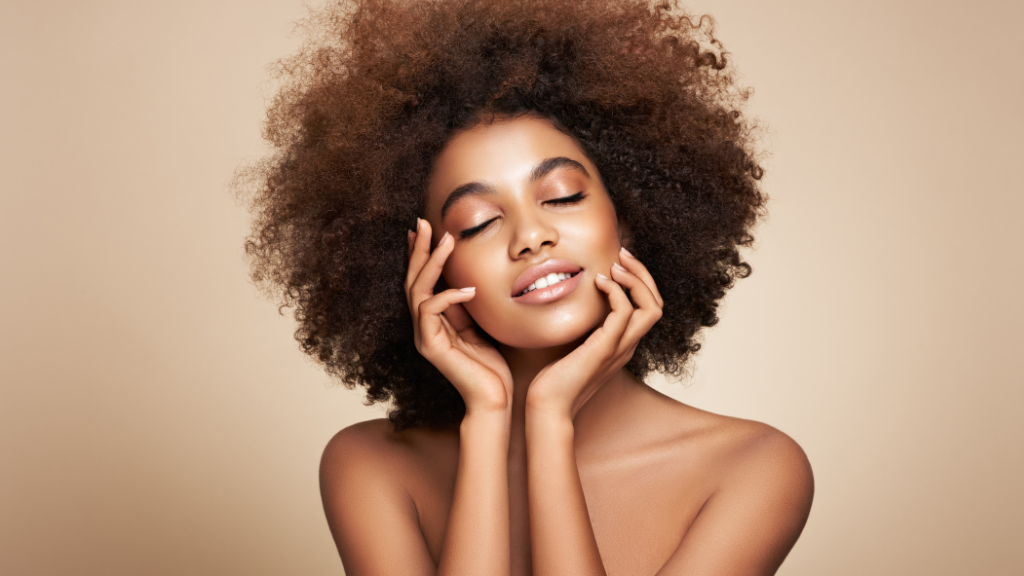
Karkar oil suits type 3 and type 4 hair best, the curly and coily textures that tend to run dry and need richer products. It can benefit other hair types too, but those are the customers who'll get the most out of it.
Knowing this helps you describe the product accurately to your own buyers. If you serve a natural hair community, karkar oil fits right in. You can point customers with curly and coily hair types toward it with confidence, and set honest expectations for everyone else.
How to use karkar oil
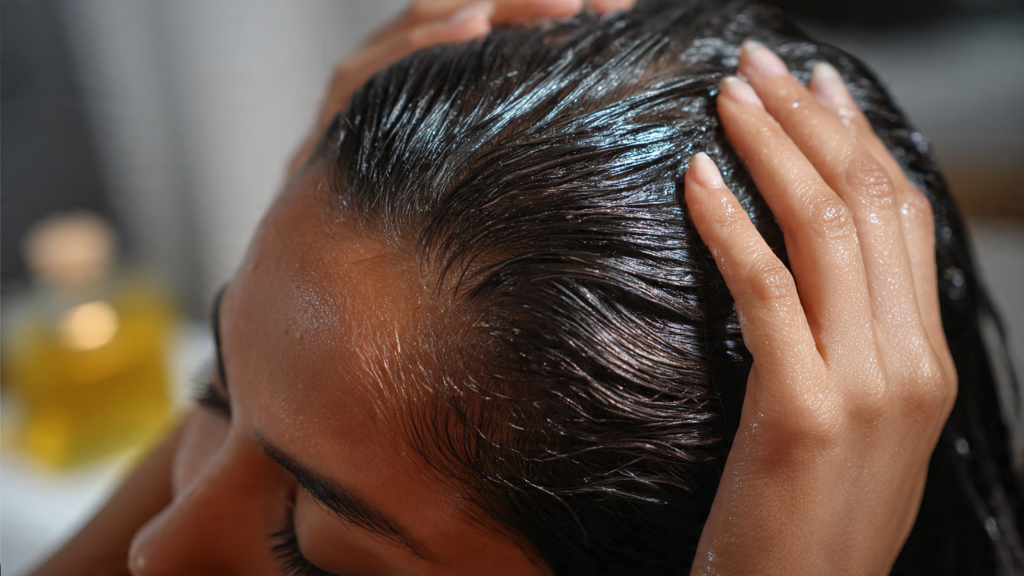
There are a few simple ways to use karkar oil, and it helps to be able to walk your customers through them.
As a hot oil treatment
Warm the oil gently, never bring it to a boil, then massage it into the scalp and through the hair. Leave it on for 30 to 60 minutes under a cap, then rinse. Because karkar oil is thick, many people mix it with a lighter carrier oil like coconut, olive, or argan to make it easier to spread.
With chebe powder
Karkar oil is the traditional mixing partner for chebe powder. The two are used together to coat and protect the hair, usually on damp hair so it spreads more easily. If your customers already buy chebe, karkar oil is a natural add-on. Our guide on how to apply chebe powder covers the pairing in more detail.
As a sealant
A few drops worked through the ends between washes helps lock in moisture and protect the parts of the hair most prone to breakage. It's a small step that stretches the oil a long way.
Karkar oil for your business
Karkar oil isn't just a product to sell as-is. It's a strong building block for a natural hair line, and a few smart moves can raise its value for your business.
Repackaging:
Because karkar oil is thick and cream-like, it pours poorly straight from a standard bottle. Decanting it into squeeze bottles or spout bottles gives your customers cleaner, easier application. You can also sell it pre-paired with chebe powder as a ready-to-use bundle.
Bundling:
Karkar oil sells naturally alongside chebe powder, chebe shampoo and conditioner, and carrier oils. A "length retention" bundle, pairing chebe, karkar oil, and a carrier oil, gives customers a complete routine in one purchase and raises your average order value.
Private label:
Karkar oil is a good candidate for a branded natural hair line aimed at type 3 and type 4 customers. If you go this route, remember to label the animal-fat content clearly so your customers know what they're buying.
Positioning:
Lead with the traditional Chadian and Sudanese heritage and the honest, simple ingredients. That story sells far better than hype, and it's the kind of straight talk natural hair customers trust.
Things to keep in mind
A few practical notes before your customers get started, and things you'll want to pass along to them:
- Patch test first. Always do a patch test before the first full use, and tell your own customers to do the same.
- It isn't vegan. Karkar oil contains animal fats, so label it accurately so vegan customers can make an informed choice.
- Store it cool and dark. Because it's an all-natural blend, karkar oil keeps best away from heat and direct light.
Health and Safety Disclaimer
These products are not intended to diagnose, treat, cure, or prevent any condition. The information here is for educational purposes and reflects traditional use, not medical advice.
Frequently asked questions
What is karkar oil good for?
Karkar oil is traditionally used to moisturize hair, support length retention by reducing breakage, soothe the scalp, and leave textured hair softer and easier to manage. It's especially popular with curly and coily hair types.
What is karkar oil made of?
Karkar oil is a blend of sesame seed oil, honey wax, tallow or other animal fats, and a natural fragrance element like ambunu. The sesame oil is the base, and the other ingredients add moisture-sealing and richness.
How do you apply karkar oil to hair?
The most common method is a hot oil treatment. Warm the oil gently, massage it into your scalp and hair, leave it under a cap for 30 to 60 minutes, then rinse. Since it's thick, you can mix it with a lighter oil for easier application.
Can you put karkar oil directly on your scalp?
Yes. Karkar oil is traditionally massaged right into the scalp, which is part of how it's used to calm flaking and dryness. A patch test first is always a good idea.
Is karkar oil the same as sesame oil?
No. Sesame oil is the main base of karkar oil, but karkar oil is a blend that also includes honey wax, animal fats, and fragrance. They're not interchangeable.
Does karkar oil make your hair grow faster?
Karkar oil supports length retention by helping reduce breakage, rather than speeding up growth from the follicle. In other words, it helps you keep more of the length you grow, which is what most people are really after.