 USD
 GBP
 CAD
 AUD

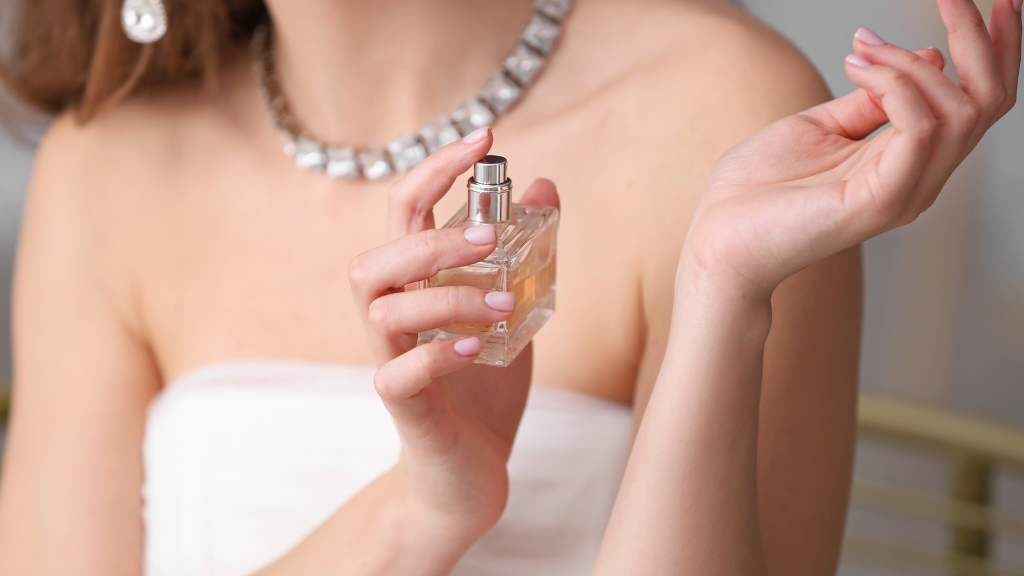
You spray your favorite scent before you head out the door. By lunch, it's gone. If that sounds familiar, you're not alone. Perfume longevity is one of the most common things people ask about. It's also one of the top complaints small business owners hear from customers.
This guide is for both groups. Maybe you want your own scent to last through the workday. Or maybe you sell perfume oils and keep hearing "it doesn't last." Inside, you'll find a chart of how long each type of perfume lasts, why scents fade, and simple ways to make them last longer. You'll also learn how to test wear time and how to explain all of it to your customers.
What Is Perfume Longevity?
Perfume longevity is how long a scent stays noticeable after you put it on. It's usually measured in hours. Some people call it tenacity, which means the same thing.
Longevity is about time, not strength. A scent can smell soft and still last all day. Another can smell loud at first and be gone by noon. That's why it helps to know the other words people use to describe how a scent performs.
Longevity vs. sillage vs. projection
These three words get mixed up a lot, but each one describes something different.
- Longevity: how many hours the scent lasts on your skin or clothes.
- Sillage (say "see-YAHJ"): the scent trail you leave behind when you walk through a room.
- Projection: how far the scent reaches from your body while you stand still.
A scent can sit close to the skin all day with low projection. Another can project hard for two hours, then fade fast. Neither one is wrong. They just suit different settings.
|
Setting |
What to look for |
Why it works |
|
Office |
Good longevity, low projection |
Lasts the workday without filling the room |
|
Special occasion |
Strong sillage and projection |
People notice it when you walk in |
|
Close settings (date night, small spaces) |
Good longevity, soft projection |
Noticeable up close, not overpowering |
For sellers, these words matter. They let you describe each scent profile clearly, so customers know what to expect before they buy.
Perfume Longevity Chart: How Long Each Type Lasts
The biggest factor in how long a perfume lasts is how much scent oil is in it. More oil usually means longer wear. Here's a general guide.
|
Type |
Approximate oil percentage |
Typical wear time |
|
Parfum / extrait |
20-40% |
6-8+ hours |
|
Eau de parfum (EDP) |
15-20% |
4-8 hours |
|
Eau de toilette (EDT) |
5-15% |
3-5 hours |
|
Eau de cologne / eau fraiche |
1-5% |
1-3 hours |
|
Body mist |
1-5% |
1-2 hours |
These are rough ranges. The figures vary from source to source, and your skin, the weather and the formula all change the result.
EDP vs. parfum
Parfum has more oil, so it usually lasts longer and sits closer to the skin. Eau de parfum is a little lighter but can still last most of the day.
Parfum vs. EDT
Parfum often has two or more times the oil of an eau de toilette, so it usually lasts much longer.
Where do perfume oils fit?
Perfume oils use an oil base instead of alcohol. Alcohol evaporates fast, while oil sits on the skin and lets the scent come through more slowly.
That's one reason many shoppers choose perfume oils when they want a scent that stays close and lasts. Browse our wholesale perfume oils to see the full range.
Why Scents Fade: Factors Affecting Perfume Longevity
Fading isn't random. It comes down to the formula, your skin and where you wear it. Once you know the main factors affecting perfume longevity, you can pick better scents and help your customers do the same.
Top, heart and base notes
Every perfume is built in layers called notes. They don't all fade at the same speed.
- Top notes are what you smell first. They're light and fade in about 15 to 30 minutes.
- Heart notes come next and form the main character of the scent. They last about 2 to 4 hours.
- Base notes are the heaviest. They come through last and stay the longest.
Your scent profile is the mix of these notes, and the base notes decide how long it lasts. Heavier scent molecules evaporate more slowly. That's why woody and amber scents usually outlast fresh citrus blends. Musk is a classic long-lasting base, and our Egyptian musk oils are a popular example.
|
Long-lasting notes |
Short-lived notes |
|
Sandalwood |
Lemon |
|
Patchouli |
Bergamot |
|
Vetiver |
Grapefruit |
|
Oud |
Mint |
|
Amber |
|
|
Benzoin |
|
|
Musk |
|
|
Frankincense |
|
|
Myrrh |
This also answers what type of fragrance lasts the longest: scents built on heavy base notes. The same goes for what makes cologne last longer. Look for woods, resins and musk in the base.
Your skin type and body heat
Two people can wear the same scent and get very different results. Here's why.
- Oily or moisturized skin tends to hold scent longer. The oils give the scent something to cling to.
- Dry skin tends to let scent fade faster, because there's less on the surface to hold it.
- Skin pH may change how a scent smells and how long it lasts. This varies from person to person.
- Warm skin pushes scent out more, so it may smell stronger at first but fade sooner.
- Sweat may change how a scent smells, and hot, sweaty days can speed up fading. Research on this is limited, so treat it as a general pattern, not a rule.
You can't change your skin type, but you can work with it. Moisturizing helps most people, which is why the tips below start there.
Heat, humidity and climate
Heat speeds up evaporation. So scent tends to last longer in cool weather, and on fabric, than on bare skin in summer. In hot, humid months, try these:
- Use a lighter hand. One or two dabs is often enough.
- Apply to cooler spots, like the chest or inner forearm.
- Put a little on clothes, like a scarf or collar, after testing for stains.
Customers in Arizona or Florida may need different advice from customers in Minnesota. If you sell online across the country, it's worth mentioning in your product tips.
Nose blindness: why you stop smelling it
Sometimes your perfume hasn't faded at all. You've just stopped noticing it. After steady exposure, your nose and brain turn down the signal for that smell. Scientists call this olfactory adaptation, and they've measured it in studies of the human nose and brain.
Other people can often still smell your scent when you can't. This is also why perfume can seem to disappear soon after it dries.
Quick ways to check:
- Step outside for a few minutes, then come back in and sniff.
- Ask a friend or coworker if they can still smell it.
- Smell a scarf you sprayed earlier, away from your skin.
How to Make Perfume Last Longer
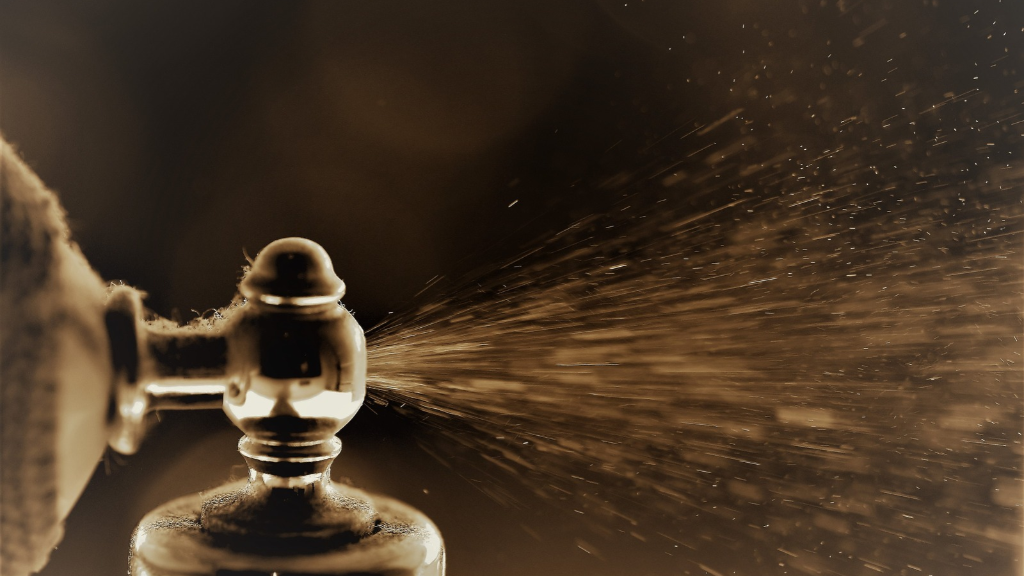
You can't change the weather, but small habits can help any scent last longer. Here's how to make a perfume last longer and how to extend perfume longevity, whatever is in the bottle.
Start with moisturized skin
- Apply an unscented lotion or body oil a few minutes before your scent. Hydrated skin tends to hold scent better than dry skin.
- For extra hold, smooth a thin layer of petroleum jelly on the spots where you'll apply. It can slightly change the smell, so test it first.
- Jojoba oil is another option. It's light, has very little smell of its own, and gives the scent a base to sit on.
- Apply your scent once the lotion or oil has soaked in.
If you have sensitive skin, patch test any new lotion, oil or scent on a small area first. Wait 24 hours, and stop using it if you see redness or irritation.
Best places to apply perfume for longevity
Pulse points are the classic spots, because the skin there is warm:
- Wrists
- Sides of the neck
- Behind the ears
- Inner elbows
- Behind the knees
Warmth helps a scent spread, but it may also make it fade faster. For longer wear, try cooler spots too:
- Center of the chest
- Inner forearm
- Back of the neck, under your hair
A few more tips on how to apply perfume for longevity:
- If you're using a spray, hold it about 5 to 7 inches from your skin.
- Don't rub your wrists together. Let the scent dry on its own. Rubbing adds heat and friction, which can make the opening fade faster.
- For hair, mist from a distance or spray your hairbrush. Alcohol-based sprays can dry hair out, so go light.
Why perfume lasts longer on clothes and coats
Fabric often holds scent longer than skin. It isn't warm like skin, so the scent evaporates more slowly. Wool, thick fabrics and coats can hold a scent for a long time. In one lab study on perfume and fabric, scent compounds could still be measured on cloth 48 hours after the perfume was applied. That's why your winter coat may still smell like your scent days later.
How to do it:
- Lightly mist or dab scarves, collars and coat linings.
- Test a hidden spot first. Oils can stain silk, light-colored fabric and leather.
- Keep it light. A little goes a long way on fabric.
Over time, scent on clothes can smell a bit different from scent on skin. That's normal, since there's no body heat or skin oil changing it.
Layer your scent
Layering means building your scent in steps, so each layer helps the next one hold.
- Start with an unscented lotion, or a body butter or oil in a matching scent.
- Apply your perfume oil on top.
- If you like, finish with a light body mist in the same scent family.
Stick to scents from the same family, like two florals or two woody scents. Mixing scents that clash can leave you with a muddy smell. Choosing from our perfume oils for women by scent family is an easy way to find pairs that work together.
Carry a small bottle for touch-ups
A small roll-on bottle in your bag makes midday touch-ups easy. One light reapplication after lunch works better than putting on too much in the morning. Heavy morning sprays can overwhelm people early and still fade by evening. Roll-on bottles also let you carry perfume oils without spills.
How to Test Perfume Longevity
Testing takes the guesswork out. Here's how to test perfume longevity at home.
- Apply one scent to one spot in the morning, like your inner wrist.
- Write down the time.
- Sniff the spot every 1 to 2 hours, holding it close to your nose.
- Note when you can barely smell it. That's your wear time.
Tips for a fair test:
- Test skin and fabric separately. The results will differ.
- Judge the scent at hour 4 to 6, not in the first 30 minutes. The opening is meant to fade fast.
- Test one scent at a time, so scents don't mix.
- Ask someone else to check for you, because nose blindness can trick you.
Seller tip: keep a simple test log for every scent you stock. Write down the scent, the time you applied it and how it smelled at each check. Our unisex perfume oils are a good range to start with, since you can test them on men and women. Your log becomes the source for the wear tips you share with customers.
Does Perfume Go Bad? Storage and Shelf Life
Perfume doesn't last forever, but good storage helps it last much longer. Four things break scent down: heat, light, temperature swings and air. Here’s how long perfume oils typically last when they’re stored well:
|
Perfume oil condition |
Typical shelf life |
What helps it last |
|
Sealed, never opened |
3-5 years |
Cool, dark storage, kept upright |
|
Opened, in regular use |
2-3 years |
Cap on tight after every use, away from heat and light |
|
Stored in heat, light or a bathroom |
Shorter, often much shorter |
Move it somewhere cool and dark as soon as you can |
These are general ranges. Shelf life depends on the scent, the ingredients and how the bottle is stored. Scents with heavy base notes, like musk and woods, often hold up longer than bright citrus blends.
How to store it:
- Keep bottles somewhere cool, ideally 60-70°F.
- Keep them in the dark, away from sunny windows.
- Store them upright with caps on tight.
- Skip the bathroom. Steam from showers causes constant temperature swings.
Signs a bottle has turned:
- The color has gotten darker.
- The first sniff smells sharp, sour or harsh.
- It fades much faster than it used to.
- The liquid has separated or looks cloudy.
If you sell, perfume lifespan depends a lot on how you store your stock. Keep backstock in a cool stockroom. Date each bottle when it arrives and sell the oldest first. This one habit protects the longevity of perfume you sell and keeps every bottle fresh when it reaches your customer.
Why Your New Bottle Doesn't Seem to Last
Bought the same scent again and it feels weaker? It may not be your imagination. Common reasons:
- Reformulation: some companies change their formulas over time.
- Batch differences: plant ingredients like woods and flowers can vary from crop to crop.
- Nose blindness: if you wear it every day, your nose gets used to it.
- Changes in your skin: weather, new skincare or changes in your body can shift how a scent wears.
- Storage before you bought it: a bottle kept in a hot warehouse or a sunny shop window may have started to break down before it reached you.
Small Business Tip: Help Customers Get All-Day Wear
The most common complaint about any scent is "it doesn't last." The fix starts before the sale. When customers know what to expect, they're happier and more likely to come back.
Add these four lines to every product description:
- Scent profile: the main base notes, for example "sandalwood and musk base."
- Wear time: a plain range, but only if you've tested it yourself.
- Application tip: "Apply to moisturized skin."
- Storage tip: "Store in a cool, dark place."
Print the same tips on a small card for pop-ups and fairs. Customers keep the card, and it answers questions before they come up.
Bundle idea: pair a perfume oil with an unscented lotion and a roll-on bottle for touch-ups. Bundles teach customers how to wear the scent and raise your average order at the same time.
When a customer says a scent faded, use this checklist:
- When did you buy it?
- Where do you keep it?
- How and where do you apply it?
- Is your skin dry or oily?
Most of the time, one of these answers explains the problem, and you can share a tip that fixes it.
If you blend perfume oils into alcohol sprays to sell, let each batch rest before you sell it. Resting gives the scent time to settle, so it smells the same from bottle to bottle.
Not sure which scents last longest on your customers? Start with a starter kit. Our oil sets and starter kits let you test several scents before you place a bulk order.
Perfume Longevity FAQs
How many hours does perfume last?
Most perfume lasts between 1 and 8 or more hours, depending on the type. Parfum lasts longest, often 6 to 8 hours or more. Eau de parfum lasts about 4 to 8 hours, eau de toilette 3 to 5, and body mist 1 to 2. Your skin and the weather also play a part, so use the chart above as a guide.
What makes a perfume have longevity?
Four things make the biggest difference: how much oil is in the formula, the base notes, your skin type and how you store the bottle. Scents with heavy bases like sandalwood, amber and musk last longer. Moisturized skin and cool, dark storage help too.
How do you make your perfume last longer on clothes?
Lightly mist or dab scarves, collars and coat linings. Fabric isn't warm like skin, so scent evaporates more slowly and can last much longer. Always test a hidden spot first, because oils can stain silk, leather and light-colored fabric.
Does sweat affect perfume longevity?
It can. Sweat usually comes with heat, and heat makes scent evaporate faster. Sweat may also change how a scent smells on your skin. Research on sweat itself is limited, so the best approach is practical: apply to clean, moisturized skin and use cooler spots on hot days.
Which lasts longer, eau de parfum or eau de toilette?
Eau de parfum usually lasts longer. It has about 15-20% oil, compared with about 5-15% in eau de toilette. That often means 4 to 8 hours of wear versus 3 to 5. Parfum has even more oil and usually outlasts both.
Why can other people smell my perfume but I can't?
That's nose blindness. After a while, your nose gets used to a smell and your brain stops paying attention to it. Other people haven't adapted, so they still notice it. Step outside for a few minutes or ask a friend before you reapply.
Disclaimer: These statements have not been evaluated by the Food and Drug Administration. Africa Imports products are not intended to diagnose, treat, cure or prevent any disease. This article is for general information only. Always patch test new products on a small area of skin, and stop using them if irritation occurs. If you have sensitive skin or a skin condition, talk to your doctor before use.
Stock Perfume Oils for Your Business
Over half of Africa Imports' profits support schools, medical care and skills training in Africa, so every order you place helps fund that work. For more than 25 years, we've been a wholesale partner to small businesses across the U.S., with low minimums and dropshipping options.
Shop wholesale perfume oils at Africa Imports.