 USD
USD  GBP
GBP  CAD
CAD  AUD
AUD 
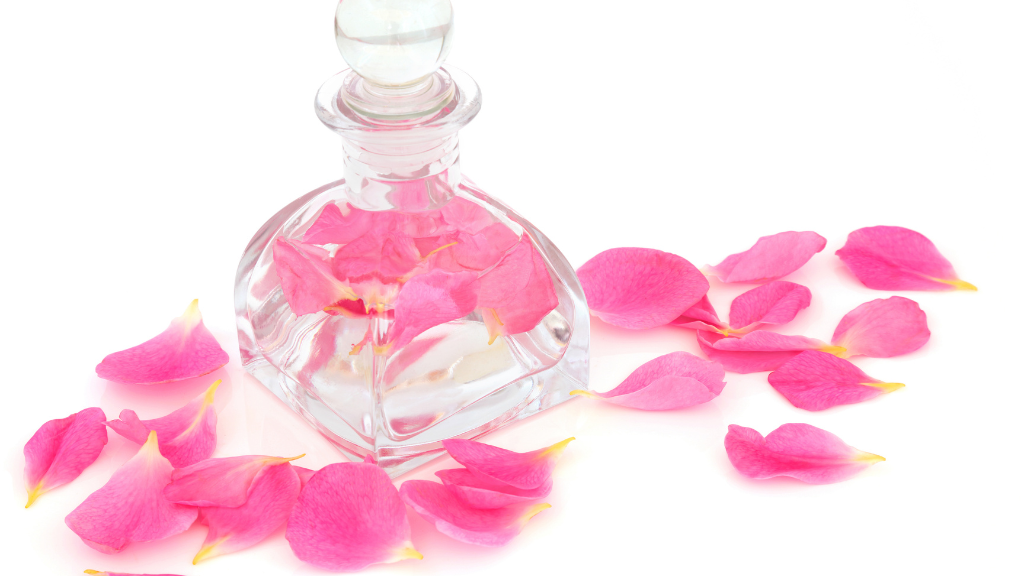
Rose water turns up in almost every corner of the beauty world, from facial toners to curl refreshers to linen sprays. It has been used for hundreds of years, and it is one of the simplest products a small business can add to its shelf.
If you run a spa, sell skincare at pop-ups, or make your own body care line, it pays to know what rose water actually does, how your customers will use it, and how to price it for resale.
Here is the short version of what people use rose water for:
- Calming skin that feels red, warm, or irritated
- Refreshing and balancing oily skin as a toner
- Antioxidant support for skin as it ages
- Soothing an oily or flaky scalp
- Smoothing frizz and reviving curls between wash days
- A soft floral scent for relaxation and aromatherapy
Research on rose water is still limited, so the rest of this guide sticks to what the evidence supports and what people traditionally use it for.
What Is Rose Water?
Rose water is made by steam distilling rose petals in water. The steam carries scent and some of the plant compounds out of the petals, then cools back into a liquid. That liquid is rose water, also called a hydrosol or floral water.
It is not the same thing as rose essential oil. Rose essential oil is far more concentrated and has to be diluted before it touches skin. Rose water is mild and ready to use straight from the bottle.
People have used rose water for centuries across Persian, Middle Eastern, South Asian, and North African cultures. It appears in cooking, in perfume, in daily grooming, and in religious and cultural practice, where it is valued for its scent and its link to cleanliness and welcome. That long history is a big part of why it still sells so well today.
Rose Water Benefits for Skin
Most of the science on rose looks at petal extracts in a lab rather than finished rose water on real skin. That is worth knowing so you can talk about it honestly with your customers. Here is what early research suggests and what people have long used it for.
May soothe and calm irritated skin
Rose water is often reached for after sun exposure or when skin feels red and warm. A 2018 study published in Food Science and Nutrition found that rose petal extract reduced inflammation markers in UV exposed skin cells. That was lab work on an extract rather than a clinical trial on rose water, so it is promising rather than proven. Many people simply find a cool mist calming.
May help balance and refresh oily skin
Rose water acts as a mild astringent, which is why it has become such a common toner. Used after cleansing, it can help skin feel clean and fresh without the tight, stripped feeling stronger toners sometimes leave behind. This is the most popular way people use rose water for the face.
May support skin as it ages
Rose petals contain antioxidant compounds including polyphenols and flavonoids. Research suggests these may help protect skin from oxidative stress, which is one of the things that affects how skin looks over time. Rose water will not remove fine lines, and it should never be sold that way.
May help with the look of blemishes
Lab studies have shown mild antibacterial activity in rose water against some bacteria linked to skin problems. That may be one reason people reach for it when skin breaks out. The evidence is limited and rose water is not an acne treatment. Anyone dealing with ongoing breakouts should speak with a dermatologist.
Rose Water Benefits for Hair
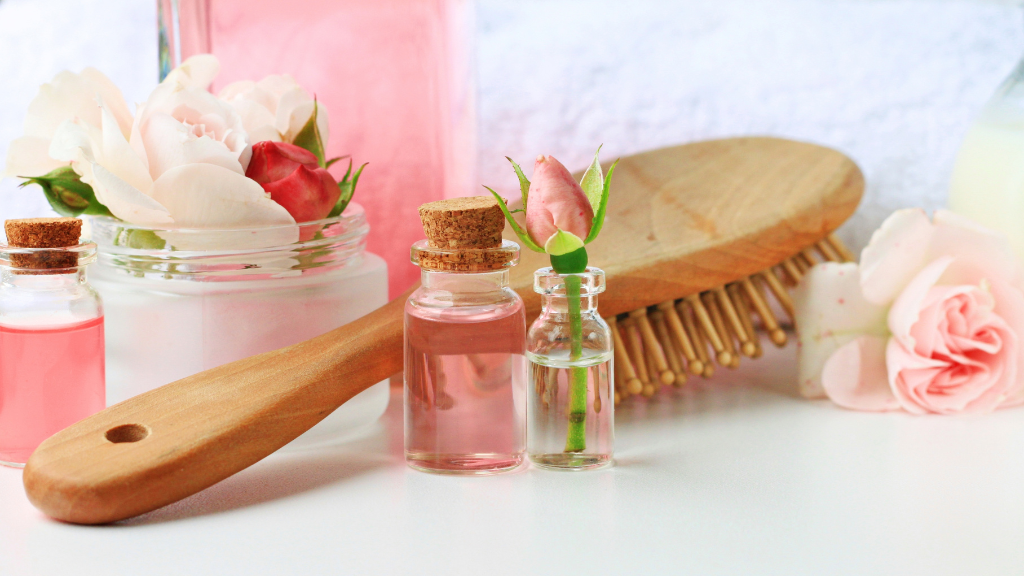
Rose water for hair has grown fast, especially among people with curly and coily textures.
Because it is a mild astringent, some people use it on a scalp that gets oily quickly or flakes. Its anti-inflammatory compounds are also why some find it soothing on an itchy scalp. If you have a diagnosed scalp condition, check with a doctor or dermatologist before adding anything new to your routine.
The bigger draw for most people is the refresh. A light mist between wash days can smooth frizz, wake up curls, and leave a soft scent without weighing hair down. That makes it an easy add-on sale next to curl creams, hair oils, and shampoos.
Rose water works best as one part of a hair routine, not as a fix on its own. Set that expectation with customers and they will come back for the repurchase.
How to Use Rose Water
Rose water is one of the easier products to explain, which is helpful when you are selling it. Here are the main ways people use it.
- As a toner: after cleansing, sweep it on with a cotton pad or press it into skin with clean hands.
- As a face and body mist: spritz through the day for a cooling refresh, or use it over makeup to soften a powdery finish.
- For tired eyes: soak two cotton pads in chilled rose water and rest them on closed eyes for a few minutes. Stop right away if there is any stinging.
- For hair: mist lightly on roots and lengths, then work it in with your fingertips. For a flaky scalp, apply directly with a cotton pad.
- In your own blends: mix it into creams, lotions, butters, or a hair spritz. It also works well as a linen or room spray.
Always patch test a new product on a small area first, and stop using it if any reaction shows up.
How to Store Rose Water and How Long It Lasts
Keep rose water out of direct light and away from heat. Amber or blue glass helps, which is why so many floral waters come in colored bottles. A cupboard or a shelf away from a window works fine. Some people keep theirs in the fridge, which also makes it more cooling on the skin.
Rose water does not last as long as most oils. Check it before use. If the scent turns sour or flat, or the color changes or goes cloudy, it is time to replace it.
Homemade rose water lasts the shortest time of all, usually about a week in the fridge, because it has nothing in it to keep it stable. Bottled floral water lasts much longer, which matters if you are stocking it to sell.
Selling Rose Water in Your Business
Rose water is low cost and gets bought again and again, which is exactly what you want on a shelf. It suits spa owners, estheticians, soap and candle makers, boutique sellers, and anyone building a skin or hair care line.
Our Moisturizing Rose Floral Water for Skin and Hair comes in 2 oz and 8 oz bottles, made with distilled water and rose essential oil. The 2 oz runs $4.95 wholesale with a suggested retail of $9.90. The 8 oz is $11.95 wholesale with a $23.90 retail. That is a margin you can explain to a customer in one sentence.
Ways to sell it:
- On its own as a facial mist or a hair refresher
- Bundled into a wash day set, a skincare starter kit, or a gift box
- As an ingredient in your own toners, hair spritzes, and linen sprays
Private label is where the 8 oz earns its place. Buy the larger size, decant into smaller bottles, and add your own label. It is one of the fastest ways to build a branded line without a big setup cost.
For storage, keep your stock cool and out of direct light, and sell the oldest bottles first so nothing sits too long.
FAQs
Can you use rose water on your face every day?
Many people use it daily as a toner or a mist, and it is generally considered gentle. If your skin is sensitive, start with a few times a week and stop if you notice any irritation.
What should you not mix with rose water?
Rose water is mild and sits well alongside most gentle ingredients. Take more care combining it with strong actives such as high strength acids or vitamin C, since layering several potent products can irritate some skin. Patch test any new blend before you commit to it.
Can you drink rose water every day?
Food grade rose water is used in cooking and drinks in many cultures. Only culinary rose water is made for eating and drinking. Beauty and cosmetic rose water is not, and that includes our Rose Floral Water, which is made for skin and hair only.
Is rose water good for your hair?
Some people find it helps calm the scalp, smooth frizz, and add a light scent. Results depend on your hair type, and it works best as part of a wider routine rather than on its own.
How long does rose water last?
It keeps best stored cool and away from light. A change in smell or color is the clearest sign it is time to replace it. Homemade versions last around a week in the fridge.
Health and Safety Disclaimer
The information in this article is for general education only. Rose water and other products sold by Africa Imports are not intended to diagnose, treat, cure, or prevent any condition, and these statements have not been evaluated by the Food and Drug Administration. Research on rose water is limited, and results vary from person to person. Always patch test new products, and if you have a skin or scalp condition, an allergy, or any other concern, speak with a doctor or dermatologist before use.
Add Rose Water to Your Shelf and Help Fund Real Change
Rose water is one of the easiest products to stock. It is affordable, it fits almost any skin or hair care line, and customers come back for it. Our Rose Floral Water is ready to sell as it is or to decant under your own label, and it sits comfortably next to the rest of our essential oil sprays and extracts.
Every order does more than fill your shelves. Over half of Africa Imports' profits fund schools, medical care, and skills training in African communities, so your business is helping support real people while it grows.