 USD
USD  GBP
GBP  CAD
CAD  AUD
AUD 
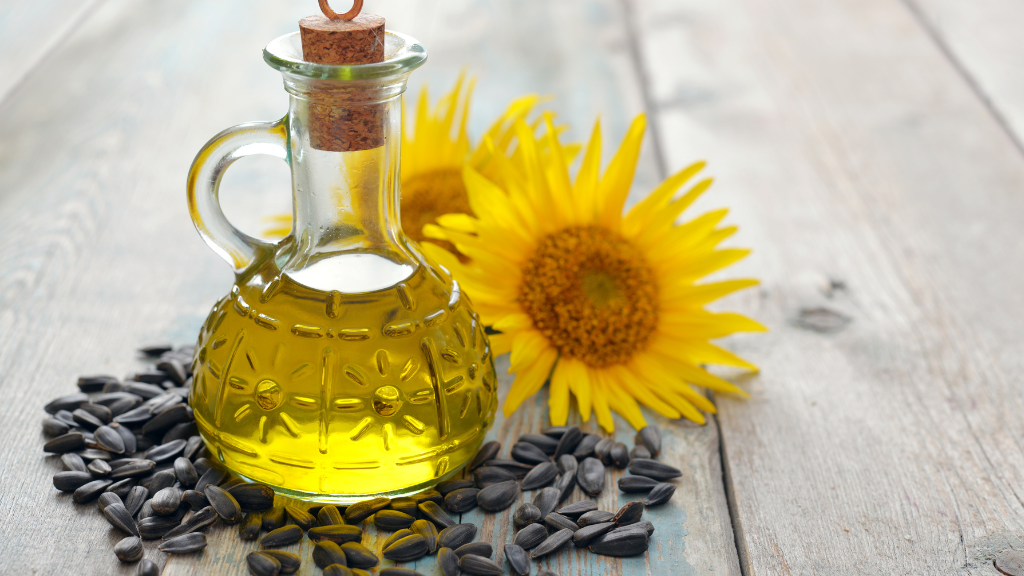
Sunflower oil is a lightweight carrier oil and is generally found next to similar oils like argan, rosehip and jojoba, although it costs a fraction of what they do. When most people think of sunflower oil, they think of it for cooking and not for beauty of skin care.
The short answer is yes, within limits. Sunflower oil is light, it absorbs fast, and it is unlikely to clog pores. It is high in linoleic acid, a fatty acid your skin uses to build its own moisture barrier, and it carries a useful amount of vitamin E.
What it does well is hold moisture in and stay comfortable on skin that reacts badly to richer oils. What it does not do is remove wrinkles. No plant oil does.
This guide covers both sides of that. It is written for people using sunflower oil on their own skin, and for business owners buying it by the gallon to put into soaps, lotions, body oils and scrubs.
What Sunflower Oil Is and What Is In It
Sunflower oil is pressed from the seeds of Helianthus annuus. If you are reading an ingredient list or a supplier spec sheet, that is the name to look for. It will usually appear as Helianthus annuus seed oil, which is the INCI name used on cosmetic labels worldwide.
Four compounds do most of the work:
- Linoleic acid, an omega-6 fatty acid
- Oleic acid, an omega-9 fatty acid
- Vitamin E, mostly as alpha-tocopherol
- Sesamol, an antioxidant compound
Linoleic acid is the one worth understanding. Your skin uses it to build the lipid layer that holds water in. Skin that is short on linoleic acid tends to lose water faster and feel tight or rough.
The oil itself runs from clear to pale yellow. The smell is mild to neutral, which matters a lot if you are scenting a finished product.
High-linoleic versus high-oleic sunflower oil
Sunflower oil comes in different fatty acid profiles depending on the seed variety. High-linoleic sunflower oil is the type usually discussed for barrier support. High-oleic is more stable and shows up more often in food and industrial use.
If the ratio matters to your formulation, ask your supplier which profile you are buying. Most suppliers can tell you.
What Sunflower Oil Does for Skin

Most of the sunflower oil skin benefits people talk about come back to one thing: moisture. Here is what holds up.
It helps skin hold on to moisture
Sunflower oil is an emollient. It sits on the surface and slows the rate at which water escapes from your skin.
This is the best-evidenced thing it does. A 2013 study published in Pediatric Dermatology by Danby and colleagues put 19 adult volunteers through a randomized forearm-controlled trial. Sunflower seed oil preserved the integrity of the outer skin layer and improved hydration. Olive oil, applied the same way to the other forearm, reduced barrier integrity and caused mild redness.
That is a small study, and it was designed to inform infant skin care rather than anti-aging claims. Still, it is the clearest evidence available, and it points the same direction as the fatty acid chemistry.
It is rich in vitamin E
Vitamin E is an antioxidant. Antioxidants work by neutralizing unstable molecules that can damage cells, including molecules produced by sun exposure and pollution.
Research suggests vitamin E for skin may help protect skin cells from that kind of damage. It is not sun protection. Sunflower oil has no SPF value and should never be used in place of sunscreen.
It is unlikely to clog pores
Sunflower oil is considered non-comedogenic and rates low on the comedogenic scale. It absorbs quickly rather than sitting on the surface.
That makes it a good option for people who want an oil that can be used in a facial, but have found coconut oil too heavy. Skin varies from person to person, so patch test before you commit to daily use.
It is gentle on reactive skin
In the Danby study, sunflower seed oil did not cause redness, including in volunteers with a history of atopic dermatitis.
Some people with sensitive or eczema-prone skin find it comfortable to use for that reason. It is not a treatment for eczema or any other skin condition, and it should not replace anything a doctor has prescribed.
Sunflower Oil and Fine Lines: What to Expect
Skin that has lost water looks less plump. Fine lines look deeper on dehydrated skin than they do on well-hydrated skin. So an oil that helps hold moisture in can make fine lines less noticeable.
That is an appearance change. It is temporary, and it depends on continued use.
Here is what sunflower oil for wrinkles does not do. It does not remove wrinkles. It does not rebuild collagen. It does not reverse sun damage. When people search for natural oils for wrinkles, they are often hoping for something no topical plant oil can deliver.
Why say this out loud on a wholesale supplier's blog? Because if you’re formulating a product to sell, the claims printed on your label are your legal exposure, not ours. Softer claims are safer claims. Anyone selling you the best carrier oil for mature skin with a promise of wrinkle reduction is handing you a liability along with the oil.
How to Use Sunflower Oil on Skin
- Wash your face or shower, then pat mostly dry. Leave the skin slightly damp.
- Warm two or three drops between your fingertips.
- Press it into the skin rather than rubbing hard.
- Wait a minute before applying anything on top.
Damp skin gives the oil something to seal in, which is why timing matters more than amount. More oil is not better. It just sits on the surface.
Keep it away from the eye area. Oil in the eyes will blur vision for a while.
Other ways people use sunflower oil for face and body care:
- As a carrier oil for diluted essential oils
- As a makeup remover on a cotton pad
- Stirred a few drops at a time into an existing lotion
- As a massage base
- On dry patches on elbows, knees and heels
Patch test first. Put a small amount on your inner arm and wait 24 hours before using it more widely.
Refined or Unrefined: Which One You Actually Want
Most articles tell you to buy cold-pressed and stop there. That advice is incomplete for anyone making products.
Unrefined and cold-pressed sunflower oil keeps more of its vitamin E and other plant compounds. It also keeps more of its own color and smell, and it has a shorter shelf life because it oxidizes faster.
Refined sunflower oil is lighter in color, close to odorless, and more stable. It lasts longer in storage and it does not fight your fragrance when you scent a batch.
For daily use on your own face, unrefined is often the preference. For products you are making, storing and selling, refined is frequently the more practical choice. A neutral base and a longer shelf life are worth more to a small maker than a marginal difference in vitamin content.
The same trade-off applies across the board, and it is worth reading our guide on refined versus unrefined processing before you place a bulk order.
Who Should Be Careful With Sunflower Oil
- People with a sunflower seed allergy: speak to a doctor before putting it on your skin.
- People with ragweed allergies: some cross-react with sunflower, since both are in the daisy family.
- People with tree nut or seed allergies more broadly: patch test carefully.
- Anyone using oil that smells sharp, waxy or off: that oil has oxidized and should not go on skin or into a product.
If you make products for sale, treat sunflower as a common allergen. It needs to appear clearly on your ingredient list, under the INCI name, every time.
Using Sunflower Oil in Products You Sell
Where it fits
Body oils, lotions and creams, sugar and salt scrubs, massage oils, cold process soap, lip and cuticle balms, and as a base for diluted fragrance or essential oils.
Why formulators reach for it
It is one of the least expensive carrier oils on the market. It is light enough that a finished product does not feel greasy. And the neutral smell means your fragrance comes through the way you designed it, which is not true of castor or unrefined olive.
Blending and dilution
Cut it with a heavier oil or a butter when you want more slip and richness. A common approach is sunflower as the bulk of the base with 10 to 20 percent of something heavier for the body.
For essential oil dilution, 2 to 3 percent is the usual range for adult skin, or roughly 6 to 9 drops per tablespoon of carrier. Our complete carrier oils guide has the full breakdown by application and age group.
Shelf life and storage
Store it cool, dark and tightly closed, away from heat and direct sunlight. Buy the size you will actually get through. Oil that turns before you use it is money gone.
Small Business Tip: Buying and Repackaging Sunflower Oil
Start small. Order a 4 oz or 16 oz bottle first and test how it behaves in your recipe and how your customers respond. Move to a gallon once you know the formula works. Buying a gallon before you have tested is the most common way new makers end up with oil that goes off in the closet.
When you repackage into retail sizes, use clean amber or cobalt glass. Dark glass slows oxidation and buys you shelf life. Fill in a clean space, label immediately, and put a batch number and a fill date on every bottle. If a customer ever raises an issue, that batch number is how you trace it.
Work your margins before you set a price, not after. A gallon is 128 fluid ounces. Divide that into your retail size, then add the cost of bottles, caps, labels and your time. A lot of new sellers price off the oil cost alone and wonder where the profit went. You can source bottles, jars and packaging in the same order as your oil to keep the math simple.
On the label, list Helianthus annuus seed oil. Some retailers and online marketplaces require INCI naming, and it is easier to do it from the start than to reprint.
FAQs
Is sunflower oil good for the skin?
For most people, yes. It holds moisture in, absorbs quickly and rarely irritates, which makes it a good option for skin that finds heavier oils too rich. It is not right for everyone, particularly anyone with a seed or ragweed allergy.
Can I put sunflower oil on my face every day?
Most people can. Use two or three drops on damp skin. Stop if you notice irritation or congestion, and patch test before you start a daily routine.
Can I mix sunflower oil with lotion?
Yes. A drop or two stirred into a moisturizer adds richness without changing the product much. If you are formulating for sale rather than personal use, add it during the oil phase instead. A finished lotion is already emulsified, and stirring oil into it afterward can break the emulsion.
What are the downsides to using sunflower oil?
Allergy risk for anyone sensitive to seeds, nuts or ragweed. It can oxidize and go rancid, especially unrefined versions. Some people find all facial oils too heavy for their skin, and sunflower oil specifically is not recommended as a treatment for skin conditions.
Does sunflower oil clog pores?
It is considered non-comedogenic and rates low on the comedogenic scale, so it is unlikely to clog pores for most people. Skin varies, so patch test before regular use.
How long does sunflower oil last?
Roughly one year for refined sunflower oil kept cool, dark and sealed. Less for unrefined. Trust your nose. A sharp or waxy smell means it has turned.
Is sunflower oil the same as sunflower seed oil?
Yes. They are the same thing. On an ingredient list it will usually appear as Helianthus annuus seed oil, and sunflower seed oil for skin is simply the fuller name for the same product.
Health and Safety Disclaimer
The information in this article is for general education only and is not medical advice. Sunflower oil is not intended to diagnose, treat, cure or prevent any disease, and these statements have not been evaluated by the FDA. Results vary from person to person. Patch test before use, and speak with a healthcare professional before using any new product on your skin, especially if you are pregnant, breastfeeding, have a known allergy, or are managing a skin condition. If you are making products to sell, you are responsible for the claims on your own labels.
Stock Sunflower Oil for Your Product Line
Africa Imports carries sunflower oil in 4 oz, 16 oz and 1 gallon sizes, with low minimum prices for wholesale orders, so you can test a formula before committing to volume. It is refined, which is what most makers want in a base oil they plan to scent and store.
Every order does something beyond your own shelves. Over half of Africa Imports' profits fund schools, medical care and skills training in Africa, supporting around 200 people doing that work in their own communities. Your wholesale order is part of how that keeps running.
Shop wholesale skin care oils and ingredients to get started.