 USD
USD  GBP
GBP  CAD
CAD  AUD
AUD 
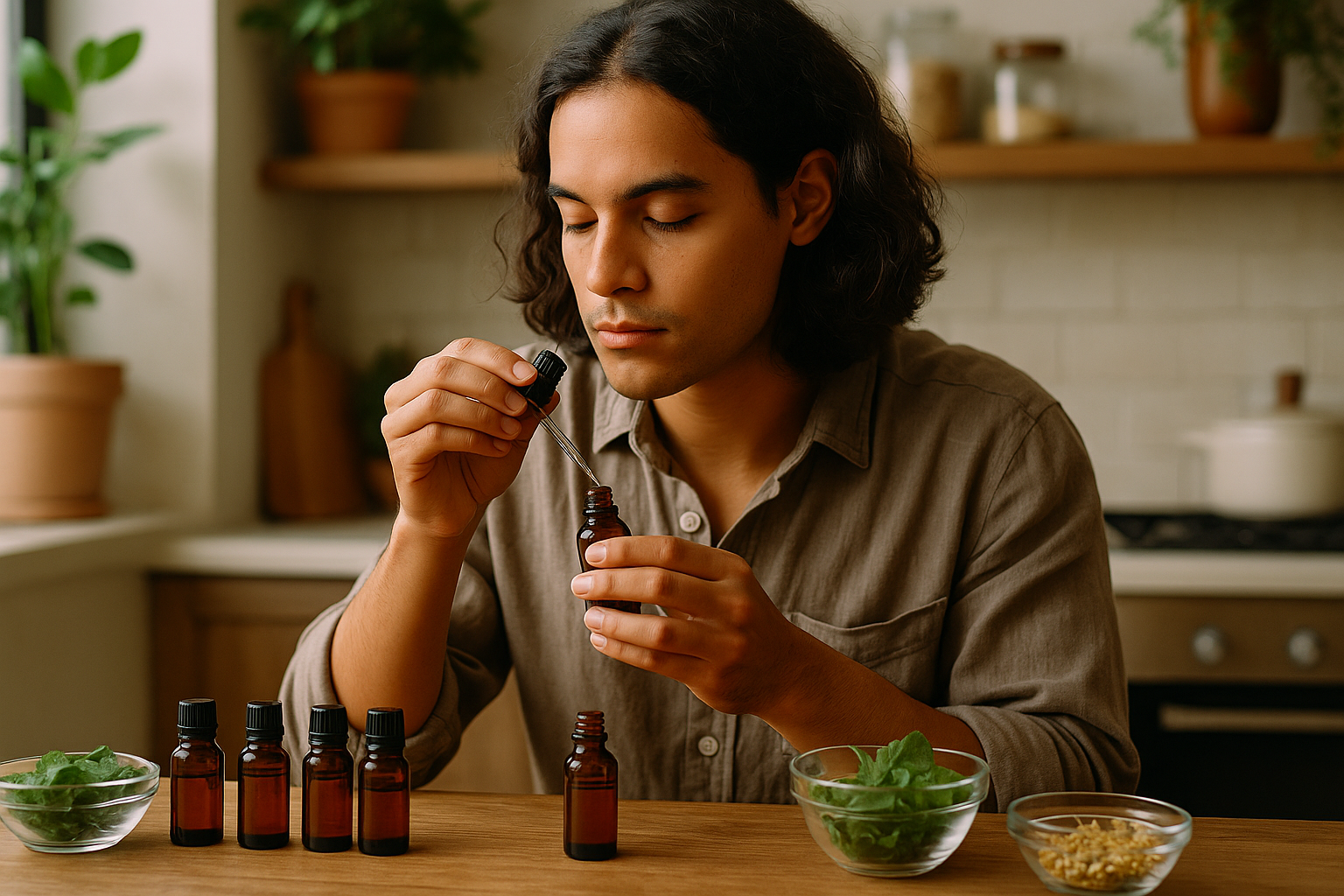
Understanding the science of scent isn't just interesting, it's essential knowledge for anyone creating their own fragrance products. Whether you're mixing fragrance oil blends or creating candles, knowing how scent actually works will help you create better products and explain their benefits to your customers.
What Is the Science of Scent?
The science of scent is simply how our nose and brain work together to detect and understand smells. It's a straightforward process that happens thousands of times a day without us even thinking about it.
Here's how it works: When you smell something, tiny scent particles floating in the air reach your nose. These particles are so small you can't see them, but they're there in everything that has a smell; from fresh bread to your favorite candle and laundry detergent.
Once these particles hit special sensors inside your nose, they send signals straight to your brain. What makes scent special is that these signals go directly to the parts of your brain that handle memories and feelings. That's why a single whiff of something can instantly take you back to a specific moment or make you feel a certain way.
The science of smell is called olfaction, and it's one of our most powerful senses. For small business owners creating scented products, understanding this connection between scent and emotion is key to developing products that people will love and remember.
Why Smell Is So Tied to Memories and Feelings
Have you ever caught a whiff of something and suddenly felt like you were transported back in time? Maybe a floral scent reminded you of your grandmother's perfume, or the smell of vanilla took you back to baking cookies as a child.
This happens because scent bypasses the thinking part of your brain and goes straight to the emotional center. Unlike what we see or hear, smells don't get filtered through our logical brain first. They hit us right in the feelings.
This is exactly why fragrance is so personal and powerful. When you're creating scented products for your customers, you're not just making something that smells nice, you're creating potential memories and emotional connections.
For small business owners, this means that the scents you choose for your products can make customers feel welcome, relaxed, energized, or nostalgic. A customer who has a positive emotional response to your scented candle or oil blend is much more likely to become a repeat buyer and recommend your products to others.
How Fragrance Really Works
Every scent is made up of tiny molecules that float through the air. Think of these as invisible building blocks that create the smells we experience. Different scents have different molecular structures, which is why some smells are light and fresh while others are heavy and rich.
When you're working with fragrance oils or essential oils, you're essentially working with these scent molecules. Some molecules are bigger and heavier, while others are smaller and lighter. This affects how the scent behaves:
- Lighter molecules travel faster and hit your nose first
- Heavier molecules stick around longer and create lasting scents
- The size and shape of molecules determine how strong a scent feels
This is the basic chemistry behind scent and the molecular world of odors. Understanding this helps explain why some of your fragrance blends might smell different after a few hours, or why certain scents seem to disappear quickly while others linger.
When you're mixing oils for your products, keep in mind that you're essentially combining different types of molecules. Some will evaporate quickly (giving you that initial scent burst), while others will stick around to provide the lasting fragrance your customers want.
How Perfumes and Fragrance Oils Are Made
Professional perfume makers and fragrance creators build scents in layers, and you can use this same approach for your small business products. There are typically three main layers:
Top notes: These are what you smell first when you open a bottle or light a candle. These are usually fresh, light scents like citrus or herbs. They grab attention but don't last very long.
Middle notes: These form the main body of your scent. These might be floral, fruity, or spicy scents that develop after the top notes fade. They're the heart of your fragrance and usually last several hours.
Base notes: These are the foundation that everything else sits on. These are typically deeper, richer scents like vanilla, musk, or wood. They're the scents that linger the longest and give your product its lasting power.
The science of making perfume involves balancing these three layers so they work together smoothly. Professional perfumers spend years learning how different ingredients interact, but you can start with simple combinations and build your knowledge over time.
When you're creating products for your customers, explain this layering concept to them. People love understanding why their candle smells different when they first light it versus after it's been burning for an hour.
Why We're Attracted to Some Smells More Than Others
Everyone has different scent preferences, and there's real science behind why some people love vanilla while others prefer fresh, clean scents. Our past experiences shape what we like and dislike.
If someone had a positive experience with a particular scent, like maybe their favorite aunt always wore rose perfume; they're more likely to be drawn to rose-scented products. On the flip side, negative associations like breakups or a bereavement can make people avoid certain smells entirely.
The science behind scent attraction also involves some basic biology. Some scents can make us feel more alert, while others help us relax. Certain smells might even remind us subconsciously of people we care about, making them more appealing.
For your small business, this means:
- Offer variety in your scent selections
- Ask customers about their preferences
- Don't take it personally if someone doesn't like a particular scent
- Consider seasonal preferences (people often want different scents in winter versus summer)
Understanding that scent preferences are deeply personal helps you serve your customers better and create products that appeal to different tastes.
How Scent Influences Our Mood and Space
Scents don't just smell good, they can actually change how we feel and how we experience a space. This is why people use fragrance in candles, diffuser oils, body sprays, bath salts, and even cleaning products.
Different scents can make a room feel:
- Fresh and clean ( citrus or mint)
- Cozy and warm ( vanilla or cinnamon)
- Calming and peaceful ( lavender or chamomile)
- Energizing and uplifting ( peppermint or eucalyptus)
Many small businesses use scent to create a welcoming atmosphere for their customers. A coffee shop might use warm, comforting scents, while a spa might choose calming, relaxing fragrances. This is often called scent branding, and it's something you can help your customers achieve with your products.
When you're talking to customers about your scented products, help them think about the mood they want to create. Are they looking for something to help them unwind after work? Something to make their home feel more welcoming? Or maybe something energizing for their morning routine?
From the Perfumer's Lab to Your Candle or Oil Burner
The chemistry of fragrances from perfumer to consumer involves careful planning and testing. Professional fragrance creators choose ingredients based on how they smell, how long they last, and how well they mix with other scents.
Here's what happens in the creation process:
- Ingredient selection: Perfumers choose oils and other ingredients that will work well together
- Blending: Different scents are mixed in specific proportions
- Testing: The blend is tested to see how it smells over time
- Adjusting: The mixture is tweaked until it's just right
- Production: The final fragrance is used in candles, oils, sprays, and other products
When you're creating your own products, you can follow a similar process on a smaller scale. Start with simple blends, test them thoroughly, and keep notes about what works and what doesn't.
Always prioritize safety when working with fragrance oils. Make sure you're using skin-safe concentrations if you're making products that will touch the skin, and provide clear instructions to your customers about proper use.
Safety Tips for Small Business Owners
When you're creating scented products to sell, safety should always come first. Here are some key points to remember:
- Always use fragrance oils at safe concentrations (typically 6-10% for candles, 1-3% for skin products)
- Provide clear labeling with ingredient lists
- Include usage instructions with your products
- Keep detailed records of your formulations
- Test your products thoroughly before selling
- Be aware of common allergens and label them appropriately
Educate your customers about proper use, especially if they have sensitive skin or allergies. This protects both them and your business.
Ready to start creating your own scented products?
Browse our selection of high-quality fragrance oils and essential oils to begin your journey into the fascinating world of scent. Whether you're making candles, room sprays, or personal care products, we have the ingredients you need to help you create products that your customers will love.
Frequently Asked Questions About the Science of Scent
What is the science of smell called?
It's called olfaction. It's the way our body understands scent through the nose and brain. This process happens instantly when scent molecules reach the sensors in our nose.
Why do some smells bring back strong memories?
Because scent is connected to the part of your brain that handles memory and emotions. Unlike other senses, smell bypasses logical thinking and goes straight to our feelings, which is why scent memories can be so powerful and immediate.
What makes a scent feel strong or long-lasting?
It depends on the size of the scent molecules and the base ingredients. Larger, heavier molecules tend to stick around longer, while smaller ones evaporate quickly. Some oils are specifically designed to provide lasting scent.
Why do I love certain smells but dislike others?
It's personal. Your brain connects certain smells with past experiences, both good and bad. What smells amazing to one person might be unpleasant to another based on their unique history with that scent.
What's the difference between perfume oils and essential oils?
Although similar in their uses, there’s quite a bit of difference between perfume oils, fragrance oils, and essential oils. Perfume oils are created specifically for strong, long-lasting scent and may contain synthetic ingredients. Essential oils are natural extracts from plants and are often used for aromatherapy or therapeutic purposes, though they can also provide beautiful fragrance.
Can scent affect how we feel?
Yes, absolutely. Some smells can help you relax, feel more awake, or even improve your mood. This is why choosing the right scents for your products is so important; you're helping create specific experiences for your customers.