 USD
USD  GBP
GBP  CAD
CAD  AUD
AUD 
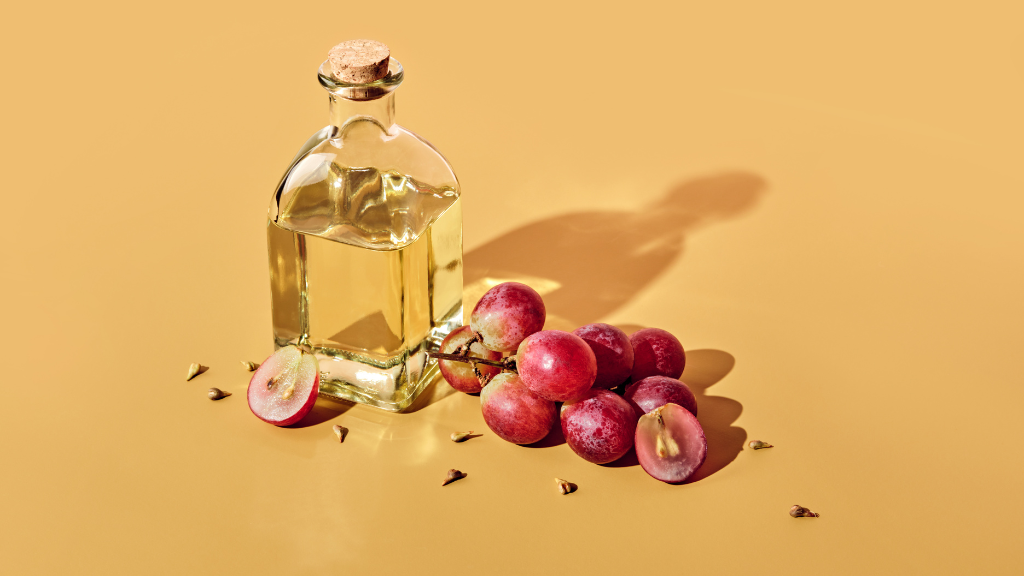
You picked up a bottle of lavender oil. The label says to dilute it with a carrier oil before you put it on your skin. So you go looking for something to dilute it with, and now you are staring at a shelf of oils that all look more or less the same. Sweet almond, grapeseed, jojoba, and argan oil. Which one, and does the choice actually matter?
It does, and this guide explains why. Whether you are mixing a few drops for yourself or buying by the gallon for products you sell, the carrier oil you pick decides how the finished thing feels, how long it lasts, and what it costs you to make.
What Is a Carrier Oil?
A carrier oil is a plant oil pressed from seeds, nuts, kernels, or fruit that is used to dilute essential oils and carry them onto the skin. Carrier oils do not evaporate, and most have little or no scent of their own, so they thin out an essential oil without changing its aroma.
A few things worth knowing about them:
- They come from the fatty parts of plants, pressed rather than distilled.
- They stay on the skin instead of evaporating off it.
- Most are close to odorless, which is why they do not fight with your fragrance.
You will see them called base oils, fixed oils, or vegetable oils, all meaning the same thing
The reason dilution matters is simple. Essential oils are concentrated plant extracts, and applying them straight can cause redness, stinging, or a burn. There is also sensitization, which builds quietly. Someone can use an oil undiluted for months with no trouble, then react to it, and once that reaction sets in it usually sticks around for good. Diluting first is the easiest way to avoid the whole problem.
Carrier oils vs essential oils
How they are made: carrier oils are cold-pressed or expeller-pressed from the fatty part of the plant. Essential oils are steam distilled or cold-pressed from leaves, bark, peel, or flowers.
How they behave: carrier oils are stable and stay put on the skin. Essential oils are volatile and evaporate fast.
How they are used: carrier oils are safe on skin on their own. Essential oils need to be diluted first, almost always.
Is every plant oil a carrier oil?
Not quite. An oil has to pass a few tests to be considered suitable as a carrier:
It needs to be a fixed oil, meaning it does not evaporate.
It should be reasonably stable so it does not go off in weeks.
It should have little-to-no scent of its own.
It needs to be safe on skin undiluted.
Plenty of kitchen oils clear that bar, and a few oils people assume are carriers are not. The FAQs at the bottom cover the specific ones people ask about most.
Why the Carrier Oil Is the Product
Here is the part most guides skip. In a finished body oil, massage oil, or facial serum, the carrier oil is 90 to 99 percent of what is in the bottle. The essential oil is the accent on top.
That means the carrier drives almost everything that matters to you as a maker:
Your cost of goods, more than any other single ingredient How the product feels on skin, which is what customers judge it on. Greasy is the number one complaint about homemade body oils. Your shelf life, which decides how much you can safely buy at once
It is also why the same fragrance blend can feel cheap in one product and good in another. The scent did not change. The base did.
If you make massage oils for a treatment room, pour body oils for a market stall, or blend serums for a boutique shelf, this is the decision that quietly sets your margins and your reorder rate.
Matching a Carrier Oil to What You're Making
|
What you're making |
Oils that work |
What to avoid |
Why |
|
Massage oil |
Sweet almond, sunflower, grapeseed |
Rosehip, argan |
Needs to stay slick long enough for a full session |
|
Body oil for retail |
Grapeseed, sunflower, jojoba |
Castor, avocado on its own |
Has to soak in and not mark clothes |
|
Facial oil or serum |
Jojoba, rosehip, grapeseed, argan |
Coconut, heavy oils |
Light, with lower pore-clogging risk |
|
Hair and scalp oil |
Jojoba, argan, sweet almond, a little castor |
Castor at full strength |
Needs to coat without weighing hair down |
|
Lip balm and pomade |
Castor, avocado, blended with butters |
Thin, fast-absorbing oils alone |
Needs body and grip to hold on the lip |
|
Perfume roller |
Jojoba |
Sunflower, grapeseed, nut oils with scent |
Has to be near-odorless and stay fresh for months |
|
Whipped body butter |
Sweet almond, jojoba, avocado |
Large amounts of castor |
Has to whip smoothly with solid butters |
The logic underneath the table comes down to one thing: fatty acid balance.
Oils high in oleic acid, like avocado, sweet almond, and argan, are richer. They sit on the skin longer, absorb slowly, and hold moisture in.
Oils high in linoleic acid, like grapeseed, sunflower, and rosehip, are lighter and thinner, and they sink in faster.
That single distinction predicts most of how an oil is going to behave in your formula. If a tester comes back too heavy, you usually need to move toward linoleic. Too dry or too quick, move toward oleic.
You will also see comedogenic ratings, scored 0 to 5, where 0 means it is unlikely to clog pores and 5 means it often does.
Grapeseed and argan sit near the bottom, coconut oil sits near the top. Treat these as rough guides. They came from older testing and not every oil has been retested on every skin type, so a patch test on your own face tells you more than the number does.
Every oil named here appears in the Africa Imports carrier oils range, in sizes from 4 oz up to 5 gallons, so you can test a small bottle before you commit to a drum.
Picking an Oil for Your Skin Type
|
Skin type |
Oils to reach for |
Oils to skip |
|
Dry |
Avocado, sweet almond, argan |
Grapeseed on its own |
|
Oily |
Grapeseed, jojoba, hemp seed |
Avocado, coconut |
|
Combination |
Jojoba, sweet almond |
Heavy oils across the T-zone |
|
Sensitive |
Jojoba, sunflower |
Strongly scented oils, nut oils if allergies run in the family |
|
Mature |
Argan, avocado, rosehip |
Very light oils used alone |
|
Blemish-prone |
Jojoba, grapeseed, rosehip |
Coconut oil |
Sensitive skin is worth a little extra care. Jojoba and sunflower are the two most people tolerate, because both are low in scent and low in the compounds that tend to cause trouble. Sunflower in particular is often the first oil recommended for skin that reacts to everything else. Go slow, do a patch test, and add one oil at a time so you know what did what.
If you want a fuller oil-by-oil breakdown, our guide to the best carrier oils for essential oils compares them side by side. This page is about what a carrier oil does and how to work with one.
How to Use Carrier Oils
Getting the dilution right
The National Association for Holistic Aromatherapy (NAHA) publishes dilution guidance that most makers work from:
Facial products: 0.5 to 1 percent Body and massage oils for adults: 2.5 to 3 percent Targeted use on a small area, short term only: 5 to 10 percent Children: 0.5 to 1 percent
The working shortcut is easy to remember. One drop of essential oil per teaspoon of carrier oil is roughly a 1 percent dilution, because there are about 100 drops in a teaspoon.
Here is it worked through. A 4 oz body oil is about 24 teaspoons. At 2 percent, that is 2 drops per teaspoon, so 48 drops of essential oil total. If you are blending three scents, that is your total across all three, not 48 drops each.
Using them on skin and hair
Straight as a moisturizer - Warm a few drops between your palms and press into damp skin. Damp matters, since the oil seals in the water that is already there.
Over a cream - Apply your water-based moisturizer first, then a thin layer of oil on top to hold it in. Useful in winter and on dry skin.
As a pre-wash hair treatment - Work oil through the scalp and lengths an hour before you shampoo, then wash it out. Jojoba and argan are the usual picks here.
Using them in products you make
Carrier oils form the base of massage and body oils, facial serums, hair and scalp oils, lip balms, and whipped body butters blended with shea butter or cocoa butter. They also make up the oil phase when making soap.
Soap follows different rules. Saponification changes the oils chemically, so the oil you choose affects hardness, lather, and cure time rather than how it feels on skin. Use a lye calculator and do not swap oils in a soap recipe by feel.
Always patch test first
- Put a small amount on the inside of your forearm.
- Cover it with a bandage.
- Leave it alone for 24 hours.
- Check for redness, itching, or bumps before using it anywhere else.
If tree nut allergies run in your family, take extra care with sweet almond and argan, and tell your customers what is in the bottle.
Storing Carrier Oils and Spotting One That Has Turned
Oils have three enemies: heat, light, and air. Store them cool, dark, and closed. If you decant into smaller bottles, use amber or dark glass. Delicate oils like rosehip do better in the fridge once opened.
Your nose is the best test you have. A turned oil smells sharp, stale, or a bit like old crayons. Fresh carrier oils smell faintly nutty or of almost nothing at all. A rancid oil may also look cloudy or feel thicker and tackier than it did new.
A splash of vitamin E oil works as an antioxidant and can buy you a little time. It is not a preservative. It does nothing against bacteria or mold in any product that contains water.
Rough shelf life, stored properly and unopened:
Rosehip: 6 months, refrigerate after opening
Grapeseed: 6 to 9 months
Sweet almond, sunflower, avocado: about 1 year
Argan, coconut: around 2 years
Castor oil: 2 years or more
Jojoba: 5 years or more, because it is a wax rather than a true oil
What to Check Before Buying in Bulk
- The botanical name should be on the label.
- Simmondsia chinensis for jojoba, Vitis vinifera for grapeseed. If it is missing, ask.
- Cold-pressed and unrefined where it matters. Refined is sometimes the better call, though.
- RBD coconut oil is refined on purpose so it has no coconut smell to fight your fragrance.
- No fillers. Some cheap oils are cut with mineral oil or a lower-cost base. The price usually tells you.
- Ask for shelf life and a batch date. Many suppliers will not offer this unless you ask.
- Buy a small size first. Test it in your actual formula, not on your hand, then scale.
- Check the supplier stocks the size above the one you are buying, so you are not re-sourcing the day you grow.
That last point is worth a note. Africa Imports carries the same oils from 4 oz through 5 gallons, so you can test small and scale up without changing supplier or reformulating. Minimums are low. And over half of company profits fund schools, medical care, and skills training in Africa.
Small Business Tip: Turning One Gallon Into Sellable Stock
A gallon of carrier oil is 128 fluid ounces, which fills about 32 four-ounce bottles once you account for headspace and a little spillage.
Run your own numbers with this example:
Say a gallon costs you $100. That is $3.13 of oil per 4 oz bottle.
Add a bottle and cap at around $0.75 and a label at $0.20, and your landed cost is about $4.08.
Sell at $14.99 and you have room for a market stall, a wholesale tier, and the odd broken bottle.
For repackaging: work with clean, dry bottles, use a funnel, fill at room temperature, leave headspace at the top, and label the same day you fill. Oil poured warm will expand and push past the cap.
A private label needs the product name, the botanical name, net weight, your business name and contact details, a full ingredient list, a batch or date code, and a note that it is for external use. Keep the batch code simple. Something like 0325-01 for the first batch poured in March 2025 is enough to trace a bottle if a customer ever calls.
Hold your backstock somewhere cool and dark, and keep the stock you are shipping separate so nothing sits in a hot van longer than it has to.
If you are just starting, sunflower and grapeseed give you the best margin to learn on. Jojoba lets you sell at a higher price point once you have customers who trust you.
FAQs
Is castor oil a carrier oil?
Yes, though it behaves differently from most. Castor oil is thick, sticky, and slow to absorb, so it is rarely used on its own. Makers usually blend it in at 5 to 20 percent to add body and shine, which is why it shows up in lip balms, pomades, and hair oils far more than in massage oils.
Is coconut oil a carrier oil?
Yes, and there are three versions to know. Virgin coconut oil smells strongly of coconut and turns solid below about 76°F. RBD coconut oil is refined, so it is neutral in scent and easier to blend with fragrance. Fractionated coconut oil stays liquid and lasts for years. Coconut rates high on the comedogenic scale, so go carefully on facial products.
Is olive oil a carrier oil?
Yes. Olive oil is one of the oldest carriers in use and works well for massage, body oils, and soap. The drawback is scent. It has a fruity, green smell that competes with essential oils, and it is heavy and slow to absorb. For facial serums and perfume rollers, pick something lighter and quieter.
Is jojoba oil a carrier oil?
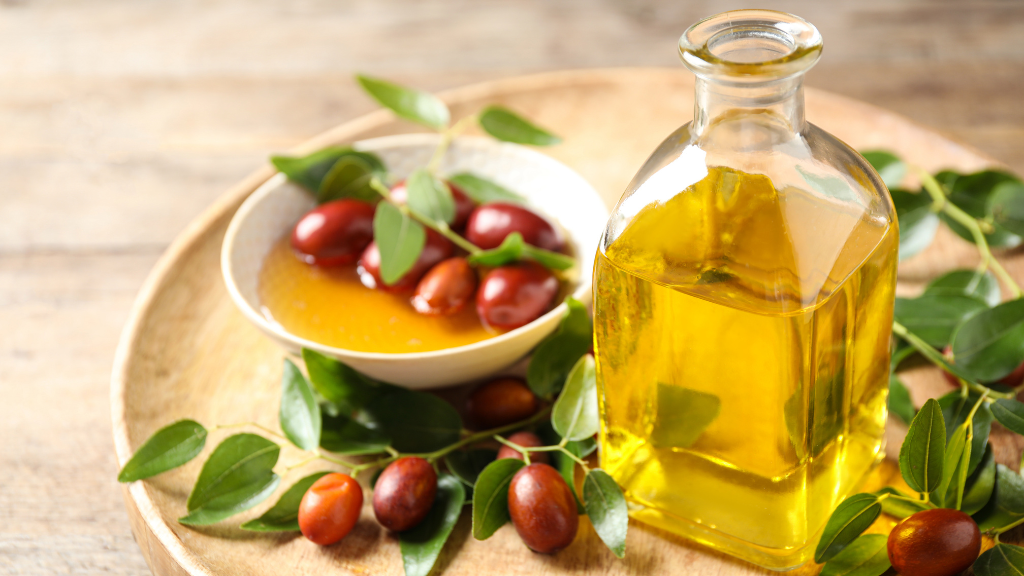
It is used as one, though technically jojoba is a liquid wax ester rather than a true oil. That structure is why it lasts so long, often five years or more, and why it feels lighter on skin than its thickness suggests. It is one of the most stable bases you can buy, which makes it a favorite for perfume rollers.
What are examples of carrier oils?
The ones you will meet most often are sweet almond, grapeseed, jojoba, coconut, sunflower, avocado, argan, rosehip, apricot kernel, olive, and castor. Each behaves differently. Grapeseed and sunflower are light and fast. Avocado and castor are heavy and slow. Jojoba sits somewhere of its own.
What is the most common carrier oil?
Sweet almond oil is the one most widely used, particularly in massage, because it gives good glide at a reasonable price and suits most skin. Fractionated coconut oil runs a close second in retail products because it stays liquid and lasts a long time. Jojoba is the most common pick for facial oils and perfume blends.
Can I put carrier oil on my skin without diluting it?
Yes. Carrier oils are safe to use on skin on their own, and plenty of people use jojoba or sweet almond as a straight moisturizer. That is the whole difference between a carrier oil and an essential oil. Patch test any new oil first, especially if you have nut allergies or reactive skin.
Can I use cooking oil from the grocery store as a carrier oil?
For personal use, olive or sunflower oil from the kitchen will do in a pinch. For anything you sell, buy cosmetic grade. Food oils are refined for cooking, sometimes carry additives, and often have a shorter shelf life and a stronger smell. You also cannot trace a batch, which matters if a customer ever reacts.
How long do carrier oils last?
It depends on the oil. Rosehip and grapeseed go off in six to nine months. Sweet almond, sunflower, and avocado give you around a year. Argan and coconut hold for about two years, castor longer, and jojoba can last five years or more. Heat, light, and air shorten all of these.
Can I mix two carrier oils together?
Yes, and most experienced makers do. Blending lets you balance feel against cost. A common approach is a lighter base like grapeseed or sunflower at 70 to 80 percent, with a richer oil like avocado or argan making up the rest. Match your shelf life to the shortest-lived oil in the blend.
Health and Safety
The information here is for general education. Africa Imports products are not intended to diagnose, treat, cure, or prevent any disease, and these statements have not been evaluated by the Food and Drug Administration (FDA). Patch test any oil before wider use and stop right away if irritation appears. Speak to a doctor before using carrier or essential oils if you are pregnant, nursing, treating a skin condition, or using them on a child.
Start With a Small Size and Scale Up
Order a 4 oz bottle of the oil you are considering and test it in the formula you actually plan to sell, not just on the back of your hand. If it works, the same oil is there in gallon and 5 gallon sizes when your orders grow. Every purchase also helps fund schools, medical care, and skills training in Africa.
Shop carrier oils in wholesale sizes.