 USD
USD  GBP
GBP  CAD
CAD  AUD
AUD 
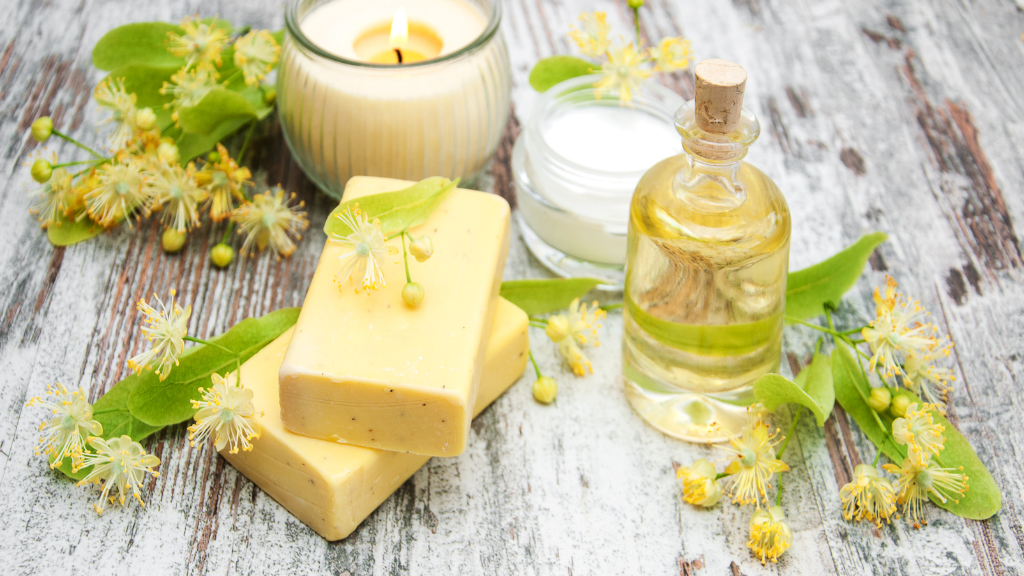
If you make candles, soap, or other health and beauty products for your business, you already know that not all fragrance oils are equal. The wrong oil can ruin a whole batch, disappoint your customers, and cost you more in the long run than if you had paid a little more upfront. This guide breaks down exactly what separates a good fragrance oil from a poor one, so you can buy with confidence and build products your customers come back for.
Why Fragrance Oil Quality Matters for Your Business
The scent in your product is your first impression. Whether a customer picks up a candle at a market or opens a package they ordered online, what they smell in the first few seconds shapes what they think of your brand. Poor-quality fragrance oils can ruin batches, waste your materials, and leave customers disappointed when the scent fades faster than they expected.
For business owners, consistency matters as much as the initial scent. A customer who loves a fragrance oil you sell expects it to smell the same way every time they reorder. That kind of reliability only comes from oils that are well-formulated, properly documented, and sourced from a supplier who takes quality seriously.
The Scent Pyramid: Top, Middle, and Base Notes

Good fragrance oils are built in layers. These layers are called the scent pyramid, and understanding them helps you spot the difference between an oil that will perform well in your products and one that will let you down.
Top notes are the first thing you smell. They tend to be light and fresh, often citrus or fruit-based, and they fade quickly. Middle notes, also called heart notes, are the main character of the scent. Think florals, spices, and herbs. They take a little longer to come through and last longer than the top. Base notes are what linger. Musk, wood, amber, and vanilla are common base notes. They are the foundation of the scent and what gives it staying power.
Cheap fragrance oils often skip the expensive base notes to keep costs down. That is why they can smell great in the bottle but fade fast once you use them. The scent throw is weak because there is nothing underneath it to hold the fragrance in place.
A simple way to test for this before you buy in bulk: dip a blotter strip into the oil and smell it at three intervals.
- Smell the blotter at the one-minute mark. This is the top note impression.
- Smell it again at the 30-minute mark. The top notes have mostly gone. What is left is the heart of the scent.
- Smell it at the two-hour mark. If the scent has disappeared completely, the base notes are weak or missing.
For perfume oils worn on skin, this matters especially. A well-made perfume oil should stay close to the skin for several hours without going flat or turning sharp.
Concentration and Fillers: What You Are Really Paying For
Not all fragrance oils are equally concentrated. Cheaper oils are often cut with solvents like DPG, which stands for dipropylene glycol, to stretch the volume and lower the cost per bottle. When an oil has been diluted with fillers, you end up needing to use more of it to get the same result. That makes what looked like a cheaper option more expensive per batch once you factor in usage rates.
A concentrated, well-made fragrance oil typically performs well at around 6 to 8 percent in soy wax. If you find yourself pushing to 12 or 15 percent just to get a decent scent throw, that is a strong sign the oil has been heavily diluted before it reached you.
The word "premium" on a label or product listing tells you nothing. There is no industry standard for it. It is a marketing term with no legal meaning. Instead of looking at the label, look at the documentation and the usage rate the supplier recommends. Those numbers tell the real story.
Tip: Ask your supplier directly whether their fragrance oils have been cut with a carrier or solvent, and at what ratio. A reputable supplier will answer that question clearly.
IFRA Certification: What It Is and Why It Matters
IFRA stands for the International Fragrance Association. It is the global body that sets safe usage limits for fragrance ingredients across different product types. An IFRA certificate tells you the maximum safe usage rate for a specific oil in a specific application. This is one of the most important documents you should ask for before using any fragrance oil in products you sell to customers.
The certificate breaks usage limits down by category:
Category 12 covers air care products like candles and reed diffusers. Because the fragrance does not directly contact the skin, higher usage rates are generally allowed here.
Category 9 covers rinse-off products such as soap. Usage limits are stricter here because the product briefly contacts skin before being washed away.
Category 4 covers leave-on skin products like lotion and body oil. These have the tightest limits because the fragrance stays in contact with the skin.
A reputable supplier provides IFRA certificates for every fragrance oil they sell. If a supplier cannot or will not give you one, that is a problem. Using a fragrance oil above its IFRA limit in a skin product is non-compliant, regardless of whether the oil smells good. For any small business selling scented products, keeping these certificates on file is important for compliance and for customer trust.
You do not need to be a chemist to read an IFRA certificate. Just find the category that matches your product, check the maximum usage rate listed for that category, and make sure your planned usage rate stays below it.
Alongside the IFRA certificate, ask for a Safety Data Sheet, often called an SDS. This document lists the flashpoint, hazard information, and ingredient safety notes.
A Quick Word on Flashpoint
The flashpoint is the temperature at which the oil's vapors can ignite. For candle makers, this number matters beyond safety. If you add a fragrance oil to wax that is hotter than the oil's flashpoint, the scent will start to evaporate before the candle even cures. That means a weak throw later, even if the oil smells strong in the bottle. Always add fragrance to your wax at or below the oil's flashpoint.
What About Phthalates?
Phthalates are plasticizing compounds that were historically added to fragrance oils to help scent stick around longer. The industry has largely moved away from them, and phthalate-free fragrance oils are now standard for reputable suppliers. For any oil you plan to use in a skin-contact product, it is worth confirming phthalate-free status explicitly. This is also a selling point you can pass on to your own customers, particularly those who are ingredient-conscious.
Application Matters: Choosing the Right Oil for What You Make

Fragrance oils are not one-size-fits-all. An oil formulated for candles may not perform the same way in soap or a body oil, and using the wrong oil for your application can cause problems that have nothing to do with the oil's actual quality.
For candles: Fragrance oils made for candles are formulated to handle heat and bind with wax. Soy wax and paraffin wax also behave differently. An oil that throws beautifully in paraffin might give weaker results in soy. Always test in your specific wax type before committing to bulk.
For soap: Cold-process soap introduces a challenge that candles do not. The lye reaction can change or destroy scents, cause acceleration where your batter seizes up faster than you can pour it, or cause discoloration. Vanillin content is a key thing to check here. Many bakery, amber, and warm scent profiles contain vanillin. In soap, vanillin oxidizes and turns the bar brown over time. This is not a defect in the oil. It is chemistry. But a good supplier will disclose the vanillin percentage. If you need your soap bars to stay white, look for an oil with 0 percent vanillin content.
For perfume oils and body products: Fragrance oils used on skin need to be skin-safe at your planned usage rate. Check the IFRA certificate for Category 4 before using any oil in a leave-on product. Always confirm with your supplier that the oil is rated for direct skin contact.
Consistent Formulation: The Test Every Business Owner Needs to Run
Quality fragrance oils look and behave the same every time. There should be no cloudiness, separation, or noticeable color shift between batches. Before you commit to any bulk order, always test samples in the specific base you use. Here are four practical tests worth running.
The blotter test: Dip a strip, smell at one minute, 30 minutes, and two hours. If the scent has faded entirely by the two-hour mark, the base notes are weak.
The wax test for candle makers: Pour a single small test candle at your usual fragrance load, around 6 to 8 percent for soy wax. Check the cold throw before lighting and hot throw while it burns. A good oil fills the room without you needing to push your usage rate above what the supplier recommends.
The soap compatibility test: Mix a small batch and watch for acceleration, where the batter thickens too fast. Watch also for ricing, where the oil separates from the soap batter. Note the vanillin content on the SDS and plan accordingly if you care about bar color.
The skin test for body oils and perfumes: Apply a diluted amount to the inside of your wrist at your planned usage rate. Wait a few hours. A well-made skin-safe fragrance oil should not cause irritation and should hold its scent without going sharp.
How to Evaluate a Fragrance Oil Supplier
The oil is only part of the picture. The supplier matters just as much. Here is what to look for in a wholesale fragrance oil supplier worth buying from.
A good supplier provides IFRA certificates and Safety Data Sheets without you having to ask twice. They will tell you clearly how their oils are formulated, whether they contain phthalates, vanillin, or DPG, and what the flashpoint is. Their product descriptions include practical information: usage rates, application compatibility, vanillin percentage, and scent profile notes broken down by top, middle, and base. If a product description only says the oil smells good, look elsewhere.
A good supplier also offers sample sizes before you commit to a bulk order. Any reputable wholesale source gives you a way to test before you spend. And the oil you order in March should perform the same as the batch you order in October. Consistency between batches is non-negotiable when you are building a product line your customers trust.
Red flags to watch for: no documentation available on request, vague product descriptions with no usage or compatibility details, no sample option before bulk purchase, unusually low prices with no explanation, and marketing language that promises results without specifics.
Buying Fragrance Oils in Bulk: What Small Business Owners Should Know
Always order samples first. Test in your specific base, whether that is soy wax, a cold-process soap recipe, or a carrier oil blend, before placing a bulk order. What works for someone else's formula may not work for yours.
Keep notes on every oil you test. Write down the batch, the usage rate, and how it performed across the tests. When you find an oil that works, you want to be able to repeat those exact results.
Bulk buying saves money per unit, but only after you have confirmed the oil works for your product. Bulk-ordering an oil that seizes your soap batter or produces weak candle throw is an expensive mistake that samples would have prevented.
Storage matters. Fragrance oils degrade when exposed to heat, light, and air. Store them in dark glass bottles or keep the original bottles tightly sealed in a cool, dry place. A properly stored fragrance oil should stay stable for 12 months or more.
If you sell candles, soap, or perfume oils at markets or online, keeping the IFRA certificate for each oil on file protects you as a business owner. Know which category applies to your product and make sure your usage rate stays within the limits.
Africa Imports carries a range of fragrance oils built for small business use, with wholesale pricing and low minimum orders so you can test before you stock up. And every order you place helps fund schools, medical care, and skills training for communities in Africa.
Health and safety disclaimer:
The information in this article is for educational and business guidance only. It is not medical or safety advice. Always review the IFRA certificate and Safety Data Sheet for any fragrance oil before using it in products sold to consumers.
Frequently Asked Questions
What makes a fragrance oil high quality?
A high-quality fragrance oil has a balanced scent pyramid with strong top, middle, and base notes. It holds its scent at a reasonable usage rate without needing to be pushed above the supplier's recommended level. It comes with IFRA certification and a Safety Data Sheet, and the supplier is transparent about its formulation, including whether it contains vanillin, phthalates, or solvents like DPG. Consistency between batches is also a mark of quality. The oil you order this month should perform the same way as the one you order six months from now.
What is IFRA certification and do I need it?
IFRA stands for the International Fragrance Association. Their certificates list the maximum safe usage rates for a fragrance oil across different product categories, including candles, soap, and leave-on skin products. If you sell scented products of any kind, having the IFRA certificate on file for each oil you use is important for compliance. It tells you how much of that oil you can safely use in each type of product, and it is the kind of documentation that protects you and your customers.
How do I test a fragrance oil before buying in bulk?
Start with the blotter test: dip a strip, then smell it at one minute, 30 minutes, and two hours to evaluate how the scent develops and holds. For candles, pour a single small test batch and check both cold and hot throw. For soap, do a small test batch and watch for acceleration, ricing, or discoloration. For body oils or perfumes, apply a diluted amount to the wrist and wait a few hours. Only move to a bulk order once the oil passes your tests in your specific base.
What is the difference between a fragrance oil and a perfume oil?
Fragrance oils are concentrated scent ingredients used as raw materials in candles, soap, room sprays, and other scented products. Perfume oils are ready-to-wear fragrance blends typically diluted in a carrier oil for direct skin application. Both fall under the broader category of fragrant oils, but they are formulated differently and serve different purposes. A candle fragrance oil is not necessarily safe or suitable for direct skin use, and a perfume oil may not perform well under the heat of a candle burn.
Why do some cheap fragrance oils disappear when I burn my candle?
This usually comes down to two things: weak base notes and dilution with solvents. Cheap fragrance oils are often cut with DPG or similar carriers to stretch the volume. They may also skip the more expensive base notes, which are what give a scent its staying power. The oil can smell strong in the bottle because the top notes hit quickly, but once those fade there is nothing underneath to sustain the throw. In a candle, heat accelerates this effect.
What does phthalate-free mean for fragrance oils?
Phthalates are chemical compounds that were historically used in fragrance oils to help the scent last longer on surfaces or skin. Consumer preferences and formulation standards have moved away from them. Phthalate-free fragrance oils are now standard at reputable suppliers. For oils used in any skin-contact product, confirming phthalate-free status is a straightforward step that also gives you a selling point with customers who pay attention to what goes in their products.
Can I use candle fragrance oils in soap?
Not always. Fragrance oils formulated specifically for candles may not be rated for skin contact, and many do not hold up through the cold-process soap-making process. Some will cause acceleration, where your batter seizes up quickly. Others may separate or discolor. Always check whether the oil is listed as soap-safe, review the IFRA certificate for Category 9 (rinse-off products), and check the vanillin content if you want your bars to stay white. When in doubt, ask your supplier directly whether the oil has been tested for cold-process soap.