 USD
USD  GBP
GBP  CAD
CAD  AUD
AUD 
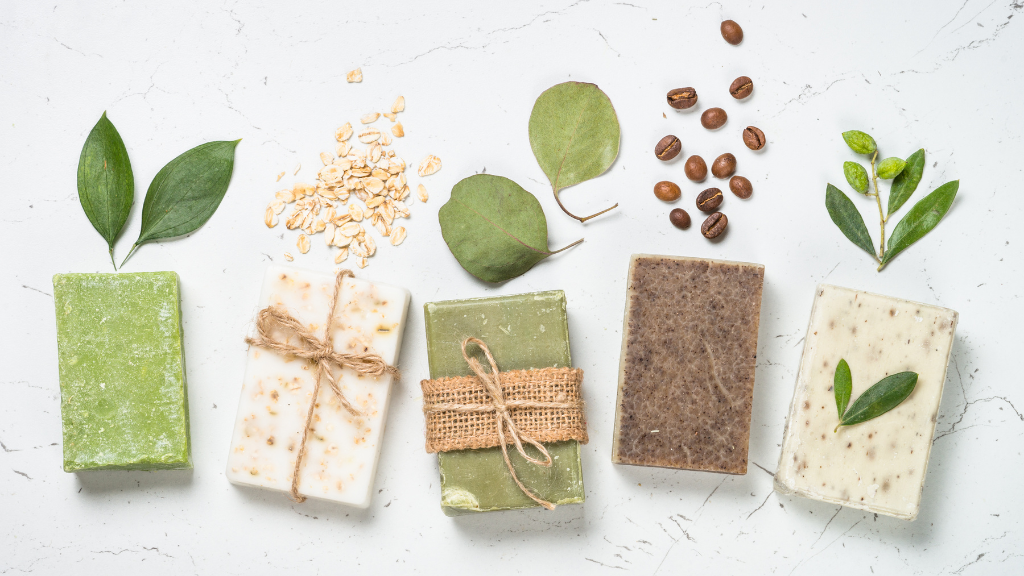
More shoppers are switching to organic and natural soap, and they are asking for it by name. If you sell skin care, you have probably noticed customers reading the back of the bar before they buy. They want to know what is in it and what was left out.
This guide walks through the real benefits of organic soap, how to pick the right bar for different skin types, and how to stock it for your own business. No hype, just a clear look at what organic soap can do and why it has become one of the easiest categories to resell.
What organic and natural soap actually means
Organic and natural soap is made mostly from plant oils, butters, and essential oils instead of synthetic detergents. That sounds simple, but one detail explains most of the benefits below.
Real soap is made through a process called saponification, where oils and a lye solution react to form soap. That reaction naturally produces glycerin, a humectant that pulls moisture toward your skin. Here is the part most brands gloss over: many mass-market bars remove that glycerin and sell it separately in other products. Take the glycerin out and you get a harder, cheaper bar that can leave skin feeling tight and dry. Keep it in, and the bar stays gentler. That retained glycerin is the honest reason natural soap feels different on your skin.
One more thing worth knowing. "Natural" and "organic" are loosely regulated words in the United States. A label can say natural and still contain things you would rather skip. So the ingredients list tells you more than the front of the package ever will. When you turn the bar over, you want to see recognizable plant oils and butters near the top.
The main benefits of organic soap
So what do you actually get when you switch? The benefits depend on the bar and your skin type, but here are the ones people notice most.
Keeps skin's natural moisture
Between the retained glycerin and plant oils and butters like shea, coconut, olive, and cocoa, organic soap helps skin hold onto moisture instead of stripping it away. Many people find their skin feels clean but not tight after washing.
Made without harsh synthetic chemicals
Organic and natural bars are typically made without synthetic detergents, artificial dyes, and synthetic fragrance. For people with sensitive skin, leaving those out can make a real difference. (Worth noting: no soap is truly "chemical-free," since water and oils are chemicals too. The point is that these bars skip the harsh synthetic additives.)
Gentle for most skin types
Organic soap suits dry, oily, combination, and sensitive skin. The trick is matching the bar to the need, since different oils and add-ins do different jobs. More on that in the next section.
Natural scent from essential oils
Instead of synthetic fragrance, many natural bars are scented with essential oils, so the scent tends to be softer and less sharp. Keep in mind that essential oils can still irritate some skin, so a patch test is smart for sensitive customers.
A richer, longer-lasting bar
Higher oil content often means a creamier lather and a bar that holds up wash after wash. That matters for cost-per-use, which is a selling point worth passing on to your resale customers.
Kinder to the planet
Plant-based ingredients are biodegradable, and many makers use low-waste or recyclable packaging. For eco-minded shoppers, that is a real reason to choose a natural bar over a mass-market one.
How to choose the right organic soap bar
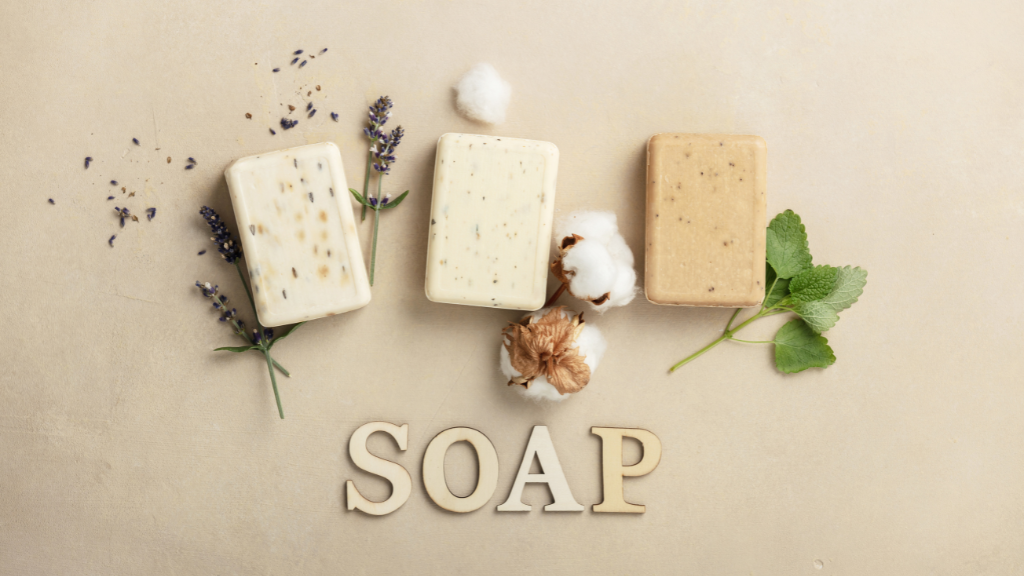
The best bar comes down to the skin it is washing. Here is a simple way to narrow it down.
Start with skin type
Dry skin does well with heavier butters like shea and cocoa. Oily or breakout-prone skin often looks to ingredients like tea tree or activated charcoal. Keep in mind these are popular choices, not cures.
Read the label
Look for recognizable plant oils and butters near the top of the list. Be cautious with bars that lead with a long string of synthetic additives.
Match the scent to the customer
Lighter essential-oil scents suit sensitive shoppers, while bolder scents appeal to customers who want their soap to smell like something.
If you are stocking for a business, African black soap, shea-based bars, and Nubian Heritage are all natural options we carry at wholesale prices, which makes it easy to cover several skin types from one supplier.
Where the Africa Imports difference comes in
Plenty of shops sell soap. Here is what sets us apart.
We are a wholesale partner for small businesses, not just a soap shop. Our bars are ready to resell, repackage under your own label, or use in spa and salon treatments. Low minimums and bulk pricing are built to leave you a healthy resale margin.
There is also a bigger story behind every order. Over half of Africa Imports' profits fund charitable work in Africa, including schools for orphaned children and medical care. When your customers buy a bar from you, that sale helps support real communities. We have been doing this for over 25 years, working with small business owners across the US.
Common Questions About Organic Soap
Are organic soaps better than regular soap?
For many people, yes. Organic and natural bars keep their natural glycerin and skip the synthetic detergents and dyes found in many mass-market soaps. That said, "better" depends on your skin type and the specific bar, so the ingredients list matters more than the word on the label.
Is natural soap good for itchy or sensitive skin?
Many people with sensitive or itchy skin prefer natural soap because it leaves out common irritants like artificial fragrance and dyes. Results vary from person to person, so patch-test a new bar first, and check with a doctor for any ongoing skin condition.
Which natural soap is best for acne-prone skin?
Bars with ingredients like tea tree, activated charcoal, or African black soap are popular choices for breakout-prone skin. None of these is a treatment for acne, so anyone dealing with persistent breakouts should see a professional.
How long does organic soap last?
Because organic bars are often higher in oils and free of fillers, a single bar can last a good while. Keeping it dry between uses helps a lot, so a draining soap dish is worth the small spend. That longer life is a point worth sharing with resale customers.
Stock organic soap your customers will come back for
Soap is one of our best-selling categories, and it is easy to see why. Customers keep coming back for natural bars that are gentle, long-lasting, and ready to resell. Stock a small range that covers dry, oily, and sensitive skin, add your own branding, and give your customers a cleaner choice. Every order also helps fund schools, medical care, and skills training in Africa, so each bar you sell supports real communities. Browse our full range of wholesale African soaps and start building a category your customers will reorder.
Health and Safety Disclaimer
This article is for educational purposes only and is not medical advice. Products sold by Africa Imports are not intended to diagnose, treat, cure, or prevent any disease or condition. Results vary from person to person. If you have a skin condition such as eczema, psoriasis, or persistent acne, please speak with a doctor or dermatologist before changing your routine.