 USD
USD  GBP
GBP  CAD
CAD  AUD
AUD 
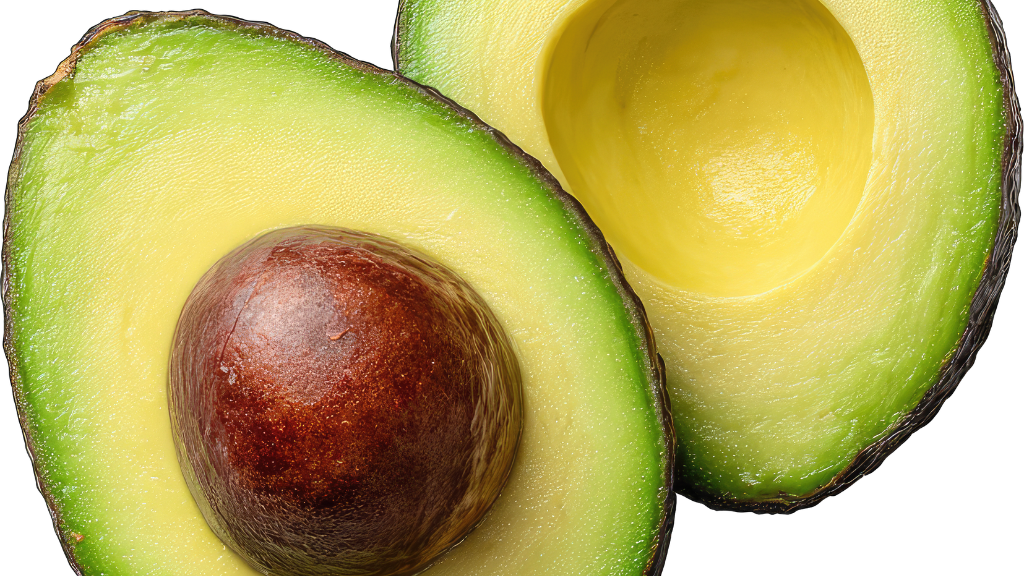
Maybe you've seen avocado butter on an ingredient list and wondered what it adds. Or you want a butter that feels richer than a carrier oil but is softer and easier to scoop than raw shea butter. Either way, the real question is whether it earns a spot in your product line.
To be clear from the start, this guide is about cosmetic avocado butter for skin and hair. It isn't a food spread, and it isn't meant to be eaten.
Below, we cover what avocado butter is and how it's made, the main avocado butter benefits for skin and hair, how it compares to shea and mango butter, and how small business owners use it in the products they sell. We also run the numbers on buying it in bulk.
What Avocado Butter Is and How It Is Made
Avocado butter is a soft, solid blend of avocado oil and a hardened vegetable oil. Avocado oil is liquid at room temperature, so it's combined with a firmer plant oil base. The result is a smooth butter you can scoop from a jar that softens as soon as it touches warm skin.
The oil itself is pressed from the flesh of the avocado fruit, not the pit. That flesh is where the fatty acids that give avocado its rich feel are found.
We're upfront about what goes into ours. The ingredient list on Africa Imports avocado butter reads: Persea Gratissima (Avocado) Oil, Hydrogenated Vegetable Oil. That's the whole list. Persea gratissima is simply the botanical name for avocado.
The blend isn't a shortcut. It's the reason avocado butter is easy to work with:
- It's stable. Our 4 oz listing gives a shelf life of one year.
- It has a mild scent, so it won't fight the fragrance you add.
- It softens quickly on skin, so it spreads without much rubbing.
- It's smooth. It's softer than cocoa butter and less likely to turn grainy than raw shea.
So what is avocado butter used for? Mostly body butters, creams, lip balms, hair butters, scrubs, and soaps. We cover each one further down.
Avocado butter vs avocado oil
Avocado butter and avocado oil start from the same fruit, but they do different jobs. The oil is liquid, absorbs faster, and works well in massage blends, hair oils, and serums. The butter sits on the skin longer, helps seal in moisture, and gives body to creams and balms. The butter also tends to hold up longer on the shelf. If you want your product to feel rich in the jar, reach for the butter. If you want it to pour, look at our carrier oils instead.
Avocado Butter Benefits for Skin
Most of what avocado butter offers comes from the fatty acids and other compounds in avocado oil. Here's what they may do, and what they don't.
Rich in oleic acid. Oleic acid often makes up more than half of the fatty acids in avocado oil, alongside smaller amounts of palmitic and linoleic acid. Oleic acid is a heavy fatty acid that helps form a protective layer on the skin's surface. That's why avocado butter feels rich, and why it tends to suit dry skin better than oily skin.
Contains plant sterols and vitamin E. Avocado oil contains plant sterols and tocopherols, the family of compounds known as vitamin E. Research suggests these may help support the skin's moisture barrier and may help calm the look of dryness and irritation.
Good for rough, dry areas. Elbows, knees, heels, hands, and shins usually need the most help. A thin layer of avocado butter may help soften the look of dry patches and flaking with regular use.
Works as a lip balm base. Its soft texture and mild scent make it a good fit for lips, especially when blended with a firmer butter or wax.
What it isn't: avocado butter is not a sunscreen. You may see claims online that plant butters have built-in SPF. There's no reliable evidence that any plant butter gives meaningful sun protection. If you sell to customers, don't make this claim, and remind them to use proper sunscreen along with avocado butter.
Is avocado butter good for sensitive or acne-prone skin?
You'll often see avocado butter given a comedogenic rating of around 2 or 3 out of 5. Comedogenic means likely to clog pores. These ratings come from older lab tests, often done on animal skin, and they don't reliably predict how a product will behave on a person's face. A blended butter can also behave differently from pure avocado oil.
A patch test tells you more than any number. Apply a small amount to the inside of your wrist and wait 24 hours. Practical guidance for most people:
- Use it on the body first. That's where most people get the best results from a rich butter.
- For face products, use it at a low percentage in a lighter blend, not on its own.
- Avoid it if you have a known avocado allergy. Avocado is a food allergen for some people, and that can carry over to skin products.
Avocado Butter Benefits for Hair
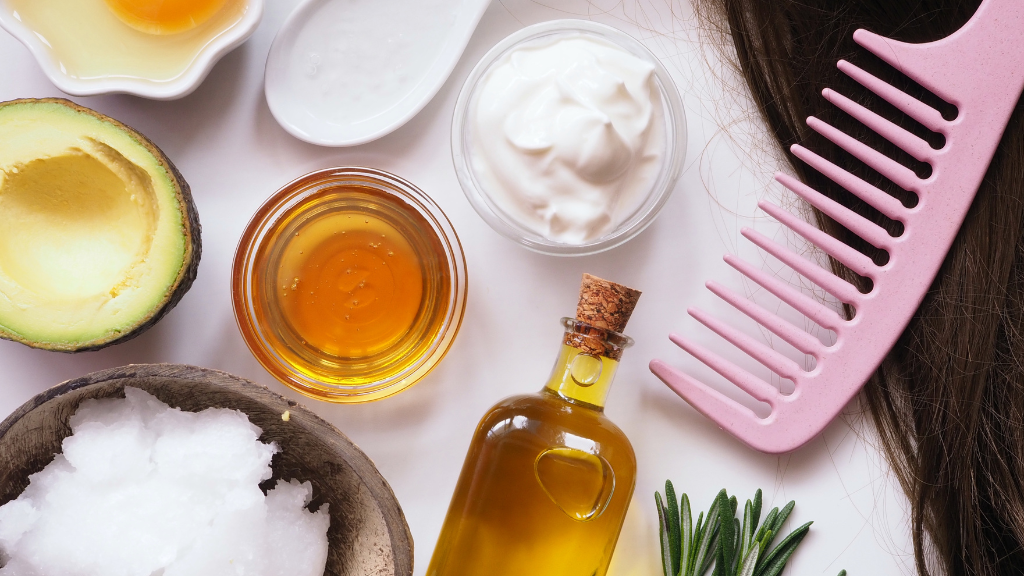
Hair is where avocado butter gets less attention than it deserves, especially for customers with thick, coily, or curly hair.
How it works: avocado butter mostly coats the hair strand rather than soaking in. That makes it a sealing ingredient. It works best over a leave-in conditioner or a water-based product, where it helps hold that moisture in. Used on dry hair alone, it has less to seal.
Where it helps:
- Sealing moisture into ends after washing
- Smoothing frizz and flyaways
- Softening the look and feel of dry or heat-stressed hair
- Adding slip to a detangling blend
- Easing the feel of a dry, tight scalp
The honest limits: avocado butter is heavy. It suits coily, curly, and coarse textures, including 4A to 4C hair, along with dry or high-porosity hair that loses moisture quickly. Fine or low-porosity hair often finds it too heavy on its own, and it can weigh down roots. It won't treat dandruff or any scalp condition, and there's no reliable evidence that it makes hair grow.
How to use avocado butter for hair: warm a pea-sized amount between your palms until it softens. Work it through the mid-lengths and ends, not the roots. For a simple avocado butter hair mask, apply a little more to damp hair, cover with a shower cap for 20 to 30 minutes, then rinse and follow with conditioner.
If you sell African hair care products, avocado butter makes a strong base for a hair butter or twist-out cream. Customers with dry or damaged hair often buy a sealing butter alongside their leave-in, so it pairs well with what you may already stock.
How Avocado Butter Compares to Shea and Mango Butte
|
Butter |
Texture |
Feel on skin |
Scent |
Holds shape in heat |
Often used for |
|
Avocado butter |
Soft, smooth, scoopable |
Rich, absorbs fairly well |
Mild |
Low to medium |
Body butters, hair butters, lip balms |
|
Shea butter |
Soft to medium, can turn grainy if cooled slowly |
Rich, slightly waxy |
Nutty when unrefined |
Medium |
Body butters, lotions, hair care |
|
Mango butter |
Medium-firm |
Lighter, less greasy |
Very mild |
Medium |
Lotions, balms, lighter body butters |
|
Cocoa butter |
Hard |
Firm and rich |
Chocolate when unrefined |
High |
Bars, balms, warm-weather products |
How to choose: for a soft, easy-to-scoop body butter, start with avocado or shea. For a lighter feel, try mango. For a bar or balm that needs to hold its shape in summer, add some cocoa.
Many sellers use avocado butter alongside shea butter rather than instead of it. Avocado softens the texture of a shea-heavy recipe and helps tone down shea's nutty smell. None of these butters is better than the others. Each one does a different job, and plenty of good recipes use two or three together.
How to Use Avocado Butter in Products You Sell
Avocado butter works in more formats than most sellers expect. Here's how it fits the products our customers make most often. You can see it alongside our other wholesale butters.
Whipped body butter
This is the easiest place to start, and body butter is one of the most popular products small brands make. Avocado body butter whips up light and fluffy, especially when blended with shea.
Body and hand cream
In an avocado butter lotion or cream, it adds richness without making the formula feel greasy. Hand creams sell well at fairs and pop-ups, especially in colder months.
Lip balm
For avocado butter for lips, blend it with a wax and a firmer butter so the balm holds its shape in a tube.
Sugar or salt scrub
It binds the scrub and leaves a soft layer on skin after rinsing. Tell customers that butter-based scrubs can make a shower floor slippery.
Hair butter and sealing cream
Blend it with a lighter oil so it spreads through hair more easily.
Soap
Soap makers add avocado butter as a superfat, the extra oil left in the bar after the soap sets, for a more moisturizing bar. Run any new recipe through a lye calculator before you make it.
Massage butter and balm
It softens with body heat and gives a long glide, which suits massage therapists and spa owners.
Getting the amount right: ingredient suppliers commonly suggest starting at around 8 to 10 percent avocado butter in a lotion or cream. Treat that as a starting point, not a rule. Whipped body butters and hair butters use much more, because butter is the main ingredient. Start low, test, and write down every batch so you can repeat what works.
Storage and shelf life: our 4 oz avocado butter lists a one-year shelf life. Keep it sealed in a cool, dry place, out of direct sunlight. If your recipe includes liquid oils, a little vitamin E oil may help slow them from going rancid. If the butter smells sharp or off, don't use it.
Small Business Tip: Buying Avocado Butter in Bulk
Here's what avocado butter costs per ounce at each size, based on current retail prices:
- 4 oz jar: $13.90, about $3.48 per ounce
- 14 oz jar: $29.90, about $2.14 per ounce, roughly 38 percent less per ounce than the 4 oz
- 1 gallon (110 oz of product): $179.90, about $1.64 per ounce, roughly 23 percent less than the 14 oz and about 53 percent less than the 4 oz
In real terms, one gallon holds enough butter for about 27 four-ounce jars of straight butter, at around $6.54 of butter per jar. Once you blend it into a whipped body butter, it goes even further.
The smart way to buy: start with the 4 oz to test whether the texture and scent work in your formula. Once you have a recipe you're happy with and customers who reorder, move up to the 14 oz. When you're running regular batches, the gallon is where your cost per jar really drops. When you're ready to scale, you can buy in bulk across our wider range too.
Repackaging and labels: once you repackage and sell avocado butter, it's a cosmetic under US rules. Your label needs the product name, the net weight, the full ingredient list in order from most to least, and your business name and address. You can say it moisturizes and softens skin. You can't say it treats, heals, or cures anything. Those claims can turn a cosmetic into a drug in the eyes of the FDA.
Private label idea: because avocado butter has a mild scent, it's an easy base to build a range around. Add your own fragrance and you can sell three or four scents from one base ingredient, under your own label, with fewer items to track in your inventory.
Avocado Butter FAQs
What is avocado butter used for?
Avocado butter is used in body butters, creams, lotions, lip balms, scrubs, hair butters, massage balms, and soap. Its soft texture and mild scent make it easy to blend with other butters and oils. Small business owners often use it to soften shea-based recipes or as a sealing butter for dry, coily hair.
Is avocado butter good for your skin?
For many people, yes, especially those with dry skin. It's rich in oleic acid and contains plant sterols and vitamin E, which may help support the skin's moisture barrier. It feels heavy, so it suits the body more than oily or acne-prone faces. Patch test first, and avoid it if you're allergic to avocado.
Is avocado butter good for your hair?
It works well as a sealing butter for thick, coily, curly, and dry hair. Apply it over a leave-in conditioner to help hold moisture in, focusing on the ends. It's often too heavy for fine or low-porosity hair when used alone. It won't make hair grow or treat scalp conditions.
What is the difference between avocado butter and avocado oil?
Avocado oil is liquid and absorbs quickly, which suits massage oils, serums, and hair oils. Avocado butter is avocado oil blended with a hardened vegetable oil, so it stays solid at room temperature. The butter sits on skin longer, helps seal in moisture, and gives body to creams and balms.
Is avocado butter comedogenic?
It's usually rated around 2 or 3 on a 0 to 5 comedogenic scale, which means it may clog pores for some people. These ratings come from older tests that don't reliably predict how skin will react, and blends can behave differently from pure oils. A 24-hour patch test is the best guide.
Can you use avocado butter on your face?
You can, but use care. Avocado butter is rich, so it can feel heavy on the face and may not suit oily or acne-prone skin. In face products, use it at a low percentage in a lighter blend rather than on its own. Always patch test before using any new product on your face.
Is avocado butter better than shea butter?
Neither is better. They do different jobs. Avocado butter is smooth, with a mild scent. Shea butter is richer, with a nutty scent when unrefined, and it's the butter most customers already know. Many sellers blend the two, using avocado to soften the texture and tone down shea's scent.
How long does avocado butter last?
Our 4 oz avocado butter lists a shelf life of one year. Store it sealed, in a cool, dry place away from direct sunlight, since heat and air speed up spoilage. If the butter smells sharp, sour, or off, it's time to replace it.
Can you make soap with avocado butter?
Yes. Soap makers often add avocado butter as a superfat, meaning extra oil left in the finished bar, which helps make a more moisturizing soap. Run your recipe through a lye calculator before you start, and test small batches before you sell.
Disclaimer:
This article is for educational purposes only. Avocado butter is a cosmetic ingredient, not a medical product, and it is not intended to diagnose, treat, cure, or prevent any disease or skin condition. These statements have not been evaluated by the Food and Drug Administration. Individual results vary. Always patch test before first use, avoid use if you have a known avocado allergy, and stop use if irritation occurs. If you plan to sell products made with avocado butter, check your labeling and claims with a qualified professional first.
Add Avocado Butter to Your Product Line
When you buy from Africa Imports, you're helping fund real charitable work in Africa. Over half of our profits go to schools for orphaned children and kids from very poor families, along with medical care, adult skills training, and support for vulnerable women. Around 200 people are supported to carry out that work in their own communities.
We've been helping small business owners across the US for over 25 years. Avocado butter comes in 4 oz, 14 oz, and 1 gallon sizes, with low minimums and fast shipping. Start with a smaller size to test it in your recipe, then stock up on the gallon once your customers start reordering.