 USD
USD  GBP
GBP  CAD
CAD  AUD
AUD 
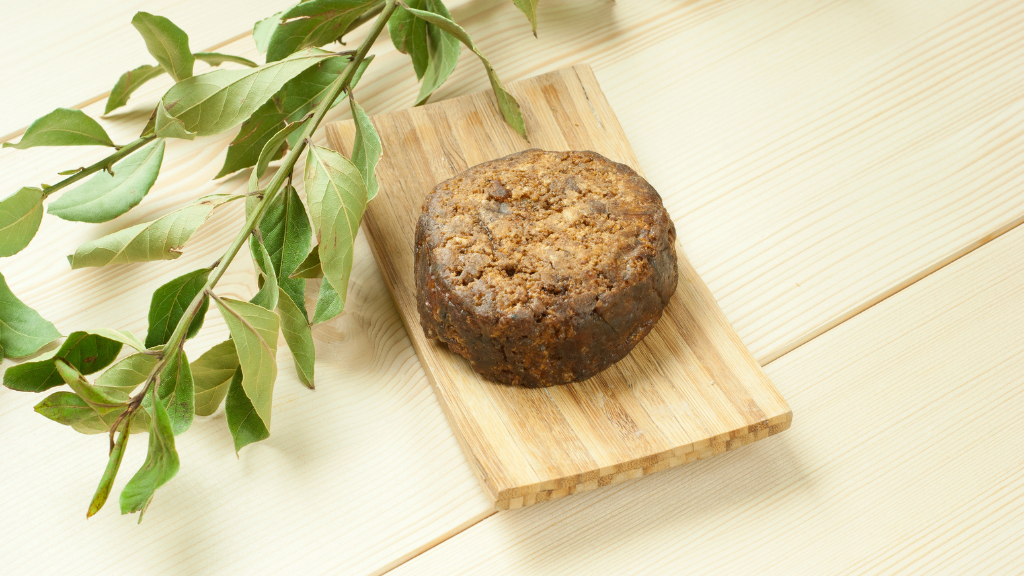
African black soap is a plant-based cleanser made in West Africa that has been used for centuries to treat acne, fade dark spots, soothe eczema, and balance oily skin. Made from ingredients like plantain skins, cocoa pod ash, shea butter, and palm oil, it works as a cleanser, exfoliant, and moisturizer all in one.
Unlike most store-bought soaps, African black soap contains no synthetic fragrances, dyes, or chemical detergents. It can be used on the face, body, and hair, and like other organic soap benefits, it cleanses without the synthetic detergents found in many mass-market bars.
This guide covers everything you need to know about African black soap benefits, including how to use it, side effects to watch for, storage tips, and how to tell if your soap is the real thing. If you sell skin care products or run a spa, we've also included tips on stocking and reselling black soap for your business.
What Is African Black Soap?
African black soap is a traditional cleanser handmade in West Africa, primarily in Ghana and Nigeria, using methods passed down through generations. In the Yoruba language of Nigeria, it's called Ose Dudu, which translates directly to "black soap." In Ghana, it's known as Alata Samina.
The soap is made from a combination of plant-based ingredients that vary slightly by region. Common ingredients include plantain skin ash, cocoa pod ash, palm oil, palm kernel oil, coconut oil, shea butter, and tropical honey. Some versions also include camwood (known as osun in Nigeria), aloe vera, or lime juice.
The production process is labor-intensive. Plant materials like plantain skins and cocoa pods are sun-dried, then roasted in a clay vat or open fire to create ash. That ash is mixed with water and filtered, then combined with oils and shea butter. The mixture is hand-stirred, sometimes for a full day or more, and left to cure for at least two weeks before it's ready to use.
The result is a soap that looks nothing like what you'd find on a drugstore shelf. Real African black soap has a dark brown to grayish color, an uneven texture, and an earthy, slightly smoky smell. It's softer than commercial soaps and may crumble slightly at the edges. These are signs of a genuine product, not defects.
It's worth noting that there are over 100 varieties of African black soap, and as demand has grown, so has the number of imitations. Some retailers sell bars that are simply dyed black but contain none of the traditional ingredients. If the soap is perfectly smooth, uniformly black, and has a strong perfume scent, it's likely not the real thing.
10 Benefits of African Black Soap for Skin
African black soap offers a wide range of skin benefits thanks to its combination of plant oils, antioxidant-rich ash, and moisturizing butters. Here's what the research and long-standing traditional use tell us.
1. May Help Treat and Prevent Acne
One of the most talked-about benefits of African black soap for skin is its ability to fight acne. The soap has natural antibacterial properties that help remove acne-causing bacteria from the skin's surface. Research published in the Journal of Drugs in Dermatology found that black soap removed more bacteria than some medicated cleansers.
The ash in the soap acts as a gentle exfoliant, helping to unclog pores and prevent new breakouts. Meanwhile, the shea butter content helps repair damaged skin cells without stripping away moisture or over-drying the face, which is a common problem with harsh acne treatments.
African black soap can be used on facial acne as well as breakouts on the chest and back.
2. Fades Dark Spots and Uneven Skin Tone
African black soap may help reduce the appearance of dark spots and hyperpigmentation over time. The plantain skins used in the soap are rich in vitamin A, which promotes cell turnover and helps newer, more even-toned skin come to the surface. For a wider look at the best soap for dark skin, including shea and Madina options, see our full guide.
Shea butter also offers some protection against sun damage, which is a major cause of uneven skin tone.
To be clear, this soap is not a bleaching agent. It does not lighten skin. What it may do, with regular use over two to three months, is help even out discoloration caused by acne scars, sun spots, or post-inflammatory hyperpigmentation. Results vary from person to person.
3. Balances Oil Production
Finding a cleanser that removes oil without leaving skin feeling tight and stripped is a challenge, especially for people with oily or combination skin types. African black soap strikes a good balance here. The coconut oil in the formula helps control excess oiliness, while shea butter adds moisture where it's needed.
Because the soap does not contain synthetic surfactants or sulfates, it's less likely to trigger the overproduction of oil that many chemical cleansers cause. It's also non-comedogenic, meaning it won't clog pores.
4. Soothes Eczema, Psoriasis, and Skin Irritation
The natural oils and fats in African black soap can help soothe itching and calm inflamed skin. People dealing with eczema, psoriasis, dermatitis, rashes, and general skin allergies may find some relief from regular use, much like the soothing effect many report from Dead Sea mineral mud.
Because real African black soap contains no synthetic fragrances, dyes, or chemical additives, it's a practical option for anyone with sensitive or reactive skin who struggles to find a cleanser that doesn't cause flare-ups.
A note on language here: African black soap may help soothe symptoms associated with these conditions, but it is not a medical treatment. If you're dealing with a chronic skin condition, it's always a good idea to speak with a dermatologist.
5. Gently Exfoliates Dead Skin Cells
The ash particles in African black soap make it a natural, mild exfoliant. Unlike chemical exfoliants that rely on acids to dissolve dead skin, black soap works physically to lift and remove dead cells, revealing brighter, smoother skin underneath.
This gentle exfoliation also helps with blackheads. By clearing out clogged pores, the soap loosens trapped debris, softens the skin around the pore, and helps draw the blockage to the surface. Bars made with activated charcoal work in a similar way, which makes charcoal soap for blackheads another option worth stocking alongside black soap. Think of it as a three-step process: cleanse, exfoliate, and clear.
For anyone looking for a natural alternative to glycolic acid or salicylic acid products, African black soap is worth trying.
6. Moisturizes Without Clogging Pores
Many soaps that claim to moisturize end up leaving a film on the skin that clogs pores over time. African black soap works differently. Shea butter, coconut oil, and cocoa butter lock in moisture, but these natural oils wash off cleanly with water, so there's no heavy residue left behind.
The soap also has a high glycerin content. Glycerin is a humectant, meaning it draws moisture from the air into the skin. Most commercial soaps actually have glycerin removed during manufacturing, which is one reason they leave skin feeling dry. African black soap retains its glycerin naturally.
7. May Reduce Fine Lines and Wrinkles
The cocoa pods and plantain peels used in African black soap are rich sources of antioxidants, including gallic acid, tannins, catechins, rutin, and quercetin. These compounds help fight free radical damage, which contributes to premature aging.
Shea butter and coconut oil may also help slow collagen loss. Collagen is the protein that keeps skin firm and plump, and its natural decline is one of the main causes of fine lines and wrinkles.
The exfoliating action of the soap can make fine lines less visible by removing the layer of dead cells that can emphasize them. Some users report smoother, firmer-looking skin after several weeks of consistent use.
8. Protects Against Environmental Damage
Your skin faces daily exposure to UV radiation, air pollution, and chemicals found in cosmetics. Over time, these stressors cause oxidative damage to skin cells, leading to visible changes like dark spots and wrinkles, as well as invisible damage at the cellular level.
African black soap is rich in vitamins A and E, both of which act as antioxidants. These may help shield the skin from some of this environmental damage and support the skin's natural repair processes.
9. Reduces Razor Burn and Ingrown Hairs
Razor bumps and ingrown hairs are a common frustration, particularly for people with coily or tightly curled hair. The oils and shea butter in African black soap help soften hair before shaving, making for a smoother shave with less irritation.
The natural exfoliation helps free hairs that are already trapped beneath the skin's surface and prevents new ingrown hairs from forming by keeping pores clear of dead skin buildup.
In a survey of 100 African black soap users published in the Journal of Drugs in Dermatology, 92% said they were "very satisfied" or "somewhat satisfied" with the soap for managing razor bumps.
10. May Help with Stretch Marks
Shea butter is one of the most widely used natural ingredients for improving the appearance of stretch marks, and it's a core ingredient in African black soap. The vitamin E content supports collagen production and may help improve skin elasticity.
Women in West Africa have traditionally used black soap during and after pregnancy to help reduce the appearance of stretch marks. While clinical research on this specific use is limited, the moisturizing and antioxidant properties of the ingredients offer a reasonable basis for these traditional practices.
As with all stretch mark treatments, results tend to be gradual and vary from person to person.
African Black Soap for Hair and Scalp
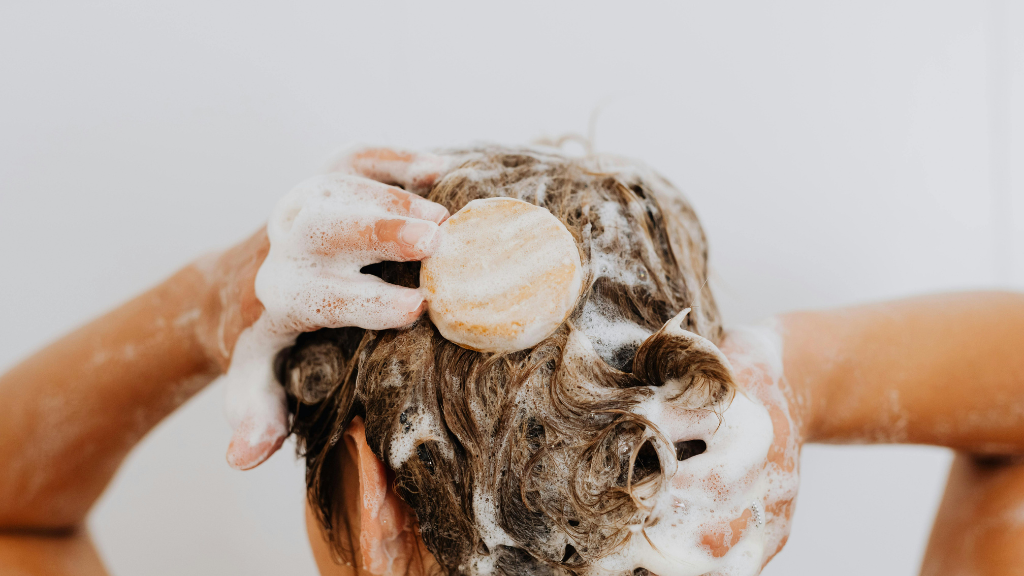
African black soap isn't just for your skin. It can also be used as a shampoo. Simply lather a small amount in your hands and work it through wet hair, then rinse as you would with any shampoo.
The soap's natural antifungal and moisturizing properties may help with dandruff. It soothes itchy, irritated scalps and provides a deep clean without the sulfates found in most commercial shampoos. The vitamins A and E in the soap may also help strengthen hair over time.
One thing to be aware of: some research suggests that the cocoa butter or shea butter in the soap could, in certain cases, feed the yeast (Malassezia) that causes seborrheic dermatitis. So while many people see improvement in their dandruff, others may not. If your scalp symptoms get worse, stop using it as a shampoo.
Always follow up with a conditioner after washing hair with black soap, as it can leave hair feeling dry if used on its own.
Is African Black Soap Safe for Babies?

In West Africa, mothers have traditionally used black soap on their babies' skin because of its purity and gentle formula. Real African black soap contains no synthetic chemicals, dyes, or artificial fragrances, which makes it a milder option than many mass-produced baby soaps.
That said, every baby's skin is different. If you're considering using African black soap on a baby or young child, patch-test it on a small area of skin first and wait 24 hours to check for any reaction. It's also wise to consult a pediatrician before introducing any new skin care product for infants, particularly if the child has known skin sensitivities.
How to Use African Black Soap
Getting the most out of African black soap comes down to using it correctly. Here's a simple step-by-step:
Step 1: Cut or break off a small piece from the bar, or scoop a small amount of paste if you're using the paste form. A little goes a long way with this soap.
Step 2: Lather the piece between your hands or dissolve it in a small amount of water first. Do not rub the bar directly on your face, as the rough texture can irritate delicate skin.
Step 3: Apply the lather in gentle circular motions for about 60 to 90 seconds.
Step 4: Rinse thoroughly with lukewarm water.
Step 5: Apply your regular moisturizer while your skin is still slightly damp. This helps lock in the soap's hydrating effects.
If you're new to African black soap, start with two to three times per week and gradually increase as your skin adjusts. Some people use it daily without issues, while others with dry or sensitive skin prefer to keep it to a few times a week.
African black soap paste is another popular form. It's raw and unprocessed, usually more concentrated than bar soap, and is easy to scoop and portion out. Both the paste and bar forms offer the same core benefits.
One important note: avoid using African black soap at the same time as chemical exfoliants like AHAs (glycolic acid) or BHAs (salicylic acid). The combination can be too harsh and may cause irritation, redness, or peeling.
Side Effects and Things to Watch For
African black soap is generally well tolerated, but there are a few things to keep in mind.
Some users experience mild dryness or a slight tingling sensation when they first start using it. This is normal and usually fades within the first week or two as your skin adjusts.
If dryness persists, try reducing how often you use the soap, or look for a version with a higher shea butter content. Always follow up with a moisturizer after cleansing.
Patch-test the soap before using it on your full face, especially if you have sensitive skin. Apply a small amount to your inner wrist or behind your ear and wait 24 hours.
As mentioned, avoid pairing African black soap with strong chemical exfoliants. The soap already provides natural exfoliation, so combining it with acids can strip the skin barrier and cause irritation. For a gentler weekly add-on, a mineral face mud can lift buildup without acids.
If you have known allergies to cocoa, coconut, or palm products, check the ingredient list carefully before using any African black soap product.
Most users notice general improvements in skin texture and clarity within two to four weeks. For darker spots and hyperpigmentation, expect to wait two to three months of consistent use before seeing visible changes.
How to Store African Black Soap
Proper storage is one of the most important things to get right with African black soap, especially if you're buying in bulk for resale. Because it's made from natural ingredients with no synthetic preservatives, it's more sensitive to moisture and heat than commercial soaps.
Here are the key storage guidelines:
Keep your soap in a cool, dry place with temperatures between 50 and 75°F (10 to 24°C). Aim to keep humidity below 50% to prevent moisture absorption and mold growth.
Store the soap in an airtight container or zip-lock bag between uses. If you're using it in the shower, never leave it sitting in standing water. A soap dish with drainage holes or a well-ventilated container works well.
If you notice your soap getting too soft, sticky, or developing an unusual smell, it may have absorbed too much moisture. Stored correctly, African black soap can maintain its quality for two to three years.
For retailers and business owners:
Wrap bars in wax paper or biodegradable cellophane for display. Avoid sealing them in plastic that traps moisture. Keep good air circulation in your storage area, and check your inventory every one to two months for any signs of deterioration. Stackable airtight containers or vacuum-sealed bags are good options for larger quantities.
How to Tell If Your African Black Soap Is Real
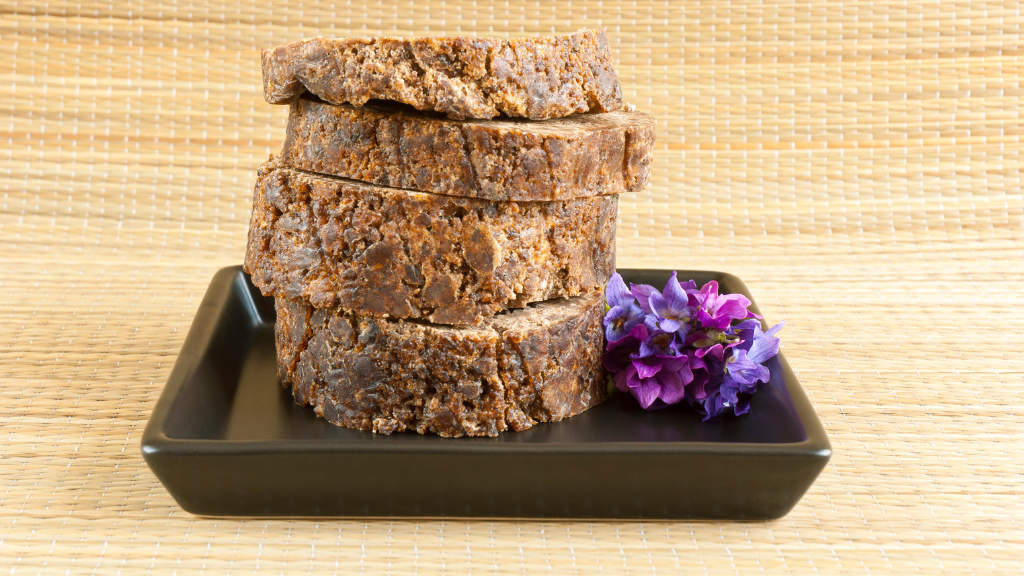
With growing demand for African black soap, the number of imitation products on the market has increased. Here's how to spot the real thing:
Real African black soap is dark brown to black in color, but not uniformly so. You'll see variation in shade and texture across the bar. It has an uneven, rough surface, not the smooth, perfectly formed shape of a machine-made soap.
The scent is earthy and natural, sometimes slightly smoky. It should not smell like perfume or synthetic fragrance.
Real black soap is softer than regular soap. The edges may crumble slightly, and the bar may break apart more easily. This is a sign that it's handmade with natural ingredients.
Be cautious of soaps that are perfectly smooth, jet black, and strongly scented. These are often regular soaps dyed with synthetic colorants and marketed under the "African black soap" name without containing any of the real ingredients.
When buying, check the ingredient list for plantain ash, cocoa pod ash, shea butter, and palm oils. Purchasing from trusted African suppliers like Africa Imports, who source directly from makers in West Africa, is the most reliable way to ensure you're getting the genuine product.
African Black Soap vs. Regular Soap
If you've been using commercial soap your whole life, switching to African black soap can feel like a big change. Here's how they compare:
Ingredients: Regular soap often contains synthetic fragrances, sulfates, parabens, and chemical detergents that can strip natural oils from the skin. African black soap is made entirely from plant-based ingredients with no synthetic additives.
Function: Most commercial soaps do one thing: cleanse. African black soap cleanses, exfoliates, and moisturizes in a single step.
Glycerin content: Many commercial soap manufacturers remove glycerin during production because it's valuable as a separate product. African black soap retains its naturally occurring glycerin, which helps the soap moisturize as it cleans.
Sensitivity: Regular soaps with artificial fragrances and dyes are a common trigger for sensitive skin reactions. African black soap's chemical-free formula makes it a practical alternative for people who react to conventional products.
Texture: Commercial soap is smooth and uniform. African black soap has a rough, uneven texture that provides natural exfoliation but requires a slightly different approach to use (lathering in hands first rather than rubbing the bar directly on skin).
Selling African Black Soap: Tips for Small Business Owners
African black soap is one of the most in-demand natural skin care products on the market right now. It sells well, has a high repeat-purchase rate, and appeals to a broad customer base. Anyone interested in natural, chemical-free skin care is a potential buyer, which means your audience isn't limited to one demographic.
Buying in bulk: Africa Imports offers African black soap in wholesale quantities, including raw black soap paste in 8 oz tubs. The paste form lasts much longer than bar soap and offers strong value for both you and your customers. Wholesale pricing means healthy margins even at competitive retail prices.
Resale and private labeling ideas: Cut raw soap into smaller bars and wrap them in branded tissue paper or eco-friendly packaging. Offer sample sizes as freebies or add-ons with other purchases to build customer loyalty. Customers who try black soap almost always come back for more.
Display and marketing: Position black soap near your checkout counter for impulse purchases. Use real customer reviews and testimonials in your marketing (without making medical claims). Highlight the "natural" and "no chemicals" angle, as these are major selling points for today's buyers.
For spa owners and massage therapists: African black soap facials are a growing service category. You can offer black soap cleansing as part of facial or body treatments. The soap's cleansing, exfoliating, and moisturizing properties make it a strong fit for professional skin care services.
The bigger picture: When you buy African black soap from Africa Imports, you're also supporting communities in Africa through charitable programs focused on education and children's welfare. That's a story your customers will connect with and one that sets your business apart from competitors selling mass-produced alternatives.
FAQs About African Black Soap
What are the main benefits of African black soap?
African black soap benefits include treating and preventing acne, fading dark spots and hyperpigmentation, soothing eczema and psoriasis symptoms, balancing oil production, gently exfoliating dead skin cells, and moisturizing without clogging pores. It can also help reduce razor bumps and may improve the appearance of stretch marks and fine lines over time.
Can you use African black soap on your face every day?
Yes, African black soap is safe for daily facial use. However, if you have dry or sensitive skin, you may get better results using it two to three times per week and following up with a moisturizer each time. Start slow and increase frequency as your skin adjusts.
What are the disadvantages of African black soap?
Some people experience initial dryness or mild tingling, especially during the first week of use. The soap can dissolve quickly if stored improperly, and it should not be used alongside harsh chemical exfoliants (AHAs or BHAs) as the combination may irritate the skin. People with allergies to cocoa, coconut, or palm products should check ingredients carefully.
How long does African black soap take to work?
Most people notice improvements in skin texture and clarity within two to four weeks of regular use. For darker spots, acne scars, and hyperpigmentation, visible changes may take two to three months of consistent use.
Does African black soap lighten skin?
African black soap is not a skin bleaching product. It does not lighten skin tone. What it may do is help even out discoloration caused by acne scars, sun damage, or post-inflammatory hyperpigmentation through gentle exfoliation and vitamin A content.
Can African black soap get moldy?
Yes. Because it's made from natural ingredients without synthetic preservatives, African black soap can develop mold if stored in humid conditions or left sitting in water. Keep it in a dry place, store it in an airtight container between uses, and maintain humidity below 50%.
Is African black soap good for stretch marks?
The shea butter and vitamin E in African black soap may help reduce the appearance of stretch marks over time by supporting collagen production and improving skin elasticity. Women in West Africa have traditionally used it during and after pregnancy for this purpose.
What's the difference between African black soap paste and bar soap?
Paste is the raw, unprocessed form of African black soap. It's usually more concentrated and easier to portion out. Bar soap may be blended with additional ingredients for a firmer texture. Both forms offer the same core benefits of cleansing, exfoliating, and moisturizing.
Is African black soap safe for babies?
Mothers in West Africa have traditionally used African black soap on babies because of its gentle, chemical-free formula. However, every baby's skin is different. Patch-test first and consult a pediatrician before regular use, especially for infants with sensitive or reactive skin.