 USD
USD  GBP
GBP  CAD
CAD  AUD
AUD 
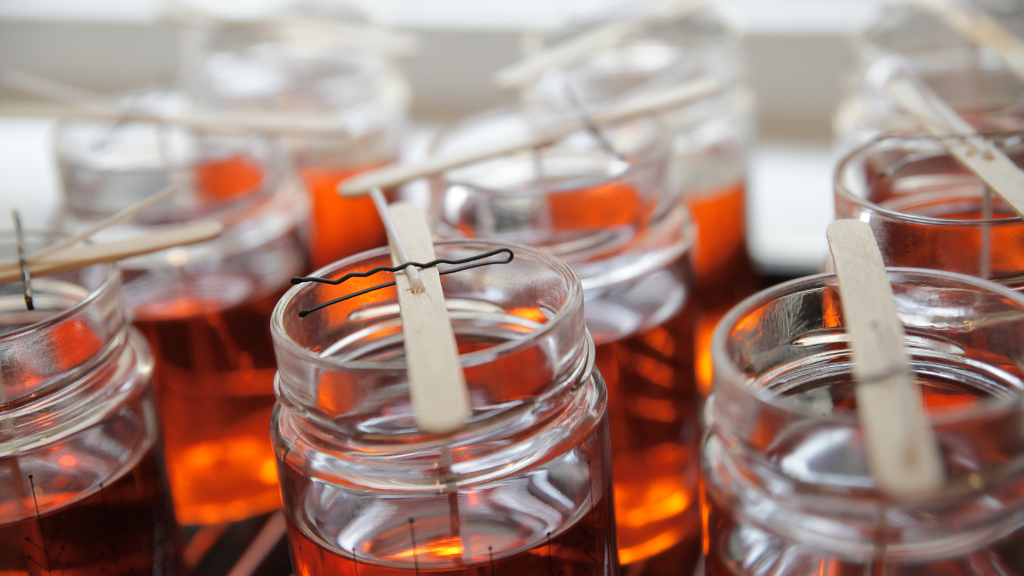
Making candles can be a rewarding way to create products for your customers, but safety should always come first. Whether you're selling at farmers markets, craft fairs, or to friends and family, understanding candle making safety and regulations helps protect both you and the people who buy your candles.
Getting safety right from the start builds trust with your customers and keeps your small business on solid ground. This guide covers the key safety practices and US regulations you need to know when making candles with fragrance oils
Why Candle Safety Matters for Retailers and Makers
When you make candles to sell, you're responsible for creating products that are safe to use. Poor safety practices can lead to fires, burns, or health problems for your customers. Beyond the obvious safety concerns, unsafe products can also create legal problems for your business.
Safe candle making protects your customers and your reputation. Word travels fast in small communities, and customers who have bad experiences will tell others. On the flip side, customers who feel confident about your products' safety become loyal buyers who recommend you to friends.
Good safety practices also protect you during the candle making process. Hot wax can cause serious burns, and some fragrance oils can irritate skin or cause allergic reactions if not handled properly. Taking the right precautions keeps you safe while you work.
US Regulations for Candle Products
In the United States, candles fall under consumer product safety rules. While there's no single federal agency that regulates all aspects of candle making, several important requirements apply to your products.
Labeling Requirements
Your candles need clear, honest labels that help customers use them safely. Include your business name and contact information on every product. If you use fragrance oils, list the main ingredients, especially any that might cause allergic reactions.
Warning labels are essential for safety. Include basic safety instructions like "Never leave a burning candle unattended" and "Keep away from children and pets." These warnings help protect your customers and show that you take safety seriously.
Fire Safety Standards
While not legally required for small businesses, following basic fire safety guidelines protects your customers. This means using proper wicks that won't create oversized flames and ensuring your candles burn evenly without creating excessive heat.
Record Keeping
Keep records of your ingredients, especially fragrance oil safety information. This helps you answer customer questions and shows you're running a responsible business.
Fragrance Oil Safety Standards
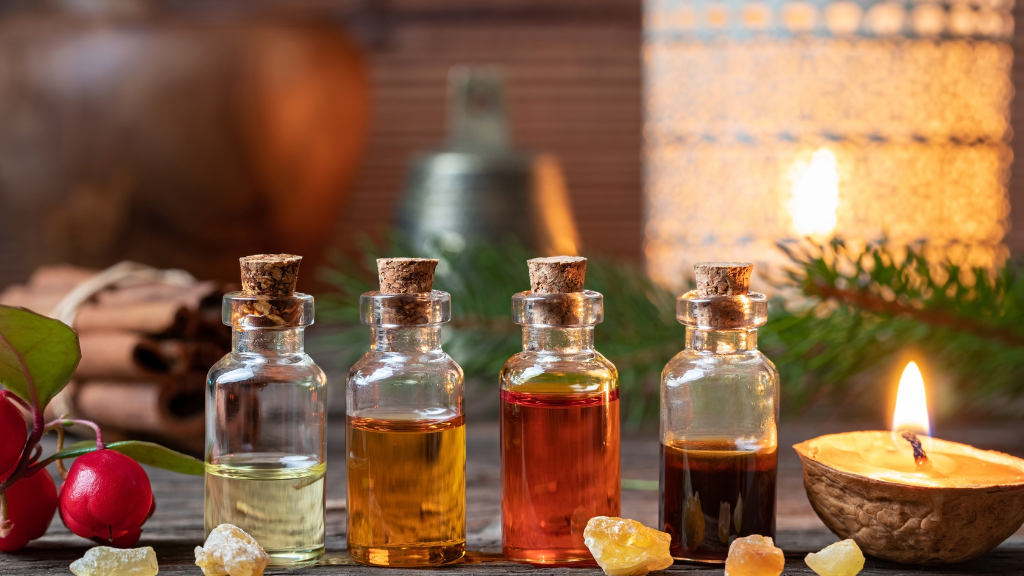
Fragrance oils are often the heart of great candles, but they need to be used safely. Not all fragrance oils are suitable for candles, and using the wrong ones can create safety problems.
IFRA Standards
The International Fragrance Association sets safety guidelines for fragrance use. When choosing fragrance oils, look for ones that comply with IFRA standards. These standards ensure the oils are safe for their intended use.
IFRA-compliant oils have been tested for skin sensitivity and other safety concerns. This is especially important since candle wax can come into contact with skin during normal use.
Safe Usage Rates
Every fragrance oil has a maximum safe usage rate for candles. Using too much fragrance oil can create several problems: the candle might not burn properly, it could produce excessive smoke, or it might cause skin irritation if the wax touches skin.
Most quality fragrance oil suppliers provide usage guidelines. Stick to these recommendations, even if you think more fragrance would smell better. Safety always comes before a stronger scent.
Avoiding Problem Ingredients
Some ingredients commonly found in lower-quality fragrance oils can cause problems. Phthalates are chemicals that should be avoided in products that might come into contact with skin. Quality fragrance oil suppliers will clearly state whether their products are phthalate-free.
Testing Candles for Safety and Performance
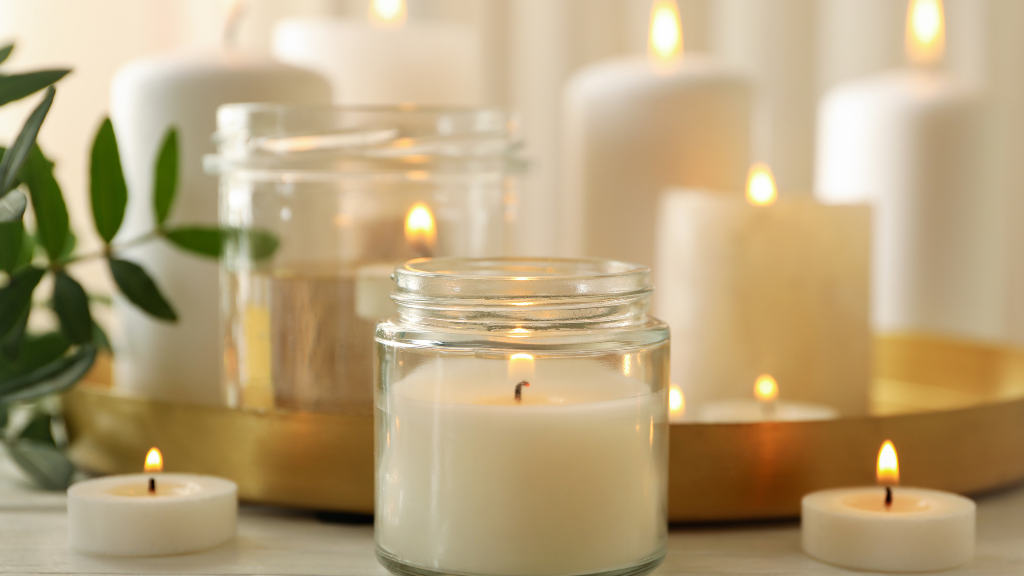
Before selling any candles, test them thoroughly. This means more than just checking if they smell good – you need to ensure they burn safely and consistently.
Burn Testing
Light your test candles and let them burn for several hours while you watch. Check that the flame stays a reasonable size and doesn't flicker excessively. The wax should melt evenly across the surface without creating deep tunnels.
Pay attention to how much smoke the candle produces. A small amount of smoke when first lit is normal, but excessive smoke throughout the burn indicates a problem with your wick size or fragrance oil blend.
Multiple Test Batches
Test several candles from each batch you make, not just one. This helps ensure consistency across all your products. Small variations in ingredients or room temperature during making can affect how candles burn.
Documentation
Keep notes on your testing results. Record what worked well and what didn't, along with the exact ingredients and amounts you used. This information helps you improve your products and ensures you can recreate successful batches.
Educating Customers on Safe Candle Use
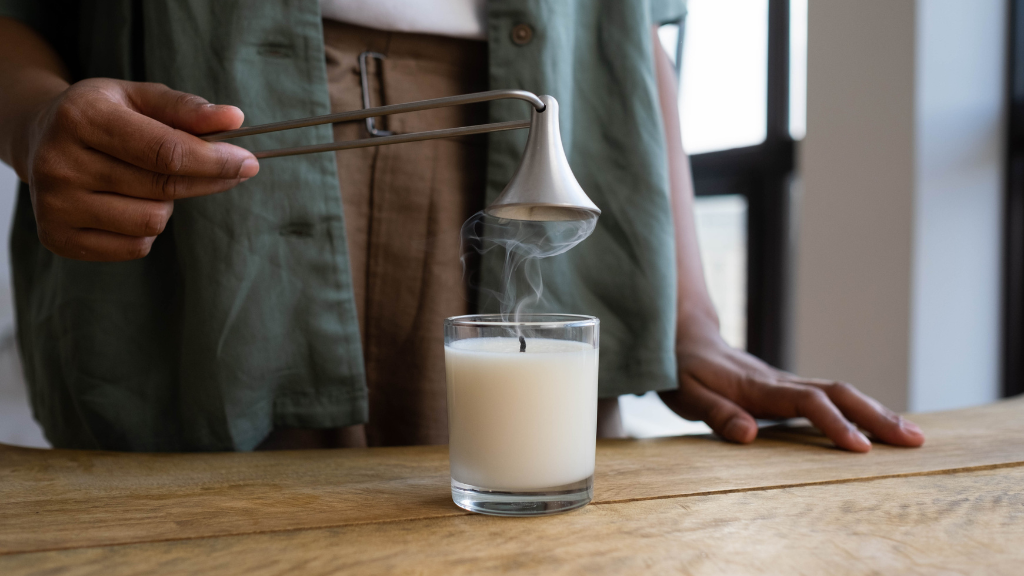
Part of selling safe candles involves teaching your customers how to use them properly. This protects them and reduces the chance of problems that could reflect poorly on your business.
Clear Instructions
Include simple, clear safety instructions with every candle. Basic guidelines include trimming wicks to 1/4 inch before each use, never burning candles for more than 4 hours at a time, and keeping candles away from drafts.
Proper Storage
Teach customers how to store candles properly. Heat and direct sunlight can soften wax and affect how candles burn. Cool, dry storage keeps candles in good condition until use.
When to Stop Burning
Customers should stop burning a candle when about 1/2 inch of wax remains in the container. Burning beyond this point can overheat the container and create safety hazards.
Health and Safety Disclaimer
The information provided in this guide is for educational purposes only and should not be considered as professional safety or legal advice. Candle making involves working with hot materials and potentially hazardous chemicals.
Always follow proper safety procedures, use appropriate protective equipment, and consult with relevant regulatory authorities or safety professionals when needed.
Individual results may vary, and it is your responsibility to ensure compliance with all applicable local, state, and federal regulations. Africa Imports is not liable for any injuries, damages, or regulatory issues that may result from candle making activities.
You Might Also Like:

6 MIN READ / GUIDE
How to Make Candles with Fragrance Oils: A Step-by-Step Guide
Learn the basics of working with fragrance oils to craft candles that smell amazing and burn beautifully — perfect for beginners and makers.

5 MIN READ / CANDLE TIPS
How to Improve Candle Hot Throw
Want a stronger scent when your candle burns? Here’s how to optimize fragrance load, wicks, wax type, and curing to boost hot throw performance.

6 MIN READ / PRODUCT QUALITY
What to Look for in High Quality Oils
Understand the key factors that define premium oils — from purity and sourcing to scent consistency and safety for candle and body use.