 USD
USD  GBP
GBP  CAD
CAD  AUD
AUD 
The Short Answer
Glass is the safer choice for pure essential oils and perfume oils, because oil compounds can break down many plastics over time. Plastic is a sound, lower cost choice for diluted products such as body oils, carrier oils, lotions, and butters, as long as it is PET or a treated PE or PP. Glass costs more to ship and it breaks. Plastic costs less and survives a drop.
This guide is for anyone rebottling oils to sell, or holding stock they need to keep in good shapeThis guide is for anyone rebottling oils to sell, planning a perfume oil business, or holding stock they need to keep in good shape.
What Happens When Oil Meets the Bottle
Glass is inert
Nothing passes between the bottle and the oil in either direction. That is the whole reason glass is the default for concentrated oils. The scent you bottled in January is the scent your customer opens in June.
Plastic is different
Concentrated essential oil and fragrance oil compounds can soften, cloud, or slowly break down many everyday plastics. When that happens the oil picks up what the plastic gives off, and the scent shifts. You may not notice it at first. Your customer will notice it three months later.
There is one part of this that catches sellers out more than any other: rubber dropper bulbs. Concentrated oil turns rubber gummy. The bulb stops working, and small pieces of it end up in the oil. Orifice reducers and roller balls do not have this problem. If you are packaging neat oils and want a dropper, check what the bulb is made from before you order a case of them.
Glass Bottles: What You Get and What It Costs You
What glass gives you:
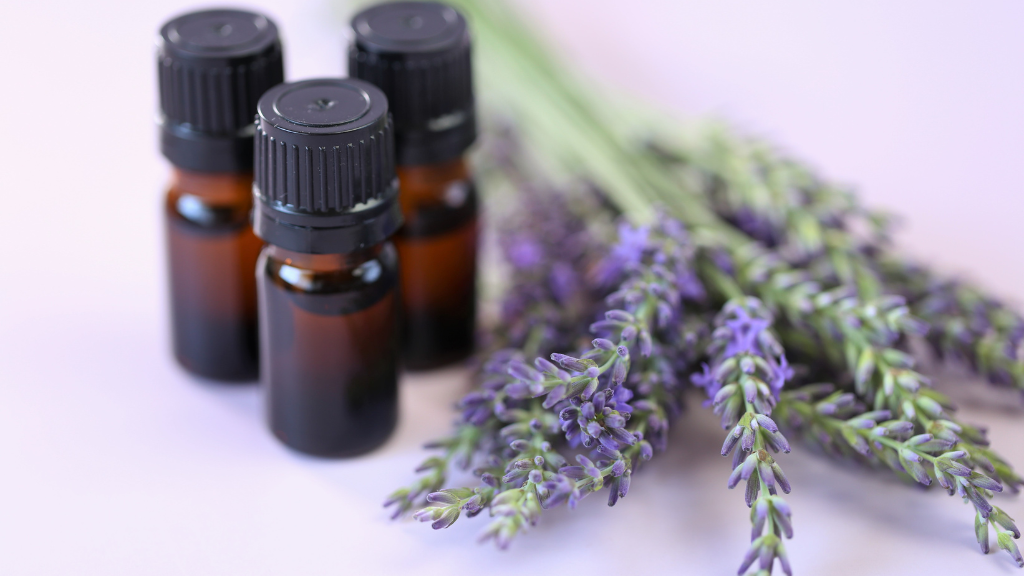
Nothing moves from the bottle into the oil, so the scent holds. Easy to wash and refill, so bottles can be reused between batches. Recyclable over and over without breaking down. It reads as a finished retail product on a shelf or a market table.
What it costs you:
Weight. Glass is heavier, so your shipping cost per unit goes up, both coming in and going out. Breakage. It breaks if you drop it, and it breaks in transit if it is packed badly.
That second point matters more than people expect if you sell at fairs and pop-ups. Packing and unpacking a table every weekend is rough on glass. Build a little breakage into your cost per unit if that is how you sell, and pack with dividers rather than loose in a crate.
Why amber and cobalt, not clear
UV light speeds up the breakdown of oil. Dark glass filters most of that light out. Clear glass does not filter any of it.
Clear glass is not harmful to the oil itself. It simply offers no protection from light. That distinction matters, because a lot of advice online treats clear glass as a mistake, and it is not. Clear glass is a sound choice when the product will sell quickly, when it sits in a closed box or a cabinet rather than a sunny window, and when showing the color of the oil helps the sale.
The working rule: dark glass for anything a customer will keep for months on an open shelf. Clear glass is fine for samples, roll-ons, and fast moving lines, as long as you store your own stock in the dark. Amber is the more common of the two dark options and usually costs less than cobalt.
Plastic Bottles: When They Are the Right Call
Plastic is not the compromise option. For a large share of what small business owners actually make and sell, it is the correct one.
Safe in plastic:
Body oils
Carrier oils
Lotions and creams
Shampoos and liquid soaps
Room and linen sprays
Cleaning blends
Anything where fragrance sits at a low percentage in a base
Not suited to plastic for long term storage:
Neat essential oils
Neat fragrance oils
Uncut perfume oils
Which plastics to look for:
PET is the common one for products containing oil, and treated PE and PP are also used. On most listings you will see BPA free as the label, which is what most buyers look for and ask about. If you are selling to customers who read labels, it is worth being able to answer that question.
The honest advantages of plastic:
Much lower shipping weight, no breakage, lower cost per bottle at the larger sizes, and closures that glass does not handle as well. Squeeze tops, flip caps, pumps, and atomizers all work better in plastic.
Before you commit to a case of anything, run a compatibility test. Fill one bottle with the product you actually sell, cap it, and leave it somewhere warm for four to six weeks. Then check it. Look for softening, clouding, warping at the shoulder, and any drift in the scent. Six weeks of waiting is cheaper than 400 bottles you cannot use.
Side by Side
Reacts with oil
Glass: no
Plastic: possible with neat oils, fine with diluted products
Blocks UV light
Glass: only if dark, clear glass does not
Plastic: no
Weight and shipping
Glass: heavier, costs more per unit
Plastic: light, costs less per unit
Survives a drop
Glass: no
Plastic: yes
Recyclable
Glass: yes, repeatedly
Plastic: yes, but fewer times
Cost per bottle
Glass: same as plastic at small sizes, higher at large sizes
Plastic: lower at 8 oz and above
Retail appearance
Glass: reads as a finished product
Plastic: reads as practical, better for larger formats
Best used for
Glass: neat oils, perfume oils, roll-ons, retail lines
Plastic: body oils, lotions, carriers, sprays, bulk
Matching the Bottle to the Product
Pure essential oil: dark glass, small size. Light and air are both working against you here.
Uncut fragrance or perfume oil: dark glass with a roll-on head or an orifice reducer. Skip rubber bulbs.
Roll-on perfume for resale: glass roll-on, 1/3 oz or 1 oz. The 1/3 oz size is the most common one for rebottling because it hits a price point customers say yes to without thinking.
Body oil: plastic or glass, both work. Choose on price and on how you want it to look.
Carrier oil in bulk: plastic, larger sizes. There is no reason to pay the extra shipping for 16 oz of sweet almond oil just because it’s glass.
Lotion, shampoo, liquid soap: plastic with a pump or flip cap.
Room and linen spray: plastic with an atomizer.
Butters and thick balms: jars rather than bottles. You cannot get butter out of a narrow neck.
Bottle Size Affects Shelf Life More Than People Expect
The air in the bottle is the problem, not the bottle itself.
Every bottle has empty space above the oil. That space is full of oxygen, and oxygen degrades oil. As you work through a large bottle, that air gap grows, and the oil that is left ages faster than the oil you used first.
The fix is simple. Buy in bulk, decant into small bottles straight away, and reseal the bulk container immediately. Only work from the small bottle you have open. A 16 oz bottle that gets opened twenty times ages far faster than a 16 oz bottle that gets opened once and split into sixteen 1 oz bottles.
This is also the commercial reason to stock more than one bottle size. One size never fits a whole product line.
Small Business Tip
Most sellers have never worked out what a bottle actually costs them per unit. It is a real line on your margin, and it is one of the easiest ones to cut.
Here is the math on our own stock. At the time of writing, 1 oz glass bottles are $11.90 for a set of 12, which works out at about $0.99 per bottle. The same bottle in a case of 144 is $99.90, or about $0.69 per bottle.
That is roughly 30 cents saved on every unit, about $43 across the case. Roll-ons follow the same pattern: 1/3 oz glass roll-ons run about $0.99 per bottle in a set of 12 and about $0.53 per bottle in a case of 864. Check the current prices before you order, since they move.
One thing worth doing the math on: cases of bottles carry a shipping charge that smaller sets do not, so work that into your per bottle figure before you decide the case is the better deal. On small volumes it sometimes is not.
Here is the detail most sellers miss. At the 1 oz size, glass and plastic are currently the same price on our site, $11.90 for a set of 12 either way. Where that holds, there is no cost argument for choosing plastic. Choose what you are bottling and how you want it to look instead.
A few more things that save money:
Keep bottle stock boxed, dry, and off concrete floors. Concrete pulls damp upward and it will find your labels.
Rinse and dry bottles before filling, even brand new stock. Dust from the box ends up in the product otherwise.
On labels: they sit flat and stay put on Boston round glass. Squeeze top plastic bottles flex when a customer uses them, so size your labels for that or they will lift at the edges after a few weeks.
Order bottles at the same time as oil. Sitting on oil you cannot package is money doing nothing, and it is a mistake almost every seller makes once.
FAQs
Can essential oils be stored in plastic bottles
Not for long term storage. Neat essential oils can break down many plastics, which damages the container and changes the oil. Diluted products are different. Body oils, lotions, and anything where fragrance sits at a low percentage in a base store well in PET or treated PE and PP plastic.
Why are essential oils sold in dark glass bottles
UV light speeds up the breakdown of oil. Amber and cobalt glass filter most of that light out, which slows the process down. Glass is also inert, so nothing passes between the bottle and the oil. The two properties together are why dark glass became the standard.
Is glass or plastic better for storing oil long term
Glass, for concentrated oils. It does not react with the contents and it does not degrade. For diluted products stored under a year, food grade plastic performs well and costs less to ship. Match the material to what is actually in the bottle rather than picking one for everything.
Can you put fragrance oil in a plastic bottle
Uncut fragrance and perfume oil should go in glass. Once that oil is blended into a base at a low percentage, as in a body oil or a lotion, plastic is fine. The concentration is what matters, not the fact that it is a fragrance or perfume oil.
What kind of plastic is safe for oils
PET is the one most commonly used for products containing oil. Treated PE and PP are also used. Most listings label these as BPA free. If you are unsure about a specific plastic and a specific product, fill one bottle and leave it somewhere warm for six weeks before ordering in volume.
Do clear glass bottles ruin essential oils
No. Clear glass does not harm the oil. It just does not block UV light the way amber or cobalt does. Clear glass works well for fast moving stock, samples, and roll-ons, especially if you keep your own inventory boxed and out of direct light.
What size bottle is best for storing essential oils
The smallest one that holds what you need. Empty space in a bottle is full of oxygen, and oxygen ages oil. Buying bulk and decanting into small bottles gives you the bulk price with less air exposure on the oil you are actively selling.
Can you reuse oil bottles
Glass, yes. Wash with warm soapy water, rinse well, and let it dry all the way through before refilling. An alcohol wipe removes leftover residue when you are switching scents. Plastic is harder to clean fully between different oils, and scent tends to linger, so it is better suited to refilling with the same product.
Health and Safety Disclaimer
The information in this article is for educational purposes only. Products sold by Africa Imports are not licensed for medical use and have not been scientifically proven to treat, cure, or prevent any condition. These statements have not been evaluated by the Food and Drug Administration (FDA). Always dilute oils properly before applying to skin, run a patch test first, and speak with a qualified healthcare professional before using any oil for a health related purpose.
Get Your Bottles and Your Oils in One Order
Every order you place with Africa Imports helps fund charitable work across Africa. A large part of our profits go directly into schools for orphaned children, medical care, and adult skills training. That is not a side note to the business. It is the reason it exists.
The practical part matters too. Buying your bottles and your oils from the same supplier means one shipment, one shipping cost, and stock that arrives together, so you are never holding oil you cannot package. Shop our oil bottling supplies and stock up on both at once.