 USD
USD  GBP
GBP  CAD
CAD  AUD
AUD 
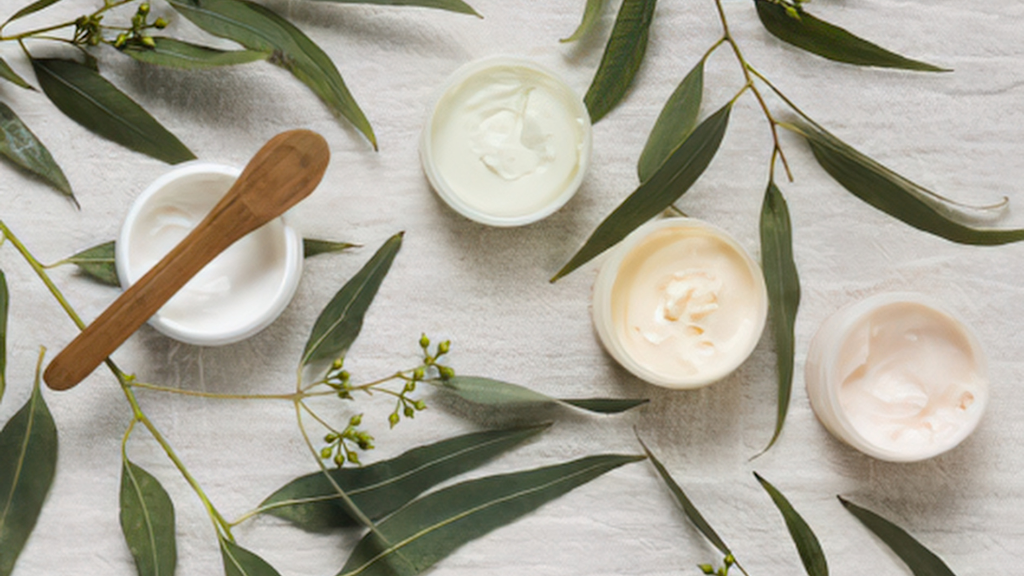
Fragrance oils, African black soap, shea butter, and natural body care products are some of the easiest categories to start selling. Customers already want them, they come back for more, and the margin from wholesale to retail is strong. What most new sellers need is a clear plan for getting started and a few proven methods for building momentum. That is what this guide covers.
What Products Should You Start With?
A common mistake new sellers make is trying to stock everything at once. You end up with twenty categories, shallow inventory in each, and no clear reason for a customer to pick one product over another. It is smarter to start with a clear focus. Four to six products, stocked well, tells a stronger story and keeps your cash flow healthy while you learn what sells in your market.
When you are deciding what to carry, a few things matter more than others. Does the customer already recognize this type of product? Can you demo it or offer a sample? Will people reorder? Is the margin worth the effort? Is it practical to store and transport? If a product scores well on those points, it belongs in your starting lineup.
Fragrance and Essential Oils
Fragrance oils and essential oils are one of the best entry points in this category. Unit cost is low, they are simple to display, and they rank highly for repeat purchases. A small fragrance oil can retail for a few dollars with strong margin, which makes it ideal for market stalls, pop-ups, and online sellers starting out with a modest budget. They also travel well, store easily, and lend themselves to sampling, which drives in-person sales.
African Black Soap
African black soap has a loyal following among natural skincare buyers and strong community trust, especially with African American consumers. It has a clear story to tell customers, which makes it easier to sell face-to-face. It also pairs well with butters and oils, so it fits naturally into a small starter range.
Shea Butter, Body Butters, and Carrier Oils
Shea butter, body butters, and carrier oils work two ways. Some customers buy them as-is for everyday skincare. Others buy them as raw materials for their own DIY soaps, lotions, and hair products. Stocking a few carrier oils alongside your fragrance range gives DIY customers a reason to order more in one visit.
Health Products
Bitters, herbal teas, and sea moss have a dedicated customer base, but they need more education upfront. People ask what they are, how to use them, and what they may help with. Soursop bitters benefits come up more than any other question in this category. If you are happy to take the time to teach, these products have strong repeat purchase rates once a customer tries them and sees the results for themselves.
How to Package African Oils and Beauty Products for Sale
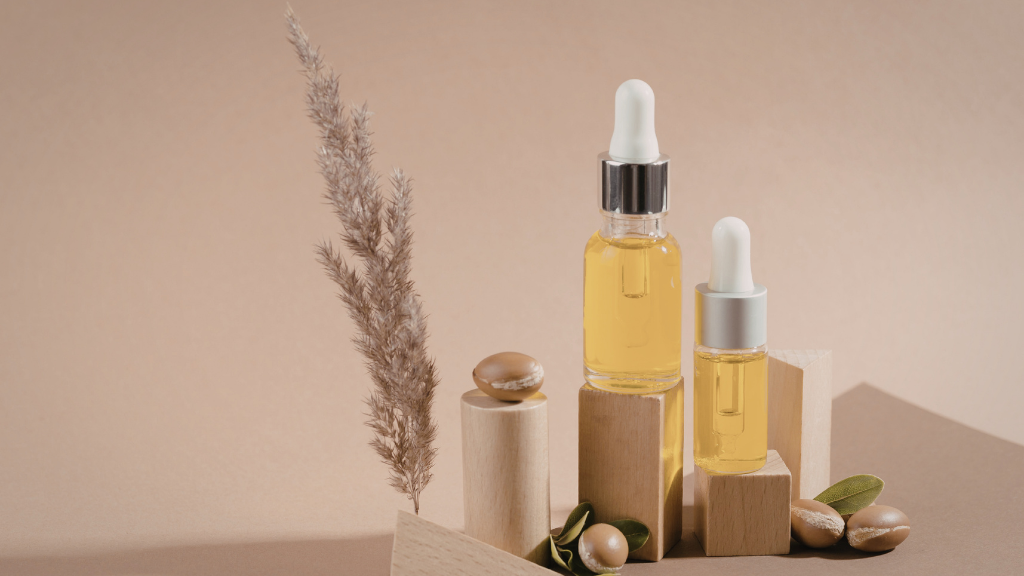
Presentation matters as much as the product itself for first-time buyers. Someone who has never tried a fragrance oil before is making a judgment based on how the bottle looks, how the label reads, and how professional the whole thing feels in their hand. Good packaging is not about being fancy. It is about looking like a real business that customers can trust.
Packaging Options for Oils
Roll-on bottles are clean, easy to apply, and well suited to personal fragrance oils. Customers like them because they can try a product on their wrist at a market and take it home the same way.
Dropper bottles are commonly used for essential oils and carrier oils. They give the customer control over how much they use, which is important for essential oils in particular.
Amber glass bottles protect contents from light and give your products a natural, apothecary-style feel. They are a good choice if you want your shelf presence to lean more toward natural skincare than mass-market retail.
Sample vials are small, cheap, and one of the best selling tools you have at in-person events. Do not skip them.
Labeling Requirements
Products sold to consumers in the US need to be labeled correctly. For cosmetics, that means the product name, the ingredient list (using INCI names), the net weight or volume, and your business contact information. This is not a gray area. The FDA sets the rules for cosmetic labeling, and any seller carrying products to the public needs to follow them. You can read the current guidance at fda.gov/cosmetics.
Africa Imports can provide product documentation to help you build accurate labels for the products you resell. If you are unsure about a specific requirement, check with the FDA or a local small business advisor before your first sale.
Packaging for Soaps and Body Products
For soaps and body products, clean and minimal works best. Brown kraft labels give a natural product feel without looking cluttered. Shrink bands add a finished look and help with hygiene and tamper resistance. Whatever you choose, keep it consistent across your whole product line. A cohesive look across your shelf, even at a small market stall, tells the customer you are serious about your business. That alone lifts how much someone is willing to pay.
Where to Sell: Choosing the Right Channels
There are three main ways small business owners in this category reach customers: in person, online, and through other businesses. Most growing sellers end up using all three, but it helps to start with one and get good at it before you add the next.
In-Person Sales: Markets, Fairs, and Pop-Ups
In-person selling is often the best starting point. You get immediate feedback from real customers. You do not have to manage shipping. And face-to-face trust builds fast, which is especially important for scented products that people want to smell before they buy.
A few things that work well:
Burn an oil in your display or use a diffuser. When a customer walks past and asks what that smell is, you have a natural opening to talk to them.
Have sample vials ready. Letting customers smell and try a product is the single most effective way to make a sale in this category. Have them clearly labeled and ready to hand over.
Keep your display tidy and at eye level where possible. A simple tiered riser makes a much bigger difference than most new sellers expect.
Offer a simple bundle deal. "Buy two, get one free" or "spend $25 and pick a free sample" will lift your average order size and give customers a reason to try something new.
Know your top five products. Be able to explain what each one is and who it is for in two short sentences. Nothing kills a sale faster than a long, uncertain pitch.
Selling Online: Platforms and Your Own Store
Etsy - this has a built-in audience for handmade and natural products. It is a good fit for body butters, soaps, and natural skincare, and you can start selling there without much technical setup.
Shopify - as an ecommerce CMS, this platform gives you more control and is a better long-term home for building a brand. The trade-off is that you have to bring your own traffic, which takes time and consistency on social media, email, or paid ads.
Facebook Marketplace and local Facebook groups - these are often overlooked, but they work well for building a local customer base fast. You avoid shipping costs, you meet customers in your area, and many sellers find their first repeat buyers this way.
Africa Imports also offers a dropshipping option, which means we handle storage and shipping while you focus on marketing and the customer relationship. This can be useful if you do not want to hold inventory upfront. Check the current dropshipping terms before you build your store around this model, as details can change.
Selling to Other Businesses: Spas, Salons, and Boutiques
Getting one wholesale account can bring in more revenue than a dozen individual customers, and those accounts tend to order consistently once they trust you.
Spas and massage therapists buy carrier oils, essential oils, and body butters in volume for treatments and retail shelves. Salons are a good fit for hair oils and scalp treatments. Boutiques that already carry natural or African-inspired products are a natural home for soaps, butters, and fragrance oils.
If you want to approach a spa or boutique, bring samples, a simple one-page product list with wholesale pricing, and a clear answer on minimum order quantities. Make it easy for them to say yes.
How to Use Social Media to Sell African Health and Beauty Products
Social media is where most small sellers find new customers today, but it only works if you treat it like part of the business rather than an afterthought. You do not need to be on every platform. You need to be consistent on one or two.
Which Platforms to Focus On
Instagram and TikTok are the strongest platforms for beauty products. They are visual, they reach buyers who are actively interested in skincare and wellness, and short videos perform well for demonstrations and reviews.
Facebook is useful for local selling, community groups, and reaching an older customer base that may not be as active on TikTok.
Pinterest is a slower build, but it drives long-term organic traffic for skincare tips, DIY content, and how-to posts. If you enjoy writing short guides or making visual boards, it can pay off over time.
Pick one or two and commit. Trying to maintain five platforms at once usually leads to none of them performing well.
What to Post
Scent is the one thing a camera cannot capture, so the job of social content is to help someone imagine the experience. Use descriptive language: warm, grounding, cool, fresh, clean, sweet. Tell people who the scent reminds you of or the mood it suits.
A strong mix of posts for a small business in this category looks like this:
Clean product shots with well-lit, simple backgrounds Behind-the-scenes content of your setup, packing, or market display Customer reactions and real reviews Short videos showing what a product is and how to use it How-to reels: how to apply a perfume oil, how to use African black soap, how to layer body butter
Consistency beats volume. Posting three times a week for six months will do more for your business than posting daily for two weeks and going quiet.
User-Generated Content and Reviews
Ask happy customers to tag you when they post about your products. Share what they post. This builds social proof without forcing you to create every piece of content yourself, and it tells new customers that real people are buying from you.
Staying Compliant on Social Media
FDA rules on cosmetic claims apply to your social posts too, not just your labels. Do not claim that a product cures, treats, or heals anything. Use cautious language like "some people find," "traditionally used for," or "may help with." If you want a rule of thumb: if the claim sounds like something a doctor would say, it probably does not belong in your caption.
Pricing Your Products for Profit
Pricing is where a lot of new sellers undercharge themselves out of business. The goal is not the lowest price on the table. The goal is a margin that makes the business worth running.
Start with your real cost per unit. That includes the wholesale price, any packaging and labeling costs, and any shipping you absorb. Once you know that number, price to a margin that covers your time and your overhead, not just your cost.
A 2x markup, sometimes called keystone pricing, is a common starting point for resale. At pop-up markets and craft fairs, 2.5x to 3x is often achievable for oils and soaps because customers are paying for the experience and the in-person trust as well as the product.
Oils are especially strong on margin. A fragrance oil that sells at wholesale for under a dollar can retail at three or four dollars with room for promotions and bundles. The challenge with oils is volume, which is why display, sampling, and repeat customers matter so much.
Bundle pricing is one of the most reliable mechanics in this category. A set of three oils at a small discount off three individual bottles lifts average order value and gives the customer a sense of added value without cutting deep into your margin.
Never price based on what you guess a customer will pay. Price based on what your business needs to be profitable, then communicate the value clearly so the customer understands what they are getting.
The Qualities of a Good Seller in This Market
We have worked with small business owners in this category for 25 years. The sellers who grow, year after year, tend to share a handful of habits. None of them are complicated. All of them are learnable.
Product knowledge is the foundation. Customers ask real questions. A seller who knows what an oil smells like, what it is used for, and how to use it safely will close more sales than one who has to read the label every time. Before you sell a product, use it yourself. Learn what it does and who it suits.
Listening beats pitching. The best sellers ask the customer what they already like. "Do you like something warm and musky, or something fresh and clean?" will get you further than a five-minute walk-through of your whole range. Match a product to what the customer is telling you, and the sale tends to make itself.
Confidence without pressure. Customers at markets and pop-ups are browsing. They do not want to be chased. A warm, confident approach that lets people explore while you stay available will outperform aggressive selling every time. Oils in particular are easy add-on sales because people often pick them up on impulse. Make them visible and accessible, and let the product do some of the work.
Follow-up builds repeat business. A loyalty card, a mailing list signup, or a simple social media follow keeps you in a customer's world after the first sale. Oils have one of the strongest repeat purchase rates in this category, so the lifetime value of a customer is almost always higher than the first transaction.
Resilience and consistency. Slow days happen. Not every market performs. The sellers who grow are the ones who keep showing up, keep refining what they stock, and keep learning from what their customers tell them.
A Note on Labeling, Compliance, and Health Claims
Products you sell to the public in the US are regulated as cosmetics by the FDA if they are intended to affect how the body looks or to cleanse it. That includes oils, soaps, lotions, and body butters.
Cosmetics must be labeled correctly. That means a full ingredient list in INCI names, the product name, the net weight or volume, and your business contact details on the packaging.
If you claim a product treats, cures, or prevents a condition like acne, eczema, or inflammation, it may be regulated as a drug rather than a cosmetic, which is a very different level of approval. Stick to cosmetic claims like "moisturizes skin," "conditions hair," or "leaves skin feeling soft." Keep away from drug-style claims like "heals eczema" or "cures acne."
This rule applies to your social posts and marketing, not just the label itself. For accurate and current guidance, go straight to the FDA website at fda.gov/cosmetics. Regulations can change, and this article is not a substitute for checking the current rules before you sell.
Africa Imports can provide product documentation to support accurate labeling for the products you resell. If a specific compliance question comes up, check with the FDA or a local small business advisor.
Frequently Asked Questions
Can you make money selling essential oils?
Yes, fragrance and essential oils are one of the best product categories for repeat business and solid margins. Unit costs are low, which means you can start selling at markets or online without a large initial investment. The key is finding the right display format, having samples available, and building a loyal customer base over time. Many sellers who start with oils at local markets go on to build full product lines around them.
How do you sell African products online?
The most straightforward starting points are Etsy for handmade and natural products, Shopify for building your own store, and Facebook Marketplace or local groups for reaching your immediate community. Each platform suits a different stage of business. Etsy works well early on because it has built-in traffic. A dedicated website gives you more control as you grow. Across all platforms, product photos and clear descriptions do most of the selling.
Do you need a license to sell fragrance oils or beauty products?
In most US states, you do not need a specific license to sell cosmetics, but you do need to comply with FDA cosmetic regulations, including correct labeling. If you sell at a market stall, you may need a vendor permit from your local authority. If you run a registered business, you will need a business license in your state. It is worth checking your local requirements before your first sale. This is not legal advice. Speak to a local business advisor or your state's small business resources for guidance specific to your situation.
How should I package oils for selling?
Roll-on bottles work well for personal fragrance oils and are easy for customers to try in person. Dropper bottles suit essential oils and carrier oils. Amber glass bottles add a natural aesthetic and offer some light protection. Whatever format you choose, your label should clearly name the product, list ingredients, state the volume, and include your contact details. Having a few sample vials on hand at markets lets customers smell before they buy, which is one of the most effective ways to make a sale.
What social media platform works best for selling African beauty products?
Instagram and TikTok are the strongest platforms for beauty products because they are visually driven and reach audiences who are actively interested in skincare, haircare, and wellness. Facebook is useful for local selling and community engagement. Start with one platform and build consistency before adding more. Short videos showing how to use a product, what it smells like, or the results it gives tend to perform better than static product images alone.
Health and Safety Disclaimer
The information in this article is for general business and product education only. Products supplied by Africa Imports are not licensed for medical use and have not been scientifically proven to have medicinal benefits. Nothing in this guide is medical, legal, or financial advice. For cosmetic labeling and compliance, always check current FDA guidance. For business licensing and tax questions, consult a qualified advisor in your state.