 USD
USD  GBP
GBP  CAD
CAD  AUD
AUD 
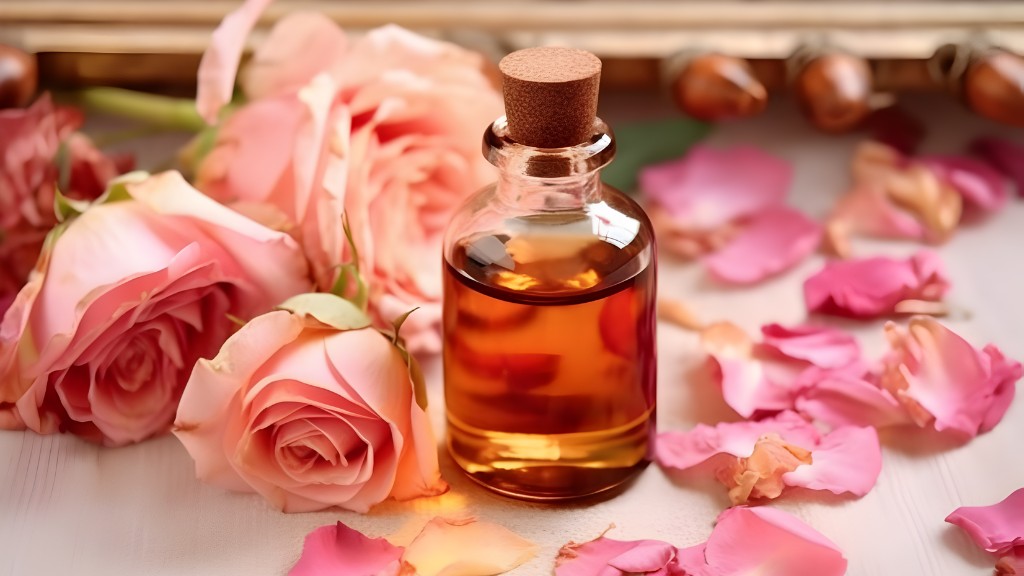
Body oils already smell good. So why not wear them as perfume?
If you've ever applied a scented body oil and thought, "I wish I could spray this," you're not alone. Many people love their body oils but want a lighter application or a spray format they can share, gift, or sell.
The good news: you can definitely turn body oil into perfume. This guide walks you through two methods: using body oil as a roll-on perfume and converting it into a spray. Whether you're making perfume for yourself or building a product line for your business, this article covers everything you need to know.
Understanding What Body Oil Is (And Why It Makes Great Perfume)
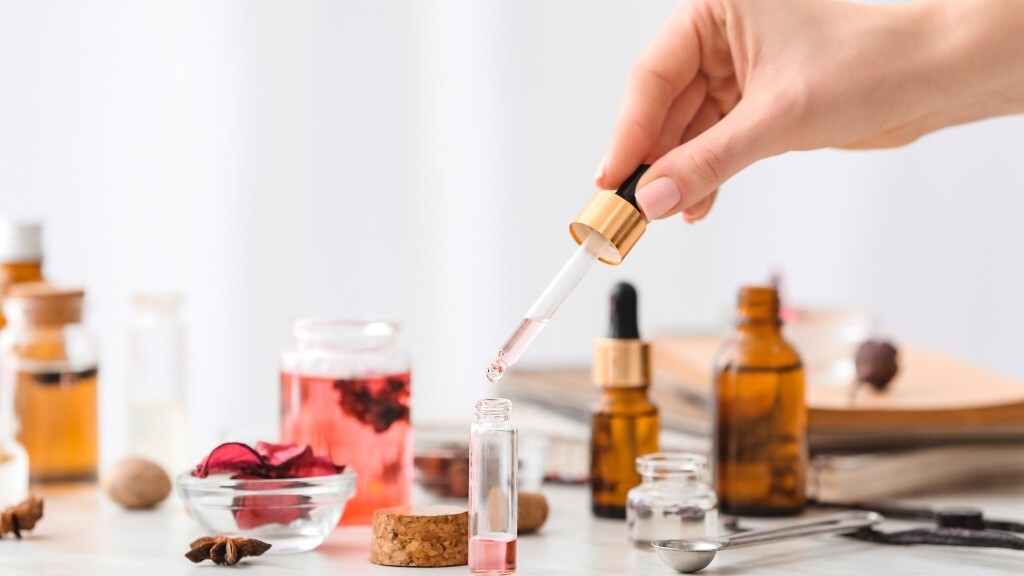
Body oil is a finished product. It's already been blended with carrier oils and fragrance, designed to moisturize your skin while leaving behind a pleasant scent.
That's what makes body oil different from fragrance oil or essential oil. Fragrance oils are concentrated and need dilution before use. Body oils are ready to apply straight from the bottle.
Because body oils already contain fragrance, they can work as perfume right away. Many people use body oils as their daily scent, applying them to pulse points just like traditional perfume.
But you might want to convert your body oil to a different format. Maybe you prefer a spray over an oily feel. Maybe you want a more concentrated scent. Or maybe you're a small business owner looking to create perfume products from wholesale body oils.
Africa Imports offers a wide selection of body oils with rich, lasting fragrances. These imported body oils come in scents you won't find at department stores, giving you something different to wear or sell.
This guide covers both approaches: using body oil as perfume in its original form and converting it to a spray format.
The Benefits of Making Perfume From Body Oils
Why use body oil as perfume instead of buying a traditional fragrance? Here are the reasons people make the switch:
Cost Savings - Body oils cost far less than designer perfumes. A bottle of body oil that lasts months might cost what you'd pay for a small spray perfume at the mall.
Already Blended - Body oils come ready to use. You don't need to learn about top notes, heart notes, and base notes. The fragrance work is already done.
Moisturizing Properties - Traditional alcohol-based perfumes can dry out your skin. Body oils nourish while they scent. Your pulse points stay soft, not parched.
Longer-lasting scent. Oil-based fragrances stick to skin longer than alcohol sprays. The alcohol in traditional perfume evaporates quickly, taking some of the scent with it. Oils absorb into your skin and release fragrance slowly throughout the day.
Authentic fragrances. African body oils offer scent profiles you won't find in mainstream perfume. Cultural fragrances, traditional blends, and imported ingredients create something different.
Business opportunity. If you're a small business owner, body oils let you create perfume products without the overhead of fragrance blending. Buy wholesale body oils, repackage them, and sell them at a markup.
Customization. You control the strength and format. Dilute if the scent is too strong. Choose roll-on or spray. Mix scents if you want something new.
Easy for beginners. You don't need chemistry knowledge or fragrance training. Body oils are beginner-friendly because the hard work is already done.
Two Ways to Use Body Oil as Perfume
You have two main options when turning body oil into perfume:
Method 1: Use body oil as roll-on perfume. This is the simplest approach. You transfer body oil into roll-on bottles and apply it to pulse points. The body oil stays in its original oil-based form.
Method 2: Convert body oil to spray perfume. This involves mixing body oil with alcohol to create a sprayable product. The result is lighter and less oily, but the conversion process requires more steps and testing.
The method you choose depends on your body oil, your preferences, and how you plan to use the finished product.
Method 1: Using Body Oil as Roll-On Perfume
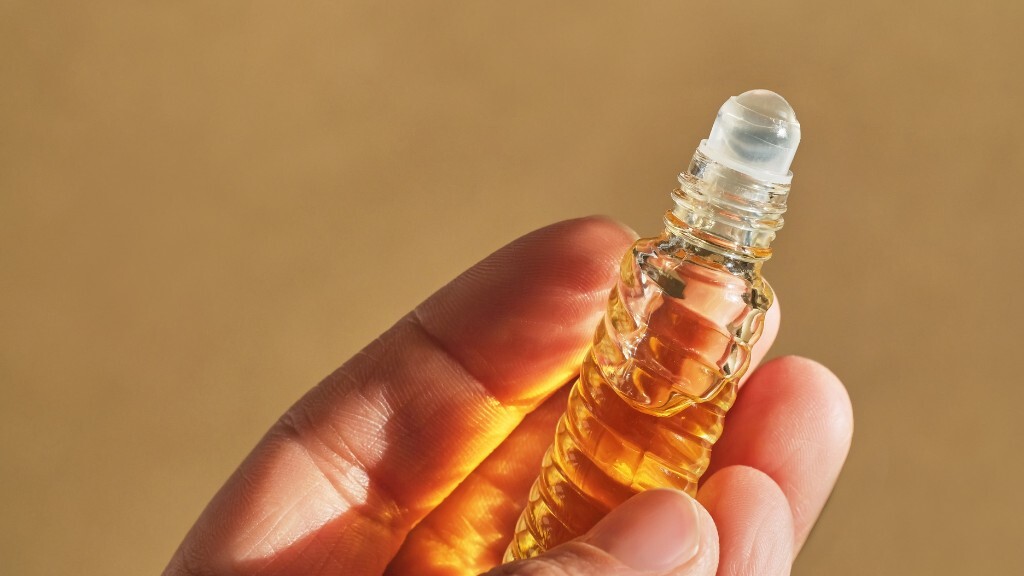
This is the fastest way to turn body oil into wearable perfume. You're not changing the product, just repackaging it for easier application.
What You'll Need
- Your chosen body oil (Africa Imports carries a wide selection of African body oils and imported body oils)
- Small roll-on bottles (3ml, 5ml, or 10ml sizes work well)
- Pipettes or a small funnel
- Dark glass bottles for storage
- Optional: unscented carrier oil if you need to dilute
Why Body Oil Works as Perfume
Body oil is already designed to go on skin. It contains fragrance blended with moisturizing carriers like jojoba, fractionated coconut, or sweet almond oil.
When you apply body oil to pulse points, your body heat activates the fragrance. The oil absorbs into your skin and releases scent gradually. This is exactly how roll-on perfume works.
The difference between body oil and traditional perfume is the base. Perfume uses alcohol, which evaporates and projects scent into the air. Body oil stays on your skin, creating a scent bubble close to your body.
How to Use Body Oil as Roll-On Perfume
Step 1: Choose Your Body Oil
Start with a body oil that has a fragrance you love. You'll be wearing this scent all day, so pick something that makes you happy.
African body oils often have scent profiles you won't find elsewhere. Imported body oils bring fragrances from different traditions and cultures. If you're selling perfume, these stand-out scents can set your products apart.
Check the ingredients if you can. Body oils with lighter carriers like jojoba or fractionated coconut oil absorb quickly and feel less greasy. Heavier oils like unrefined coconut or those with shea butter take longer to absorb.
Step 2: Test the Strength
Before filling your roll-on bottles, test how the body oil wears.
Apply a small amount to your wrist. Wait 30 minutes and check the scent strength.
If it's too strong, you can dilute the body oil with unscented carrier oil. A 50/50 ratio cuts the strength in half. A 70/30 ratio (70% body oil, 30% carrier) gives a lighter reduction.
If the scent is too weak, use the body oil as-is. You can always layer applications throughout the day.
Step 3: Fill Roll-On Bottles
Use a funnel or pipette to transfer body oil into your roll-on bottles. Work slowly to avoid spills.
Leave a small air gap at the top of the bottle. This gives the roller ball room to move.
Press the roller ball firmly into place. Give the bottle a test roll to make sure it dispenses smoothly.
Step 4: Application Tips
Apply roll-on body oil perfume to your pulse points:
- Wrists (inner side)
- Neck (sides and back)
- Behind ears
- Inner elbows
- Behind knees
These areas generate heat, which helps release the fragrance.
Less is more with oil-based perfume. Start with one roll on each wrist and neck. You can always add more if you want a stronger scent.
Reapply as needed throughout the day. Most body oil perfumes last 4-6 hours before needing a refresh.
Method 2: Converting Body Oil Into Spray Perfume
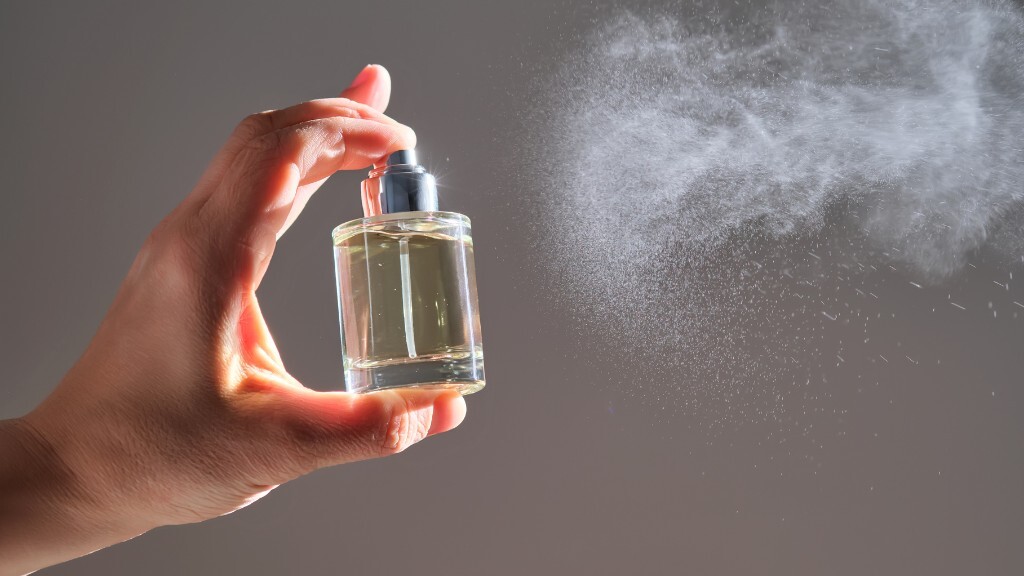
If you want a spray format, you'll need to mix your body oil with alcohol. This creates a lighter product that mists onto skin without leaving an oily feel.
This method takes more work and testing. Not every body oil converts well to spray, so you'll need to experiment.
What You Need to Know Before Converting
Here's the truth: not all body oils work as spray perfume.
Body oils contain carrier oils that may not mix well with alcohol. When you combine oil and alcohol, they can separate, turn cloudy, or create clumps that clog your spray nozzle.
Body oils with lighter carriers tend to convert better. Look for body oils made with fractionated coconut oil or jojoba oil. These mix more smoothly with alcohol.
Body oils with heavier carriers often struggle. Unrefined coconut oil, shea butter blends, and thick carrier oils will likely separate from alcohol, no matter how much you shake them.
The fragrance concentration also changes when you add alcohol. Body oils are already diluted (the fragrance is mixed with carrier oil). When you add more liquid (alcohol), the scent gets weaker. You may need to use a higher percentage of body oil than you'd use with concentrated fragrance oil.
Always test small batches first. Don't mix a large bottle until you know the body oil converts well.
Materials for Spray Conversion
- Your body oil (start with African body oils or imported body oils that have lighter carriers)
- Perfumer's alcohol or Everclear 190 proof (not rubbing alcohol)
- Fine mist spray bottles (glass is better than plastic)
- Pipettes for measuring
- Small mixing containers for testing
- Funnel
- Labels for tracking your formulas
How to Convert Body Oil to Spray Perfume
Step 1: Test Your Body Oil's Compatibility
Before making a full batch, run a compatibility test.
In a small container, mix 1ml of body oil with 3ml of alcohol. Shake well.
Let the mixture sit for one hour. Then check:
- Does it separate into layers?
- Is it cloudy or clear?
- Are there clumps or floating bits?
If the mixture separates significantly or looks chunky, that body oil isn't suitable for spray conversion. The carrier oil is too heavy for alcohol. Use it as roll-on perfume instead.
If the mixture stays mostly combined (a slight haze is okay), you can proceed with conversion.
Step 2: Determine Your Dilution Ratio
With concentrated fragrance oils, perfumers typically use 15-30% fragrance to 70-85% alcohol.
Body oils are different. They already contain diluted fragrance (fragrance mixed with carrier oil). To get adequate scent strength, you'll likely need a higher percentage of body oil.
Start with these guidelines:
- For stronger scent: 30-40% body oil to 60-70% alcohol
- For medium scent: 25-30% body oil to 70-75% alcohol
- For lighter spray: 15-20% body oil to 80-85% alcohol
These are starting points. You'll adjust based on your specific body oil and how the test batches smell.
Step 3: Mix Your Spray Perfume
Make a small test batch first. A 10ml batch is enough to test without wasting materials.
Pour the alcohol into your spray bottle first. Then add body oil slowly, shaking gently as you go.
Let the mixture sit for 10 minutes. Check for separation.
If it separates, try reducing the body oil percentage. If it stays combined but the scent is weak, try increasing the body oil percentage.
Step 4: Let It Mature and Test
Don't judge your spray perfume immediately after mixing. It needs time to mature.
Maceration is the process of letting oils and alcohol blend together over time. The scent profile changes as the ingredients marry.
Store your test batch in a cool, dark place for 1-2 weeks. Shake it gently every few days.
After maturing, test your spray:
- First, spray on paper and smell. How does the scent come through?
- Then, spray on skin. How does it wear? How long does it last?
Adjust your formula based on testing. Keep notes so you can recreate successful batches.
What Can Go Wrong (And How to Fix It)
Converting body oil to spray perfume doesn't always go smoothly. Here are common problems and solutions:
Problem: The mixture separates or looks cloudy. The body oil's carrier is too heavy for alcohol. Try reducing the body oil percentage to 15-20%. If it still separates, that body oil won't work as a spray. Use it for roll-on instead.
Problem: The scent smells different than expected. Body oil can oxidize when exposed to air and light, which changes the fragrance. Use fresh body oil and store your spray in dark glass bottles away from sunlight.
Problem: The spray nozzle keeps clogging. The body oil percentage is too high, leaving oily residue in the nozzle. Reduce the body oil percentage or switch to a spray bottle with a coarser pump designed for thicker liquids.
Problem: The scent is too weak. Body oil is already diluted, so adding alcohol weakens it further. Increase the body oil percentage in your next batch. Or, if the body oil just isn't strong enough, consider adding a small amount of concentrated fragrance oil to boost the scent.
Problem: The scent doesn't last on skin. Alcohol-based sprays evaporate faster than oil-based perfume. That's the trade-off for a lighter feel. If longevity is important, increase the body oil percentage or stick with roll-on format.
Choosing Between Roll-On and Spray Format
Both formats have advantages. Your choice depends on what you want from your perfume.
Choose roll-on if you:
- Want to keep the moisturizing benefits of body oil
- Prefer longer-lasting scent
- Like a simpler process with no risk of separation
- Have dry skin that benefits from oil application
- Want a stronger, closer-to-skin scent
Choose spray if you:
- Prefer a lighter feel without oily residue
- Want even, misted application
- Have oily skin that doesn't need more moisture
- Plan to sell to customers who expect spray perfume
- Like scent projection (fragrance that others can smell)
You can offer both. If you're selling perfume products, consider making the same body oil fragrance in both roll-on and spray formats. Let customers choose their preferred application method.
Small Business Tips: Selling Perfume Made From Body Oils

Turning body oil into perfume isn't just a hobby. It's a real business opportunity. Here's how to do it right.
Sourcing Wholesale Body Oils
Your profit margin depends on your product cost. Buying body oils at retail prices cuts into your earnings.
Africa Imports offers imported body oils at wholesale prices. Buying in bulk brings your per-unit cost down, which means more profit when you sell.
African body oils give you a selling point that competitors don't have. You're not offering the same scents everyone else sells. You're bringing something different to the market.
When choosing body oils to resell, consider:
- Scent appeal (will your target customers like this fragrance?)
- Carrier oil type (lighter carriers work for both roll-on and spray)
- Price point (does the wholesale cost allow good markup?)
- Availability (can you restock when you sell out?)
Packaging and Branding Your Perfume
Professional packaging makes the difference between a product that looks homemade and one that looks retail-ready.
For roll-on perfume:
- 3ml bottles work for samples and testers
- 5ml and 10ml bottles are good for regular sales
- Use dark glass (amber or cobalt blue) to protect the oil from UV light
For spray perfume:
- 15ml and 30ml bottles suit purse-size products
- 50ml bottles work for full-size offerings
- Glass bottles look more professional than plastic
Labeling requirements:
- List all ingredients (check your body oil's ingredient list)
- Include net volume (ml or fl oz)
- Add your business name and contact information
- Include any required warnings
Pricing Your Products
Calculate your true costs before setting prices:
- Body oil cost (per ml or per bottle)
- Packaging cost (bottles, caps, labels)
- Alcohol cost (for spray versions)
- Your time (be realistic about labor)
A common approach is to multiply your total costs by 3 to 4. This covers overhead, gives you profit, and leaves room for wholesale pricing if you sell to retailers.
Position your products based on their benefits. "Body oil perfume" or "moisturizing perfume" highlights the skin-nourishing properties that set your products apart from alcohol-based fragrances.
Where to Sell
Body oil perfume appeals to customers who want something different from mainstream fragrance. Look for selling venues that attract these buyers:
- Farmers markets and craft fairs
- Online shops (Etsy, your own website, social media)
- Local boutiques that carry natural products
- Spa and wellness shops
- Hair salons and beauty supply stores
- Pop-up events in your community
When marketing, emphasize what makes body oil perfume special: moisturizing properties, longer-lasting scent, and fragrances you can't find at the mall.
Safety and Compliance
Selling cosmetic products comes with responsibilities:
Ingredient disclosure. List every ingredient from the original body oil. Don't just write "fragrance" if the body oil label lists specific components.
No medical claims. Don't say your perfume treats skin conditions, reduces stress, or provides health benefits. Stick to cosmetic claims (smells good, moisturizes skin).
Labeling requirements. Follow FDA cosmetic labeling guidelines for products sold in the United States.
Liability protection. Consider product liability insurance if you're selling commercially. It protects you if a customer has a reaction.
Patch test recommendations. Encourage customers to test products on a small skin area first, especially if they have sensitive skin or allergies.
Top Tip: Test several body oils before committing to a product line. Some convert better to spray than others. Some work beautifully as roll-on. Knowing which formats work best for each oil helps you create better products.
Storage, Shelf Life, and Keeping Body Oil Perfume Fresh
Body oils can go bad. Unlike alcohol-based perfumes that last for years, oil-based products have a shorter shelf life.
What affects shelf life:
- Light exposure (UV degrades oils)
- Heat (speeds up oxidation)
- Air exposure (oxygen causes rancidity)
- Carrier oil type (some carriers last longer than others)
Storage tips:
- Keep body oil perfume in dark glass bottles (amber, cobalt, or dark green)
- Store away from direct sunlight and heat sources
- Keep lids tightly closed when not in use
- Consider refrigeration for long-term storage
Expected shelf life:
- Body oil as roll-on perfume: 6-12 months
- Body oil converted to spray: 12-24 months (alcohol acts as a preservative)
Signs your body oil perfume has gone bad:
- Rancid or "off" smell (different from the original fragrance)
- Color change (darkening or yellowing)
- Separation that won't remix
- Unusual texture
If you're making perfume for personal use, buy smaller quantities of body oil so you use it before it expires. If you're selling, track your batches and rotate stock so older products sell first.
Frequently Asked Questions
Can body oil work as perfume?
Yes. Body oil already contains fragrance blended with carrier oils. You can apply it directly to pulse points just like traditional perfume. The main difference is texture. Body oil feels moisturizing and slightly oily, while alcohol-based perfume feels light and evaporates quickly. Many people prefer body oil because the scent lasts longer on skin.
How do you turn body oil into a spray?
Mix body oil with perfumer's alcohol or high-proof grain alcohol (like Everclear 190). Start with a ratio of 25-30% body oil to 70-75% alcohol. Shake well, let the mixture sit for 1-2 weeks to mature, then test. Not all body oils convert well to spray. Body oils with heavy carriers may separate from alcohol. Always test small batches first.
Can I turn any body oil into perfume?
You can use any body oil as roll-on perfume since you're just applying it to skin. For spray conversion, lighter body oils (made with jojoba or fractionated coconut oil) work better. Heavy body oils with unrefined coconut oil or shea butter often won't mix properly with alcohol and will separate.
Can I use rubbing alcohol to make spray perfume from body oil?
No. Rubbing alcohol (isopropyl alcohol) has a strong medicinal smell that interferes with fragrance. It can also be harsh on skin. Use perfumer's alcohol or high-proof ethanol like Everclear 190 instead. These have neutral scents and are safe for skin application.
Which body oils work best for making perfume?
Body oils with lighter carrier oils convert most successfully to both roll-on and spray formats. Look for body oils made with jojoba oil, fractionated coconut oil, or sweet almond oil. African body oils and imported body oils often have rich fragrance profiles that work well for perfume. Test different options to find what works for your purposes.
What is the 30 50 20 rule for perfume?
The 30 50 20 rule is a guideline for blending fragrance oils when creating perfume from scratch: 30% base notes, 50% middle (heart) notes, and 20% top notes. This rule applies to mixing individual fragrance oils, not to converting body oil into perfume. Since body oil already contains a complete fragrance blend, you don't need to follow this rule when making body oil perfume.
Ready to Start Making Your Own Perfume?
Body oils give you a shortcut to creating perfume without the complexity of fragrance blending. Whether you keep them as roll-ons or convert them to sprays, you get moisturizing, long-lasting scents at a fraction of department store prices.
If you're building a product line for your business, body oils offer an affordable way to create perfume products with stand-out fragrances. Buy wholesale, repackage with your branding, and offer something your competitors don't have.
Shop perfume body oils at Africa Imports to find your next signature scent or your next best-selling product.
Health and Safety Disclaimer
The information in this article is for educational purposes only and is not intended as medical or professional advice. Always perform a patch test before applying any new product to your skin. If you experience irritation, redness, or discomfort, discontinue use immediately.
Body oils and homemade perfumes are not regulated by the FDA for safety or effectiveness. If you plan to sell perfume products, research cosmetic labeling requirements and consider consulting with a regulatory specialist. Individual results with fragrance longevity, skin reactions, and product performance may vary based on body chemistry, climate, and product formulation.
Africa Imports is not responsible for any adverse reactions or outcomes from using the methods described in this article.