 USD
USD  GBP
GBP  CAD
CAD  AUD
AUD 
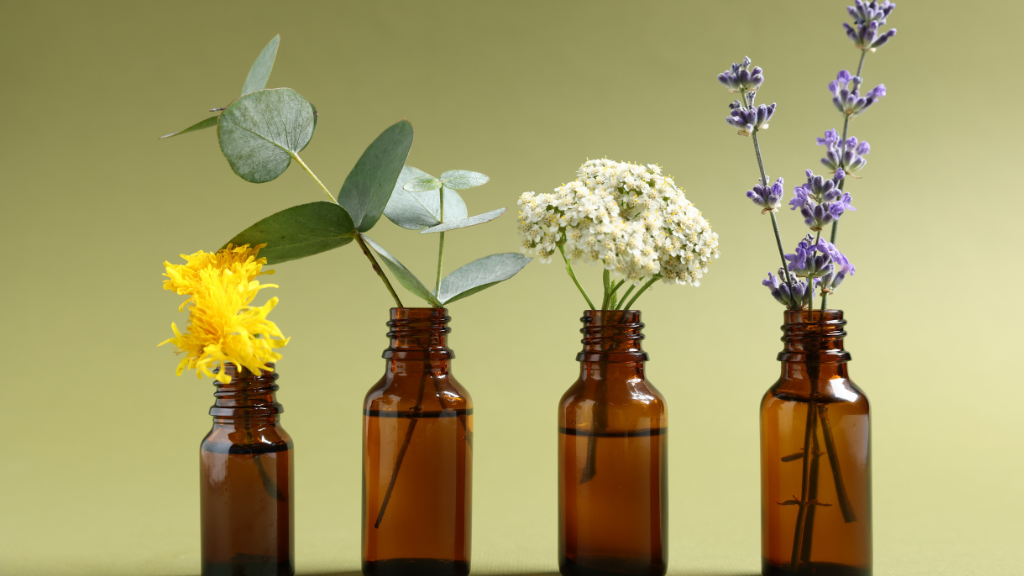
If you're putting together your first essential oil line, adding oils to your spa menu, or building out a product range to sell at markets or online, knowing which ones to start with makes a real difference. There are hundreds of essential oils out there, but a handful of them come up again and again in wholesale orders, product formulations, and aromatherapy practice. These are the ones your customers will recognise, ask for by name, and come back to buy again.
This guide covers the 10 most popular types of essential oils, what they smell like, how they're commonly used, and how to put them to work in your business.
What Are Essential Oils?
Essential oils are highly concentrated plant extracts. Depending on the plant, they're drawn from leaves, flowers, roots, rinds, or bark. It takes a large volume of plant material to produce a small amount of oil, which is why quality can vary so much from one supplier to the next.
It's worth knowing the difference between essential oils and fragrance oils before you start formulating or selling. Essential oils are plant-derived. Fragrance oils are synthetic or blended scents made in a lab. For aromatherapy, essential oils are the right choice. For candle making or home fragrance products, fragrance oils often give you a stronger, more consistent scent throw.
Because essential oils are so concentrated, a little goes a long way. They should always be diluted before use on skin, and the method of use matters, too.
How Essential Oils Work
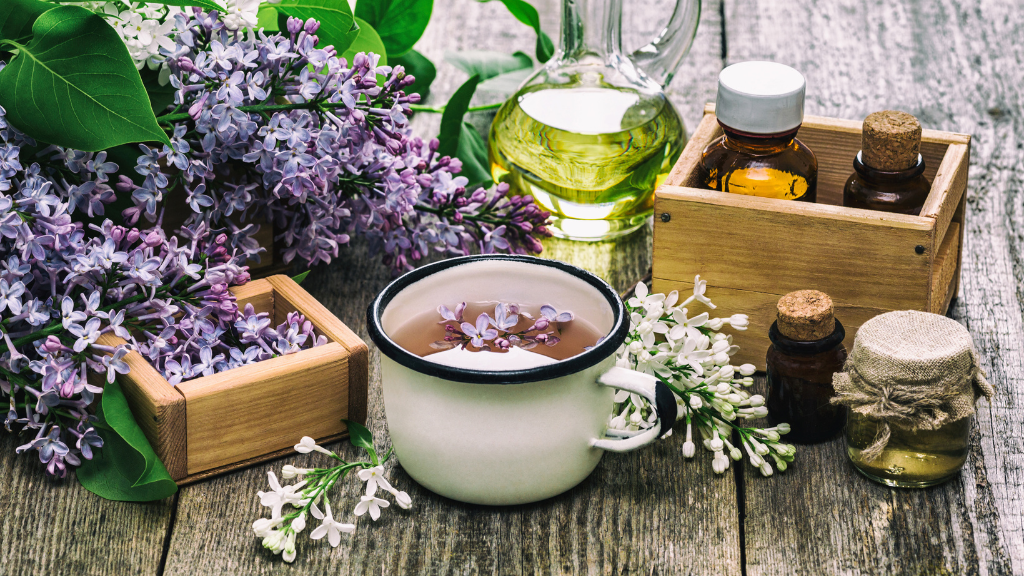
When you inhale an essential oil, the scent molecules interact with your olfactory system and trigger a response in the brain's limbic system, which is the area linked to memory and emotion. This is why they're widely used in aromatherapy, where scent is used to support mood, relaxation, and focus.
When applied to the skin with a carrier oil, some of the compounds in essential oils may also be absorbed. Research on this is ongoing, but it's part of why they're used in massage therapy, skincare, and balms. Language matters here: most reported benefits reflect traditional use and general research, not clinical proof. Always use cautious language with your own customers: "may help," "research suggests," "traditionally used for."
The Top 10 Essential Oils: A Beginner's List
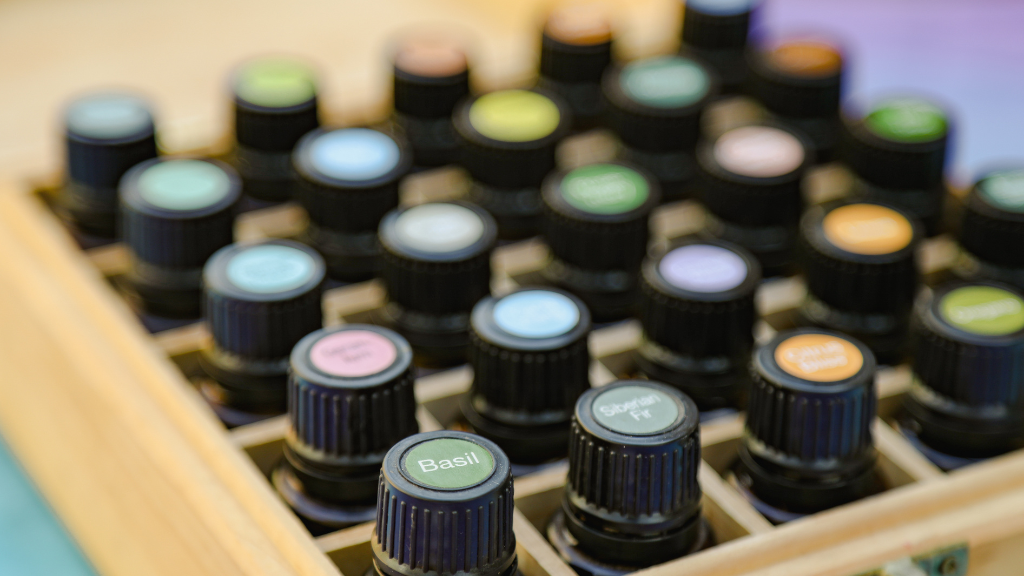
Here are 10 of the most popular types of essential oils, what they smell like, and how people use them in products and practice.
1. Lavender Oil
Scent: Floral, soft, slightly herbal. One of the most widely recognised scents in aromatherapy.
Lavender is commonly used for relaxation and stress relief, and it's one of the most researched essential oils in the aromatherapy space. It's also used in skincare for its reported soothing effect on irritated skin. Generally considered one of the gentler oils, though it should still be diluted with a carrier oil before applying to skin.
One important note: some studies suggest lavender may act as a hormone disruptor in young boys, so this is worth flagging in any product descriptions or usage guidance you share with customers.
Business tip: Lavender is one of the top sellers for soap makers, candle makers, and therapists making massage blends. It pairs well with chamomile and bergamot, and the high customer recognition makes it one of the easiest oils to sell at pop-up markets and online.
2. Peppermint Oil
Scent: Sharp, cool, minty.
Peppermint is commonly used in aromatherapy for focus and energy. It's also a popular addition to haircare products for its cooling effect on the scalp, and it may help ease headaches when applied (well diluted) to the temples. It's also widely used in muscle rubs and balms.
Safety note: Must be diluted before skin application. Not recommended for use around young children or infants, and should never come into contact with the eyes.
Business tip: A strong seller for DIY haircare lines, lip balms, and cooling foot creams. Also very popular in holiday candle collections because of its seasonal association.
3. Tea Tree Oil
Scent: Medicinal, camphorous, slightly sharp.
Tea tree is one of the best-researched essential oils when it comes to antibacterial and antifungal properties. It's commonly used in facial cleansers, acne spot treatments, foot care products, and natural cleaning formulas.
Safety note: Should not be ingested. It can be neurotoxic if diffused around small children or pets, so this is important information to include in any product guidance you share. Generally needs to be diluted before skin application, though a small amount may be applied directly to a blemish using a cotton swab.
Business tip: A staple for natural skincare lines and any product positioned as clean or antibacterial. Consistently popular in handmade soap.
4. Eucalyptus Oil
Scent: Fresh, woody, slightly medicinal with a camphor-like quality.
Eucalyptus is most commonly used in steam inhalation for respiratory comfort, and in muscle balms and chest rubs, which makes it one of the best essential oils for winter wellness ranges. Research supports its antimicrobial and anti-inflammatory properties. It's a go-to during cold and flu season.
Safety note: Must be diluted before skin use. Should not be ingested. Can be harmful to children and pets, so label clearly if selling products containing this oil.
Business tip: Sells well in winter wellness ranges. A good fit for bath salts, shower steamers, and massage oil blends aimed at the spa market.
5. Lemon Oil
Scent: Fresh, citrusy, bright.
Lemon oil is used in aromatherapy for mood support and energy. Research suggests it may help reduce nausea. It's also popular in natural cleaning products and some skincare formulations.
Safety note: Lemon oil is phototoxic when applied to skin. Customers should avoid sun exposure after topical use, and this should appear clearly on any product labels. Shelf life is also shorter than most essential oils (often under a year), which is worth factoring into your formulation and storage planning.
Business tip: Popular for cleaning product lines, citrus-scented candles, and mood-boosting roller blends. Pairs well with peppermint and frankincense.
6. Frankincense Oil
Scent: Woody, earthy, slightly sweet and resinous.
Frankincense has been used in spiritual and meditation practices across many cultures for thousands of years, including across Africa and the Middle East, where the Boswellia tree is native. In modern formulations, it's commonly used in skincare for its reported anti-aging and skin-soothing properties. Research also suggests it may have anti-inflammatory effects.
Safety note: Dilute before skin use. Generally well tolerated.
Business tip: A strong seller for spa-focused product lines, meditation candles, and anti-aging skincare. Frankincense tends to command a higher retail price, which gives you good margin when buying at wholesale.
7. Rosemary Oil
Scent: Herbal, piney, slightly medicinal.
Rosemary oil is one of the most-searched ingredients in natural haircare right now. Some research suggests it may support hair growth. It's also used in aromatherapy for mental focus and clarity.
Safety note: Not recommended during pregnancy or for people with epilepsy or high blood pressure. Dilute before skin application.
Business tip: A strong addition to wholesale haircare lines, scalp serums, or rosemary-infused hair oils. If you're building a haircare range, this is one to prioritise. See our full guide to using rosemary oil for hair growth and scalp health.
8. Bergamot Oil
Scent: Citrusy, floral, slightly spicy. It's the defining scent of Earl Grey tea, which makes it instantly recognisable.
Bergamot is used in aromatherapy for stress and mood support, and research backs its effect on reducing anxiety. It's also widely used in skincare and perfumery.
Safety note: Phototoxic. Customers should avoid sun exposure after topical application unless the product uses a furocoumarin-free (FCF) version of the oil. Worth noting on labels.
Business tip: A favourite in perfumery and natural deodorant formulations. Pairs well with lavender and vetiver and works well in spa products and room sprays.
9. Ylang Ylang Oil
Scent: Rich, floral, sweet, slightly fruity. It can be very strong at higher concentrations.
Ylang ylang is used in aromatherapy for relaxation and mood support. It's also commonly used in perfumery and skincare, and has traditional use in haircare across Southeast Asia.
Safety note: Dilute before skin use. This is a strong oil and should be used sparingly. Too much can cause headaches. Recommend a patch test for customers with sensitive skin.
Business tip: A popular addition to floral perfume blends, hair oils, and romance-focused product lines. It has a dedicated customer base, and when it lands, it lands well.
10. Lemongrass Oil
Scent: Fresh, grassy, citrusy with a slight earthiness.
Lemongrass is used in aromatherapy for stress and anxiety relief, and research supports its antibacterial and antifungal properties. It's commonly used in natural insect repellent products and massage oils.
Safety note: Dilute well before skin use as it can cause irritation in high concentrations. Avoid use around pets.
Business tip: A strong option for outdoor and summer product lines. Sells well in bug-repellent sprays, massage oils, and diffuser blends. Pairs well with citrus oils and cedarwood.
How to Use Essential Oils Safely
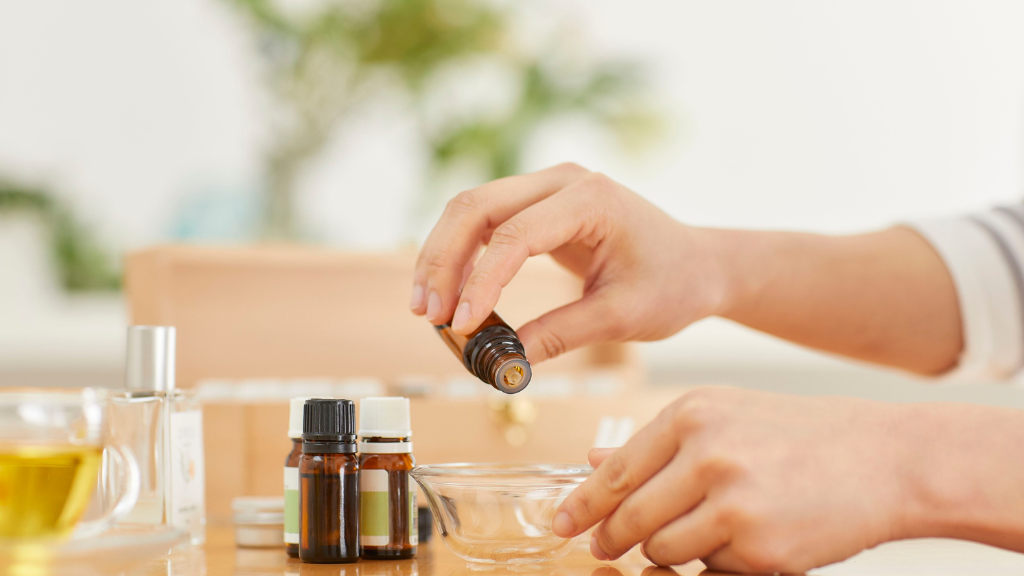
There are three main ways to use essential oils: diffusion, topical application, and inhalation.
Diffusion involves adding a few drops to a diffuser with water. It disperses the scent into the air and is the most common method in aromatherapy. Inhalation can also be done directly from the bottle, from a cotton ball, or by leaning over a bowl of hot water with the oil added (steam inhalation).
For topical application, essential oils must almost always be diluted in a carrier oil before going on the skin. A general starting point for adults is a 1 to 2% dilution, which works out to roughly 2 drops of essential oil per teaspoon of carrier oil. Always recommend a patch test first, especially for customers with sensitive skin.
A few important rules to share with your customers:
Citrus oils (lemon, bergamot, lemongrass) can make skin more sensitive to sunlight. Use caution with topical application before sun exposure.
Never recommend oral use of essential oils. Even a small amount can cause harm.
Essential oil safety varies by oil, by person, and by application. People who are pregnant, nursing, or managing a health condition should speak with a healthcare professional before using essential oils. Some oils are not safe around young children or pets. Always check before diffusing.
If you're selling products that contain essential oils, clear labelling is part of responsible practice and builds trust with your customers.
Essential Oils for Small Businesses: Where to Start
If you're just getting started, you don't need to stock every oil on this list. The most experienced product makers will tell you: start focused, then expand.
Lavender, peppermint, tea tree, and frankincense are consistently among the strongest sellers at pop-up markets and online shops. Between those four, you can cover relaxation, focus, skincare, and wellness products. Add lemon and eucalyptus and you've got a solid range for cleaning products and winter wellness lines too.
Buying a focused set of 4 to 6 oils wholesale is smarter than buying everything at once. It keeps your costs manageable, lets you test what your customers actually respond to, and means you're not sitting on stock that's approaching its shelf life.
When it comes to pricing, buying wholesale is what makes resale margins work. If you're paying retail prices and trying to resell, the math doesn't add up. Wholesale pricing through Africa Imports gives you the room to price your products competitively while still running a profitable line.
Africa Imports supplies essential oils in bulk, business-ready for resale, repackaging, or use in your own formulations. Shop our essential oils category to see the full range and get wholesale pricing.
Health Disclaimer
The information in this article is for educational purposes only and is not intended as medical advice. The uses and benefits described reflect traditional use and general research, not clinical recommendations. Always dilute essential oils before skin application and consult a healthcare professional before using essential oils to address a health condition.
Frequently Asked Questions
What are the most popular types of essential oils?
The most searched and widely used essential oils are lavender, peppermint, tea tree, eucalyptus, lemon, frankincense, rosemary, bergamot, ylang ylang, and lemongrass. Each has a distinct scent profile and a different range of reported uses in aromatherapy, skincare, and haircare. These are the oils most small business owners start with because customer recognition is already there.
What is the difference between essential oils and fragrance oils?
Essential oils are plant-derived, extracted directly from flowers, leaves, roots, rinds, or bark. Fragrance oils are synthetic or semi-synthetic blends designed to replicate or create scents. For aromatherapy, essential oils are the go-to. For candle making or home fragrance, fragrance oils often give a stronger, more consistent scent throw. Our guide to essential oils vs fragrance oils breaks down which to use and when. Link "essential oils vs fragrance oils" to the Africa Imports article on this topic.
Do essential oils need to be diluted?
Yes, in almost all cases. Essential oils are highly concentrated and can cause skin irritation, sensitisation, or burns if applied directly. The standard starting point for adults is a 1 to 2% dilution in a carrier oil, which is roughly 2 drops of essential oil per teaspoon of carrier oil. A few oils (like tea tree applied to a blemish with a cotton swab) may be the exception, but dilution should be the default for anything going on skin.
What are the top 20 essential oils?
The 10 oils in this guide are a strong starting point. Beyond those, commonly used oils include chamomile, clary sage, cedarwood, geranium, grapefruit, clove, jasmine, neroli, patchouli, sandalwood, vetiver, and orange. Each has its own scent profile and uses across aromatherapy, skincare, and fragrance.
What are the 7 essential oils everyone should have?
If you're building a starter kit, these 7 cover the widest range of uses: lavender, peppermint, tea tree, eucalyptus, lemon, frankincense, and rosemary. Between them, they cover relaxation, focus, antibacterial applications, respiratory comfort, mood support, and haircare.