 USD
USD  GBP
GBP  CAD
CAD  AUD
AUD 

Making perfume isn't just about mixing oils and hoping for the best. If you want to sell fragrances that people love and buy again, you need a process you can repeat. That means planning, testing, documenting, and refining until you've got something worth putting your name on.
This guide walks you through the six stages of creating perfumes for your business, from the first idea to the finished product. We're not talking about industrial manufacturing here. This is for small business owners who want to make quality fragrances without a lab or a chemistry degree.
The Complete Perfume Business Process Flow Overview
From Concept to Customer: The Six-Stage Journey
Here's how the perfume making process works:
- Concept Development – Figure out what you're making and who it's for
- Ingredient Sourcing – Get the right fragrance oils and set up your workspace
- Fragrance Blending – Mix your oils following a structured approach
- Dilution and Maceration – Dilute properly and let time do its work
- Testing and Refinement – Test on skin, gather feedback, fix problems
- Production and Launch – Scale your recipe and prepare to sell
Each stage builds on the last. Skip steps or rush through them, and you'll end up with inconsistent products or unhappy customers. Take your time, and you'll build something that works.
Timeline Expectations for Each Stage
How long does this take? Depends on your experience and how much testing you do. Here's a realistic timeline:
- Concept Development: 1-2 weeks
- Ingredient Sourcing: 1-2 weeks (including delivery time)
- Fragrance Blending: 2-4 weeks (multiple attempts)
- Dilution and Maceration: 2-6 weeks (aging time)
- Testing and Refinement: 2-4 weeks
- Production Prep: 1-2 weeks
Total: 2-4 months from idea to first sale. That might sound like a long time, but good fragrances can't be rushed. Plan for it.
Stage 1: Concept Development and Fragrance Planning
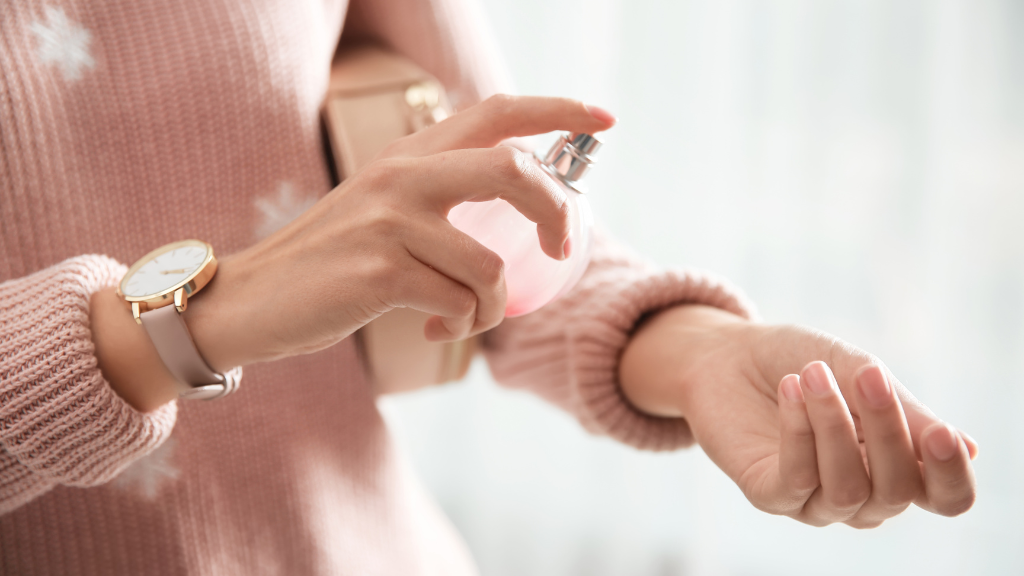
Defining Your Target Scent Profile
Before you touch a single bottle, answer this: Who is this perfume for, and what do they want?
Are you making something fresh and clean for daily wear? A warm, cozy scent for cold weather? A bold statement fragrance for special occasions? Your customer's needs shape everything else.
Look at what's selling in your market. Check out local boutiques, online stores, and customer reviews. What do people say they want more of? What complaints come up about existing products? That's your starting point.
Creating Your Fragrance Blueprint
Now sketch out your fragrance structure. You need:
- Top notes (the first smell, lasts 15-30 minutes)
- Middle notes (the heart, lasts 2-4 hours)
- Base notes (the foundation, lasts 6+ hours)
Write down which note families you'll use. For example: citrus top, floral middle, woody base. Decide how strong each layer should be and how long you want the scent to last on skin.
This blueprint keeps you focused when you're blending. Without it, you're just guessing.
How Suppliers Support Your Concept Phase
Good fragrance oil suppliers help here. They can tell you which oils work well together, what's popular right now, and which scents fit your target customer.
At Africa Imports, we talk to perfume makers every day. We know which oils sell fast and which ones customers struggle with. Ask questions before you buy. It saves time and money.
Stage 2: Ingredient Sourcing and Preparation
Building Your Working Ingredient Library
Start with 15-25 oils that cover different note categories. You don't need 100 bottles to make good perfumes. You need the right ones.
Order small quantities first if you're testing. Once you know what works, buy in bulk to save money. Make sure you have:
- 3-5 top note oils (citrus, herbs, light florals)
- 5-8 middle note oils (florals, spices, fruits)
- 4-6 base note oils (woods, musks, resins, vanilla)
- Alcohol base or carrier oils for dilution
Quality Control and Consistency Checks
When your oils arrive, test them. Smell each one. Check that they match what you ordered. If something smells off or different from your last batch, contact your supplier before you use it.
Keep records of which batch you used in each blend. If customers love a scent, you need to know exactly what went into it. If there's a problem, you need to track down the source.
Setting Up Your Blending Workspace
You don't need a fancy lab, but you do need:
- Clean, organized workspace away from food
- Small glass bottles for testing (5-10ml)
- Pipettes or droppers for measuring
- Labels and a notebook for documentation
- Good ventilation
- Storage away from heat and light
Set up once, and keep it organized. When you're testing multiple blends, things get messy fast. Stay on top of it.
Stage 3: The Fragrance Blending Process
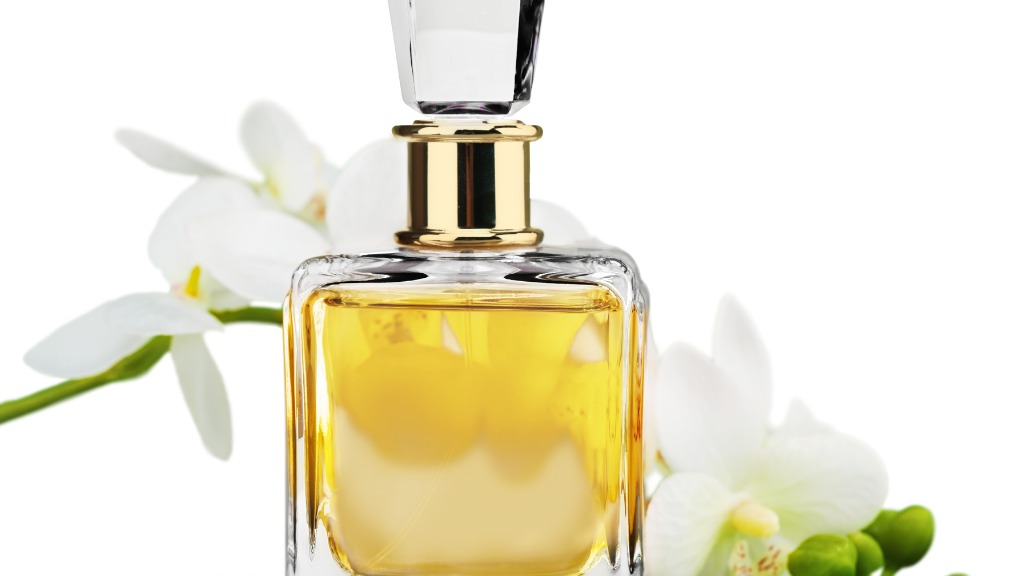
Starting with Base Note Foundation
Always start with base notes. They're the foundation everything else sits on. Add 3-5 drops of your chosen base oils to a small test bottle. Smell it. Does it work? Is it too heavy or too light?
Base notes should be strong enough to last but not so overpowering that they kill everything else. Common ratios: base notes make up 10-25% of your fragrance blend before dilution.
Adding Middle Notes for Character
Middle notes are where your perfume gets its personality. Add 5-10 drops of your middle note oils. Shake gently. Smell again.
Here's where balance gets tricky. Middle notes need to blend with your base without fighting it. If something smells wrong, it probably is. Trust your nose, but also give it time. Fragrances change as they sit.
This is where most beginners struggle. Notes that smell good alone can clash when mixed. Test small combinations first. Write down what works.
Top Note Selection for Market Appeal
Top notes are what customers smell first. They're your hook. Add 3-7 drops of your top note oils to finish the blend.
Top notes fade fast, so don't overdo them. They should be bright and inviting but not overwhelming. The goal is to pull people in so they keep smelling and notice your middle and base notes.
Shake the bottle well. Let it sit for 10 minutes. Smell again. This is your raw blend before dilution.
Stage 4: Dilution and Maceration Methods
Cold Process vs Oil-Based Perfumes: Choosing Your Method
You've got two main options:
Alcohol-based perfumes use perfumer's alcohol (ethanol). They're what most people think of as "perfume." They spray easily, dry down quickly, and let the fragrance develop over time. Standard for selling.
Oil-based perfumes use carrier oils like jojoba or fractionated coconut oil. They're roll-ons or dab-ons. They last longer on skin but don't project as much. Good for customers with sensitive skin or those who want something subtle.
Pick based on your target customer. Most small businesses start with alcohol-based products because that's what people expect.
Proper Dilution Techniques for Consistency
Standard dilution for perfume: 15-20% fragrance oil, 80-85% alcohol base. For eau de parfum, go 10-15%. For lighter eau de toilette, 5-10%.
Measure carefully. Use a scale if you're making larger batches. Consistency matters when customers come back wanting the same scent.
Add your fragrance blend to the alcohol. Shake well. You've got a first-draft perfume.
Maceration: Why Time Improves Your Product
Don't sell it yet. Let it sit.
Maceration is letting your diluted perfume age in a dark place for 2-6 weeks. The alcohol and oils blend together, sharp edges smooth out, and the scent develops depth.
Test it weekly. Smell how it changes. Most fragrances improve dramatically after 3-4 weeks. Some need longer. This is patience paying off in quality.
Stage 5: Testing and Refinement
Fragrance Trialing: Systematic Testing Approach
After maceration, test on skin. Put a small amount on your wrist. Track how it smells at:
- 5 minutes (initial impression)
- 30 minutes (top notes fading)
- 2 hours (middle notes showing)
- 4-6 hours (base notes dominant)
- End of day (longevity check)
Have other people test it too. What smells good to you might not work for everyone. Skin chemistry changes fragrances. You need multiple opinions.
Common Issues and How to Fix Them
Problem: Notes smell unbalanced or one dominates everything
Fix: Adjust the ratio. If base notes are too heavy, add more middle or top. If it fades too fast, strengthen your base.
Problem: Weak projection - people can't smell it unless they're right next to you
Fix: Increase overall fragrance concentration or choose stronger oils.
Problem: Poor longevity - scent disappears in an hour
Fix: Add more base note fixatives like sandalwood, vanilla, or cedarwood.
Make one change at a time. Test again. Document everything.
Documentation and Recipe Finalization
Write down your final recipe with exact measurements, and if you want to reproduce it at any batch size, learn the difference between a recipe and a formula so you can convert it into percentages. This is your formula. Lock it in.
- Each oil used and how much
- Dilution ratio
- Maceration time
- Any notes about the process
This is your formula. Lock it in. When you scale up for production, this is what you'll follow.
Stage 6: Production and Launch Preparation
Scaling Your Formula for Production
Ready to make more than test batches? Scale carefully.
If your test was 10ml and you want to make 100ml, multiply everything by 10. Sounds simple, but double-check your math. One mistake ruins the whole batch.
Make a small production run first—maybe 5-10 bottles. Test them to make sure they match your original. If they do, you're ready to sell.
Quality Control for Business Sales
Every batch you make should:
- Smell consistent with your formula
- Be properly labeled with ingredients and usage instructions
- Meet safety requirements for your area
- Come with clear information about how to use it
Quality control isn't about being perfect. It's about being consistent and safe. Customers trust brands that deliver the same good experience every time.
How Africa Imports Streamlines Your Process
Supplier Support at Every Stage
We're not just here to sell you oils and disappear. Need help picking oils for a specific scent profile? Wondering why a blend isn't working? Not sure about dilution ratios? Ask.
We work with perfume makers at every level, from complete beginners to established brands. We've seen what works and what doesn't. Use that knowledge.
Cost-Effective Sourcing for Process Efficiency
Testing costs money. Every failed blend is wasted material. We help you reduce trial costs by pointing you toward oils that work well together and warning you about common mistakes.
Our wholesale pricing means you can afford to test properly without breaking your budget. Good perfumes take multiple attempts. Plan for it.
Educational Resources for Process Mastery
We've got guides, usage tips, and customer support that actually know the products. Check our knowledge base for blending advice, safety information, and business tips.
Avoiding Common Process Pitfalls
Rushing Through Testing Phases
The biggest mistake new perfume makers make? Selling too soon. They create a blend, smell it once, and list it for sale. Then customers complain it smells different than expected or fades too fast.
Test thoroughly. Get feedback. Make sure your product works before you sell it. Your reputation depends on it.
Inadequate Documentation and Recipe Management
If you don't write down your formula, you can't remake it. Sounds obvious, but people forget which oils they used or guess at measurements when making a new batch.
Every successful blend needs documentation. Treat your recipes like business assets. They are.
Ready to start creating fragrances that sell?
Africa Imports offers quality fragrance oils, hands-on support, and the supplier partnership you need to build a real perfume business. Shop our fragrance oil collection or reach out with questions; we're here to help you succeed.
Health and Safety Disclaimer
Always follow proper safety protocols when handling fragrance materials. Perform patch tests and maintain detailed records. Africa Imports fragrance oils are for external use only and should be properly diluted before application.
You Might Also Like

6 MIN READ / GUIDE
The Science of Scent
Explore how our sense of smell works and why scent plays such an important role in memory, emotion, and product design.
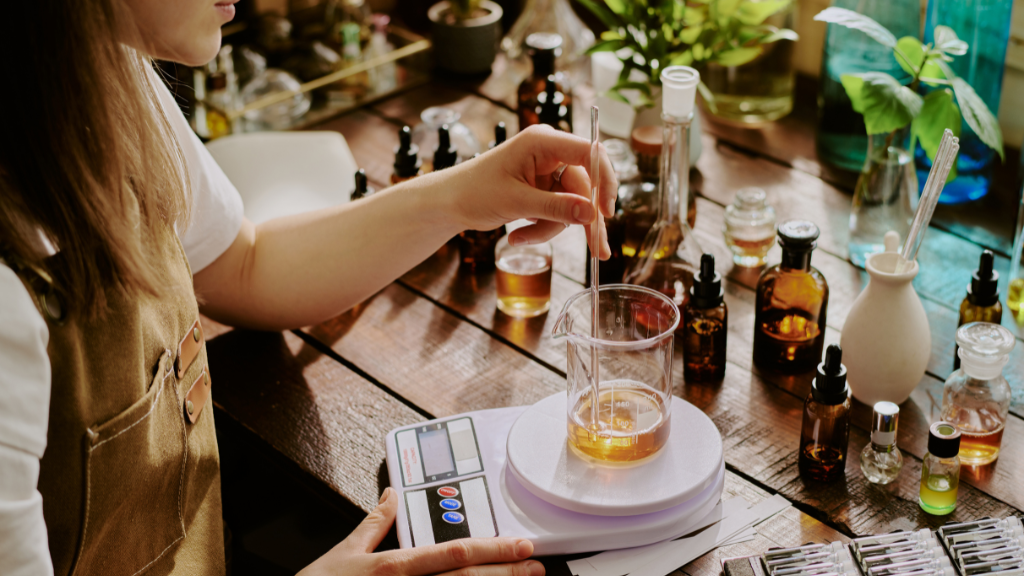
5 MIN READ / WELLBEING
How Scents Help Achieve Emotional Balance
Discover how specific aromas such as lavender, sandalwood, and frankincense can support relaxation, stress relief, and emotional equilibrium.
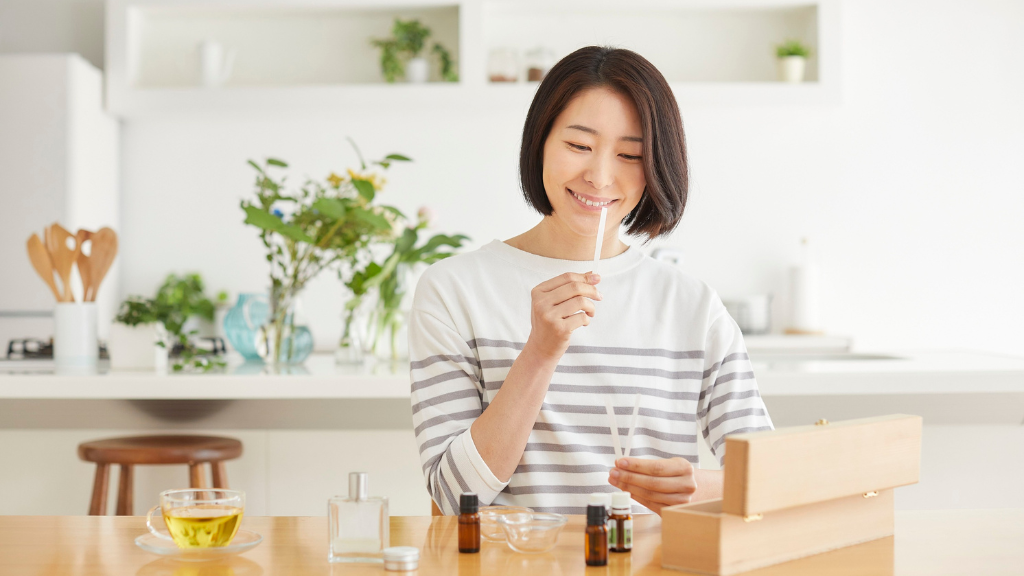
6 MIN READ / PERFUME TIPS
A Beginner’s Guide to Using Musk Fragrance Oil in Perfume
Learn how to create your own perfume using musk fragrance oils, including blends, base notes, and layering techniques.