 USD
USD  GBP
GBP  CAD
CAD  AUD
AUD 
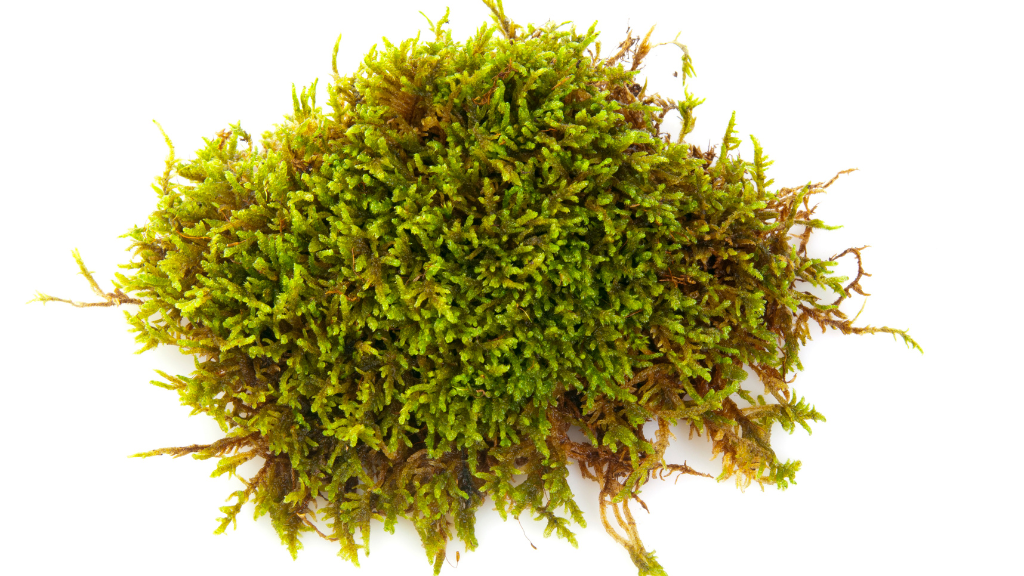
Sea moss has become one of the most talked-about wellness ingredients in recent years. You've probably seen it in smoothie recipes, skin care routines, and supplement aisles. But what are the health benefits of sea moss, and which claims actually hold up?
This guide breaks down everything you need to know about sea moss benefits, from its nutritional profile and potential health effects to its side effects, how to use it, and how to sell it in your business. We'll be upfront about what the research supports, what's still being studied, and where you should talk to a doctor first.
What Is Sea Moss?
Sea moss is a type of red algae that grows along the rocky coastlines of the Atlantic Ocean. You might also hear it called Irish moss, and its scientific name is Chondrus crispus. There's also a closely related variety from the genus Gracilaria, which grows in warmer Caribbean and African waters and is the type most commonly sold in the U.S. today.
People have been eating sea moss for centuries. In Ireland, it was used during the Great Famine in Ireland as a food source because it was plentiful and packed with nutrients. In the Caribbean, it's long been a staple in drinks, soups, and traditional remedies. In Jamaica and Trinidad, sea moss drinks are still a common part of everyday life.
Sea moss contains over 90 minerals and trace elements, which is one of the main reasons it's gained so much attention. You can find it in several forms: raw dried moss, gel, powder, and capsules. Each form has its own pros and cons depending on how you plan to use it.
When you're shopping for organic sea moss, keep in mind that not all sea moss is the same. Where it grows, how it's harvested, and how it's processed all affect its nutrient content. Wildcrafted sea moss (harvested from its natural ocean environment rather than pool-farmed) is generally considered the higher-quality option.
Nutritional Profile of Sea Moss
Sea moss is low in calories and packed with minerals, which is a big part of its appeal.
According to USDA data, a 2-tablespoon (10g) serving of raw Irish moss contains roughly 5 calories, 0g fat, 1.2g carbohydrates, 0.13g fiber, and 0.15g protein. That's not a lot on its own, but the mineral density is where sea moss stands out.
Key nutrients found in sea moss include:
- Iodine: Supports thyroid hormone production. The iodine content of sea moss can vary a lot depending on where it's sourced.
- Potassium: Helps regulate fluid balance and supports heart function.
- Calcium: Important for bone health, muscle function, and nerve signaling.
- Magnesium: Plays a role in over 300 enzyme reactions in the body, including energy production.
- Iron: Supports oxygen transport in the blood. A 100g serving of raw sea moss provides about 8.9mg of iron (roughly 49% of the daily value).
- Zinc: Supports immune function and hormone health.
- Folate (Vitamin B9): Important for cell growth. Especially relevant during pregnancy.
- Vitamins A, C, E, and K: Contribute to skin health, immune support, and antioxidant protection.
Sea moss also contains taurine (an amino acid linked to muscle recovery) and sulfur compounds (which play a role in skin and joint health). Its fiber acts as a prebiotic, feeding the beneficial bacteria in your gut.
One important note: nutrient content varies depending on where the sea moss is sourced, what species it is, and how it's processed. Gel, powder, and capsules may all have slightly different nutritional profiles because of how they're made.
10 Health Benefits of Sea Moss
Sea moss is nutrient-rich, and many of its potential benefits come from that mineral density. That said, a lot of the research behind these benefits comes from studies on seaweed and algae in general rather than sea moss specifically. Human clinical trials focused on sea moss are still limited.
Here's what we know so far, and where the science still has gaps.
1. May Support Thyroid Function
Your thyroid gland needs iodine to produce the hormones T3 and T4, which regulate your metabolism, energy levels, and body temperature. Sea moss is one of the richest food sources of iodine available.
For people who don't get enough iodine through their regular diet, adding sea moss could help fill that gap. Some people take sea moss in capsule form specifically for thyroid support because it offers a concentrated, easy-to-measure dose.
But here's the flip side: too much iodine can be just as harmful as too little. Excess iodine intake can trigger or worsen both hyperthyroidism and hypothyroidism. If you have a thyroid condition or take thyroid medication, don't start using sea moss without talking to your doctor first.
2. May Support Heart Health
The fiber in sea moss may help with several markers of heart health. Studies on seaweed suggest that dietary fiber from marine sources can help manage cholesterol levels and support healthy blood pressure.
Sea moss also contains omega-3 fatty acids and potassium, both of which contribute to cardiovascular health. Potassium helps relax blood vessel walls, which can support healthy blood pressure levels.
Research is still developing, and most studies have looked at seaweed broadly rather than sea moss specifically. But the nutritional profile makes it a reasonable addition to a heart-healthy diet when combined with other whole foods, regular movement, and medical guidance where needed.
3. Could Help with Weight Management
At roughly 5 calories per serving with a decent amount of fiber, sea moss is a low-calorie addition that may help you feel fuller for longer. Fiber slows digestion and can reduce the urge to snack between meals.
One animal study found that a compound in seaweed called fucoxanthin may help reduce body fat accumulation, though this hasn't been confirmed in large human trials yet.
Sea moss gel is the most common form people add to smoothies, juices, and soups for this purpose. It blends easily and doesn't change the flavor much.
To be clear: sea moss isn't a weight-loss product on its own. It works best as part of a balanced diet and active lifestyle. Be cautious of any product or brand that claims sea moss alone will help you drop weight fast.
4. May Improve Gut Health and Digestion
Sea moss has a gel-like, mucilaginous texture that may help soothe the lining of the digestive tract. It also acts as a prebiotic, meaning it feeds the good bacteria in your gut rather than providing bacteria directly (like a probiotic would).
The fiber content supports regular bowel movements and may help with common issues like bloating, gas, and discomfort. Some people who've added sea moss to their daily routine report improvements in digestion, though formal clinical evidence is still limited.
A healthy gut microbiome has been linked to everything from better nutrient absorption to stronger immunity, which is why gut health is often considered a foundation for overall wellbeing.
5. Could Strengthen Immune Response
Sea moss contains vitamins C and A, iron, and antioxidants, all of which play a role in supporting your immune system.
There's also the gut connection. Because sea moss fiber supports a healthy gut microbiome, and because a large portion of the immune system is housed in the gut, improving gut health may have a knock-on effect on immune function.
Early lab studies have suggested that certain compounds in sea moss may have antibacterial properties. One study found activity against Salmonella bacteria in a laboratory setting. However, these results haven't been replicated in human trials, so it's too early to make strong claims here.
6. May Aid Muscle Recovery
Sea moss contains taurine, an amino acid that supports muscle repair after exercise. Taurine is commonly found in sports supplements because of its role in reducing muscle soreness and supporting recovery.
Raw sea moss also provides about 6g of protein per 100g, along with other amino acids that contribute to tissue repair. For active people, sea moss can be a useful add-on to a post-workout routine.
That said, sea moss isn't a replacement for a proper recovery plan. Adequate rest, hydration, and a balanced diet are still the most important factors. Think of it as a supporting player, not the main act.
7. Potential Benefits for Women's Health
Several of the nutrients in sea moss are especially relevant for women's health:
- Iron may help women who experience low iron levels during menstruation. Iron deficiency is one of the most common nutritional deficiencies among women of reproductive age.
- Calcium supports bone density, which becomes increasingly important during perimenopause and menopause when estrogen levels drop, and bone loss speeds up.
- Fiber may help regulate hormones and support menstrual cycle regularity. Fiber assists the body in processing and eliminating excess hormones.
These aren't miracle benefits. They're the result of consistently consuming a nutrient-dense food as part of a broader healthy eating pattern.
8. Potential Benefits for Men's Health
Sea moss has a few nutrients that may be particularly relevant for men:
- Zinc may support healthy testosterone levels and sperm health. Zinc plays a documented role in male reproductive function, and deficiency has been linked to lower testosterone.
- Taurine and protein support exercise performance and muscle maintenance, which can be especially relevant for men focused on fitness goals.
In Caribbean culture, sea moss has long been used as an aphrodisiac and is a common ingredient in traditional "Irish moss" drinks believed to support stamina and vitality. This is a cultural tradition rather than a medically proven benefit, but it speaks to how deeply sea moss is embedded in wellness practices across the diaspora.
9. May Support Skin Health
Sulfur compounds in sea moss support collagen production, which is important for skin elasticity and repair. Sea moss also has anti-inflammatory properties that may help calm irritated or inflamed skin.
Some people report improvements with conditions like eczema and acne when using sea moss topically, either as a face mask or mixed into lotions and body creams. Sea moss gel can be applied directly to the face, left on for 15 to 20 minutes, and rinsed off. Many people mix it with honey, turmeric, or aloe vera for added benefits.
Keep in mind that these skin benefits are mostly based on personal reports and the known properties of the individual nutrients. No large-scale clinical studies have confirmed that sea moss treats specific skin conditions. Always do a patch test before applying sea moss to your face or body, especially if you have sensitive skin.
10. May Boost Energy and Reduce Fatigue
If you're dealing with low energy, the B vitamins, iron, and taurine in sea moss may help. B vitamins support energy metabolism (the process of converting food into fuel), while iron helps transport oxygen through the bloodstream to your muscles and organs. Taurine has energizing properties and is a common ingredient in energy drinks for this reason.
Low iron levels are one of the most common causes of fatigue, especially among women. If iron deficiency is contributing to your tiredness, a food source like sea moss could help alongside other iron-rich foods and medical advice.
Sea moss isn't a substitute for sleep, stress management, or a balanced diet. But as part of a well-rounded routine, it could offer a gentle boost.
Sea Moss Side Effects and Safety
Sea moss is generally considered safe when consumed in moderate amounts, but there are some important things to know before you start.
Iodine overload
This is the biggest risk. Because sea moss is high in iodine, eating too much can disrupt thyroid function. This applies to both people with existing thyroid conditions and those without. Symptoms of excess iodine intake include neck swelling, nausea, and changes in heart rate.
Heavy metal contamination
Sea moss absorbs minerals from the water where it grows. That's what makes it nutrient-rich, but it also means it can absorb heavy metals like arsenic, mercury, and lead if it grows in polluted waters. Always buy from a trusted source that tests for contaminants.
Carrageenan concerns
Sea moss naturally contains carrageenan, a compound used as a thickener in many processed foods. Carrageenan in its food-grade form is generally recognized as safe by the FDA. However, degraded carrageenan (called poligeenan) has been linked to gut inflammation in some animal studies. It's worth noting that wildcrafted sea moss benefits go beyond just iodine; read our full guide to see the complete picture.
Recommended serving
Most guidelines suggest about 1 to 2 tablespoons of sea moss gel per day, or roughly 4g of dried sea moss. Staying within this range helps you get the benefits without overdoing the iodine.
Who should be cautious:
- People with thyroid conditions (hyper- or hypothyroidism)
- Anyone taking blood thinners or thyroid medication
- Pregnant or breastfeeding women (talk to your doctor first)
- People with iodine or shellfish allergies
Sea Moss Gel vs Powder vs Capsules: Which Form Is Right for You?
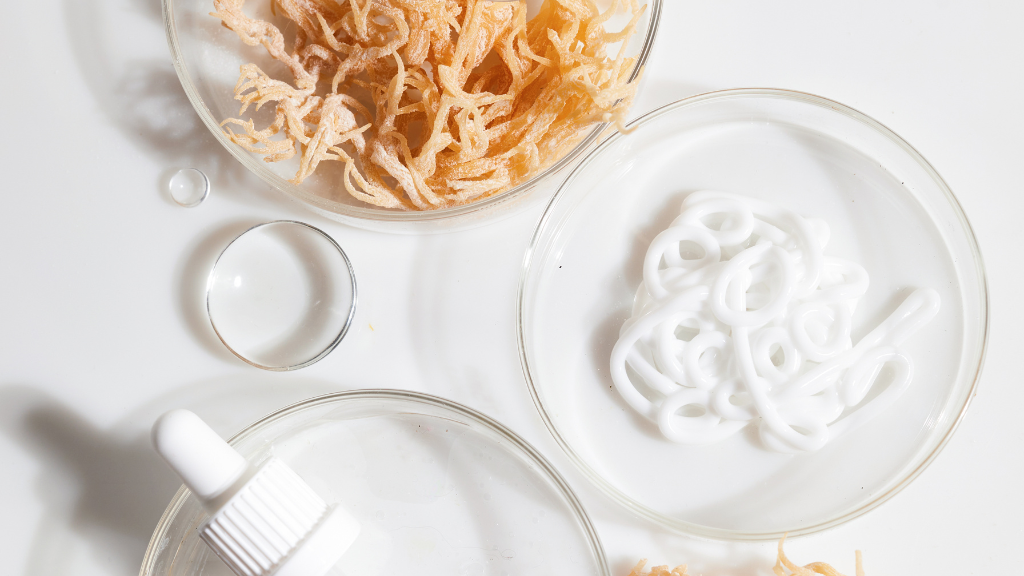
Sea moss comes in three main forms, and the right one depends on how you plan to use it.
Sea moss gel is the most popular form. You make it by soaking dried sea moss, blending it with water, and refrigerating it. It's easy to add to smoothies, soups, teas, and sauces, and you can also apply it to your skin as a face mask. The downside is shelf life: homemade gel lasts about 3 to 4 weeks in the fridge, or up to 4 months frozen. The health benefits of sea moss gel are the same as other forms, but gel gives you the most flexibility in how you use it.
Sea moss powder has a longer shelf life and is easy to measure out. You can mix it into smoothies, sprinkle it into cooking, or stir it into hot drinks. It's a good option if you want consistency without the prep work of making gel. The health benefits of sea moss powder are comparable to gel, though the texture and taste may differ slightly.
Sea moss capsules are the most convenient option. They come in pre-measured doses, making it easy to stay consistent without any prep. Capsules are a good fit for travel, busy schedules, or anyone who doesn't like the taste or texture of sea moss. The health benefits of sea moss capsules are similar to other forms, though absorption may vary depending on the brand and how the capsules are formulated.
Whichever form you choose, look for sea moss that's wildcrafted (harvested from the ocean, not pool-grown) and sourced from clean waters. Check for third-party testing and ask about the origin before buying.
How to Make Sea Moss Gel at Home
Making your own sea moss gel is straightforward, and it gives you full control over what goes into it. Here's a quick overview of the process:
- Rinse your dried sea moss thoroughly under cool water to remove any ocean debris, salt, or sand.
- Soak it in clean water for 12 to 24 hours. The moss will expand and soften as it absorbs water.
- Blend the soaked moss with fresh water (use about 1 cup of water per ounce of dried moss) until smooth.
- Refrigerate the mixture in a sealed glass jar. It will thicken into a gel within a few hours.
Your gel is ready to use once it's set. Add 1 to 2 tablespoons to smoothies, soups, teas, or oatmeal. You can also use it as a base for face masks by mixing it with ingredients like honey, turmeric, or aloe vera.
Homemade sea moss gel keeps for about 3 to 4 weeks in the fridge. You can also freeze it in ice cube trays for longer storage (up to 4 months).
How to Sell Sea Moss Products in Your Business
This is where Africa Imports can help you go beyond personal use and turn sea moss into a real income stream for your business. No other wellness brand on the market is talking about this angle, and that's exactly why it's an opportunity.
Why sea moss is a strong product for resale
Demand for sea moss has grown steadily over the past several years. It appeals to health-conscious consumers, the natural beauty community, and wellness enthusiasts. Once someone starts using sea moss, they tend to buy it again, which means repeat customers for your business.
Product ideas to consider
You don't have to sell just one form. Think about stocking a range: raw dried sea moss for customers who want to make their own gel, pre-made sea moss gel kits, sea moss bitters, sea moss-infused soaps and body washes, or even capsules. Offering variety gives customers options and increases your average order size.
Educate your customers
Many first-time buyers don't know how to use sea moss. Include simple usage guides with their purchase, display preparation instructions near your products, and use your social media channels to post videos showing how to make gel, add it to recipes, or use it in skin care. Education builds trust and helps customers come back for more.
Pricing and markup
When buying at wholesale, aim for a markup that covers your costs and leaves room for profit. Sea moss products typically support strong margins, especially when you're buying dried moss in bulk and repackaging for retail. Factor in packaging, labeling, and shipping when setting your prices.
Watch your labels
This is important: never claim that sea moss products cure, treat, or prevent any disease or medical condition. Your product labels and marketing materials should focus on the nutritional content and traditional uses rather than making medical promises. Staying compliant protects your business and builds long-term credibility with your customers.
Storage and shelf life
Dried sea moss lasts 6 to 12 months when stored in a cool, dry place. Sea moss gel has a shorter shelf life of about 3 to 4 weeks refrigerated. If you're selling gel, make sure to communicate storage instructions clearly to your customers.
Ready to stock sea moss for your business? Browse our sea moss products to see what's available at wholesale prices.
FAQs About Sea Moss
What does sea moss do to the body?
Sea moss delivers a wide range of minerals and vitamins, including iodine, iron, calcium, potassium, and zinc. These nutrients support functions like thyroid hormone production, oxygen transport, bone health, and gut health. Most of the research on sea moss is still developing, and many of its reported benefits are based on broader seaweed studies rather than sea moss-specific human trials.
What happens if you take sea moss every day?
Taking sea moss daily in recommended amounts (about 1 to 2 tablespoons of gel or roughly 4g of dried sea moss) is generally considered safe for most adults. The main risk of daily use is getting too much iodine, which can affect thyroid function over time. Start with a smaller amount to see how your body responds, and check with your doctor if you have any existing health conditions.
Who should not take sea moss?
People with thyroid conditions should avoid sea moss unless their doctor says otherwise, because of its high iodine content. Those with iodine or shellfish allergies should also be cautious. If you're pregnant, breastfeeding, or taking blood thinners or thyroid medication, talk to a healthcare provider before adding sea moss to your routine.
Is sea moss good for eczema?
Some people report that applying sea moss topically (as a gel or face mask) helps soothe eczema symptoms like dryness, redness, and itching. The anti-inflammatory and moisturizing properties of sea moss may be responsible for these effects. However, there are no clinical studies confirming that sea moss treats eczema. If you want to try it, do a patch test on a small area of skin first and stop using it if irritation occurs.
What are the health benefits of sea moss for women?
Sea moss contains iron (which may help with menstruation-related deficiency), calcium (which supports bone density during perimenopause and menopause), and fiber (which may help with hormone regulation). These nutrients are especially relevant for women's health, though sea moss should be part of a broader healthy eating plan rather than relied on as a standalone supplement.
Can sea moss help you lose weight?
Sea moss is low in calories and contains fiber that may help you feel full and reduce overeating. One animal study found that a seaweed compound may help reduce body fat accumulation. But sea moss isn't a weight-loss product. It works best as one part of a balanced approach that includes nutritious eating, regular physical activity, and proper rest.
Health and Safety Disclaimer
The information in this article is for educational purposes only and is not intended as medical advice. Sea moss products are not intended to diagnose, treat, cure, or prevent any disease. Always consult a healthcare provider before adding sea moss to your routine, especially if you have existing health conditions, are pregnant, breastfeeding, or taking medication.