 USD
USD  GBP
GBP  CAD
CAD  AUD
AUD 
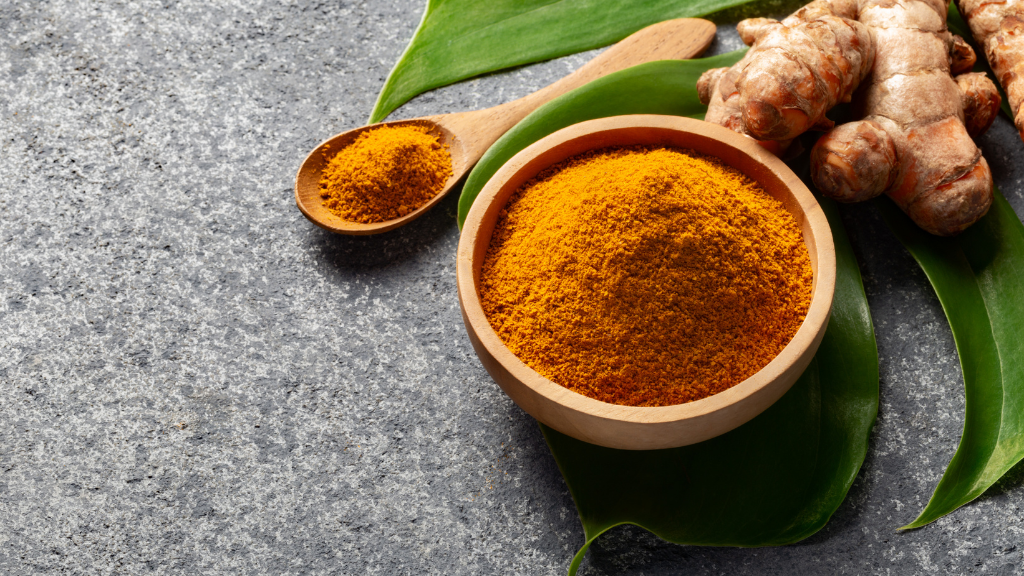
Turmeric's effect on skin comes down to curcumin, the yellow compound that gives the root its color. Curcumin has been studied for anti-inflammatory, antioxidant, and antimicrobial activity, and a handful of clinical studies have looked at what it does when applied to skin rather than swallowed.
This guide is written for the people selling it: soap makers, spa owners, boutique retailers, and formulators building their own lines of products like creams, butters, and hair oils. You will find what the research supports, what it does not, how to answer the staining question at the counter, and how to price a turmeric line so it earns its shelf space.
What The Research Actually Says About Turmeric And Skin
Curcumin is the part of turmeric doing the work, and it makes up only about 2 to 9 percent of most turmeric powder.
The clearest picture we have comes from a 2016 systematic review published in Phytotherapy Research by Vaughn, Branum, and Sivamani. The authors pulled together every clinical study they could find on turmeric and skin health. Eight of them looked at turmeric applied to the skin rather than swallowed.
Eight studies is not much, and most were small. The results looked promising without settling the question. Being upfront about that helps you sell. A customer trusts a seller who knows what the research found more than one repeating claims from a blog.
Where the evidence is strongest
Skin redness and irritation. Curcumin's anti-inflammatory activity is the most consistently reported effect.
The look of uneven tone over sustained use, measured in weeks rather than days.
Antioxidant activity against everyday environmental stress.
Where claims run ahead of the evidence
Turmeric does not remove hyperpigmentation, lighten skin, or heal wounds. It is not a treatment for skin conditions like eczema and psoriasis, or acne. It also doesn’t slow hair growth.
Worth pinning to your wall: if a supplier tells you their turmeric soap treats acne, that is a claim you cannot put on your own label. Their marketing copy is not your legal cover. When you repackage or private label a product, the claims on your packaging become your responsibility.
Turmeric Soap Benefits And Who It Suits
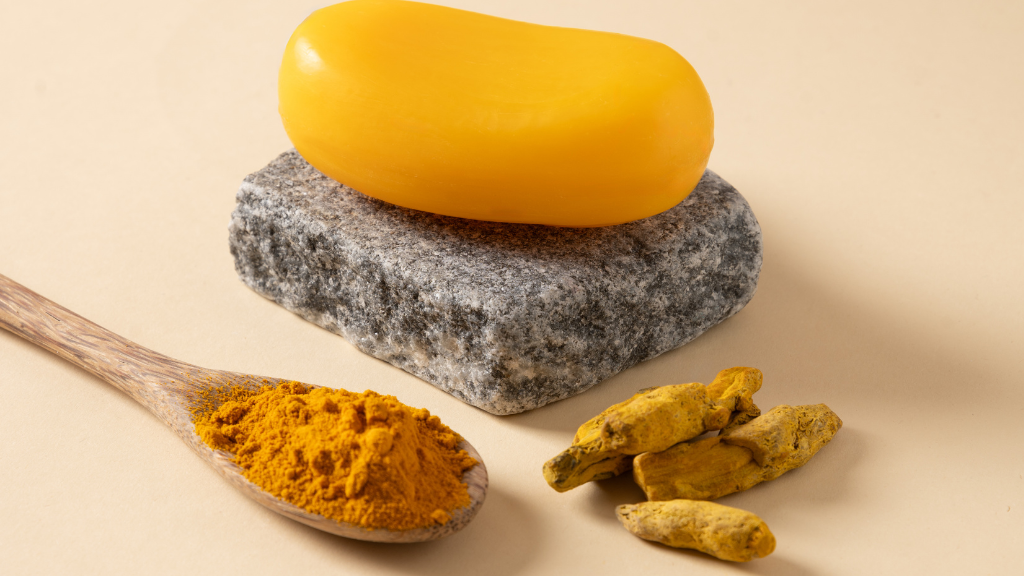
Soap is the most practical format for turmeric, and it is where the demand sits. Contact time is short, which keeps the irritation risk low. It is a repeat purchase, so one satisfied customer buys again in six weeks. And it needs no explanation at the point of sale. People already know how to use a bar of soap.
Set expectations honestly about what a bar does in a 60-second wash. It cleanses. Depending on the base, it may give mild exfoliation. It deposits some curcumin on the skin before it rinses away. That is the realistic picture.
On timeframe, tell customers two to three months of consistent use before they notice anything. This is the same conversation experienced sellers already have about African black soap, and it protects you from the customer who wants a refund after nine days.
Matching a bar to your customer's skin type
Oily and combination skin. A straightforward turmeric bar works well here. The Herboganic Handmade Turmeric Soap sits at $2.95 wholesale, or $5.90 retail in the catalog and is one of the easier bars to move at market stalls because the price point supports impulse buying. The Turmeric Loofah Soap adds physical exfoliation for customers who want scrub in the same step.
Dry or sensitive skin. Point these customers toward butter-blended options rather than a plain bar. Raw turmeric blended with shea butter gives you a leave-on product to pair with a gentler cleanser, and the shea does the moisture work while turmeric carries the botanical story.
Acne-prone skin. Be careful here. You can say the bar is popular with customers who have oily or breakout-prone skin. You cannot say it treats acne. That single word difference matters if anyone ever reviews your labeling.
First-time users. Recommend a patch test. The protocol is simple: a dime-sized amount on the inner forearm, left for 24 to 48 hours, checking for redness or swelling. Print it on a card and tuck it in the bag. Customers remember sellers who look after them.
Handling the staining question
This is the objection that costs sales, and almost nobody selling turmeric soap addresses it before the customer discovers it themselves.
Turmeric can leave a temporary yellow tint on skin, especially on lighter skin tones and especially if the bar sits on the skin too long. It will also stain washcloths, towels, and light-colored bath mats. The tint on skin fades. The mark on a white towel often does not.
Handle it head on. Recommend dark washcloths. Tell customers to rinse thoroughly and keep contact time short rather than letting lather sit. Suggest they avoid using it right before putting on a white shirt.
Make sure to highlight this on your product descriptions to avoid complaints.
Turmeric Butters And Creams For Formulators
Leave-on formats hold curcumin against the skin far longer than a rinse-off bar does. For anyone building a routine to sell as a set, that difference matters.
Turmeric blended with shea is an easier sell than turmeric alone. You get the moisture benefit customers already understand from shea, plus the turmeric story on the label. Raw Turmeric-Shea Butter comes in four sizes, from a small jar at $13.90 up to a gallon at $119.90, so you can test a format at retail size before committing to bulk.
Browse the full selection of butters for skin to see what pairs well with a turmeric line.
Turmeric For Hair And Scalp
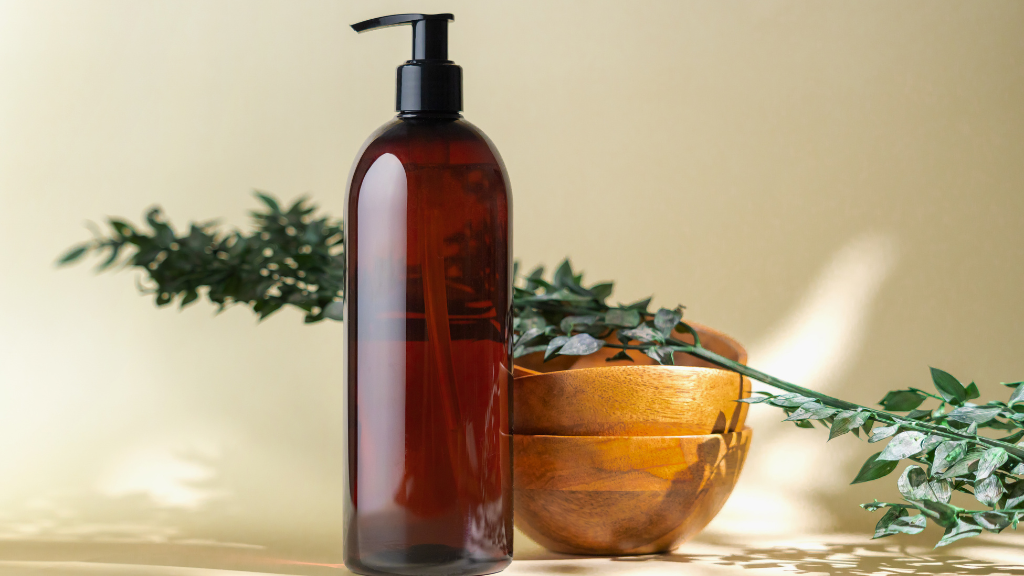
Turmeric has a long history in hair care traditions across India and parts of West Africa, usually as part of a paste or oil blend rather than on its own. That is traditional use, and it should be described that way rather than as a proven benefit.
Blended oil is the realistic format. Turmeric pairs naturally with black seed, and our Black Seed & Turmeric Clarifying Hair Oil at $9.90 is the version most customers reach for. It works as a pre-wash scalp treatment or a light finishing oil, depending on how much your customer uses.
For DIY makers, turmeric can go into a shampoo or a scalp oil, but plan around the pigment. In a light-colored base it will tint the product, and it can transfer to light hair. Test at low percentages first and check how the color holds after a few weeks on the shelf.
One firm rule: do not claim turmeric grows hair or reduces hair loss. There is no evidence behind either claim, and both fall squarely into territory that could get a small brand in trouble. You can see what else is stocked in hair oils.
Small Business Tip: Pricing And Packing A Turmeric Line
Start with the math
A turmeric soap bar listed at $5.90 in our catalog, retailing at $12 to $14 in a boutique or at a market stall, gives you roughly 50 to 58 percent gross margin before packaging costs. Bulk tier pricing brings your per-bar cost down further, which pushes that margin higher. Ask us for the tier breakdown before you set your retail price.
Bundle where you can
Pairing a bar with a butter as a cleanse-and-moisturize set beats selling single bars on average order value, and it gives you a gift-ready product for the fourth quarter without any extra sourcing.
Store bars dry and out of direct sunlight
Turmeric pigment fades with light exposure, and a faded bar looks old to a customer even when it is fine. Wrap or box your stock rather than leaving it open on a shelf under bright lights.
On labeling, keep it simple and safe
"Contains turmeric" is fine. "Traditionally used in skincare" is fine. Anything naming a skin condition is not. If you sell into a spa or salon setting, liquid soap options work well in dispensers where a bar would not, and the gallon size keeps the refill cost low.
Finally, sample it
Turmeric soap is an unfamiliar format for a lot of US customers, and a yellow bar takes some explaining. Cut bars into slivers for market stalls and let people take one home. Trial converts far better than description with this product.
FAQs
What will turmeric do to your face?
Applied to the face, turmeric may help calm visible redness and irritation, and some people find it helps their skin look more even over time. It also has antioxidant activity. It can leave a temporary yellow tint, particularly on lighter skin, and it may irritate sensitive skin. Start with a patch test and use it a few times a week rather than daily until you know how your skin responds.
Can I use turmeric on my face every day?
Most people do better starting with two or three times a week. Homemade turmeric masks in particular can be drying if used too often, and once a week is a sensible ceiling for those. A turmeric soap bar is gentler because contact time is short, so daily use is usually fine once you have patch tested. If your skin feels tight or looks red, cut back.
How long does turmeric take to work on skin?
Give it two to three months of consistent use. Skin renews itself slowly, and the studies that reported visible change ran over weeks rather than days. Results vary from person to person, and some people notice nothing at all. Anyone promising results in a week is selling you something.
Does turmeric soap stain your skin?
It can leave a light yellow tint, especially on fair skin or if the lather sits on the skin for a while. The tint fades on its own, usually within a few hours. Fabric is the bigger issue. Turmeric will stain washcloths, towels, and bath mats, and those marks often do not come out. Use dark washcloths and rinse thoroughly.
Is turmeric soap good for dark spots?
Turmeric does not remove or lighten dark spots, and any product claiming it does is overstating what the research shows. What some people report is that skin tone looks more even after sustained use, which is a different and more modest thing. If a customer's main goal is fading dark spots, be straight with them about what to expect rather than selling a promise you cannot back.
Can you sell turmeric soap in your own business?
Yes. Turmeric soap is one of the more approachable products to resell because it needs no equipment, no formulation knowledge, and no minimum production run. Low minimum orders mean you can test a small quantity before committing. The one thing to get right is your labeling. You can name the ingredient and describe traditional use. You cannot claim it treats a skin condition, and that limit applies to your packaging, your website, and what you say at the stall.
Health and safety disclaimer:
The products described here are not licensed for medical use and have not been evaluated by the Food and Drug Administration. They are not intended to diagnose, treat, cure, or prevent any disease. Information in this article is provided for general education and is not medical advice. If you have a skin condition or are pregnant or nursing, speak with a healthcare professional before using turmeric products. Always carry out a patch test before applying a new product to a larger area.
Stocking Turmeric For Your Skincare Line
Turmeric sells because customers are curious about it and because it gives your shelf something most competitors do not carry. What makes it work commercially is being straight about what it does, warning people about the staining before they find out on their own, and pricing it so the margin holds.
Every wholesale order you place with us helps fund schools, medical care, and skills training in Africa. Over half of our profits go to that work, and it has been that way for more than 25 years. Get started with our wholesale turmeric products and see what fits your customers.