 USD
USD  GBP
GBP  CAD
CAD  AUD
AUD 
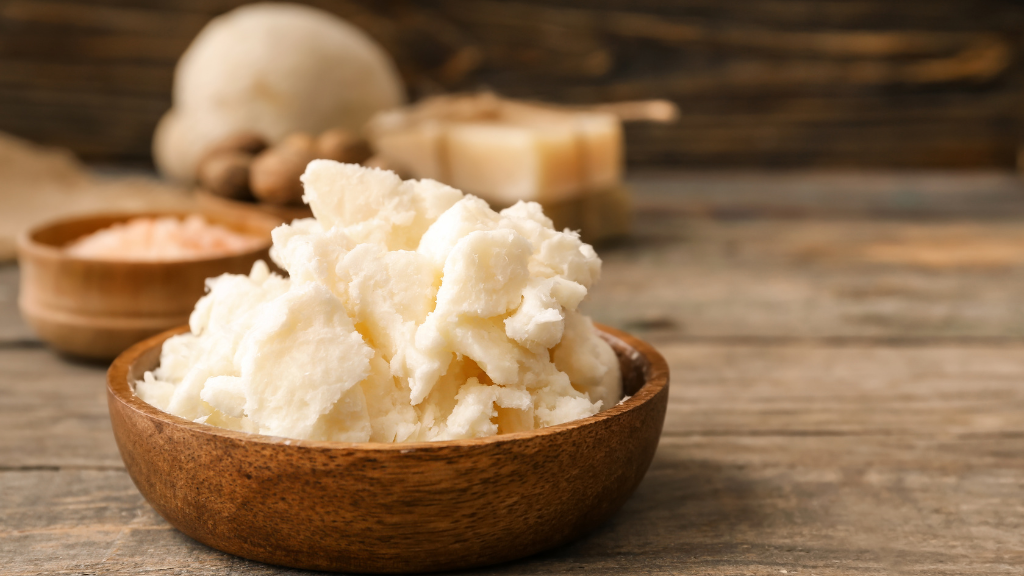
Shea butter has been a go-to ingredient in African skincare for generations. Women in West Africa have used it to protect skin from harsh sun and dry winds, condition hair, and soothe everything from minor cuts to cracked heels.
But what exactly makes shea butter so useful? This guide breaks down what shea butter does for skin and hair, how to use it properly, and what to know if you're building a business around natural beauty products.
What Is Shea Butter?
Shea butter comes from the nuts of the shea tree, which grows across West Africa. Countries like Ghana, Burkina Faso, and Nigeria produce most of the world's supply.
The process of making shea butter has been passed down through generations, typically by women in rural communities. After harvesting the nuts, they're cracked, roasted, and ground into a paste. The paste is kneaded with water until the fats separate and rise to the surface. This fat is collected, washed, and shaped into butter.
Shea butter is rich in fatty acids, particularly oleic and stearic acid, which help it absorb into skin. It also contains vitamins A and E, plus triterpenes, natural compounds believed to support skin's healing processes. Some research suggests the cinnamic acid esters in shea butter offer mild UV protection, though it should never replace sunscreen.
When you buy shea butter from suppliers who work directly with African communities, your purchase helps support traditional livelihoods. At Africa Imports, our shea butter comes through partnerships that help these communities build sustainable businesses.
Shea Butter Benefits for Skin

Deep Moisturizing for Dry Skin
Shea butter is an emollient, meaning it softens skin by filling gaps between skin cells. Unlike some moisturizers that sit on top of skin, shea butter absorbs and creates a barrier that prevents moisture loss.
This makes it helpful for dry areas like elbows, knees, and heels. For best results, apply to slightly damp skin after bathing to lock in moisture.
Soothes Irritated and Sensitive Skin
The fatty acids and vitamins in shea butter may help calm irritated skin. Some people use it to ease minor sunburns, windburn, or general irritation.
Because unrefined shea butter contains no added fragrances or harsh chemicals, many people with sensitive skin tolerate it well. People with eczema or psoriasis sometimes find it soothing, though individual results vary and it's not a treatment for these conditions.
May Help Reduce the Appearance of Scars and Stretch Marks
Shea butter is popular for minimizing the appearance of scars and stretch marks. While no topical product eliminates scars completely, keeping skin moisturized may improve its appearance over time.
DIY Stretch Mark Blend: Mix two parts shea butter with one part olive oil. Apply to prone areas twice daily. Consistency matters more than quantity.
Supports Skin's Natural Collagen
Shea butter contains triterpenes, which some studies suggest may help protect collagen fibers. The vitamins A and E are antioxidants that help protect skin cells from damage, which may help maintain skin's overall health and appearance.
Works Well for Most Skin Types
Unrefined shea butter has a comedogenic rating of 0-2 on a scale of 0-5, meaning it's unlikely to clog pores for most people. Its natural composition may help balance oil production rather than adding excess oil.
That said, everyone's skin responds differently. If you're concerned about breakouts, start by using shea butter on your body rather than your face.
Shea Butter Benefits for Hair
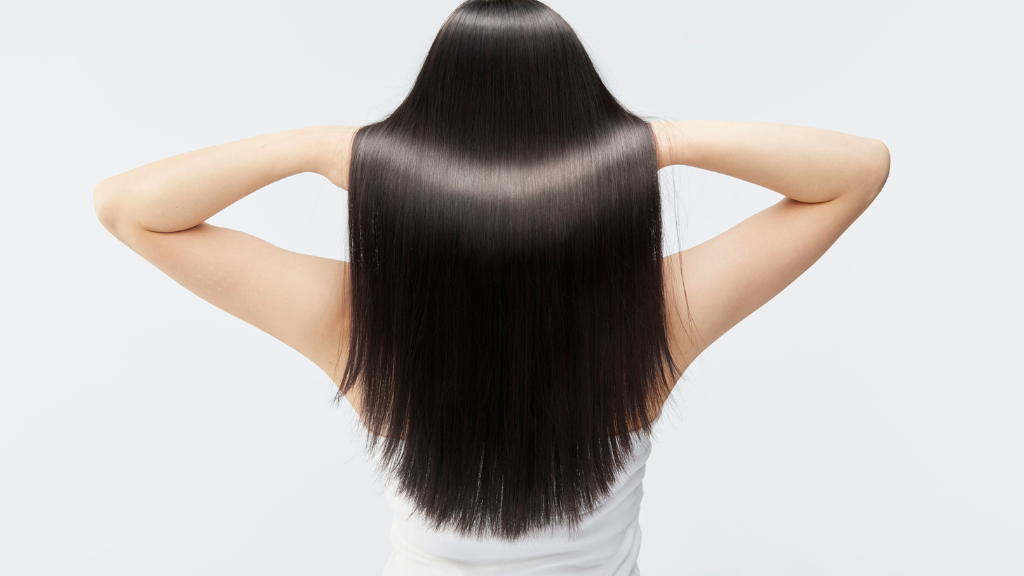
Moisturizes and Adds Shine
Dry hair is common, especially for people with tightly coiled hair patterns. Natural scalp oils have difficulty traveling down curly hair shafts, leaving ends dry and brittle.
Shea butter seals moisture into the hair shaft, keeping strands hydrated longer. It adds natural shine without greasiness. A small amount goes a long way; rub a pea-sized amount between your palms, then smooth over hair, focusing on ends.
Protects Against Breakage and Split Ends
By keeping hair moisturized and flexible, shea butter may reduce breakage and protect against split ends. Many people apply it before styling, especially before heat tools or protective styles like braids.
Soothes Dry, Itchy Scalp
The same properties that help dry skin also help dry scalp. Try massaging a small amount into your scalp before washing. Leave it for 15-30 minutes, or overnight for deeper conditioning, then wash normally.
Supports Healthy Hair Growth
While no product makes hair grow faster than genetics allow, keeping your scalp healthy creates better conditions for growth. Shea butter helps maintain scalp moisture and may reduce inflammation that can interfere with healthy follicles.
Can You Use Shea Butter on Your Face?
Yes, many people use shea butter on their face without problems. However, facial skin is more delicate, so keep these tips in mind:
Start small. Use about a peanut-sized amount and warm it between your fingertips before applying.
Apply to damp skin. This helps absorption and prevents heaviness.
Use it at night. If concerned about shine, make it part of your nighttime routine.
Mix with lighter oils. If pure shea butter feels heavy, blend with carrier oils like jojoba or sweet almond oil.
For dry or mature skin, shea butter can be an effective night cream. For oily skin, it might work better as an occasional treatment for dry patches.
Raw vs. Refined Shea Butter: Which Is Better?
Unrefined (Raw) Shea Butter

Unrefined shea butter is processed using traditional methods without chemicals. It retains its natural ivory to yellowish color and distinctive nutty scent.
Because it hasn't been heavily processed, unrefined shea butter keeps more natural vitamins, fatty acids, and beneficial compounds. This makes it preferred for maximum skincare benefits.
The trade-off is a stronger smell and slightly grainier texture. Color and scent may vary between batches, which is normal for natural products.
Refined Shea Butter

Refined shea butter goes through additional processing that removes natural color and scent, resulting in white, odorless butter with smoother texture.
Refining removes some natural compounds, so refined shea butter may not offer quite the same benefits. However, it's still a good moisturizer and works well for people who dislike the natural smell or want a neutral base for adding fragrance oils.
Which Should You Choose?
For personal skincare and hair care, unrefined is generally better because it retains more nutrients. For product formulation, refined works better when you need a neutral base that won't compete with added fragrances.
How to Use Shea Butter
On Skin
As body moisturizer: Warm a small amount between palms and apply to damp skin after bathing. Focus on dry areas.
For hands and feet: Apply a thicker layer to very dry hands or cracked heels at night, then cover with cotton gloves or socks.
For lips: Apply a tiny amount to dry or chapped lips as a natural balm.
On Hair
As leave-in conditioner: Apply a small amount to damp hair after washing, focusing on ends.
For hot oil treatments: Melt gently and apply from roots to ends. Cover with a shower cap for 30-60 minutes before washing.
For protective styles: Apply before braiding or twisting to keep hair moisturized underneath.
Simple DIY Blends
For extra-dry skin: Mix equal parts shea butter and coconut oil.
For hair growth support: Blend with a few drops of rosemary or peppermint essential oil and massage into the scalp.
For lighter texture: Whip with sweet almond or jojoba oil for a fluffier consistency.
When blending, warm shea butter gently. Overheating can reduce effectiveness and permanently change texture.
Other Uses for Shea Butter
For massage: Its smooth texture provides good glide without being too slippery, and it absorbs gradually so skin stays moisturized afterward.
For minor cuts and scrapes: Traditionally used to protect minor wounds as they heal. Its moisturizing properties prevent the tight, dry feeling during healing. Make sure wounds are clean first.
For insect bites: Some people apply it to soothe itching and reduce the urge to scratch.
How to Store Shea Butter
Keep it cool and away from direct sunlight and heat.
Keep it dry. Don't let water into the container, which can introduce bacteria.
Use airtight containers to prevent oxidation.
Check shelf life. Unrefined shea butter typically lasts 18-24 months when stored properly. Replace if it develops an off smell or changes texture significantly.
Is Shea Butter Right for You?
Allergies and Sensitivities
Shea butter comes from a tree nut, but most proteins that cause allergic reactions are removed during processing. Most people with tree nut allergies can use it without problems. If you have severe allergies, consult your doctor and do a patch test first.
When to Consult a Professional
Shea butter is a cosmetic ingredient, not medicine. While it helps with dryness and minor irritation, it's not a treatment for skin conditions like eczema, psoriasis, or acne. If you have a diagnosed condition, work with your healthcare provider on an appropriate care plan.
Small Business Tip: Selling Shea Butter Products
If you're a small business owner, shea butter offers real opportunities. It's a product customers already know and trust, working across multiple product categories.
Educate Your Customers
Many customers have heard of shea butter but don't know how to use it properly. Providing simple usage instructions helps customers get better results and come back for more. Address common questions: How much should I use? Can I use it on my face? What's the difference between raw and refined?
Consider Value-Added Products
Raw shea butter is a great starting point, but whipped shea butter, scented blends, and ready-to-use hair treatments often command higher prices. If making your own products, keep good records of recipes and processes because consistency matters.
Regulatory Considerations
If selling in the United States, comply with FDA regulations for cosmetics, including proper labeling with ingredients, net weight, and contact information.
Be careful about claims. You can describe what shea butter does (moisturizes, softens, conditions) but cannot claim it treats, cures, or prevents any disease. Making medical claims turns your cosmetic into an unapproved drug, creating serious legal issues.
Frequently Asked Questions
Is shea butter good for your face?
Yes, many people use it without issues. It has a low comedogenic rating, meaning it's unlikely to clog pores. If you have acne-prone skin, start small and see how your skin responds.
Does shea butter clog pores?
Unrefined shea butter rates 0-2 on a 0-5 comedogenic scale, making it less likely to clog pores than many natural butters. However, everyone's skin differs; test on a small area first.
Can shea butter help with eczema or psoriasis?
Some people find it soothing due to its moisturizing properties, but it's not a treatment. Work with your healthcare provider for diagnosed conditions.
What's the difference between raw and refined shea butter?
Raw retains natural color, scent, and nutrients. Refined is white and odorless but loses some beneficial compounds. Unrefined offers more skincare benefits; refined works better as a neutral base.
How long does shea butter last?
Properly stored, unrefined shea butter lasts 18-24 months. Replace if it develops an off smell or unusual texture.
Can I use shea butter with a nut allergy?
Most people with tree nut allergies can use it safely since allergenic proteins are largely removed during processing. Consult your doctor if you have severe allergies.
Health and Safety Disclaimer
The information in this article is for educational purposes only and is not intended as medical advice. Individual results may vary. Always do a patch test before using new skincare products. These statements have not been evaluated by the Food and Drug Administration. This product is not intended to diagnose, treat, cure, or prevent any disease.