 USD
USD  GBP
GBP  CAD
CAD  AUD
AUD 

Building a single product is one thing. Creating a complete line that customers return for again and again? That's where real business growth happens. If you're ready to move beyond stocking individual items and want to build signature collections using African beauty ingredients, you're in the right place.
This guide walks you through developing cohesive product lines with shea butter, sea moss, chebe, coconut oil, and other African ingredients. You'll learn how to plan collections, package them for your market, and scale your offerings without losing the cultural authenticity that makes these products special.
Strategic Product Development: From Individual Items to Cohesive Lines
Market-Driven Product Line Planning
Start by looking at what your customers actually want. Check reviews on your existing products, ask questions on social media, and pay attention to what people search for in your store. If customers keep asking about hair growth support, that tells you something. If winter brings requests for intense moisture solutions, you've found a seasonal opportunity.
Look at trends in your market without chasing every new thing. Sea moss has stayed popular because wellness customers want products that work both inside and out. Chebe powder gained traction because natural hair care customers were looking for traditional methods backed by real results. These aren't passing fads, they're ingredients with staying power.
Find the gap between what big brands offer and what your community actually needs. Maybe there's room for family-sized natural products, or starter kits for people new to African ingredients. Your advantage as a small business is flexibility. You can test ideas, get feedback, and adjust faster than any large company.
Building Your Product Development Roadmap
Map out your development timeline in realistic phases. Month one might focus on researching formulations and sourcing ingredients. Month two, you're testing recipes and getting samples made. Month three covers feedback from trusted customers before you launch.
Budget your resources carefully. Raw ingredients from wholesale suppliers cost less than pre-made products, giving you room to experiment. Start with small batches. You can always scale up, but you can't take back inventory that doesn't sell.
Plan testing phases into your timeline. Let friends, family, or loyal customers try products before you commit to large orders. Their honest feedback saves you from costly mistakes and often sparks ideas you hadn't considered.
Balancing Authenticity with Market Appeal
Respect the cultural roots of African ingredients while making products accessible to your market. If you're creating a chebe hair treatment, include information about its Chadian origins and traditional uses. Customers appreciate learning the story while getting a product that fits their lifestyle.
Package products in ways that honor heritage without making them feel outdated. You can use earth tones and traditional patterns while keeping labels clean and easy to read. Modern design and cultural respect aren't opposites.
Build customer education into everything you create. A simple insert explaining where shea butter comes from and why it works helps customers feel connected to their purchase. People buy from brands they trust, and education builds that trust.
Creating Shea Butter Product Lines: The Foundation Collection
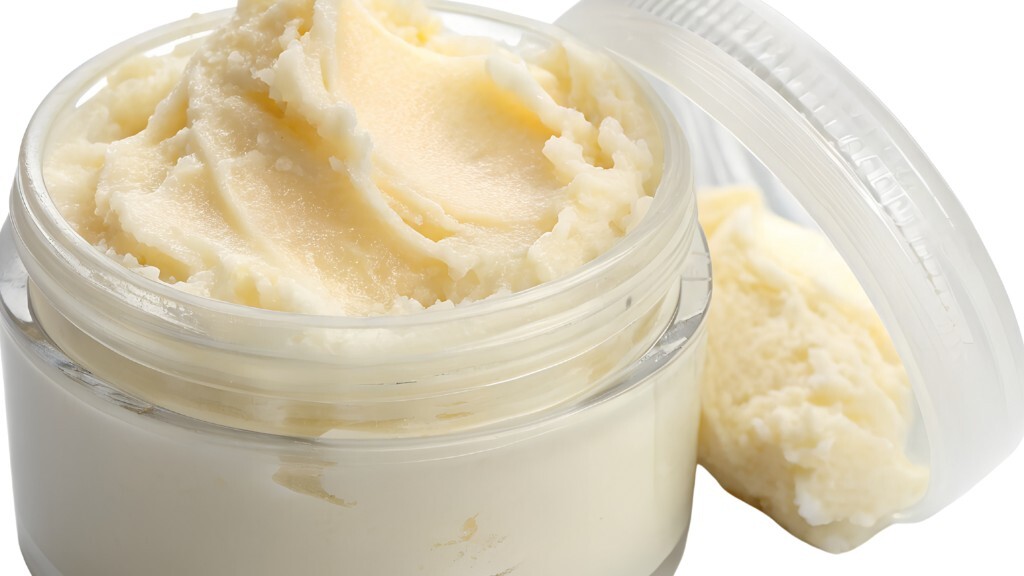
Multi-Purpose Shea Product Development
Shea butter works everywhere: face, body, hair, and lips. That versatility makes it the foundation for multiple product lines. Start with a basic whipped shea butter body cream, then branch into targeted applications.
Face creams need lighter textures than body butters. Mix unrefined shea butter with lighter carrier oils like jojoba to create something that absorbs well without clogging pores. For body butters, pure shea works beautifully, especially in winter months when skin needs extra protection.
Hair treatments using shea can range from leave-in conditioners to deep conditioning masks. Many customers use shea butter for protective styling and edge control. Create a hair care trio: a creamy leave-in, a thick styling butter, and a lightweight oil blend. Together, they cover different styling needs while keeping your brand front and center.
Don't forget lip care. Shea-based lip balms in small tins or tubes make great add-on purchases and gift set components.
Seasonal and Targeted Shea Collections
Winter calls for healing formulations. Create a "Winter Skin Rescue" set with extra-thick shea body butter, a rich hand cream, and a protective lip balm. Position it for dry climates and cold weather challenges.
Summer lines can highlight cooling ingredients mixed with shea. Add peppermint or eucalyptus to create after-sun soothers. Lighter whipped formulas work better when it's hot outside.
Baby-safe shea products appeal to parents looking for gentle, natural options. Use unrefined shea with minimal added ingredients. Call out that it's fragrance-free and made for sensitive skin. Parents will pay more for products they trust.
Value-Added Shea Product Innovation
Infuse shea butter with herbs or essential oils to create specialty items. Lavender shea for calming bedtime routines, rosemary shea for scalp health, and coffee-infused shea for body scrubs. Each variation becomes its own product or part of a themed collection.
Scented varieties attract customers who want both function and experience. Offer unscented for sensitive skin and 3-4 signature scents that match your brand personality.
Gift packaging turns individual products into complete presents. A hand-tied ribbon, a small card explaining the ingredient source, and thoughtful presentation can double your price point. Holiday seasons, Mother's Day, and graduations all create gift-buying opportunities.
Developing Sea Moss Skincare: Capitalizing on Wellness Trends
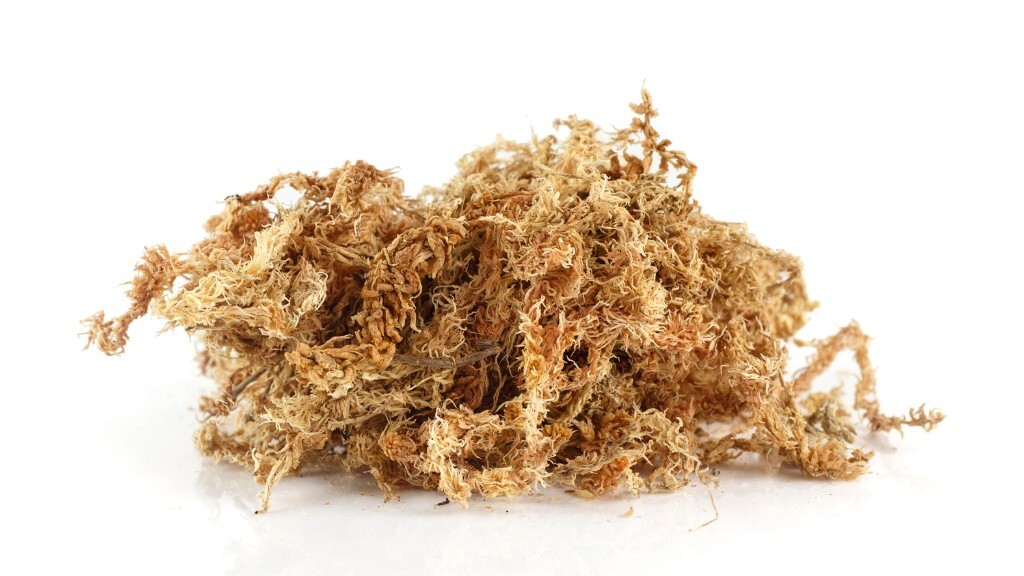
Sea Moss Face Mask and Treatment Lines
Sea moss face masks tap into the clean beauty movement. Create DIY mask kits with powdered sea moss, mixing instructions, and a small spatula. Include suggested add-ins like honey or aloe. Customers love customization.
Ready-to-use treatments save time for busy customers. Mix sea moss gel with clay or other active ingredients, package in small jars, and position as a spa-quality treatment that they can do at home.
Some people use sea moss in their routines for its mineral content and how it makes skin feel. Market the experience and texture without making medical claims. Focus on what customers tell you: "leaves my skin feeling smooth," "helps my complexion look brighter," that kind of feedback.
Wellness Integration: Internal and External Use Products
Sea moss appeals to wellness customers who think about internal and external health together. If you sell sea moss gel for smoothies, pair it with skincare products in a "whole body wellness" bundle.
Create systems that make sense together. A morning wellness set might include sea moss gel for drinks, a sea moss face serum, and a body lotion with sea moss and coconut oil. Market it as a complete routine.
Provide education on both uses without overpromising benefits. Share customer experiences, include recipe ideas for internal use, and give application tips for topical products. Let customers make informed choices.
Premium Sea Moss Collection Development
Position certain sea moss products as high-end spa treatments. Use glass jars instead of plastic. Write detailed application instructions that feel like a ritual. Price accordingly.
Professional treatment lines work for estheticians and spa owners. Larger sizes, simpler packaging, and wholesale pricing help them incorporate sea moss into their service menu.
Spa-quality doesn't mean complicated. Sometimes it just means thoughtful packaging, clear instructions, and consistent quality. Focus on the experience you're creating.
Chebe Hair Sets: Building Comprehensive Hair Care Collections

Traditional to Modern: Chebe Product Evolution
Pure chebe powder appeals to natural hair enthusiasts who want authentic ingredients. Package it with clear instructions on traditional use: mixing with oils, applying to hair sections, and protective styling.
Pre-mixed treatments meet customers where they are. A chebe-infused butter or oil blend works for people who want benefits without the mixing step. Both products can exist in your line, serving different customer needs.
Modern application methods include chebe hair masks, leave-in conditioners, and growth oils. Each format attracts different buyers while highlighting the same hero ingredient.
Complete Hair Care System Development
Starter kits lower the barrier to trying new products. Include a small jar of chebe powder, a bottle of carrier oil for mixing, a mixing bowl, and detailed instructions with photos. Price it as an entry point to your full line.
Maintenance products keep customers coming back. Once they've tried the starter kit, they'll need refills of powder, new carrier oils, or complementary products like scalp treatments.
Support protective styling with products designed for that purpose. Edge control, braid spray, and scalp oil all work alongside chebe treatments in a protective style routine.
Educational Product Bundles
Include printed guides with every Chebe product. Explain the history, show step-by-step application with images, and link to video tutorials. This education reduces customer service questions and increases satisfaction.
Cultural context matters. Share that chebe comes from Chad, where women have used it for generations for long, strong hair. Respect the tradition while showing how it fits modern hair care routines.
Video tutorials live on your website and social media. Film application demonstrations, answer common questions, and show real results over time. This content supports sales long after you create it.
Coconut Oil Bundles and Multi-Use Collections
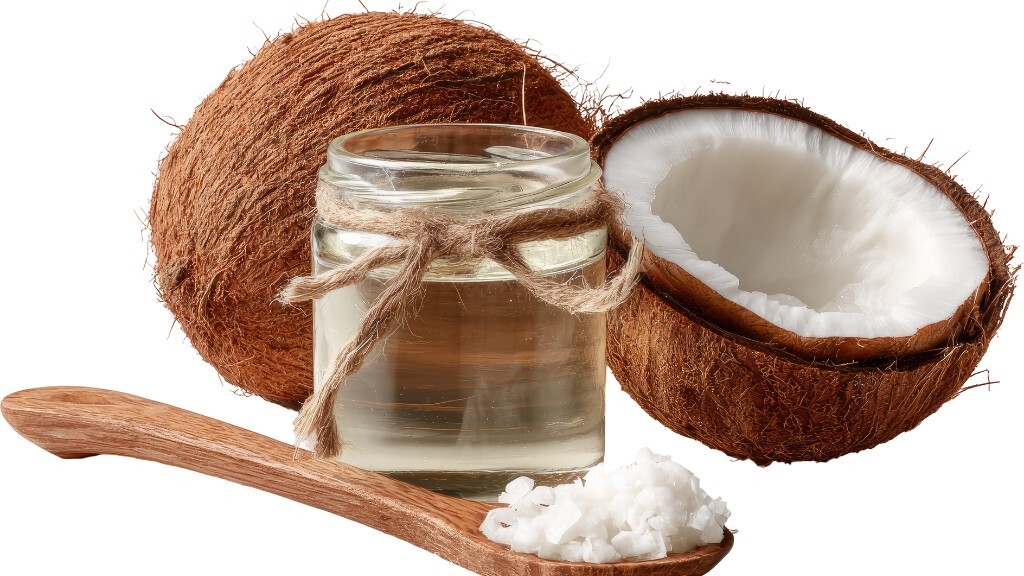
Versatility-Focused Product Sets
Coconut oil works for hair deep conditioning, body moisturizing, oil pulling, and cooking. Create sets that highlight this versatility: "One Oil, Many Uses" or "Family Coconut Care Kit."
Family-friendly collections include larger sizes and simple application ideas for every family member. Dad's beard oil, Mom's hair mask, kids' gentle skin moisturizer, all from the same coconut base.
Market the value of buying one product that replaces several. Show cost comparisons and emphasize simplicity.
Specialty Coconut Product Development
Flavored coconut oils for cooking and topical use attract wellness customers. Infuse with vanilla, mint, or citrus. Label clearly for intended use.
Therapeutic blends combine coconut oil with essential oils or herbs. A calming blend for massage, an energizing blend for morning routines, a focused blend for scalp treatments.
Seasonal formulations keep your line fresh. Pumpkin spice coconut butter in fall, peppermint coconut oil in winter, citrus blends in summer.
Cross-Category Integration
Pair coconut oil with other African ingredients. Coconut and shea butter whipped cream, coconut and chebe hair treatment, and coconut and African black soap sets.
Complementary products create full routines. Offer a body care trio: African black soap, coconut body oil, and shea butter lotion. Each product leads to the next.
Seasonal Launches and Limited Edition Development
Holiday and Gift Set Creation
Christmas collections sell themselves if packaged thoughtfully. Create "12 Days of Beauty" sets, spa gift baskets, or themed collections around relaxation and self-care.
Mother's Day sets honor maternal figures with quality products. Include a handwritten-style card and packaging that feels special.
Cultural celebrations create opportunities, too. Juneteenth, Kwanzaa, or Black History Month collections let you honor heritage while offering relevant products.
Seasonal Ingredient Highlighting
Summer products should feel cool and light. Mint, cucumber, and aloe combined with your core ingredients.
Winter formulations focus on healing and protection. Thick butters, intensive hair masks, and hand repair creams.
Spring renewal themes work well for cleansing products, fresh scents, and lighter textures as customers shift their routines.
Limited Edition Strategy for Customer Engagement
Scarcity creates urgency. Release a special scent blend or package design for a limited time. Announce when it's gone, it's gone.
A collector appeal develops when customers know they got something others missed. Number items or include special batch information.
Customer loyalty grows when people feel they're part of something exclusive. Reward repeat customers with early access to new limited releases.
Natural Product Packaging and Brand Development

Sustainable Packaging Solutions
Eco-friendly materials align with natural product values. Glass jars are reusable, recyclable, and feel higher quality than plastic. Paper labels and boxes decompose.
Cultural authenticity shows through design choices. African-inspired patterns, earth tones, and references to ingredient origins connect packaging to product story.
Cost-effective options exist at every price point. Start with simple kraft paper labels and upgrade as you grow. Customers care more about what's inside than fancy packaging, especially at first.
Educational Packaging Design
Usage instructions right on the label reduce confusion and returns. Keep directions clear and simple.
Ingredient benefits help customers understand what they're buying. "Shea butter from Ghana, used traditionally for skin protection and moisture."
Safety information belongs on every product. List ingredients clearly, note common allergens, and include storage guidance.
Gift Sets and Premium Presentation
Gift-ready packaging justifies higher prices. A set that's already boxed, tied, and ready to give costs more than individual items.
Presentation materials like tissue paper, ribbon, or small cards don't cost much but increase perceived value significantly.
How Africa Imports Accelerates Your Product Development
Diverse Ingredient Access for Innovation
Raw materials variety means you can experiment without huge commitments. Order small amounts of different carrier oils, butters, and botanical ingredients to test formulations.
Quality consistency matters when you're building a brand. Reliable wholesale sourcing means your shea butter batch in January performs like your batch in June. Customers notice consistency.
New ingredient introductions help you stay current. When your supplier adds baobab oil or moringa powder, you can be among the first to market with new formulations.
Development Support and Technical Guidance
Formulation questions get answered faster when your supplier knows the ingredients. Compatible combinations, shelf life expectations, and usage rates all affect your success.
Bulk production support means that as you scale, your supplier can scale with you. Test with 5 pounds, launch with 50, grow to 500.
Flexible Sourcing for Product Line Growth
Small batch testing lets you validate ideas before a major investment. Buy enough to make 20 units, get customer feedback, then commit to larger orders.
Seasonal availability management matters for natural ingredients. Your supplier's inventory planning affects your product launch timing. Build relationships that include advance notice of supply changes.
Testing and Refinement: Perfecting Your Collections
Customer Feedback Integration Systems
Beta testing programs with trusted customers catch issues before full launch. Offer free products in exchange for detailed feedback.
Review analysis from all your sales channels shows patterns. If three different customers mention texture issues, adjust your formula.
Product iteration based on real use beats guessing. Let customer experience guide your refinements.
Quality Control for Consistent Product Lines
Batch consistency requires attention to measurements, mixing times, and storage. Document your process so you can replicate successful batches.
Customer satisfaction tracking means checking in after purchase. Did products arrive undamaged? Were instructions clear? Would they buy again?
Brand reputation builds slowly but can be damaged quickly. Prioritize consistency and quality over rapid expansion.
Scaling Your Product Development Success
From Local to Regional Market Expansion
Distribution planning starts with your current reach. Local craft fairs scale to regional wholesale accounts, then online sales broaden your geography.
Inventory management gets complex with multiple products across multiple channels. Start with simple spreadsheets and upgrade systems as needed.
Customer service scaling means creating resources that answer common questions without requiring your direct time. FAQs, video tutorials, and email templates all help.
Building Brand Recognition Through Product Innovation
Signature products become what you're known for. Maybe it's your chebe hair butter or your sea moss facial gel. Let one hero product establish your reputation, then expand the line around it.
Market differentiation comes from your specific combinations, your story, and your customer relationships. Don't try to compete on price alone. Compete on value, education, and trust.
Customer loyalty programs reward repeat business. Points systems, early access to new products, or exclusive scents for loyal customers all increase lifetime value.
Start Building Your Beauty Product Line Today
You've got the knowledge. Now it's time to source the ingredients and start creating. Africa Imports offers wholesale access to shea butter, sea moss, chebe powder, coconut oil, and dozens of other African ingredients ready for your product line.
Browse our full catalog of natural beauty ingredients, request samples, and start developing the collections that'll set your brand apart.
You Might Also Like:

5 MIN READ / BUSINESS BASICS
African Natural Beauty Ingredients: Business Basics Guide
Discover key African beauty ingredients and how to build a product line around them successfully.

6 MIN READ / BEAUTY TRENDS
Clean Beauty Movement: What Small Businesses Need to Know
Learn how the clean beauty trend affects small brands and what customers are expecting today.

4 MIN READ / WELLNESS
Sea Moss Face Mask Benefits
Explore why sea moss is gaining popularity in skincare and how it benefits facial routines.